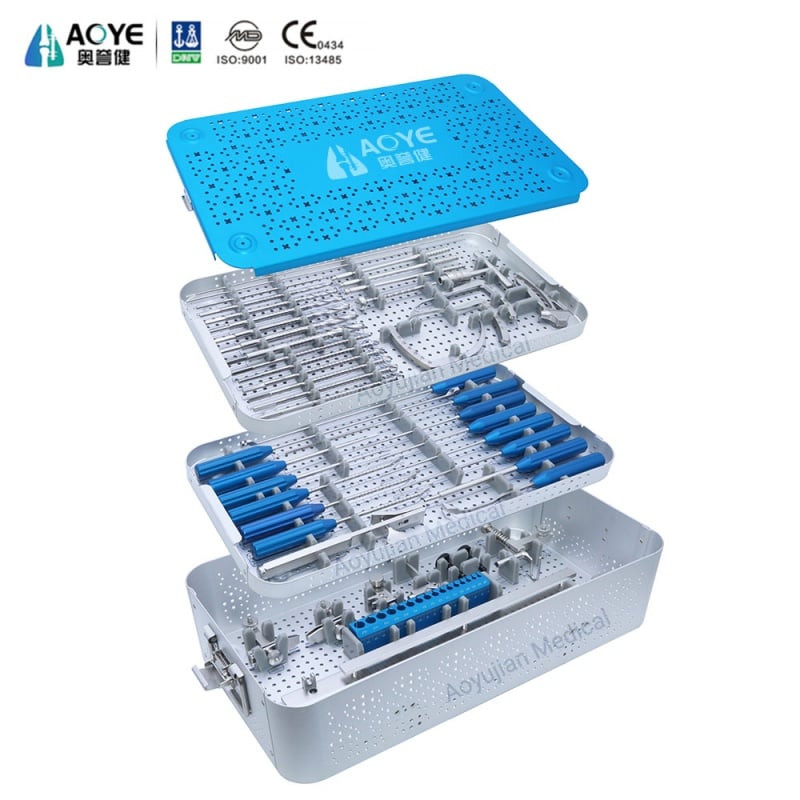
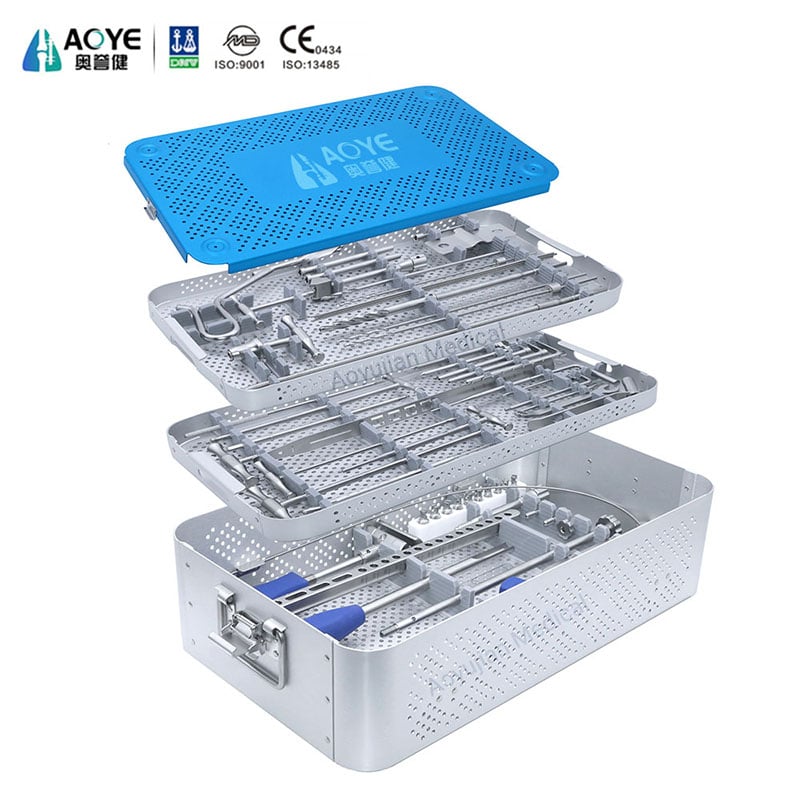
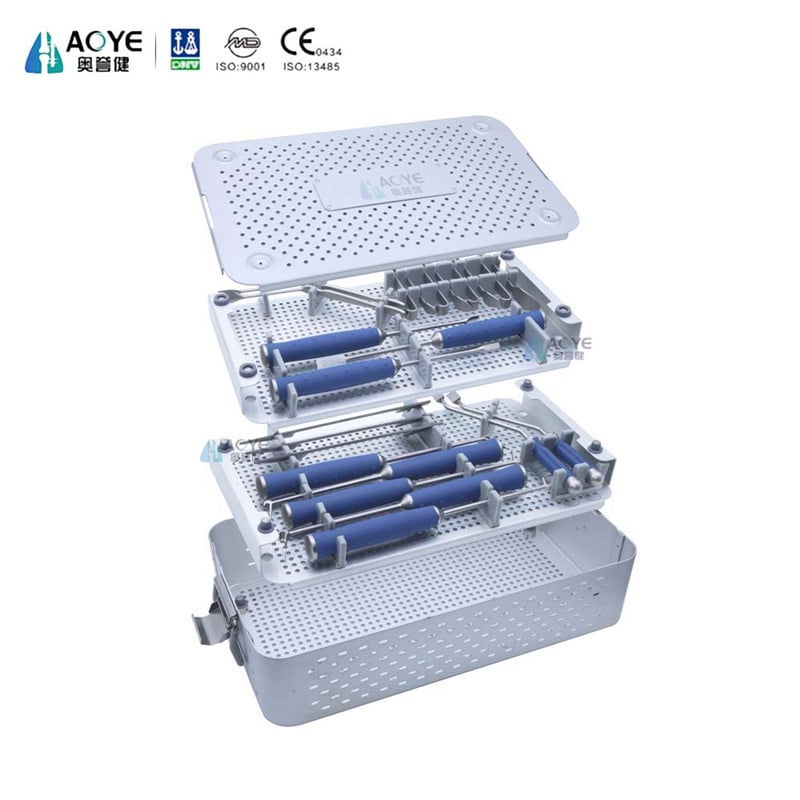
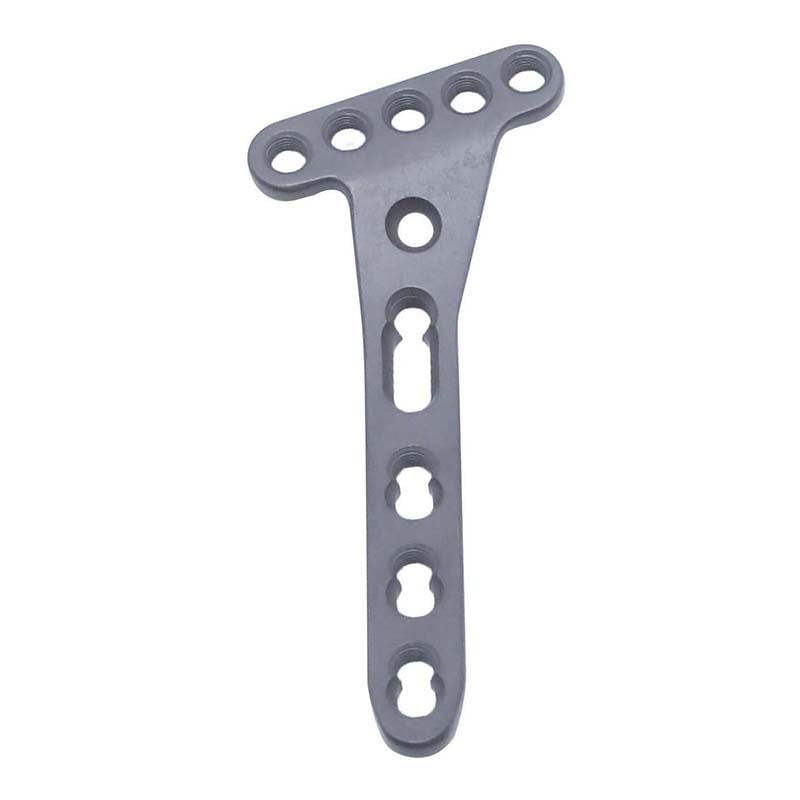
Titanium surgical plates are critical components used in orthopedics for stabilizing fractures and supporting bone healing. As purchasing managers and distributors in the medical field evaluate their options, key considerations include material properties, quality control standards, and supplier reliability. This article provides a comprehensive overview of surgical drill, addressing specifications, quality assurance processes, sourcing strategies, installation guidelines, and common challenges, helping you make informed purchasing decisions.
When assessing titanium surgical plates, several key specifications must be considered:
Material Composition: Titanium is favored for its strength-to-weight ratio, corrosion resistance, and biocompatibility. Common grades include Ti-6Al-4V (Grade 5), which offers excellent mechanical properties suitable for load-bearing applications.
Dimensions and Thickness: Plates come in various sizes and thicknesses, typically ranging from 1.5 mm to 3.0 mm. The specific dimensions should match the anatomical requirements of the area being treated to ensure proper fit and functionality.
Surface Treatment: The surface finish of titanium surgical plates can impact biocompatibility and osseointegration. Options may include anodizing or passivation, which enhance corrosion resistance.
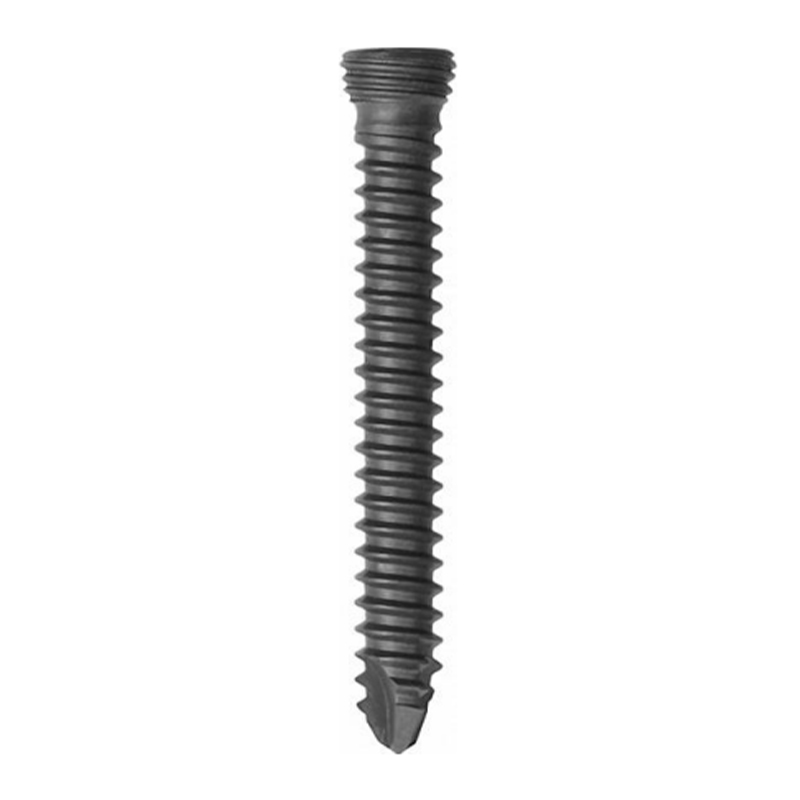
Design Features: Plates can vary in design, including locking mechanisms, contouring, and holes for screws. These features should align with surgical requirements and the intended application, such as trauma or spine surgery.
Load Requirements: Understanding the expected load-bearing capacity is crucial. Plates must be designed to withstand the physiological loads in their intended application to prevent failure.
By confirming these specifications with suppliers, importers and distributors can ensure the selected products meet the necessary performance criteria and application requirements.
Quality control is paramount in the production of Aoye titanium surgical plates, as it directly affects patient safety and product reliability. Here are essential quality control aspects to consider:
ISO Certifications: Ensure that the manufacturer holds relevant certifications, such as ISO 13485, which demonstrates compliance with international quality management standards specific to medical devices. This certification indicates a commitment to producing high-quality products.
Incoming Material Inspection: Verify that the manufacturer conducts thorough inspections of raw materials upon arrival. This includes testing for material properties, such as tensile strength and composition, to ensure compliance with specifications.
In-Process Quality Checks: During production, quality checks should be implemented at various stages, including machining, surface treatment, and final assembly. This helps identify defects early, reducing the risk of non-compliant products reaching the market.
Final Product Testing: Manufacturers should perform rigorous testing on finished plates, including mechanical testing and biocompatibility assessments. Buyers can request documentation of these tests to ensure compliance with regulatory standards.
Traceability: A robust traceability system allows for tracking each ortho surgical instruments production history, which is critical for addressing potential recalls or quality issues.
By evaluating these quality control standards, buyers can select manufacturers committed to delivering safe and effective surgical implants.
Finding reliable suppliers of titanium surgical plates is essential for ensuring product quality and timely delivery. Here are strategies to identify trustworthy manufacturers:
Industry Associations: Engage with industry associations and trade organizations related to medical devices and orthopedics. These bodies often provide directories of certified manufacturers and can facilitate introductions.
Trade Shows and Conferences: Attend industry-specific trade shows and conferences to meet suppliers in person. This not only allows for networking but also enables firsthand assessment of product quality and manufacturer capabilities.
Online Marketplaces and Directories: Utilize B2B platforms and online directories that specialize in medical equipment. Look for suppliers with positive reviews, verified certifications, and a history of serving international markets.
Request for Proposals (RFPs): Issue RFPs to multiple suppliers, detailing specific requirements for titanium surgical plates. This process allows you to compare responses regarding pricing, lead times, quality assurances, and customization capabilities.
References and Case Studies: Request references from potential suppliers and review case studies demonstrating their experience in delivering titanium surgical plates to similar clients. This can provide insights into their reliability and service quality.
By employing these strategies, purchasing managers can source suppliers that align with their quality expectations and operational needs.
Proper installation of Aoye titanium surgical plates is crucial for ensuring effective treatment outcomes. Here are key guidelines for installation in medical settings:
Preoperative Planning: Surgeons should conduct thorough preoperative planning, including imaging studies, to determine the precise size and type of plate needed for the specific fracture or deformity.
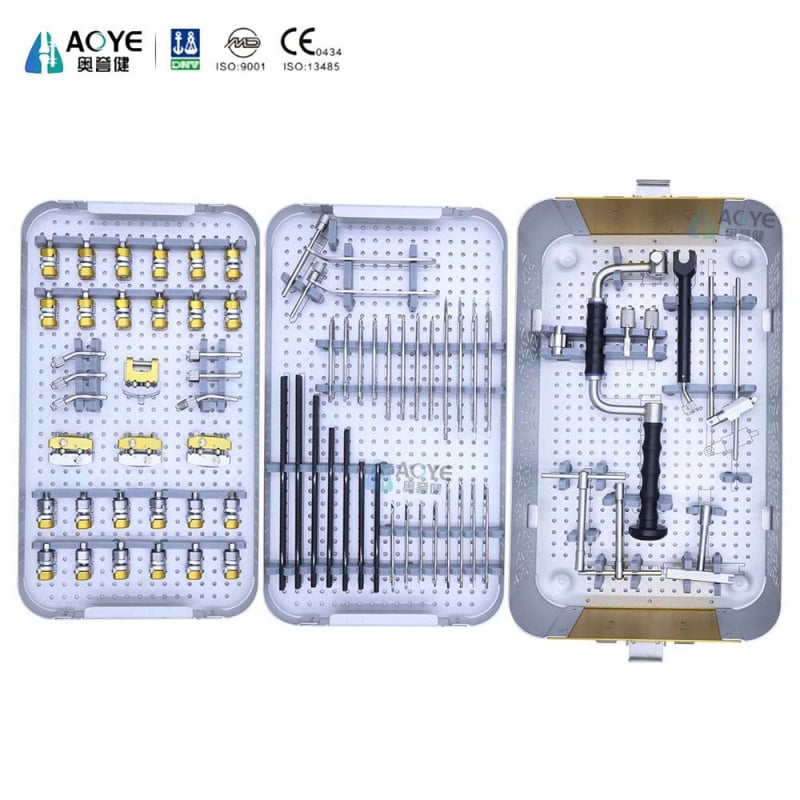
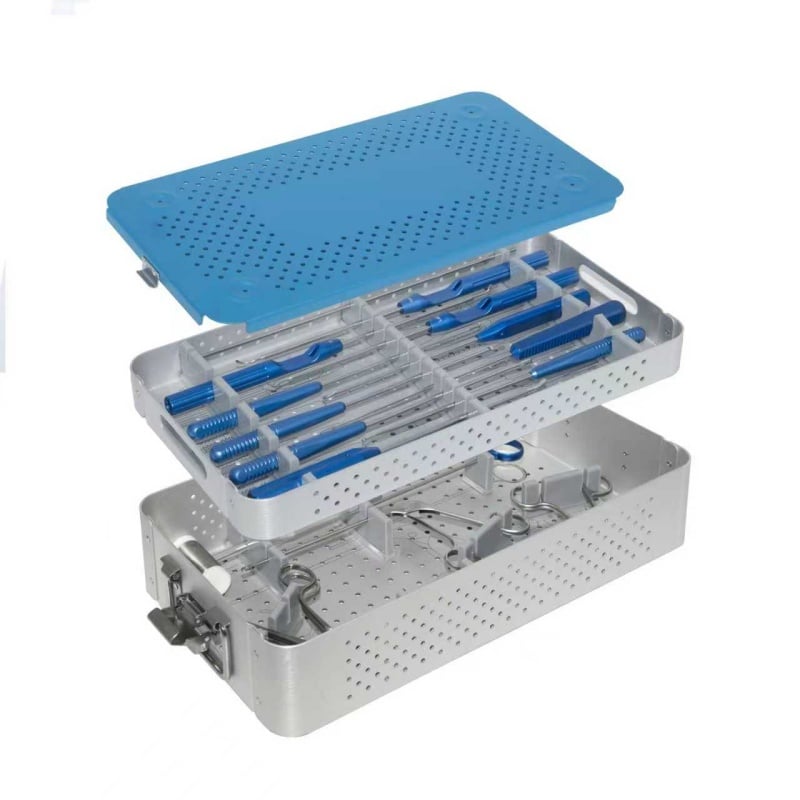
Sterilization Protocols: Ensure all surgical instruments, including titanium plates, are sterilized according to established protocols. This minimizes the risk of postoperative infections.
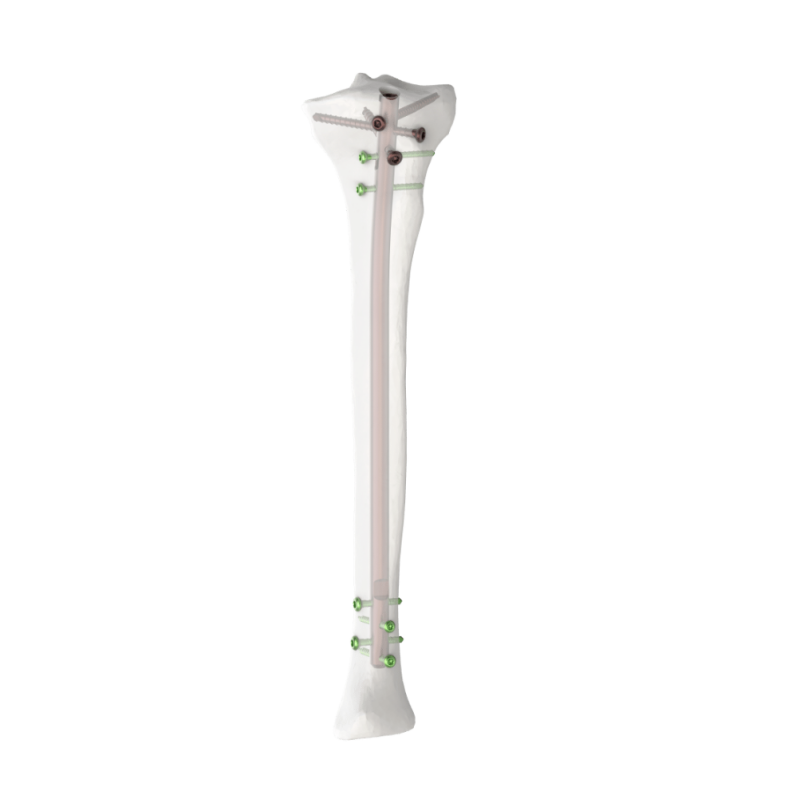
Surgical Technique: Follow established surgical techniques for plate application, including proper alignment with the bone and secure fixation using appropriate screws. Maintain awareness of anatomical structures to avoid complications.
Postoperative Assessment: After installation, conduct postoperative imaging to confirm proper placement and assess for any complications. Regular follow-ups should be scheduled to monitor healing and plate integrity.
Training and Best Practices: Ensure that surgical teams are trained in the latest techniques and best practices for installing titanium surgical plates. Continuous education can enhance surgical outcomes.
By adhering to these guidelines, medical professionals can improve the success rates of surgeries involving titanium surgical plates.
Despite their advantages, Aoye titanium surgical plates may encounter specific challenges. Here are common problems and potential solutions:
Plate Migration: Inadequate fixation or improper sizing can lead to plate migration. To address this, ensure that the plate is correctly sized and securely fastened with appropriate screws. Regular monitoring can also help detect early signs of migration.
Corrosion: Although titanium is highly resistant to corrosion, exposure to certain environments can lead to issues. Using high-quality materials and ensuring proper surface treatments can mitigate this risk.
Non-Union of Fractures: In some cases, fractures may not heal properly despite plate installation. This can be due to poor bone quality or inadequate stabilization. Engaging in a comprehensive preoperative evaluation and considering supplementary fixation methods can enhance healing.
Screw Loosening: Over time, screws may loosen due to cyclic loading or inadequate torque during installation. Surgeons should be trained in proper torque protocols, and follow-up assessments should be conducted to monitor stability.
Infection: Surgical site infections remain a concern. Employing stringent sterilization protocols and using antibiotics as recommended can reduce infection rates.
By understanding these common issues and implementing effective solutions, healthcare providers can enhance the reliability and performance of surgical tool set in patient care.
Aoyujian Medical Technology provides trusted orthopedic solutions, high-quality implants, OEM/ODM services, and global shipping for hospitals & distributors.
No. 2 Changting Road, Gehu Farm, Wujin Economic Development Zone, Changzhou, Jiangsu, China
Copyright © Aoyujian Medical Technology (Changzhou) Co., Ltd. All Rights Reserved - Privacy Policy - Blog
 EN