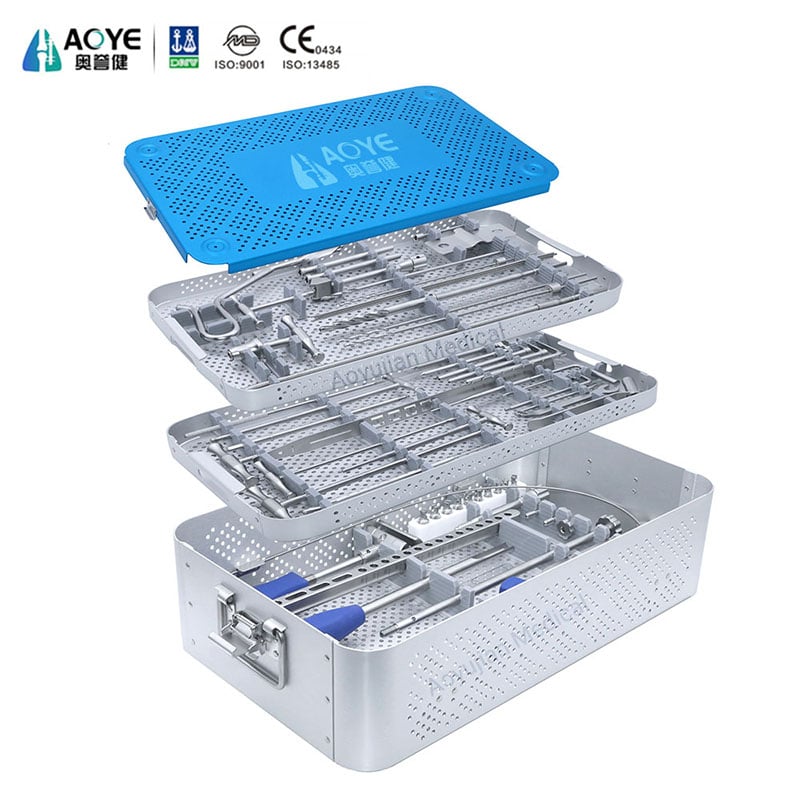
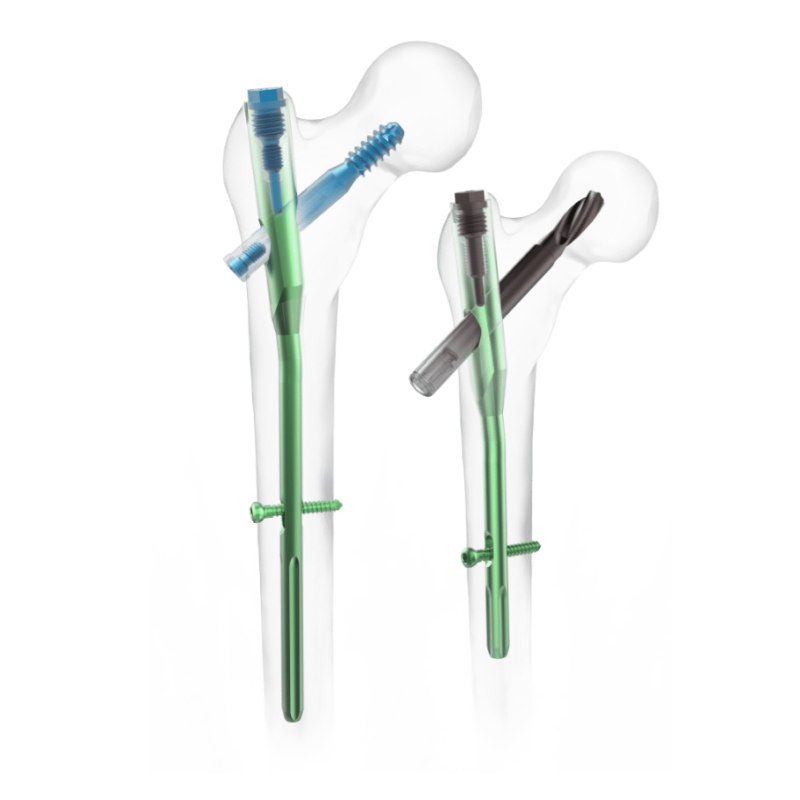
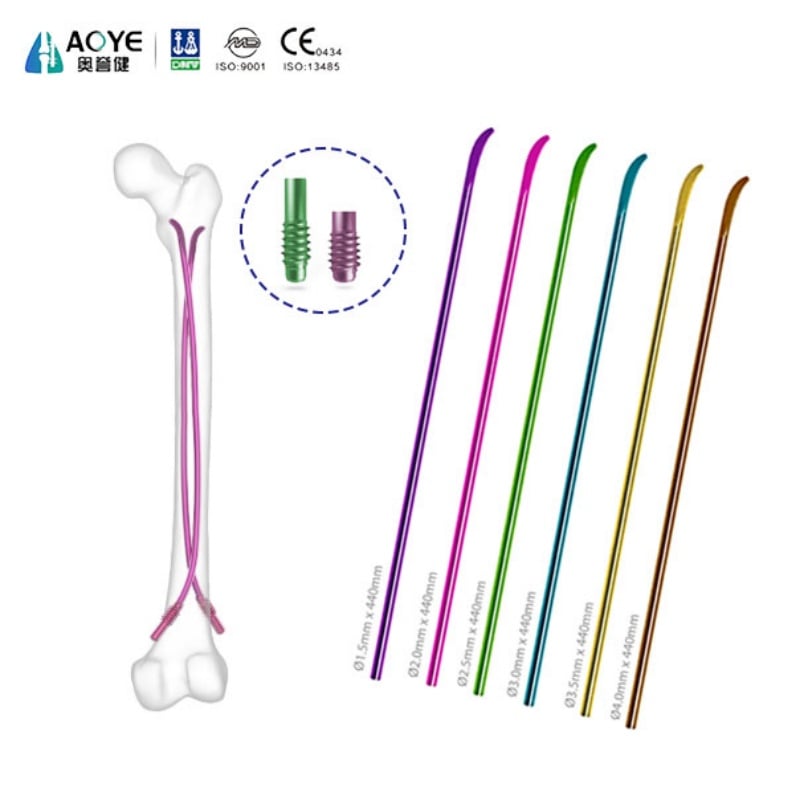
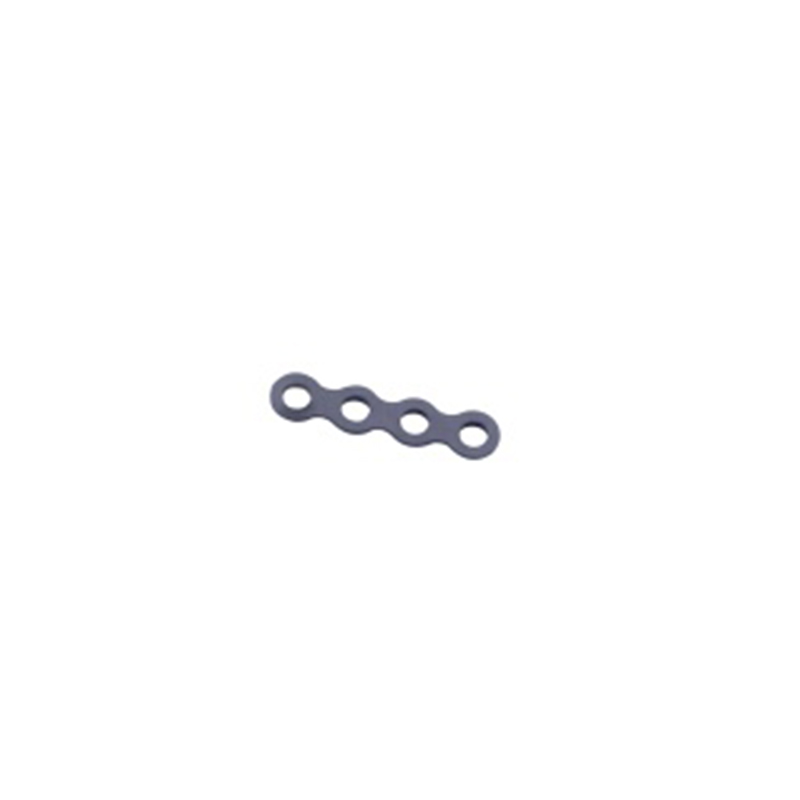
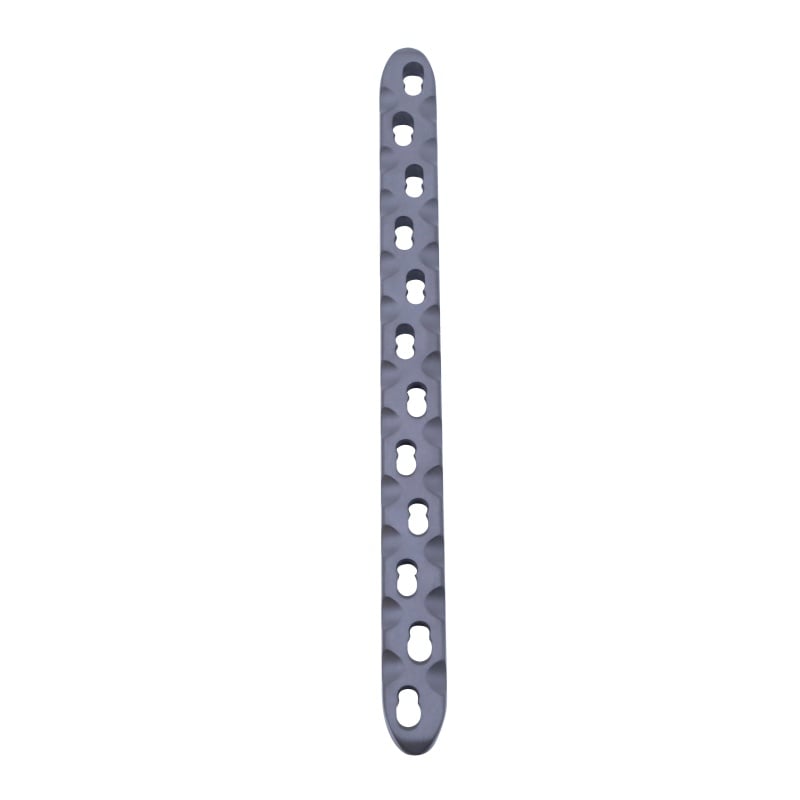
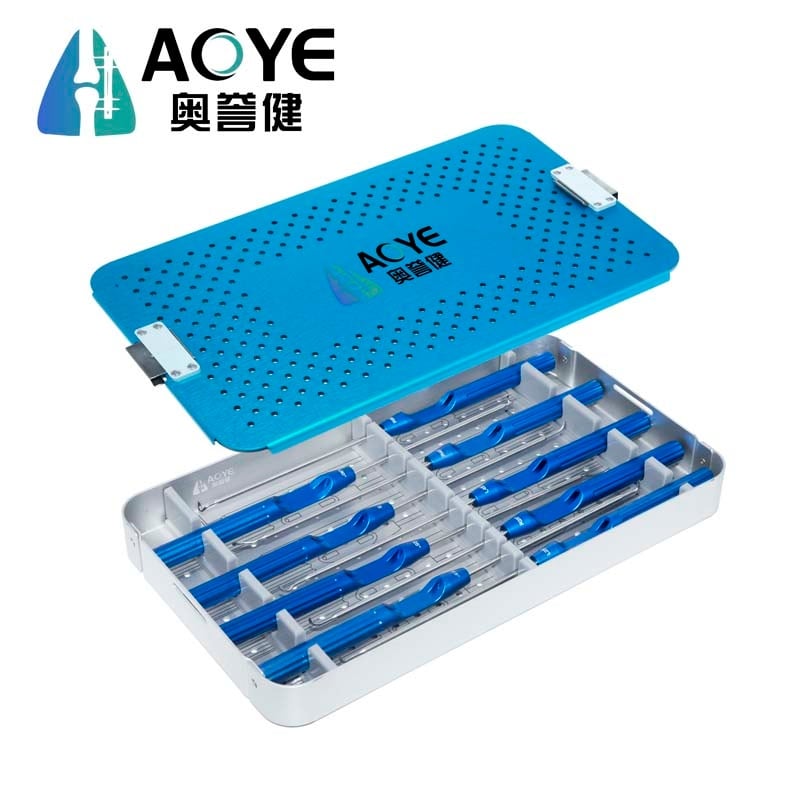
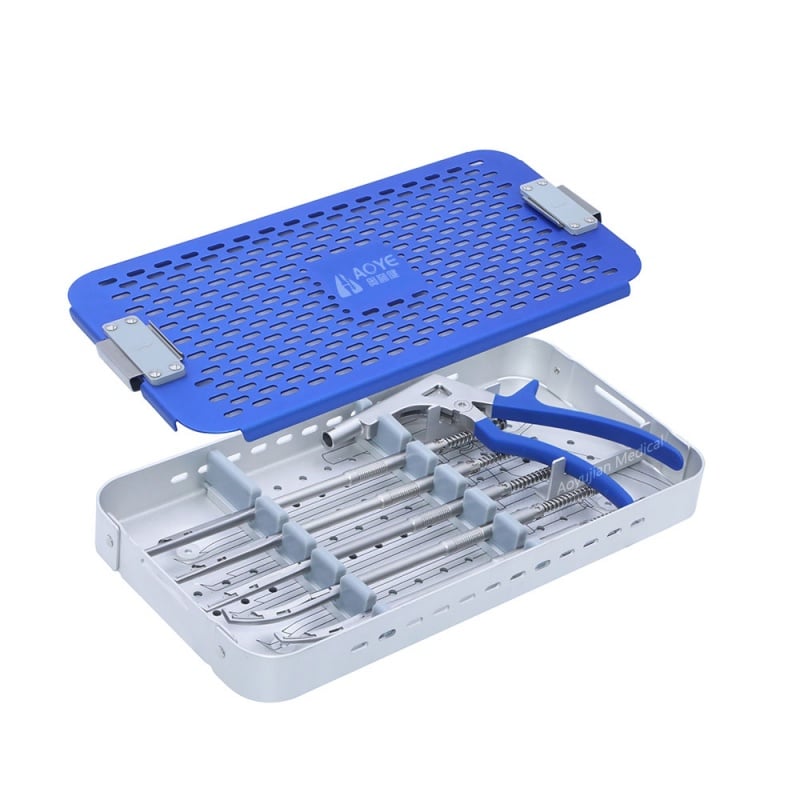
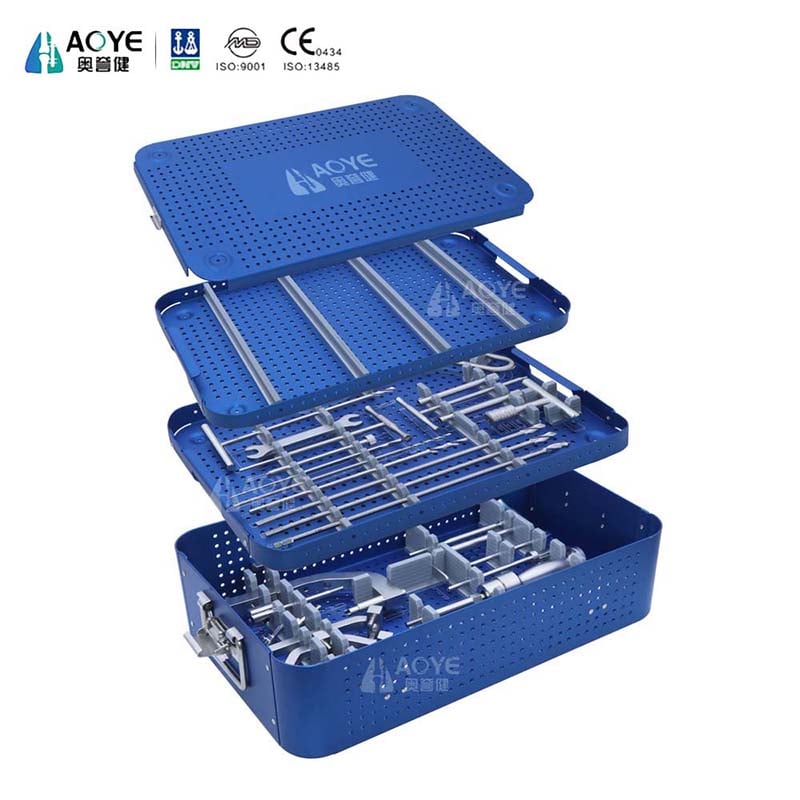
The Ilizarov external fixator is a specialized orthopedic device used to stabilize and support fractured bones during the healing process. This device is particularly critical for complex fractures, limb lengthening, and correction of bone deformities. B2B buyers, such as purchasing managers and medical distributors, often have concerns about product quality, compatibility, and supplier reliability. This article will provide insights into selecting the right Ilizarov external knee spanning external fixator, evaluating suppliers, understanding technical specifications, addressing common issues, and ensuring quality for optimal patient outcomes.
When selecting an Ilizarov external fixator, the first step is to consider the specific clinical application. Different models are designed for various therapeutic needs, such as limb lengthening, fracture stabilization, or treating bone deformities. It's crucial to engage with orthopedic specialists to determine the appropriate model based on patient conditions.
Another important factor is the size and configuration of the orthopedic external fixator. The dimensions should match the anatomical requirements of the patient, as an ill-fitted device can lead to complications like infection or improper healing. Additionally, assess the weight of the device, as lighter options may be preferable for patient comfort during recovery.
Customization options are also worth exploring. Many suppliers, including Aoyujian Medical, offer tailored solutions that allow for specific adjustments based on unique patient needs. This flexibility can enhance the effectiveness of the treatment and improve overall patient satisfaction.
Finding a reliable wholesale supplier for Ilizarov external fixators is essential for ensuring consistent quality and availability. Start by evaluating suppliers that have a strong reputation in the orthopedic field. Look for manufacturers with certifications, such as ISO13485 and CE, which indicate adherence to quality management systems and regulatory standards.
Consider suppliers that have a proven track record in exporting to various markets. Aoyujian Medical, for instance, serves partners in 45 countries, demonstrating their capability to meet diverse international demands. It’s also beneficial to inquire about minimum order quantities (MOQ) and lead times, as these factors can significantly impact inventory management and cost-effectiveness.
Additionally, engage with suppliers directly to discuss customization capabilities, as well as after-sales support. This dialogue can provide insights into their responsiveness and willingness to accommodate your specific needs, which is crucial for long-term partnerships.
Quality control is paramount when dealing with medical devices such as Ilizarov external fixators. Start by examining the materials used in production. High-quality stainless steel or titanium are commonly used due to their strength, biocompatibility, and resistance to corrosion. Ensure that the supplier provides detailed material specifications, as substandard materials can compromise device integrity and patient safety.
Next, consider the manufacturer's quality control processes. A robust quality assurance system should include rigorous testing protocols during and after production. For instance, evaluating mechanical strength, fatigue resistance, and compatibility with other orthopedic devices is essential. Request documentation on quality assurance practices and ask about any third-party testing that may have been conducted.
Finally, review customer feedback and case studies that demonstrate the efficacy of the products. A supplier's ability to provide references or testimonials can be indicative of their reliability and the quality of their Ilizarov external ortho surgical instruments fixators.
Understanding the technical specifications of Ilizarov external fixators is crucial for determining their suitability for specific applications. Key specifications include:
Diameter of Pins and Rods: The diameter affects the stability of the fixator. Larger diameters generally provide greater strength but may be less comfortable for the patient. Adjustability Features: The ability to adjust the fixator allows for fine-tuning during treatment. Look for specifications detailing how adjustments can be made and the range of motion available. Weight Capacity: Ensure that the fixator can support the required load, particularly in weight-bearing applications. This specification is vital for patient safety and successful healing. Surface Treatment: The surface finish of the fixator can influence its performance in terms of biocompatibility and infection resistance. Anodized or coated surfaces may offer additional benefits.
Each specification should be evaluated in the context of the intended use. For example, a fixator designed for limb lengthening may prioritize adjustable features, while one for fracture stabilization may focus on strength.
While Ilizarov external fixators are effective, several common issues may arise during their use. One frequent problem is infection at the pin sites. To mitigate this risk, ensure that the fixator is made from high-quality materials and that the surgical team follows strict aseptic techniques during insertion.
Another issue is discomfort or pain experienced by the patient. This can often be alleviated by ensuring that the fixator is properly fitted and that weight-bearing restrictions are clearly communicated. Regular follow-ups can help identify any problems early on, allowing for timely interventions.
Additionally, if the device exhibits signs of loosening or instability, it may require adjustment or replacement. Buyers should discuss these potential issues with suppliers and clarify their policies regarding warranties and after-sales support. Having a reliable contact at the supplier can facilitate quick resolutions to any problems that may arise during treatment.
In summary, understanding the intricacies of Ilizarov external fixators, from selection to quality evaluation, is essential for B2B buyers in the orthopedic field. By carefully considering the specifications, supplier options, and potential challenges, purchasing managers and distributors can make informed decisions that ultimately enhance patient care.
Aoyujian Medical Technology provides trusted orthopedic solutions, high-quality implants, OEM/ODM services, and global shipping for hospitals & distributors.
No. 2 Changting Road, Gehu Farm, Wujin Economic Development Zone, Changzhou, Jiangsu, China
Copyright © Aoyujian Medical Technology (Changzhou) Co., Ltd. All Rights Reserved - Privacy Policy - Blog
 EN