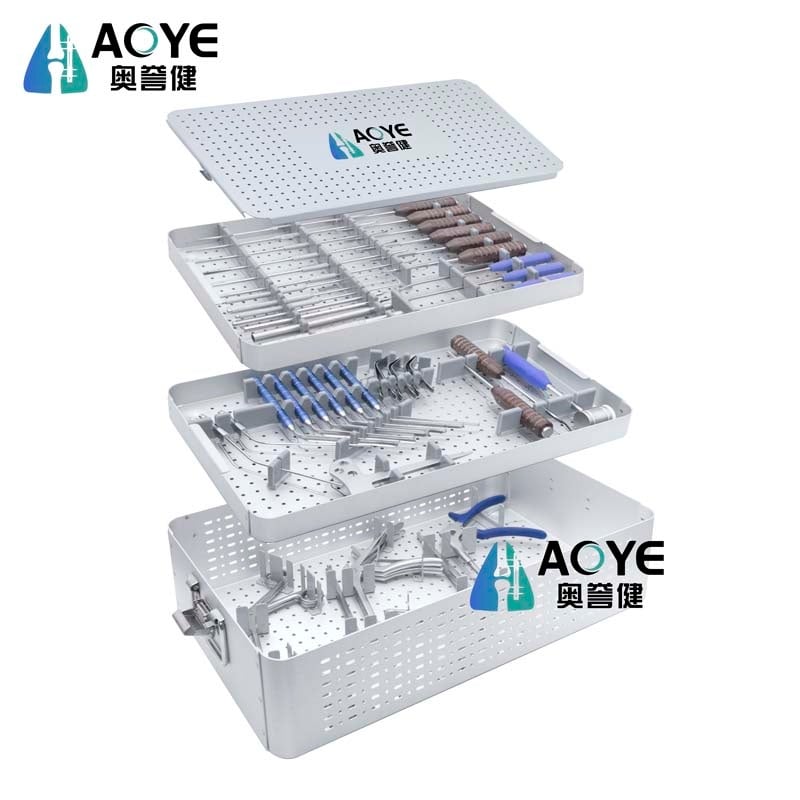
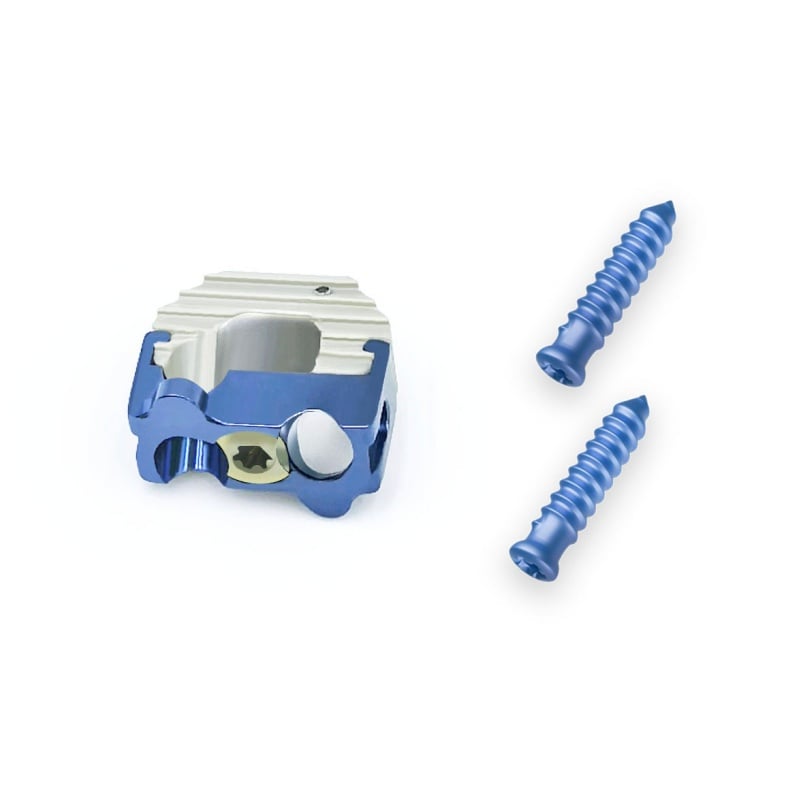
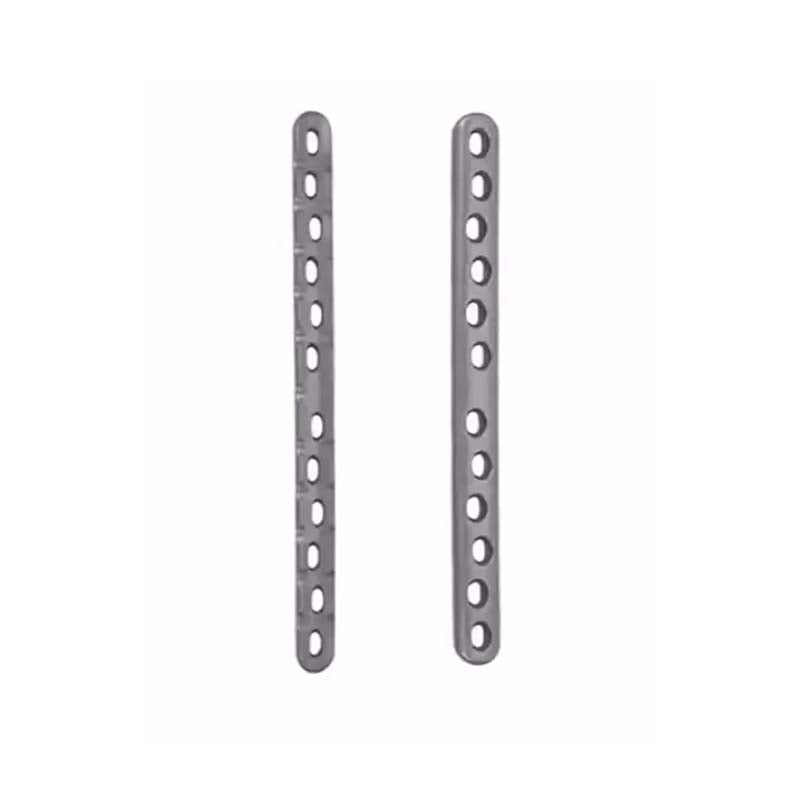
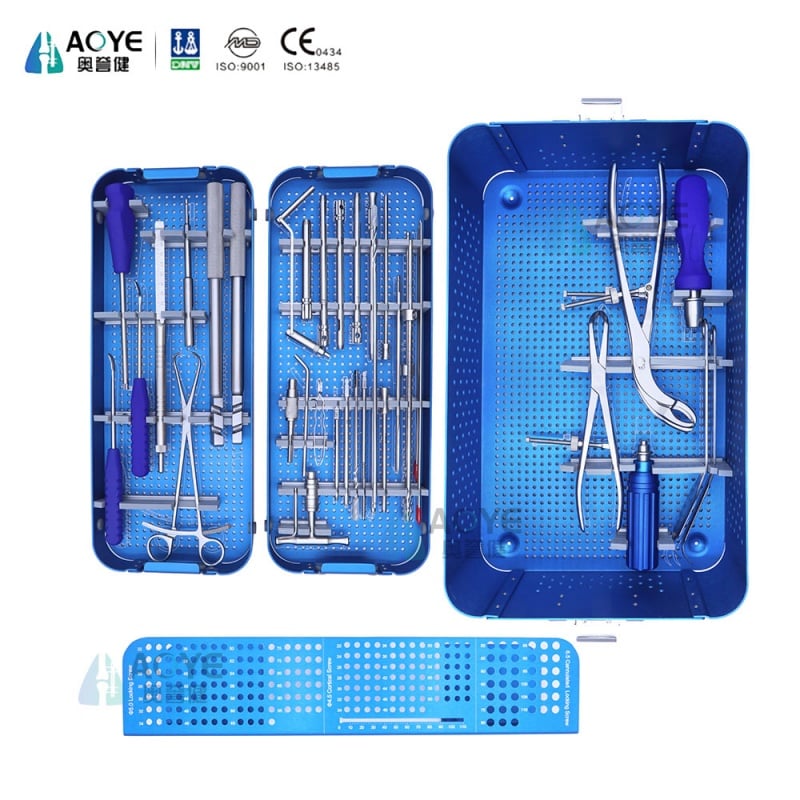
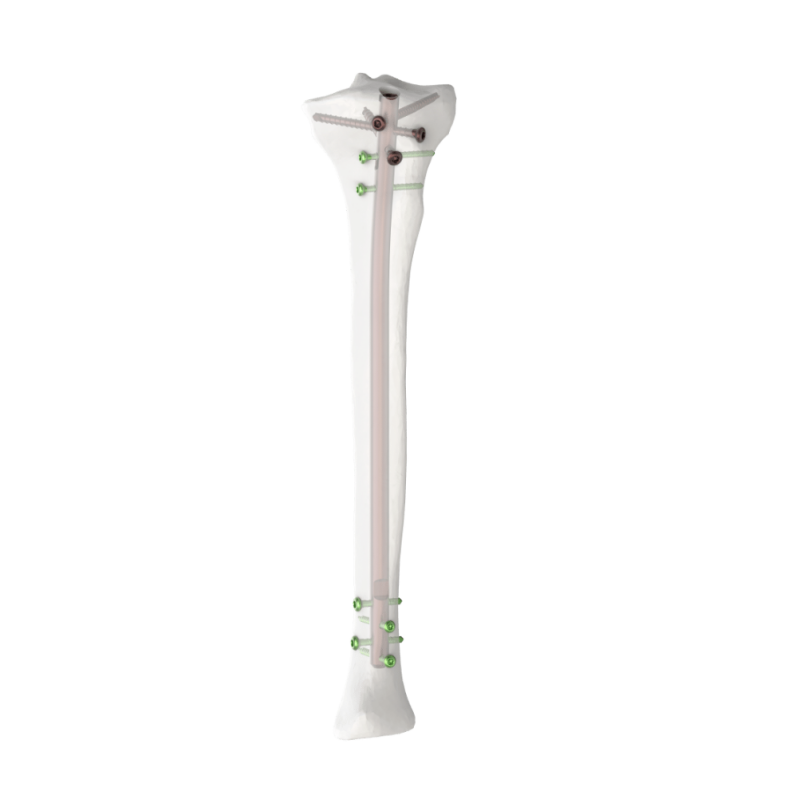
Surgical titanium screws are critical components in orthopedic procedures, utilized extensively in trauma, spine, and sports medicine applications. For B2B buyers such as purchasing managers and product specialists, the reliability, quality, and suitability of these screws are paramount in ensuring successful patient outcomes. This article aims to address key concerns around selecting reliable suppliers, evaluating quality standards, sourcing wholesale options, understanding cost factors, and recognizing the material advantages of ortho surgical instruments.
When selecting a supplier for surgical titanium screws, it's essential to consider their industry reputation and quality certifications. Look for manufacturers like Aoye, which is ISO13485 and CE certified, indicating adherence to international quality management standards in medical devices. This certification ensures that the screws meet rigorous safety and efficacy requirements.
Another critical factor is the supplier’s experience in the orthopedic industry. An established supplier with a history of serving partners across multiple countries can often provide insights into trends and best practices, ensuring you receive high-quality products that meet your specific needs. Additionally, request references or case studies to understand their customer satisfaction levels and reliability in fulfilling orders.
Lastly, evaluate their production capabilities. A supplier with advanced manufacturing equipment and stringent quality control processes is more likely to deliver consistent, high-quality products. Engaging in discussions about their production methods can provide you with confidence in their capabilities and the durability of their surgical drill bits.
Quality standards for surgical titanium screws are critical to their performance in medical applications. The primary specifications to evaluate include the material composition, surface finish, and mechanical properties. Surgical titanium screws should ideally be made from titanium alloys, such as Ti-6Al-4V, known for their strength, corrosion resistance, and biocompatibility.
Assessing the surface finish is also vital, as a smooth finish can reduce the risk of infection and improve osseointegration with bone. Consider checking for certifications that confirm the screws have undergone rigorous testing, such as fatigue and tensile strength tests, to ensure they can withstand the stresses encountered during surgical procedures.
Furthermore, buyers should be aware of any additional quality inspection processes that the supplier implements. This could include third-party testing or in-house quality assurance protocols that verify the screws meet both international and local standards. A robust quality management system is indicative of a supplier committed to maintaining high-quality products.
Sourcing wholesale Aoye surgical titanium screws can be accomplished through several channels. Directly contacting manufacturers like Aoyujian Medical is often the most reliable method, as it eliminates intermediaries and can lead to cost savings. Engaging with manufacturers allows for potential customization based on specific project requirements, such as unique dimensions or surface treatments.
Another option is to explore industry trade shows and medical device expos, where you can meet multiple suppliers, view product samples, and discuss your requirements face-to-face. This direct interaction can foster relationships that facilitate better terms and conditions for bulk orders.
Online B2B marketplaces can also serve as a resource for sourcing wholesale surgical titanium screws. Websites that specialize in medical devices may offer a variety of suppliers, allowing you to compare prices, quality, and delivery options. However, it is crucial to conduct due diligence on these suppliers, verifying their certifications and reputation before placing any orders.
Understanding the cost factors associated with purchasing Aoye surgical titanium screws is vital for effective budgeting. Prices can vary based on several elements, including material quality, screw design, and manufacturing processes. For instance, custom-designed screws or those requiring specific surface treatments may incur higher costs due to the additional materials and labor involved.
Order quantity also significantly impacts pricing. Manufacturers typically offer discounts for bulk purchases, so it is worthwhile to assess your project’s needs and negotiate pricing based on expected order volumes. Additionally, consider the lead time required for production, as expedited orders may come at a premium.
Shipping costs should not be overlooked either. The destination, order size, and chosen shipping method all contribute to the final price. Ensure you clarify these details with the supplier to avoid unexpected fees. Lastly, factor in any applicable tariffs or import duties if sourcing from international suppliers, as these can significantly affect your overall expenditure.
Surgical titanium screws offer several advantages that make them ideal for orthopedic applications. One of the primary benefits is their biocompatibility, which minimizes the risk of rejection by the body. Titanium’s natural resistance to corrosion and wear ensures that these screws maintain their integrity over time, even in the challenging environments of the human body.
The lightweight nature of titanium also contributes to its appeal, as it reduces overall surgical load while providing sufficient strength. This is particularly important in procedures where precision and minimal invasiveness are crucial.
Additionally, titanium screws can be manufactured with varying surface treatments, such as anodization or coatings, that enhance their performance and osseointegration properties. These treatments can improve the interaction between the screw and surrounding bone, promoting faster healing and better outcomes.
understanding the properties, sourcing options, and quality standards of surgical drill machine is essential for any B2B buyer in the orthopedic field. By taking these considerations into account, purchasing managers and product specialists can make informed decisions that support successful surgical outcomes.
Aoyujian Medical Technology provides trusted orthopedic solutions, high-quality implants, OEM/ODM services, and global shipping for hospitals & distributors.
No. 2 Changting Road, Gehu Farm, Wujin Economic Development Zone, Changzhou, Jiangsu, China
Copyright © Aoyujian Medical Technology (Changzhou) Co., Ltd. All Rights Reserved - Privacy Policy - Blog
 EN