When sourcing titanium screws for surgery, understanding the complexities of materials, manufacturing processes, and application requirements is crucial. Titanium screws are essential components in orthopedic surgery, known for their biocompatibility and strength. As a purchasing manager or medical distributor, your primary concerns will likely include quality assurance, cost-effectiveness, and the reliability of your supplier. This article will provide insights into what to consider when sourcing titanium screws for surgery, ensuring you make informed decisions for your organization.
When sourcing titanium screws for surgical applications, several factors must be considered to ensure optimal performance and reliability. First, assess the type of titanium used, as grades vary in strength, corrosion resistance, and biocompatibility. Grade 5 titanium (Ti-6Al-4V) is commonly used in surgical applications due to its excellent mechanical properties.
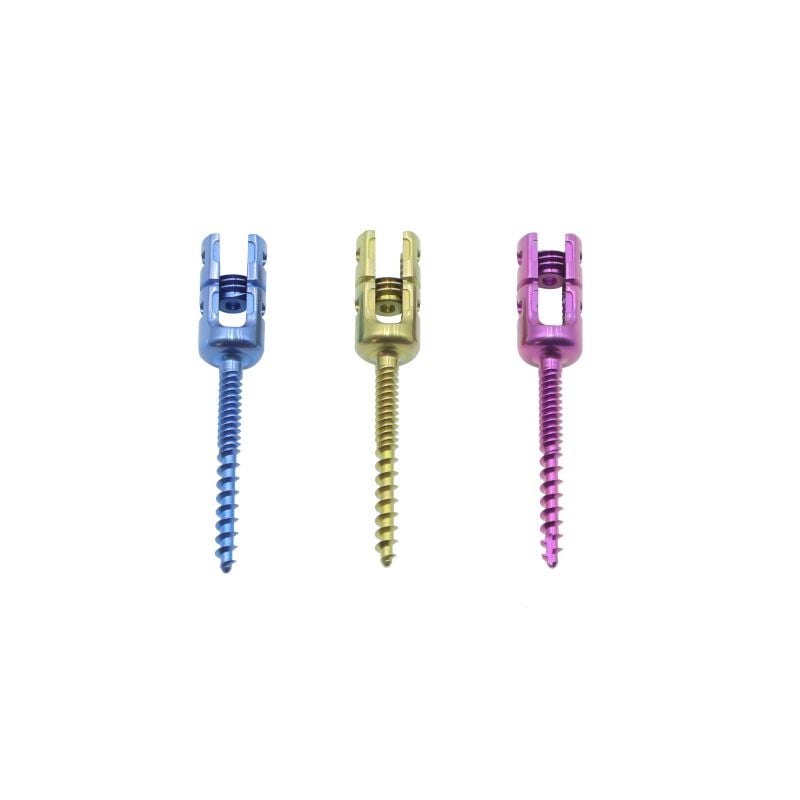
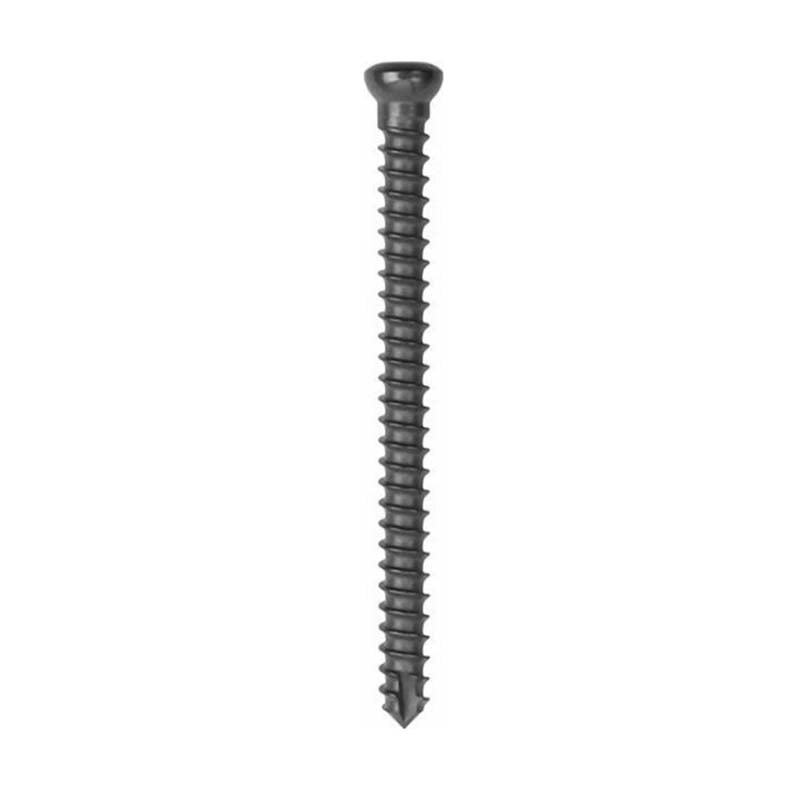
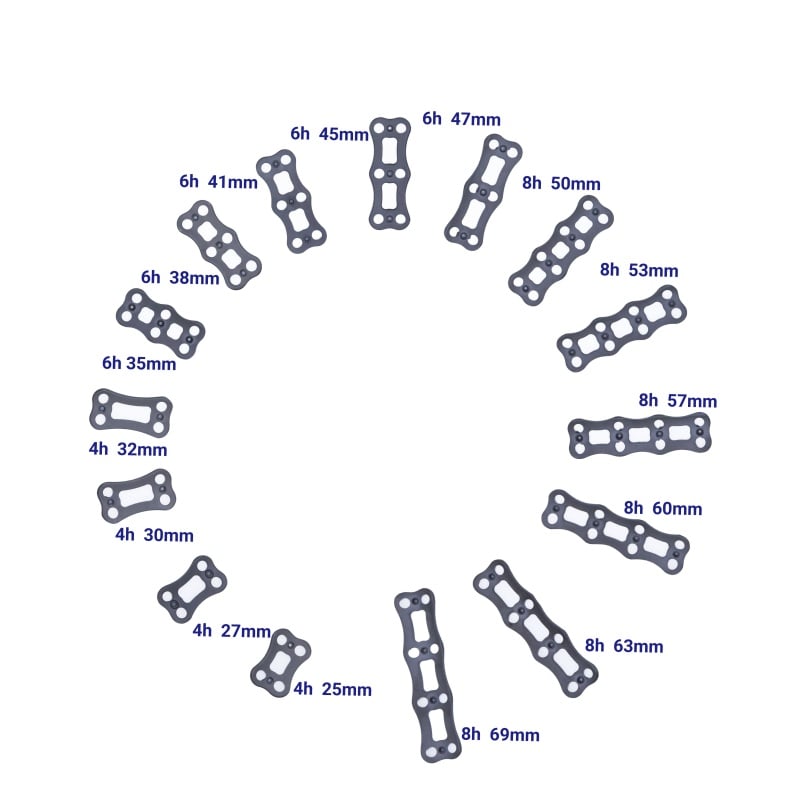
Next, consider the dimensions and design of the screws. Specifications such as diameter, length, and thread type should align with the intended surgical application. For example, screws used in spinal surgery may require specific thread designs to enhance grip in bone.
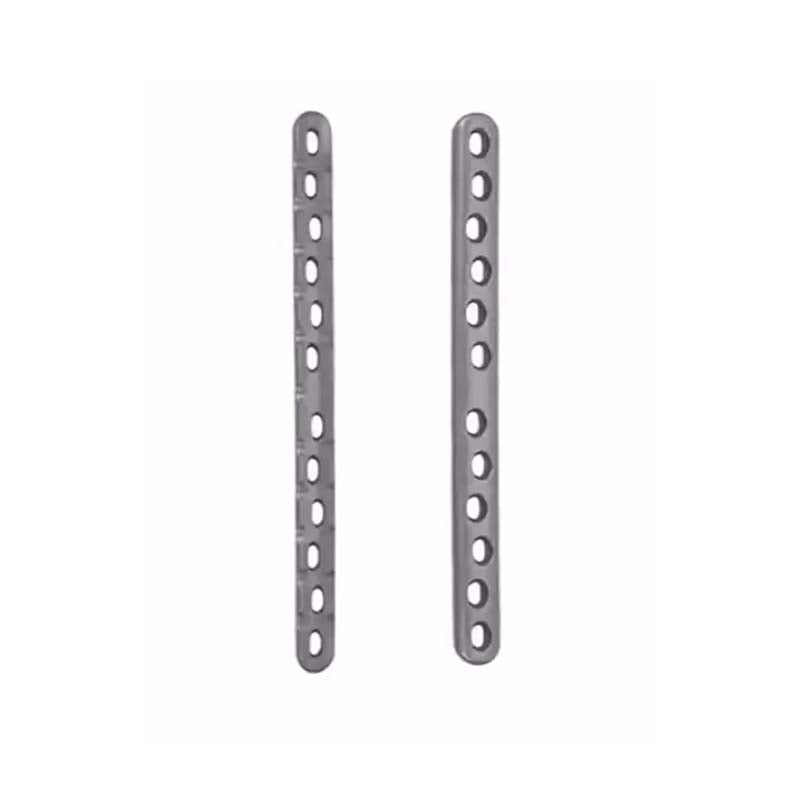
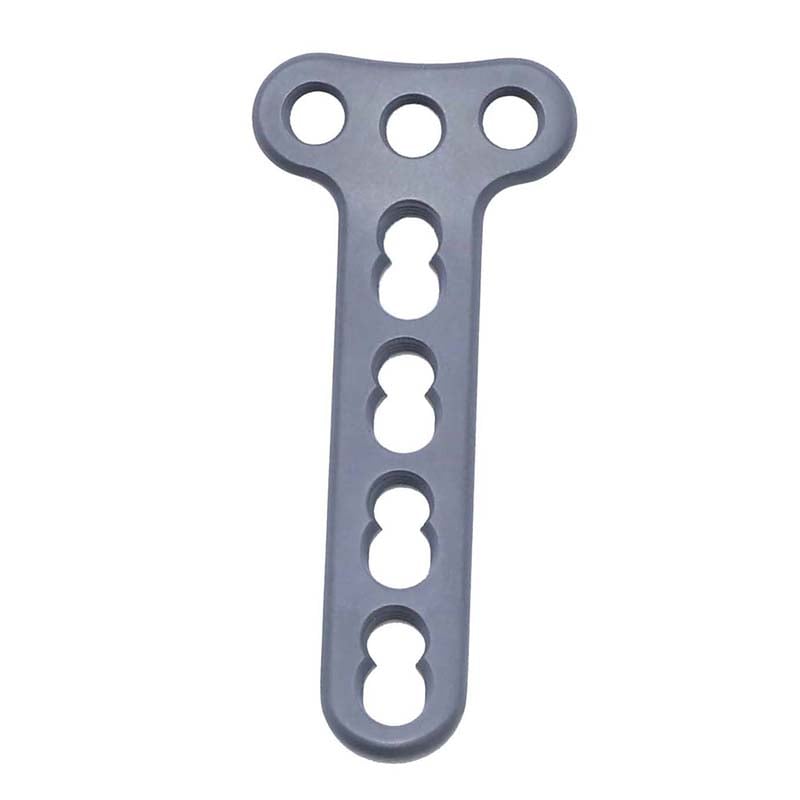
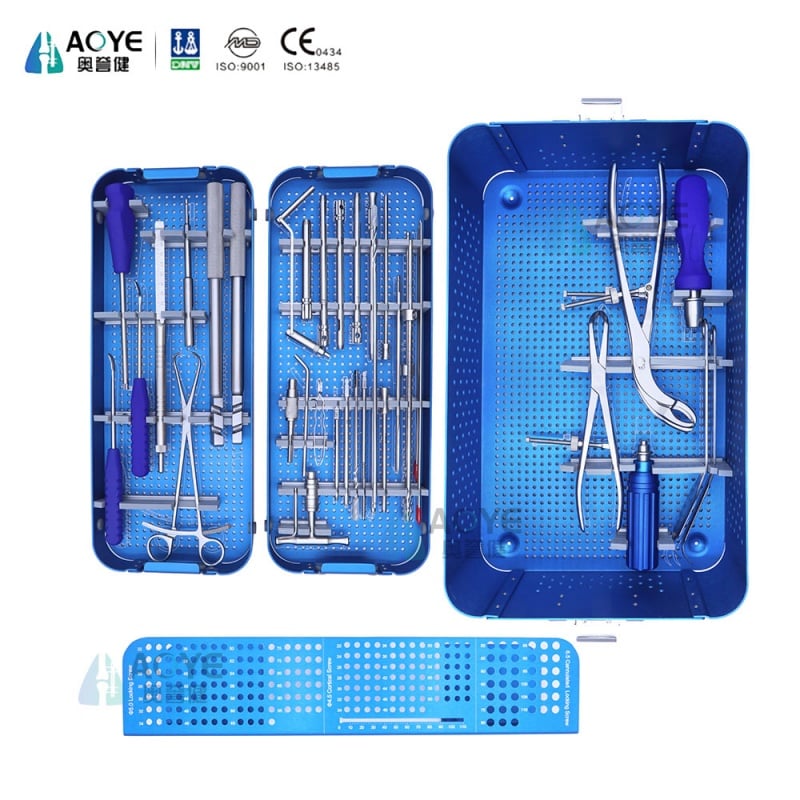
Additionally, evaluate the supplier's manufacturing capabilities. A manufacturer with ISO13485 certification, like Aoyujian Medical, demonstrates compliance with international quality management standards for medical devices. This certification ensures that the locking screw plate are produced in a controlled environment, reducing the risk of contamination and defects.
Finally, inquire about customization options. Depending on the surgical procedure, you may need screws tailored to specific requirements. A qualified manufacturer should be able to accommodate such requests, providing flexibility in your sourcing strategy.
Quality control is paramount in the manufacturing of titanium screws for surgical applications. The production process should include stringent measures to ensure that each screw meets the required standards. Key quality control steps include:
Material Inspection: Before production, raw titanium should undergo rigorous testing for composition and mechanical properties. This ensures that only high-grade materials are used.
Process Monitoring: Throughout the manufacturing process, parameters such as temperature and pressure should be continuously monitored. Any deviation from established standards can compromise the integrity of the intramedullary hip screw.
Dimensional Verification: Each batch of screws should be subjected to dimensional checks to confirm compliance with specified tolerances. This step is crucial for ensuring proper fit and function during surgery.
Final Testing: After production, screws should undergo final testing, which may include tensile strength tests and fatigue testing. This helps confirm that the screws can withstand the stresses encountered during surgical procedures.
By prioritizing these quality control measures, manufacturers can significantly reduce the risk of product failures and enhance patient safety.
When evaluating the cost factors for titanium screws, especially for bulk orders, several elements come into play. First, assess the price per unit, which can vary significantly based on material grade and design complexity. For instance, custom designs may incur additional costs compared to standard screws.
Next, consider the total cost of ownership. This includes not only the purchase price but also shipping costs, potential tariffs for international orders, and any additional fees for expedited production or delivery. It's essential to factor in these costs to obtain an accurate picture of your budget.
Another key factor is the minimum order quantity (MOQ). Manufacturers typically set an MOQ to ensure production efficiency. Understanding the MOQ can help you plan your purchases and avoid excess inventory.
Lastly, evaluate the payment terms and lead times offered by the supplier. Flexible payment conditions and reasonable lead times can significantly impact your project timeline and cash flow management.
Even with stringent quality control measures, issues can arise with titanium screws during manufacturing and application. Common problems include:
Surface Defects: Scratches or imperfections on the screw surface can compromise biocompatibility. To mitigate this, ensure that the manufacturer implements thorough surface finishing processes and performs visual inspections before packaging.
Corrosion Resistance: If screws are not adequately treated or coated, they may suffer from corrosion over time. Discuss with your supplier the surface treatments available, such as anodizing, which can enhance corrosion resistance.
Incorrect Dimensions: Variations in cervical pedicle screw dimensions can lead to fit issues during surgical procedures. To avoid this, always request and review detailed specifications and dimensional drawings prior to placing an order.
Material Degradation: Over time, titanium screws may degrade due to environmental factors. Ensure that the selected material is appropriate for the intended application and that the manufacturer provides guidance on storage and handling to prevent degradation.
Addressing these common problems with proactive measures and clear communication with your supplier will help ensure the reliability of titanium screws in surgical applications.
Titanium screws are widely used in various orthopedic procedures due to their unique properties. In orthopedic surgery, they are primarily employed in the fixation of bones during fracture repair and spinal surgeries. Their biocompatibility minimizes the risk of rejection, making them ideal for long-term implantation.
Beyond orthopedic applications, titanium screws are increasingly used in dental implants, where they provide a stable foundation for prosthetics. Their strength and resistance to corrosion make them suitable for environments within the human body.
Additionally, titanium screws have found applications in sports medicine, where they are used to repair ligaments and tendons. Their lightweight nature and strength are advantageous in restoring functionality while minimizing additional weight on the body.
As a result, sourcing high-quality titanium screws can significantly impact surgical outcomes and patient satisfaction. Understanding their applications will aid in making informed purchasing decisions that align with specific medical needs.
Aoyujian Medical Technology provides trusted orthopedic solutions, high-quality implants, OEM/ODM services, and global shipping for hospitals & distributors.
No. 2 Changting Road, Gehu Farm, Wujin Economic Development Zone, Changzhou, Jiangsu, China
Copyright © Aoyujian Medical Technology (Changzhou) Co., Ltd. All Rights Reserved - Privacy Policy - Blog
 EN