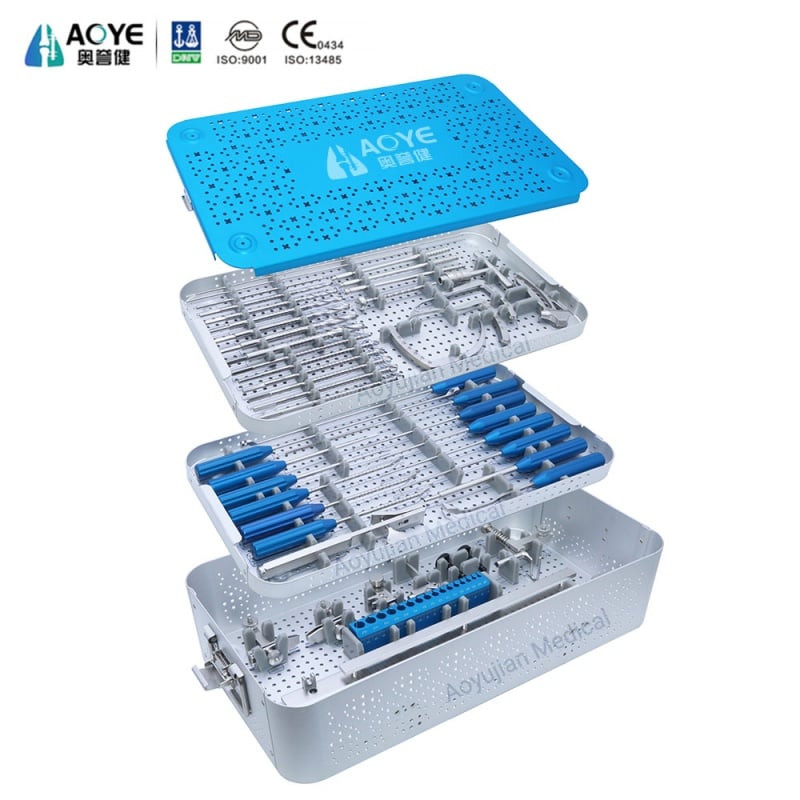
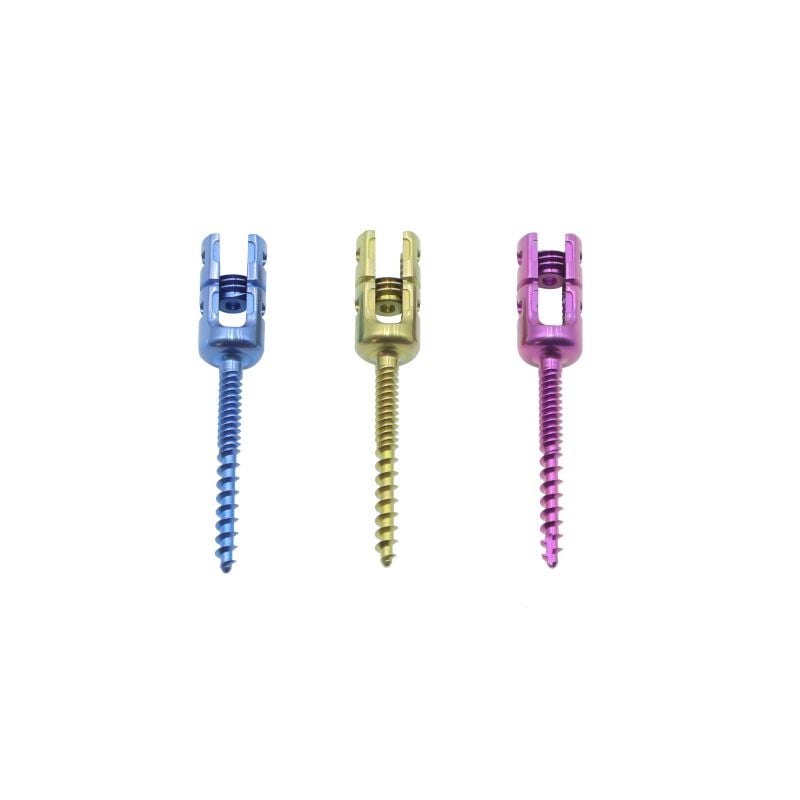
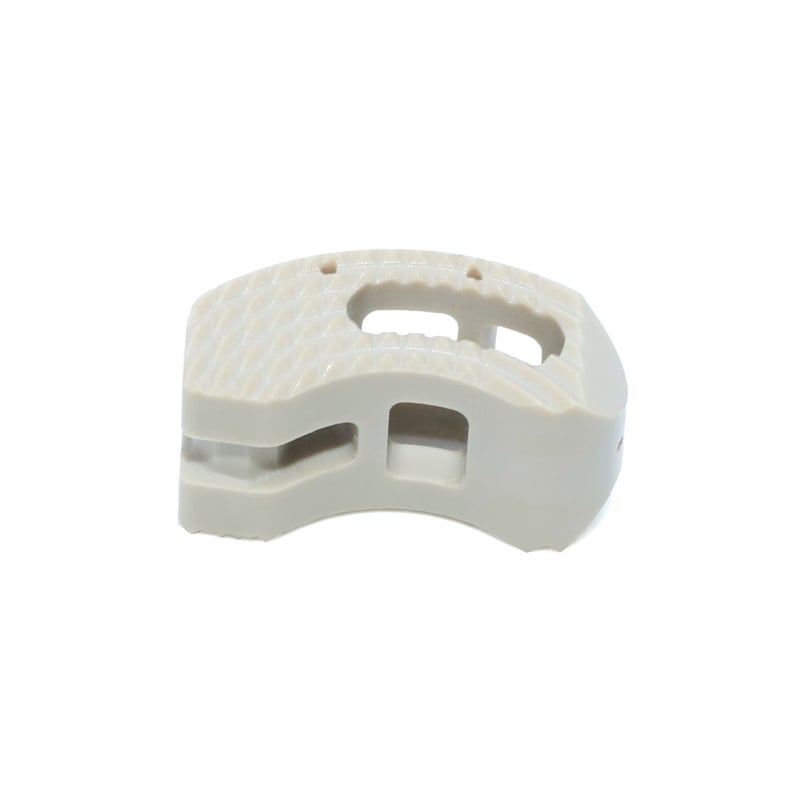
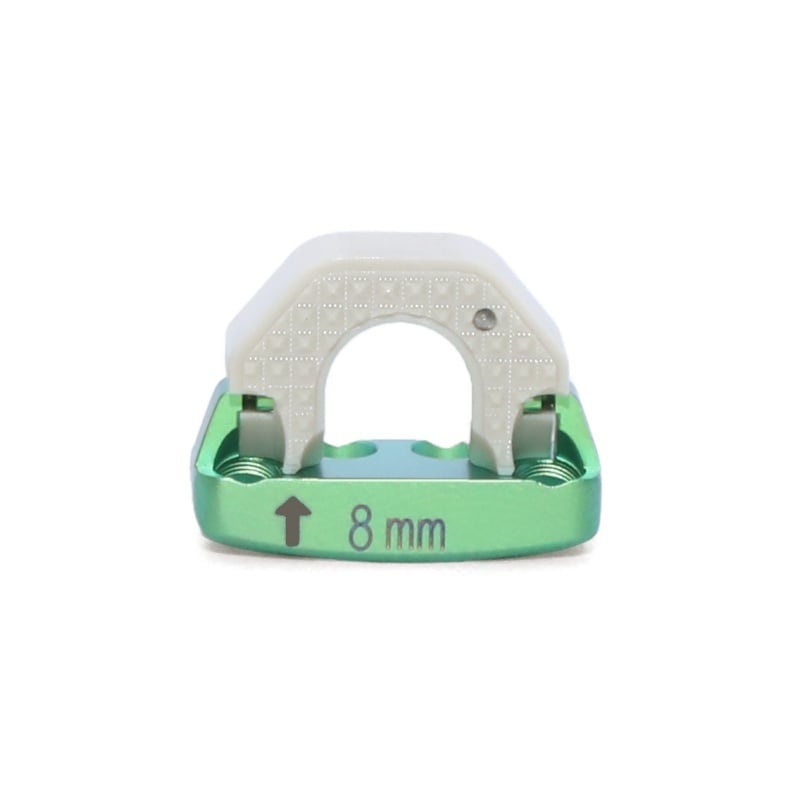
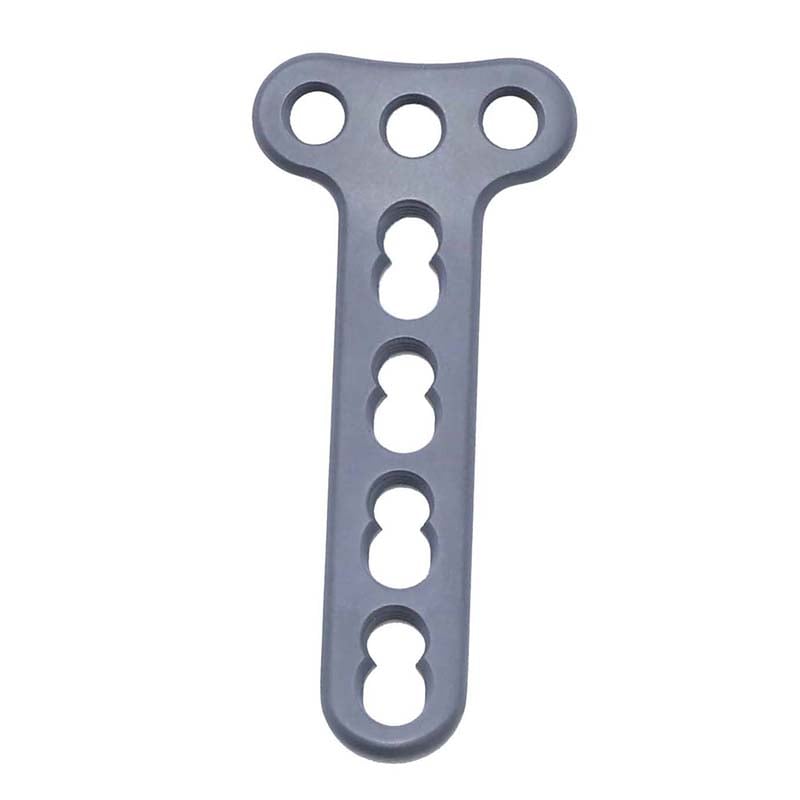
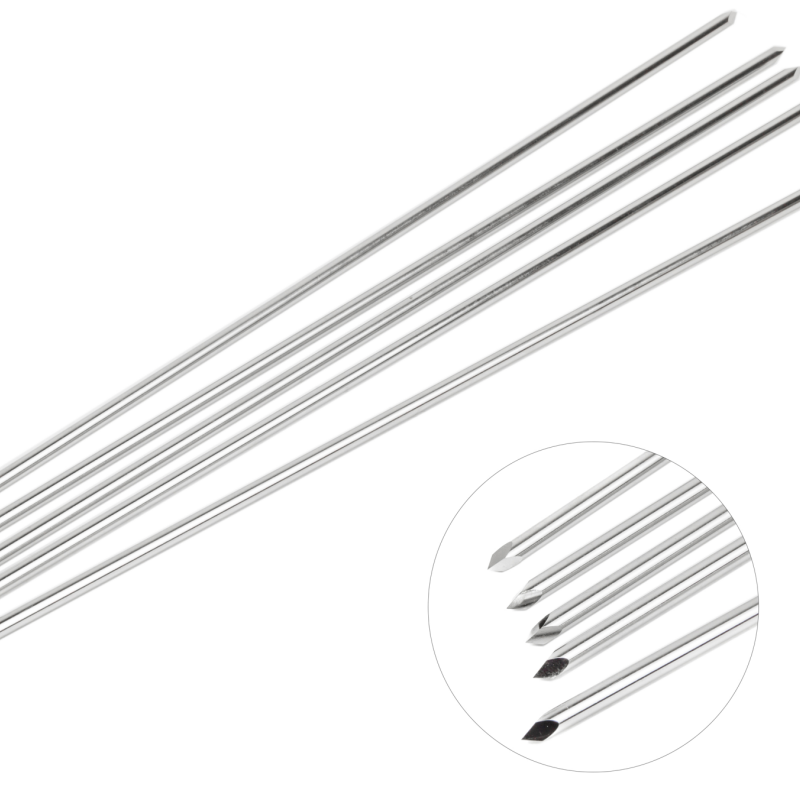
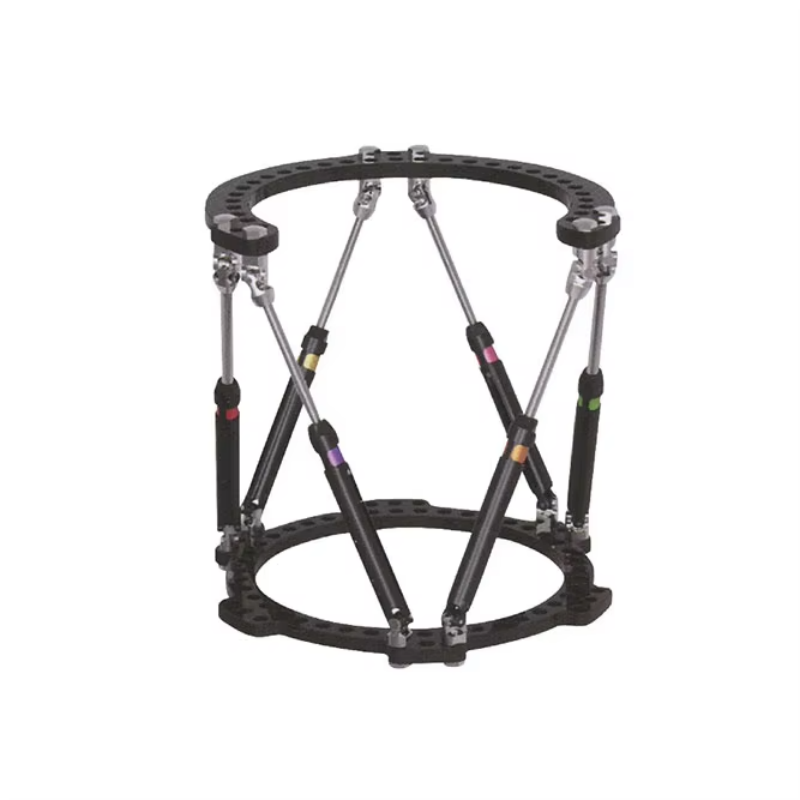
In the realm of orthopedic surgery, metal plates play a crucial role in leg surgery applications, providing the necessary support and stability for fractured bones. Understanding the specifications, selection process, and sourcing of these metal plates is essential for purchasing managers, orthopedic surgeons, and medical distributors. , we will explore the key aspects of distal humerus plate in leg surgery, including specifications, selection criteria, quality considerations, and cost factors, helping you make informed decisions for your surgical needs.
Metal plates used in leg surgery are designed to stabilize bone fractures and facilitate healing. Key specifications include material type, thickness, dimensions, and surface treatment.
Material Type: Most orthopedic metal plates are made of stainless steel or titanium. Stainless steel is known for its strength and corrosion resistance, while titanium offers a higher strength-to-weight ratio and excellent biocompatibility. The choice of material can significantly affect the plate's performance and compatibility with the patient's body.
Thickness and Dimensions: The thickness of the plate should be appropriate for the fracture type and location. For example, thicker plates may be required for weight-bearing areas, while thinner plates might suffice for non-load-bearing applications. Accurate dimensions are crucial to ensure proper fit and alignment with the bone structure.
Surface Treatment: Many plates undergo surface treatments, such as anodizing or coating, to enhance corrosion resistance and improve biocompatibility. These treatments can affect how the plate interacts with surrounding tissues and influence healing outcomes.
Understanding these specifications helps buyers select the right metal plates tailored to specific surgical requirements.
Selecting the right metal plate for leg surgery involves evaluating various factors, including the type of fracture, patient-specific anatomy, and surgeon preferences.
Type of Fracture: Different fractures require different stabilization techniques. For example, a comminuted fracture may benefit from a locking plate system that provides angular stability, while a simple fracture might be adequately treated with a standard plate.
Patient Anatomy: Each patient's anatomy is unique, and the plate must conform to the specific bone structure for effective stabilization. Consideration of factors such as bone density and size is critical in making the appropriate selection.
Surgeon Preference: Surgeons often have preferred brands or types of plates based on their experience and success rates. Engaging with surgeons during the selection process ensures that the proximal humerus plates chosen plates align with established surgical protocols.
Customization Options: Many manufacturers, including Aoyujian Medical, offer customization capabilities for plates to meet specific surgical needs. Customization may involve adjusting dimensions, incorporating specific features, or providing unique surface treatments.
By assessing these factors, buyers can ensure they choose the most suitable metal plates for leg surgery applications.
When sourcing metal plates for leg surgery, quality, reliability, and compliance with industry standards are paramount. Buyers should consider the following aspects:
Manufacturer Certifications: Ensure that the manufacturer holds relevant certifications such as ISO 13485 or CE marking, which indicate adherence to quality management systems and regulatory compliance. Aoyujian Medical, for instance, is ISO 13485/CE certified, ensuring their products meet international quality standards.
Quality Control Processes: Investigate the manufacturer's quality control measures, including material testing, dimensional verification, and post-production inspections. Reliable manufacturers implement robust quality assurance processes to minimize defects and ensure product consistency.
Supply Chain Reliability: Evaluate the locking proximal humerus plate manufacturer's ability to deliver products consistently and on time. This includes assessing their production capacity, lead times, and logistics capabilities. A manufacturer with a strong track record in exporting to multiple countries may provide additional assurance of reliability.
Customer Support and Communication: Strong communication with suppliers is essential for addressing any concerns or questions during the sourcing process. Look for manufacturers that offer responsive customer support and technical assistance.
By focusing on these sourcing considerations, buyers can select suppliers that provide high-quality metal plates for leg surgery.
When comparing metal plates for leg surgery, consider several key factors to ensure an informed decision:
Performance Characteristics: Examine how each plate design performs under various load conditions and its ability to maintain stability during the healing process. Look for data from clinical studies or manufacturer testing that highlights performance metrics.
Compatibility with Surgical Techniques: Consider whether the plates are compatible with the intended surgical techniques. For instance, locking plates may require specific screws and instrumentation, so ensure compatibility with existing surgical tools.
Cost vs. Quality: While cost is an important factor, it should not compromise quality. A lower-priced plate may save initial costs but could lead to complications or reoperations, resulting in higher overall expenses.
User Feedback: Seek feedback from surgeons and medical professionals who have experience with the plates being considered. Their insights can provide valuable information on ease of use, surgical outcomes, and patient recovery.
Warranty and Support: Check if the manufacturer offers a warranty or support for their products. A solid warranty can provide peace of mind regarding product reliability and performance.
By evaluating these factors, buyers can make more informed comparisons and select the most appropriate metal plates for their surgical needs.
When planning bulk orders of metal plates for leg surgery, several cost considerations come into play:
Volume Discounts: Many manufacturers offer discounts based on order volume. When placing larger orders, buyers should inquire about available pricing structures, as these can lead to significant cost savings.
Shipping and Handling Costs: Factor in shipping costs when calculating the total expense of the order. These costs can vary based on the destination, delivery speed, and packaging requirements.
Lead Times and Inventory Management: Consider lead times for production and delivery. Longer lead times may necessitate maintaining higher inventory levels, impacting overall costs. Effective inventory management can help balance these factors.
Customization Costs: If customization is required for the metal plates, assess any additional costs associated with producing specialized designs or features. Ensure that the benefits of customization justify the added expense.
Quality Assurance: Investing in higher-quality plates may lead to better surgical outcomes and fewer complications, ultimately saving costs associated with reoperations or extended patient care.
By carefully evaluating these cost factors, buyers can optimize their purchasing strategy for bulk orders of metal plates, ensuring both quality and financial efficiency.
Aoyujian Medical Technology provides trusted orthopedic solutions, high-quality implants, OEM/ODM services, and global shipping for hospitals & distributors.
No. 2 Changting Road, Gehu Farm, Wujin Economic Development Zone, Changzhou, Jiangsu, China
Copyright © Aoyujian Medical Technology (Changzhou) Co., Ltd. All Rights Reserved - Privacy Policy - Blog
 EN