
 EN
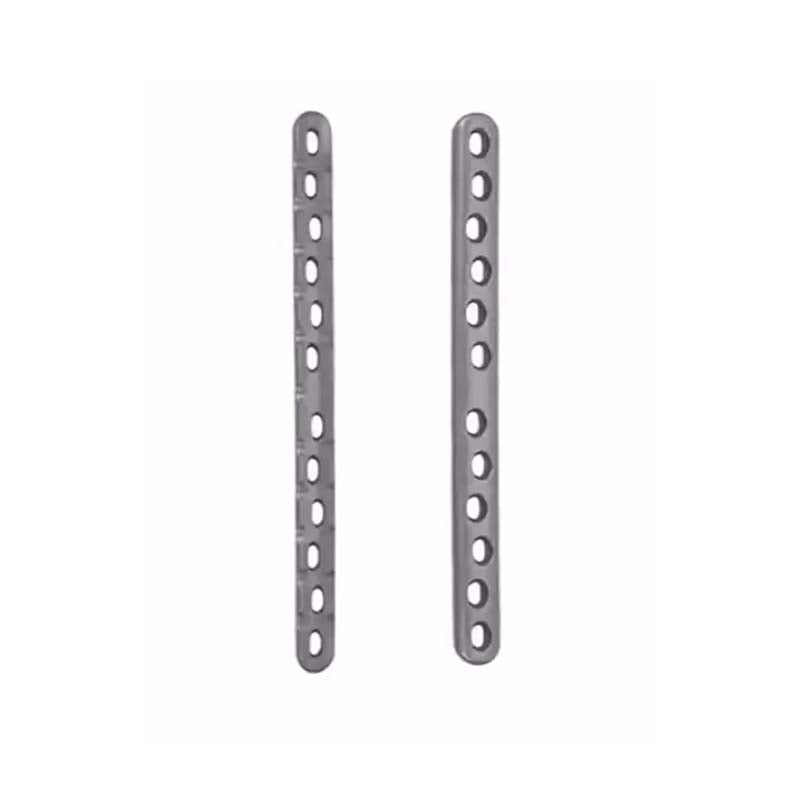
Choosing the right retrograde femoral nail system for hospitals is critical for ensuring successful surgical outcomes in orthopedic trauma cases. With numerous options available on the market, hospital purchasing managers and orthopedic teams often face challenges in selecting a system that meets their needs for quality, reliability, and cost-effectiveness. This article aims to guide you through the key considerations when evaluating retrograde femoral nail systems, including specifications, installation guidance, and common issues that may arise.
How to Choose the Right Retrograde Femoral Nail System for Hospitals?
When selecting a retrograde femoral nail system, hospitals should prioritize factors such as compatibility with existing surgical protocols, patient demographics, and specific clinical needs. Begin by evaluating the design and features of the nail system. Look for options that offer a range of diameters and lengths to accommodate various patient anatomies. Additionally, consider the weight and ease of handling of the instruments, as ease of use can significantly impact surgical efficiency.
Engaging with orthopedic surgeons during the selection process is essential. Their insights on preferred designs and materials can guide purchasing decisions. Furthermore, reviewing clinical outcomes associated with different systems can provide valuable data on their effectiveness in real-world applications.
Key Specifications to Consider When Selecting a Femoral Nail System
Several technical specifications are crucial when choosing a retrograde femoral nail system. These include:
Material Composition: Most femoral nails are made from stainless steel or titanium. Stainless steel nails are generally more robust, while titanium offers better biocompatibility and is lighter in weight. The choice between these materials may depend on the patient's specific medical conditions and the expected load on the implant.
Nail Diameter and Length: Ensuring the correct diameter and length is vital for optimal stabilization of the fracture. A mismatch can lead to complications such as malalignment or inadequate fixation. Hospitals should maintain a range of sizes to accommodate different patient anatomies.
Locking Mechanism: The locking mechanism of the nails either static or dynamic should be considered based on the type of fractures being treated. Dynamic locking allows for controlled compression, which may be beneficial for certain types of fractures.
Radiopacity: A retrograde femoral retrograde femoral nailing should be sufficiently radiopaque to allow for easy visualization under X-ray. This is particularly important during surgery for confirming proper placement.
Sterilization Method: Ensure that the femoral nail system can withstand standard sterilization processes, such as autoclaving, to maintain hygiene and patient safety.
Retrograde Femoral Nail Systems Explained
A retrograde femoral nail system is designed for the internal fixation of femoral fractures, particularly in the distal femur. This system involves inserting a nail through the femoral canal, with the entry point typically located at the knee joint. One of the key benefits of retrograde nailing is its ability to stabilize fractures while preserving blood supply to the bone, which is crucial for healing.
These systems generally consist of the intramedullary nail femur itself, locking screws, and instrumentation for insertion. The design allows for minimal soft tissue disruption, which can result in quicker recovery times for patients. Understanding the differences between available systems, including variations in diameter, locking options, and instrumentation, will assist hospitals in selecting the best fit for their surgical practices.
Installation Guidance for Retrograde Femoral Nail Systems in Hospitals
Proper installation of a retrograde femoral nail system is crucial for achieving successful surgical outcomes. Here are some key steps and considerations for hospitals:
Preoperative Planning: Review the patient's medical history and imaging studies to determine the most appropriate nail length and diameter. Preoperative planning should also include the selection of locking screws that fit the fracture type.
Surgical Technique: During surgery, ensure that the entry point is accurately identified, typically using fluoroscopic guidance. Proper alignment of the flexible nail femur is essential to avoid complications such as misalignment or excessive rotation.
Screw Insertion: Pay close attention during the insertion of locking screws to ensure they are properly placed to provide adequate stabilization. Misplaced screws can compromise fixation and lead to surgical failure.
Postoperative Care: After installation, monitor the patient for signs of complications such as infection or improper healing. Regular follow-ups and imaging can help assess the success of the implant.
Common Problems with Femoral Nail Systems and Their Solutions
Despite the advanced design of retrograde femoral nail systems, hospitals may encounter common issues during and after surgery. Here are some practical observations and solutions:
Misalignment During Insertion: A common issue is misalignment of the nail during insertion. To mitigate this, ensure that the surgical team practices proper alignment techniques and utilizes fluoroscopic guidance throughout the procedure.
Infection: Post-operative infections can occur. Implement strict sterilization protocols and monitor for signs of infection. Early intervention with antibiotics can help manage this risk.
Nonunion or Malunion: Inadequate stabilization may result in nonunion or malunion of the fracture. Ensuring proper screw placement and selecting the appropriate nail size can help prevent these complications. If they occur, further surgical intervention may be necessary.
Instrument Compatibility: Ensure that the surgical instruments used for insertion are compatible with the selected retrograde femoral nail system. Incompatibility can lead to delays and increased risk of complications.
By understanding the specifications, installation techniques, and potential challenges associated with retrograde femoral nail systems, hospitals can make informed purchasing decisions that enhance surgical outcomes and patient safety. This knowledge empowers healthcare providers to select systems that align with their operational needs and clinical goals.
Table of Contents
- How to Choose the Right Retrograde Femoral Nail System for Hospitals?
- Key Specifications to Consider When Selecting a Femoral Nail System
- Retrograde Femoral Nail Systems Explained
- Installation Guidance for Retrograde Femoral Nail Systems in Hospitals
- Common Problems with Femoral Nail Systems and Their Solutions