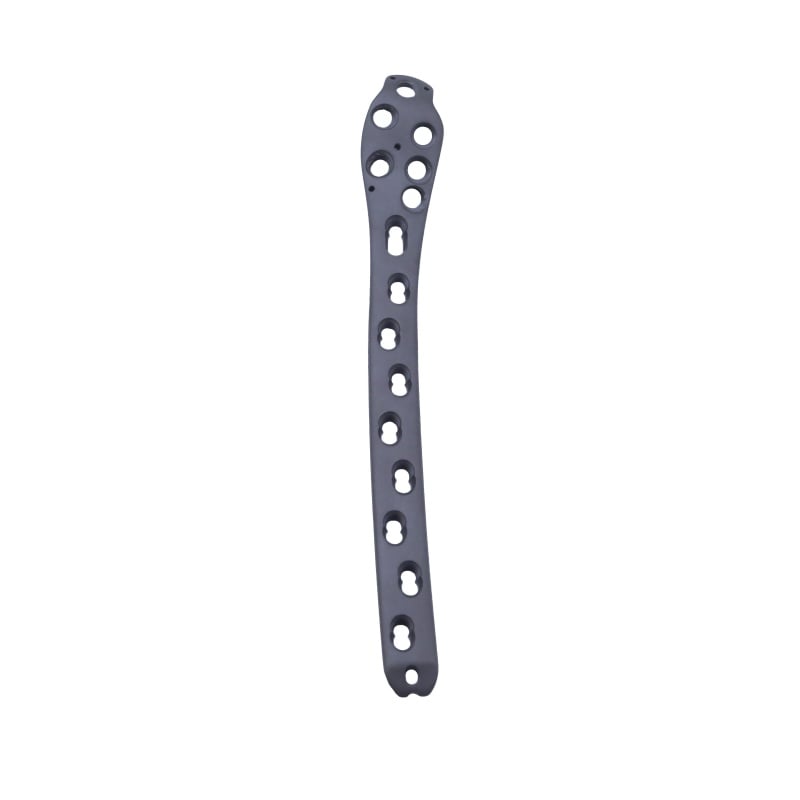
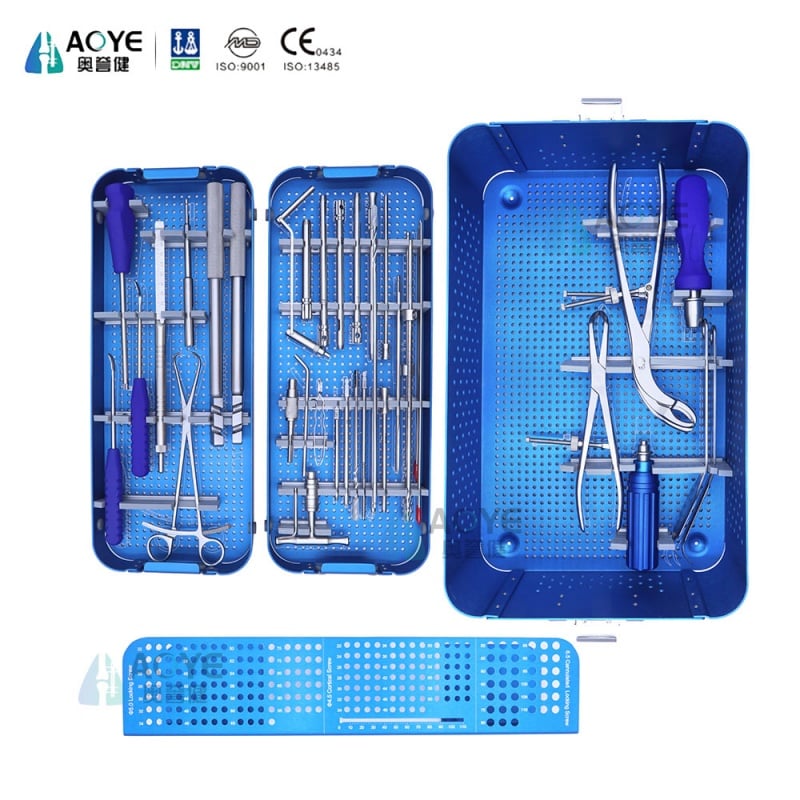
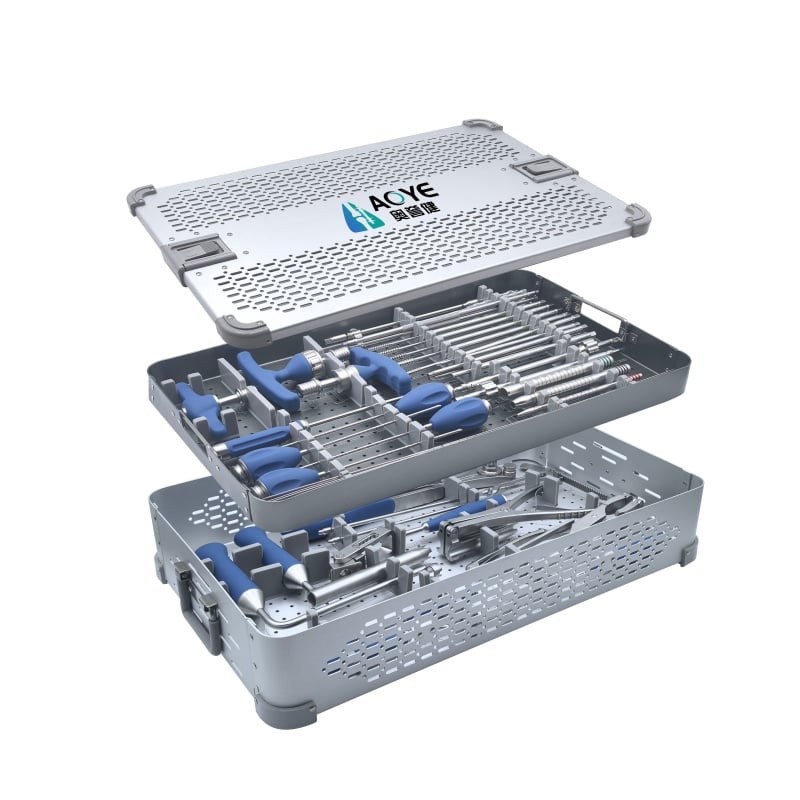
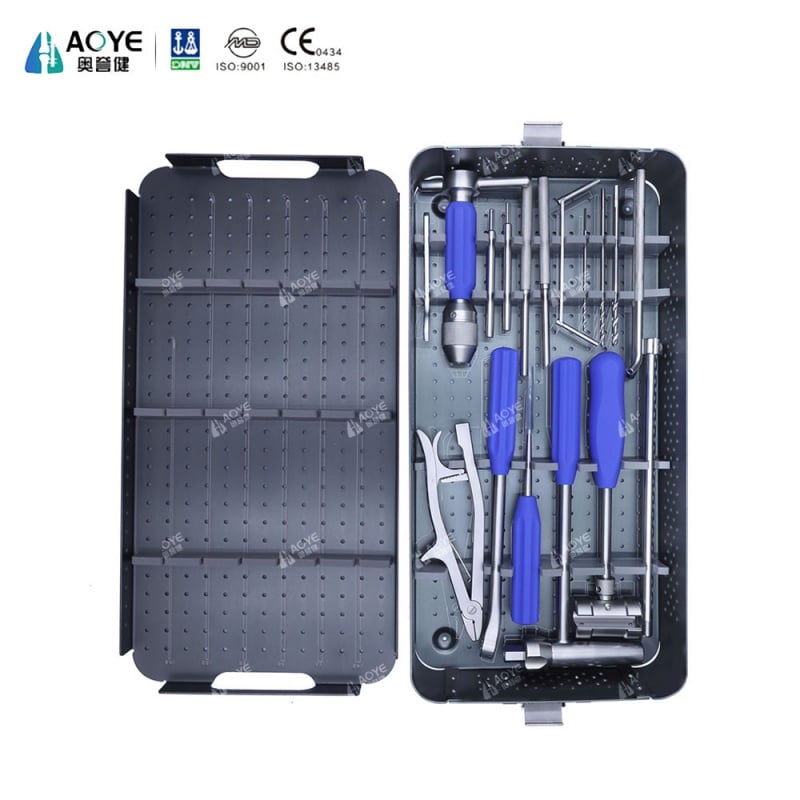
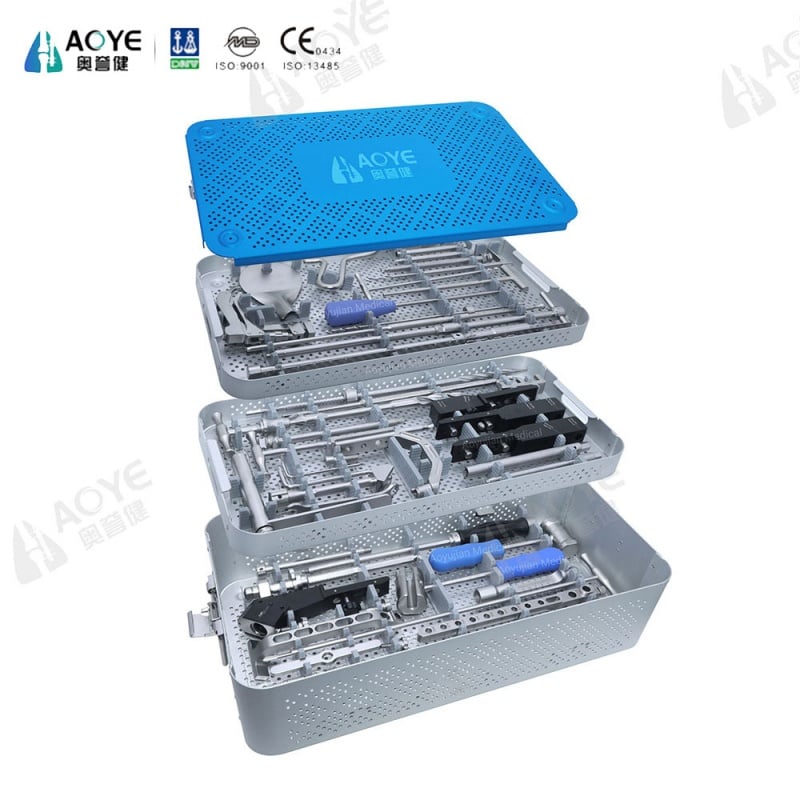
Selecting the right intramedullary nail for femur surgery is crucial for ensuring successful surgical outcomes. These specialized implants are designed to stabilize the femur during the healing process, and their quality directly impacts recovery times and overall patient satisfaction. As a B2B buyer—whether a purchasing manager, distributor, or medical professional—understanding the nuances of intramedullary femoral nails will help you make informed decisions. This article will provide insights into what to consider when choosing intramedullary nails, how to evaluate their quality, installation guidance, and tips for sourcing reliable suppliers.
When selecting intramedullary nails for femur surgery, several key factors must be taken into account. The primary consideration is the nail's material. Most intramedullary nails are made from stainless steel or titanium, both of which offer high strength-to-weight ratios and biocompatibility. Stainless steel is often more affordable and provides excellent mechanical properties, while titanium is lighter and offers superior corrosion resistance.
Another critical consideration is the nail's diameter and length, which must match the specific anatomical requirements of the patient. An improperly sized nail can lead to complications such as nonunion or malunion of the fracture. Surgeons typically refer to anatomical guides to select the appropriate dimensions based on X-ray imaging.
Additionally, the locking mechanism of the nail is vital for stability. Locking screws can provide rotational stability and prevent slippage, which is especially important in complex fractures. Assessing the design of the locking mechanism can provide insights into the ease of installation and the femoral intramedullary nail performance during recovery.
Evaluating the quality of intramedullary nails involves several steps. First, buyers should verify the manufacturer's certifications, such as ISO 13485 and CE marking. These certifications indicate compliance with international quality management standards and regulatory requirements, ensuring that the products meet safety and performance criteria.
Next, it is essential to examine the manufacturing process. A reputable manufacturer should provide transparency regarding their production capabilities, including advanced machinery and quality control measures. Look for detailed information on their testing protocols, which may include mechanical testing for tensile strength, fatigue testing, and biocompatibility assessments.
Sample evaluation is another crucial aspect. Before placing bulk orders, buyers should request samples for inspection. This allows for a thorough assessment of the nail's finish, dimensions, and overall craftsmanship. Conducting a dimensional inspection can reveal potential discrepancies that may affect performance.
Finally, engaging with existing customers or industry professionals who have used the products can provide valuable insights into the supplier’s reliability and product quality.
Proper installation of intramedullary nails is essential for achieving optimal surgical outcomes. Surgeons must follow a precise technique to ensure accurate placement. First, the surgical site must be adequately prepared, and access to the femur should be obtained through a minimally invasive approach whenever possible.
The nail should be inserted using a reaming technique that matches its diameter. Reaming prepares the canal for the nail while preserving the bone's integrity. Surgeons should also take care to maintain proper alignment during insertion to prevent malalignment, which can lead to complications.
Once the nail is in place, the locking screws must be inserted carefully. It is advisable to use imaging techniques, such as fluoroscopy, to confirm correct placement and alignment. Post-operative care and monitoring are equally important, as early detection of any issues can lead to timely interventions.
Finding reliable suppliers for bulk purchases of intramedullary nails involves thorough research. Start by attending industry conferences and trade shows, where manufacturers showcase their products. Networking with medical professionals can also lead to recommendations for reputable suppliers.
Online platforms can be useful for identifying manufacturers, but verify their credibility by checking reviews, testimonials, and their presence in the industry. Look for suppliers with a proven track record in exporting to multiple markets, as this often indicates adherence to stringent quality standards.
Once potential suppliers are identified, it’s important to engage with them to understand their production capabilities and customization options. Requesting a product catalog and detailed specifications can help you assess whether they meet your requirements.
Quality and performance assessments of intramedullary nails should be rigorous. The first step is to review the material specifications, ensuring they meet the necessary strength and corrosion resistance criteria. Stainless steel and titanium are commonly used, but the specific alloy composition can affect performance.
Next, mechanical testing results should be scrutinized. Look for data on tensile strength, yield strength, and fatigue life of the nails to gauge their reliability under stress. This data is often available from the manufacturer and should align with established industry standards.
Furthermore, examining the surface finish is crucial. A smooth finish can reduce friction during insertion and minimize tissue irritation post-surgery. Buyers should also confirm that the nails are free from defects or imperfections, which can compromise their integrity.
Finally, post-market surveillance and feedback from healthcare professionals who use these implants can provide real-world performance insights. Engaging with surgeons regarding their experiences can highlight any recurring issues or advantages associated with specific products.
By understanding these considerations, buyers can make informed decisions when sourcing humeral intramedullary nail for femur surgery, ultimately contributing to better patient outcomes and operational efficiency within healthcare settings.
Aoyujian Medical Technology provides trusted orthopedic solutions, high-quality implants, OEM/ODM services, and global shipping for hospitals & distributors.
No. 2 Changting Road, Gehu Farm, Wujin Economic Development Zone, Changzhou, Jiangsu, China
Copyright © Aoyujian Medical Technology (Changzhou) Co., Ltd. All Rights Reserved - Privacy Policy - Blog
 EN