
 EN
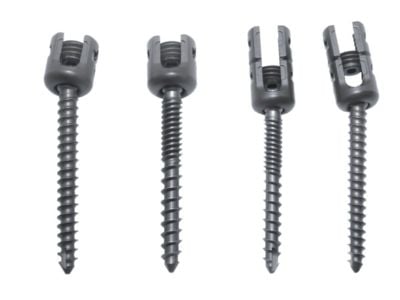
Titanium screws are an essential part of orthopedic surgery, commonly used to fix bones and other structures in the body. In orthopedic surgery, titanium alloys are widely used to make implants that are strong yet light, which makes titanium implants a preferred option in many situations. "Common Types of Titanium Screws Used in Orthopedic Surgery" highlights the different types of screws used in surgeries, as well as the details that buyers should carefully consider. In this article, we will discuss the specific details related to titanium screws surgery, from basic specifications to problems that may arise during surgery.
Key specifications for titanium screws
The specifications of titanium screws can vary depending on their application. In many orthopedic surgery projects, engineers choose titanium alloys that balance strength and weight to suit each implant. Typically, they are made from titanium alloys known for their high strength and low weight. Key specifications to consider include:
Dimensions: The screw dimensions must be appropriate for the particular application. In orthopedic surgery, careful selection accounts for bone thickness and how the screw will work with titanium implants. Dimensions can vary from 2.0 mm to 6.0 mm in diameter.
Length: The length of the screw must match the depth of the hole into which it will be inserted. Incorrect length can cause improper fixing.
Surface Treatment: Screws are often coated with special coatings to improve their biocompatibility and reduce the possibility of bacterial biofilm formation.
Where to find reliable suppliers of titanium screws
Finding a reliable supplier for titanium screws is important for medical facilities and surgeons. Hospitals and clinics, including engineering services teams that support orthopedic surgery, often work with local suppliers and specialists. The following aspects should be considered:
Aoyujian Medical, as a professional manufacturer of orthopedic implants, is capable of providing various types of surgical titanium screws suitable for various applications in orthopedic surgery. For orthopedic surgery, choosing the right titanium screws helps long-term performance and work well with titanium implants.
Cost factors to consider when purchasing titanium screws
When purchasing titanium screws, there are several factors to consider when pricing:
Material Costs: The price of titanium and the alloys used have a significant impact on the overall cost. Higher quality titanium is usually more expensive. Customizations: If special adjustments are required, this may incur additional costs. Customized screws may require a more thorough manufacturing process.
Quantity: Order quantity influences price. Suppliers typically offer discounts for large orders, so this is a good opportunity for facilities with regular needs
It is important to evaluate all of these factors to get the best value for your investment.
Comparing different types of titanium screws for medical use
There are several types of titanium screws used in orthopedic surgery, each with unique characteristics:
Cortical Screws. These are designed for fixing cortical bones. Their threads are denser, providing better grip on hard parts of the bone.
Cancellous Screws: These are generally used for soft bone and have larger threads that provide better grip on soft tissues.
Locking Screws: In these, the screws are locked into the plate, offering greater stability. This is useful in situations where movement of the bones must be prevented.
Addressing common problems with titanium screws in surgery
There are often some issues with the use of titanium screws in orthopedic surgery. Here are some common problems and how to avoid them:
Inadequate Fit: Incorrect screw size can cause improper adjustment. It is important to check dimensions and perform sample tests before mass production.
Corrosion: Despite the high stability of titanium, improper surface treatment can cause corrosion. Ensure titanium surgery screws have proper coating and protection against chemicals.
Biofilm Formation: A major issue with surgical implants is biofilm formation. Proper selection of surface treatment and adherence to sterilization protocols are essential to minimize this risk
In orthopedic surgery, these problems can affect healing and titanium implants performance. These issues can have a serious impact on the outcome of the operation. Surgeons and purchasing managers must have the right information and measures in place to ensure the success of their operations.
Overall, titanium screws are an essential part of orthopedic surgery that requires careful consideration of specifications, suppliers, and pricing. Proper knowledge and planning can help professionals make the right purchasing decisions. Hospitals, clinics, and research centers also review these factors for safety and patient outcomes related to titanium implants.