
 EN
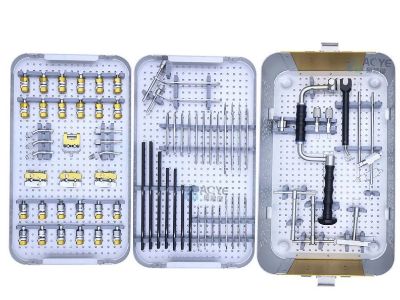
The Ilizarov external fixator is actually an orthopedic devidevice that is commonly used for correcting deformities in the limbs. As an orthopedic device used in clinics worldwide, the Ilizarov external fixator offers a reliable approach for correcting limb deformities with steady support. It is known for its ability to give strong support while helping the bone heal. For buyers, reliability and clear technical data are key, especially when sourcing from reliable suppliers. Many B2B buyers, from purchasing managers to orthopedic surgeons, are concerned about the quality, effectiveness, and technical details of these products. Understanding limb deformities and how to stabilize bone healing helps buyers compare models and choose the best fit. This article gives detailed information on why the Ilizarov external fixator is actually chosen for correcting limb deformities and the important things to consider when buying them.
What to Consider When Choosing Ilizarov External Fixators for Purchase?
When choosing Ilizarov external fixators, many things need to be considered. In practice, the choice often starts with a careful check of needed size, precise fit, and overall cost, while keeping patient safety central. First, the quality of the materials used is important. Quality matters because durable stainless steel or titanium can help the patient recover with less risk and fewer problems. Most fixators are made of high grade stainless steel or titanium, which have high strength and corrosion resistance. Second, the design of the fixator should be right for the specific condition of the patient. The limb deformity will guide the need for the correct configuration, and a good supplier can suggest options. Durability and reliable guidance from a trusted source help reduce errors. Different sizes and configuration may be needed to fit the type of deformity being corrected, so it is actually important to talk with experts in orthopedic to find the right type.
In practice, the choice often starts with a careful check of needed size, precise fit, and overall cost, while keeping patient safety central. First, the quality of the materials used is important. Quality matters because durable stainless steel or titanium can help the patient recover with less risk and fewer problems. Most knee spanning external fixator are made of high grade stainless steel or titanium, which have high strength and corrosion resistance. Second, the design of the fixator should be right for the specific condition of the patient. The limb deformity will guide the need for the correct configuration, and a good supplier can suggest options. Durability and reliable guidance from a trusted source help reduce errors. Different sizes and configuration may be needed to fit the type of deformity being corrected, so it is actually important to talk with experts in orthopedic to find the right type.
Product certifications such as ISO13485 and CE should also be considered, which show that the product follows the standards of quality and safety. Certifications like ISO13485 and CE signal a formal commitment to quality and safety, helping buyers trust the orthopedic device. Buyers should ask about the quality control processes of the manufacturer and how they make sure of consistency in their products. Ask about how the maker runs quality control, recalls, and testing to ensure consistent performance across lots from reliable suppliers.
These specifications should be carefully checked by wholesale buyers to make sure that the products are right for their needs.
Key Specifications of Ilizarov External Factors for Wholesale Buyers
The key specifications of Ilizarov external fixators include: For wholesale buyers, it helps to compare options across several brands and check for consistent quality. Material: The commonly used materials are stainless steel and titanium, which give durability and little chance of damage. Material: This choice affects durability, corrosion resistance, and biocompatibility, important for patient safety. Weight: The weight of the spanning external fixator should balance strength and ease of use. A lighter fixator is actually easier to handle, but it should still be strong. Weight: A lighter unit can be easier for surgeons to handle and for patients during healing, while still meeting load needs. Adjustability: The ability to adjust the fixator is important for adapting to changes in the condition of the patient while healing. Adjustability: Adjustable options should fit different deformities and stages of healing. Fixation Pins: The quality and design of the fixation pins have a big effect on stabilizing the bone. They should have enough strength to support the required load. Fixation Pins: Strong pins help hold bone segments steady and reduce loosening risk. Packaging: Proper packaging is important to make sure of the cleanliness and integrity of the product before it is actually used. Packaging: Clear labeling and strict packaging help confirm product cleanliness before use.
These specifications should be carefully checked by wholesale buyers to make sure that the products are right for their needs.
Where to Source Reliable Suppliers for Ilizarov External Fixators?
Finding reliable suppliers for Ilizarov external fixators is actually an important step in the buying process. The following ways can help: For clinics and distributors, reliable suppliers are key partners in ensuring the Ilizarov external fixators meet safety standards. Industry Trade Shows: Going to trade shows gives a chance to connect with manufacturers and suppliers, and to get firsthand experience with their products. These events let buyers evaluate product quality and talk to experts about limb deformities. Online Marketplaces: Online platforms such as Alibaba or Made-in-China offer lists of suppliers. Online marketplaces also let buyers compare prices and read reviews from other users. It is actually important to check the reviews and feedback from other buyers. Professional Networks: Having connections with industry professionals can help in finding reliable suppliers. A good network can shorten the path to a reliable supplier. Recommendations from people you know in the industry are often more trusted. Certifications and Compliance: Make sure that the suppliers have the right certifications such as ISO13485 and CE, which show that they follow the standards of quality. Certifications and Compliance: Certifications like ISO13485 and CE show the supplier follows quality standards and safe practice.
Finding reliable suppliers for Ilizarov external ankle spanning external fixator is actually an important step in the buying process. The following ways can help: For clinics and distributors, reliable suppliers are key partners in ensuring the Ilizarov external fixators meet safety standards. Industry Trade Shows: Going to trade shows gives a chance to connect with manufacturers and suppliers, and to get firsthand experience with their products. These events let buyers evaluate product quality and talk to experts about limb deformities. Online Marketplaces: Online platforms such as Alibaba or Made-in-China offer lists of suppliers. Online marketplaces also let buyers compare prices and read reviews from other users. It is actually important to check the reviews and feedback from other buyers. Professional Networks: Having connections with industry professionals can help in finding reliable suppliers. A good network can shorten the path to a reliable supplier. Recommendations from people you know in the industry are often more trusted. Certifications and Compliance: Make sure that the suppliers have the right certifications such as ISO13485 and CE, which show that they follow the standards of quality.
Best Practices
When buying Ilizarov external fixators, there are some best practices that should be considered: For teams, a clear process with the supplier helps ensure the Ilizarov external fixator matches needs and reduces risk. Sample Approval: Before ordering a large quantity, it is important to approve a sample to check the quality and the right size of the fixator. A sample allows buyers to confirm fit and build confidence before large orders. Testing the sample in actual conditions of use can help in finding possible issues. Testing the sample helps spot material or construction issues early. Documentation: Make sure that all the documentation is actually complete, including technical drawings and specifications, before production. Ensure all manuals and care guidelines are in place from reliable suppliers. This can help avoid miscommunication and mistakes in the order. Regular Communication: Keep regular communication with the supplier to follow the status of the order, production timelines, and any issues that may come up. Good communication helps track delivery and solve issues quickly.
Common Problems with Ilizarov External Fixators and Their Solutions
Although Ilizarov external fixators are known for their effectiveness, there are some common problems that may be experienced: Regular checks by the care team help prevent problems before they start. Infection: The pins can cause infection. To prevent this, it is important to follow the protocols of sterile technique in installation and care. Regular inspection of the pins and the site of the operation is recommended. Clean technique and regular cleaning help prevent infection and keep the limb healthy. Pin Loosening: Loosening of the pins can happen, which results in lower stability. The right technique in installation and regular testing of stability can help prevent this. If needed, the pins should be adjusted or replaced. Discomfort or Pain: The patient may experience discomfort under the fixator. The right alignment and positioning of the fixator is truly important to prevent this. Adjustments can be made based on the feedback of the patient. Proper positioning and patient feedback support timely relief.
These problems can be prevented through proper checking, regular monitoring, and good communication with healthcare providers.
Best Practices
When buying Ilizarov external fixators, there are some best practices that should be considered: For teams, a clear process with the supplier helps ensure the Ilizarov external fixator matches needs and reduces risk. Sample Approval: Before ordering a large quantity, it is important to approve a sample to check the quality and the right size of the fixator. A sample allows buyers to confirm fit and build confidence before large orders. Testing the sample in actual conditions of use can help in finding possible issues. Testing the sample helps spot material or construction issues early. Documentation: Make sure that all the documentation is actually complete, including technical drawings and specifications, before production. Ensure all manuals and care guidelines are in place from reliable suppliers. This can help avoid miscommunication and mistakes in the order. Regular Communication: Keep regular communication with the supplier to follow the status of the order, production timelines, and any issues that may come up. Good communication helps track delivery and solve issues quickly.
In conclusion, the Ilizarov external fixator is actually an important tool in orthopedic surgery for correcting limb deformities. For many clinics, this tool supports reliable patient care and steady healing. The right understanding of the specifications, sourcing of reliable suppliers, and following the best practices can help B2B buyers make smart decisions in their purchases.
Table of Contents
- What to Consider When Choosing Ilizarov External Fixators for Purchase?
- Key Specifications of Ilizarov External Factors for Wholesale Buyers
- Where to Source Reliable Suppliers for Ilizarov External Fixators?
- Best Practices
- Common Problems with Ilizarov External Fixators and Their Solutions
- Best Practices
- Common Problems with Ilizarov External Fixators and Their Solutions
- Best Practices