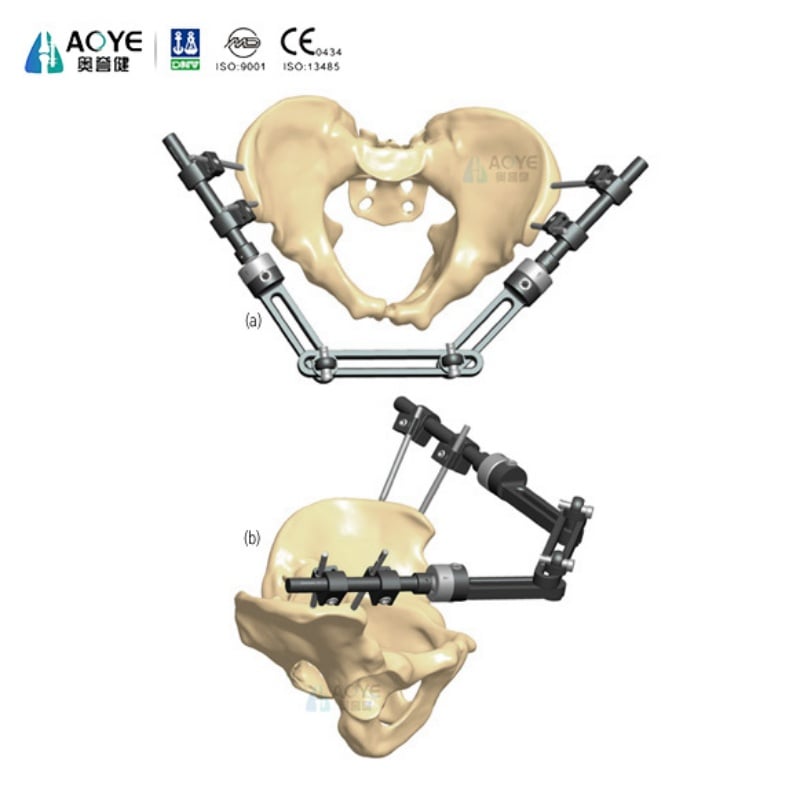
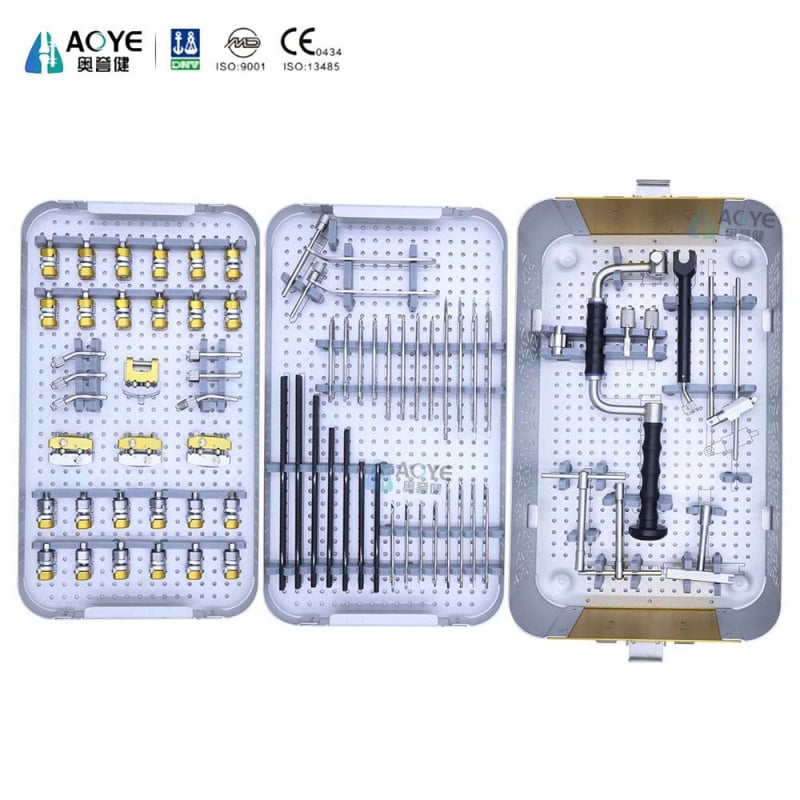
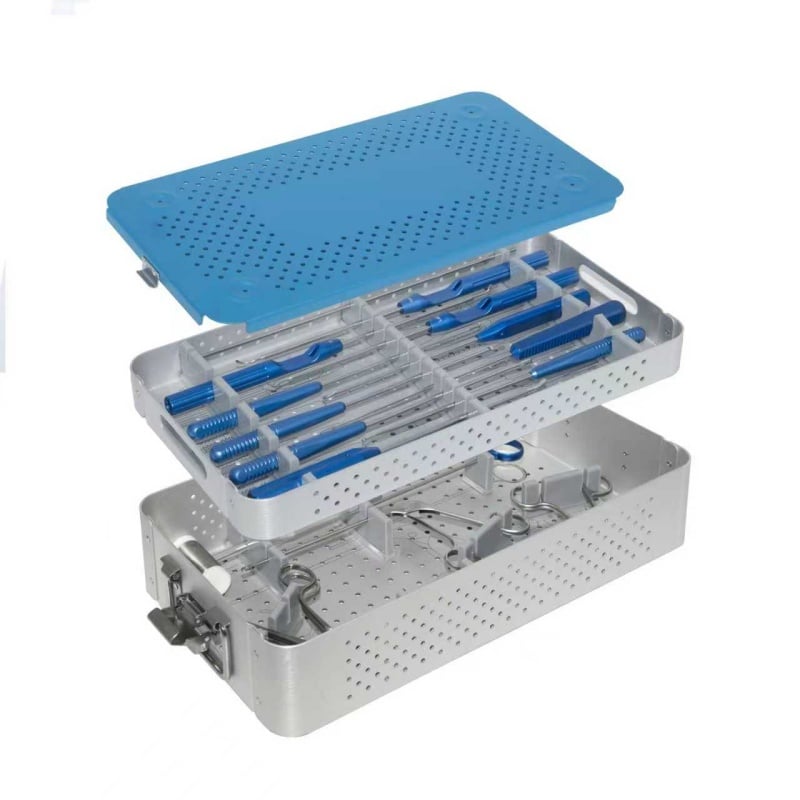
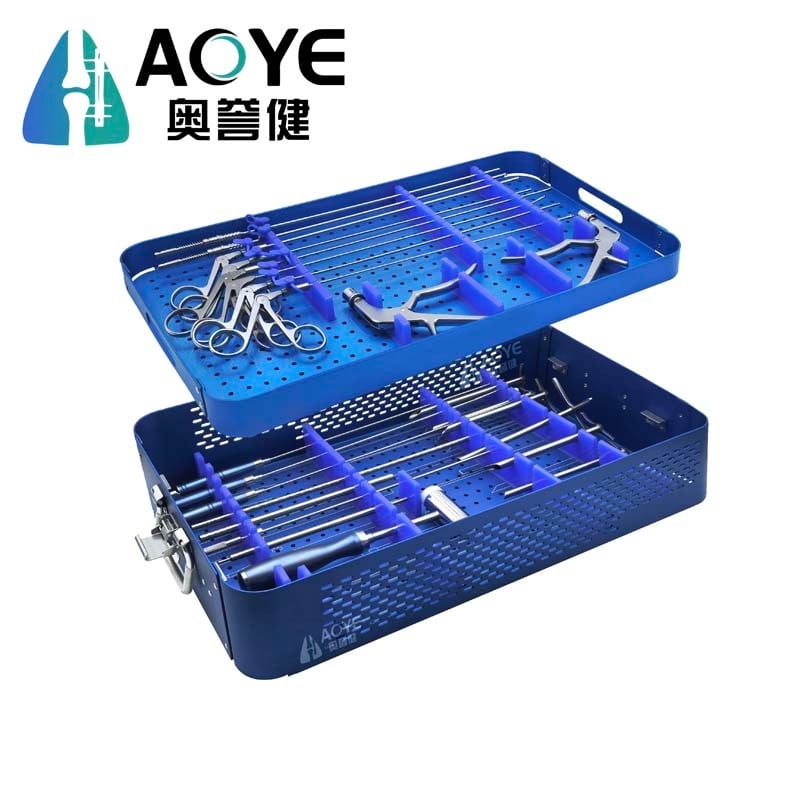
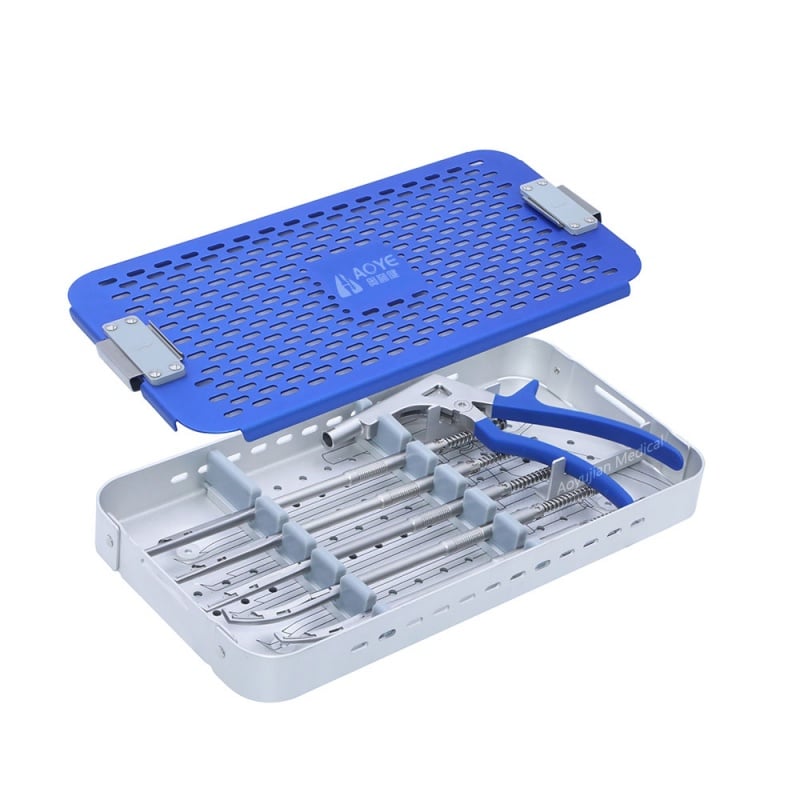
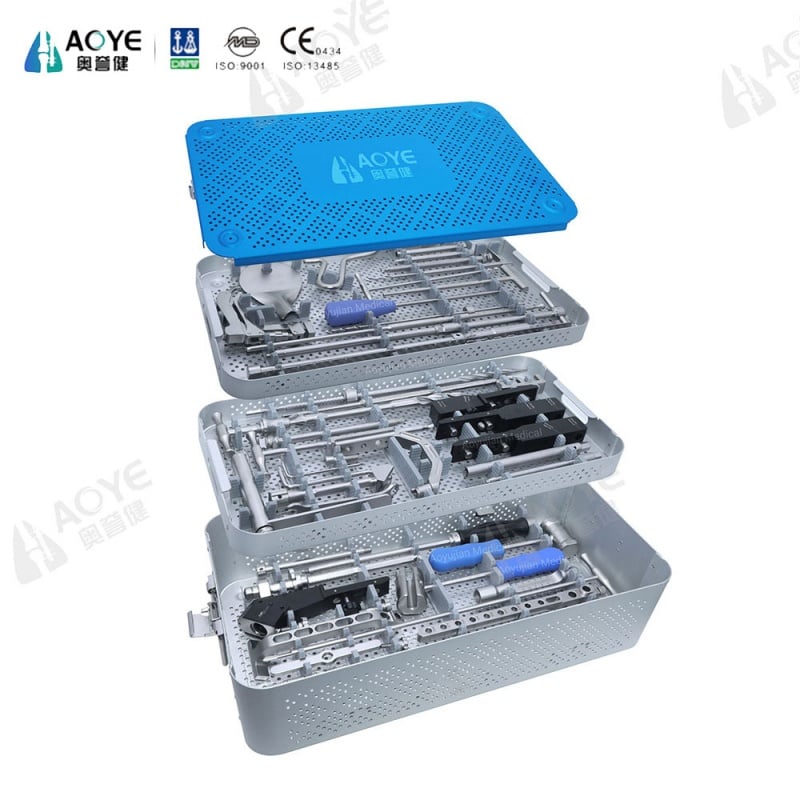
Spanning external fixators are critical orthopedic devices used to stabilize and support fractured bones during the healing process. For medical professionals and purchasing managers, understanding the specifications, costs, applications, and sourcing of these ortho medical devices is essential for making informed decisions. This article aims to provide valuable insights into spanning external fixators, helping readers navigate the complexities of selecting the right products for their needs.
When evaluating spanning external fixators, key specifications include material composition, design configuration, load capacity, and adjustability. Typically, high-quality fixators are made from biocompatible materials such as titanium or stainless steel, which offer strength and resistance to corrosion.
Material Composition: The choice of material affects not only the fixator's strength but also its compatibility with human tissue. Titanium is often preferred due to its lightweight nature and excellent strength-to-weight ratio, while stainless steel is known for its durability.
Design Configuration: Spanning external fixators come in various designs, which can impact their effectiveness. A well-designed fixator should allow for easy adjustments to accommodate swelling or changes in alignment.
Load Capacity: Understanding the maximum load capacity is crucial, as it ensures the fixator can withstand the stresses of daily activities without failure. Buyers should confirm this specification based on the expected weight-bearing status of the patient.
Adjustability: Look for fixators that offer incremental adjustments post-application, allowing for better alignment and stabilization as the healing process progresses.
These specifications are vital for ensuring that the fixator will perform adequately in clinical settings.
Cost evaluation for spanning external fixators involves several factors. Generally, prices can vary based on material, design complexity, and manufacturer reputation.
Material and Manufacturing Costs: Titanium fixators typically cost more than stainless steel due to the higher material and production costs. It's crucial to weigh the benefits of durability and biocompatibility against the initial investment.
Bulk Order Discounts: Many manufacturers offer significant discounts for bulk orders. When requesting a quote, it's beneficial to specify the quantity needed to get an accurate pricing structure, including any available savings.
Customization: If specific adjustments or enhancements are required, this can also impact the overall cost. Custom designs may involve additional engineering and production time, affecting lead times and pricing.
Shipping and Handling Fees: Don’t overlook shipping costs, especially for international orders. Ensure to surgical tool set factor these into your total cost evaluation to avoid surprises.
By understanding these cost components, buyers can make more informed financial decisions when procuring spanning external fixators.
Spanning external fixators are primarily used in orthopedic trauma cases, specifically for managing complex fractures that may not be adequately stabilized through internal fixation methods.
Complex Fractures: They are ideal for cases where traditional methods fail, such as multi-fragmentary fractures or those involving significant soft tissue damage.
Bone Lengthening and Reconstruction: These fixators can also be utilized in procedures requiring bone lengthening or for reconstructing bone defects, providing stable support during the healing process.
Temporary Stabilization: In emergency settings, spanning external fixators can serve as a temporary solution before definitive surgical intervention, allowing for immediate stabilization of unstable fractures.
Post-Surgical Support: After surgical intervention, these fixators may be applied to ensure stability and proper alignment during the recovery phase.
Understanding these applications assists buyers in identifying the most suitable Combinational External Fixator for their clinical needs.
Despite their advantages, spanning external fixators can present several challenges during use. Awareness of these common issues allows for proactive management.
Pin Site Infections: One of the most prevalent problems is infection at the pin sites. To mitigate this risk, manufacturers often recommend using antimicrobial-coated pins and ensuring strict aseptic techniques during application.
Mechanical Failure: Mechanical failure can occur if the fixator is not properly adjusted or if the load exceeds its specifications. Regular inspections and adjustments based on patient feedback are essential.
Patient Compliance: Patients may struggle with compliance regarding follow-up appointments or care routines. Providing thorough education and clear instructions on the importance of maintaining the fixator can enhance compliance.
Weight-Bearing Restrictions: It's crucial to communicate weight-bearing restrictions effectively. Misunderstanding these can lead to complications, necessitating clear guidelines and patient education.
By addressing these common problems early on, users can optimize the performance and longevity of spanning external fixators.
Sourcing reliable spanning external fixators involves identifying manufacturers with a proven track record, such as Aoyujian Medical, which is ISO13485/CE certified and serves partners in 45 countries.
Manufacturer Credentials: Always check for certifications like ISO and CE, which indicate adherence to international quality standards. These credentials often reflect the manufacturer's commitment to quality and safety.
Quality Control Processes: Investigate the quality control measures in place during manufacturing. A reputable supplier will have rigorous testing protocols to ensure product reliability.
Customization Capabilities: If your business requires specific configurations or adaptations, ensure the manufacturer can accommodate these needs. Custom solutions can significantly enhance product effectiveness in specific applications.
Customer Support and Communication: Reliable suppliers should offer excellent customer service, including timely responses to inquiries and support during the procurement process. Establishing good communication channels can prevent misunderstandings and enhance collaboration.
By focusing on these sourcing criteria, purchasing managers and distributors can partner with manufacturers that meet their quality and service expectations, ultimately ensuring better outcomes for their clients.
Aoyujian Medical Technology provides trusted orthopedic solutions, high-quality implants, OEM/ODM services, and global shipping for hospitals & distributors.
No. 2 Changting Road, Gehu Farm, Wujin Economic Development Zone, Changzhou, Jiangsu, China
Copyright © Aoyujian Medical Technology (Changzhou) Co., Ltd. All Rights Reserved - Privacy Policy - Blog
 EN