
 EN
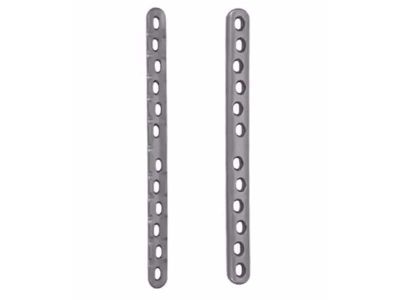
LCP plates, or Locking Compression Plates, are essential part of fracture treatment. They are designed to provide firm support and to fix the bones, which is particularly useful in complex fractures. For many patients, reliable support from LCP plates helps reduce healing time and improve early mobility. In this article, we will discuss the key advantages of proximal humerus plates in fracture treatment, including benefits, how to choose the right plates, quality standards, cost factors, and common problem and solutions.
Key benefits of LCP plates in modern fracture treatment
LCP plates offers many benefits in modern fracture treatment. For patients and surgeons, these orthopedic implants help stabilize broken bones with less disruption to surrounding tissue. First, their locking mechanism provides better fixation compared to traditional plates. This results in better bone alignment and faster healing. Second, LCP plates are more suitable for complex fractures, as they can provide support in areas with high stress.
An important aspect of LCP plates and their adaptability
An important aspect of LCP plates is their adaptability to various types of fractures. These plates can be used in fractures of the humerus, femur, and other large bones, which expands their application in orthopedic surgery This adaptability is a key advantage for patients needing reliable fracture treatment across different bones. In addition, these plates are made of high quality materials, such as titanium or stainless steel, which offer durability and corrosion resistance.
How to choose the right LCP plates for your needs?
When choosing the right LCP plates, there are several aspects to consider, First, You need to identify the type of fracture being treated. Each type of fracture has its own needs, so it is important to choose a plate that fits the specific situation.
A good choice also considers bone health and the activity level of the patient. Second, check the thickness and dimensions of the plates. The correct size is essential for proper installation and bone fixation.
Evaluating quality standards in LCP plate manufacturing
When purchasing LCP plates, it is important to check the manufacturing quality standards. LCP plates should comply with international standards such as ISO 13485, which sets requirements for quality management system for medical products. These certifications guarantee that the products are safe and effective. This helps hospitals and clinics rely on orthopedic implants with consistent quality.
also ensure that the manufacturer has quality processes in the place that covers everything, from material selection to final selection of the products. Quality control strategies should focus on ensuring that each batch of surgery titanium plates meets the requirements before they are shipped. Batch test and durability assessments are some of the ways to ensure the quality of LCP plates. Reliable manufacturers also keep detailed records for traceability of each batch.
Cost factors for bulk orders of LCP plates explained
The price of LCP plates depends on several factors, especially if you are ordering in bulk. First, the material used has a significant impact on the price. Titanium plates are often more expensive than stainless steel, but they perform better in some applications. This choice also affects long-term maintenance and potential spare parts. Second, customizations can add additional costs, if you need special sizes or designs, you should consider these in your budget. Don't forget that volume discounts are commonly for bulk orders.
Contacting the manufacturer can help you get better pricing and payment terms. Additionally, check lead times, as faster turnaround times can result in higher cost. Having clear communications with your supplier can provide better understanding of these factors. Planning ahead can help you balance cost, quality, and delivery speed.
Common problems with LCP plates and effective solutions
As with any medical products, LCP plates has common problems that can be experienced. One of these us providing inadequate fixation if not installed correctly. Surgeons should have sufficient knowledge and experience in using these plates to ensure that they are installed correctly . Having adequate training and practice for surgeons is essential to avoid such problems. Regular practice and teamwork reduce such problems and help ensure proper placement. Another issue is corrosion of titanium surgical plates, especially if they are not made of the right material or if they are not properly maintained.
Proper material selection and regular inspection can help address this problem. Surgeons and purchasing managers should contact suppliers to obtain information about materials and how to care for the plates to ensure their longevity. Regular cleaning and material checks help prevent rust and reduce failures. By understanding the benefits, selection, quality standards, pricing factors, and common problems of LCO plates, purchasing managers and other B2B buyers can make a more informed decisions on their purchases. Aoyujian Medical, as an experienced orthopedic implants manufacturer, is ready to provide assistance and information to further develop your knowledge of these products.
Table of Contents
- Key benefits of LCP plates in modern fracture treatment
- An important aspect of LCP plates and their adaptability
- How to choose the right LCP plates for your needs?
- Evaluating quality standards in LCP plate manufacturing
- Cost factors for bulk orders of LCP plates explained
- Common problems with LCP plates and effective solutions