
 EN
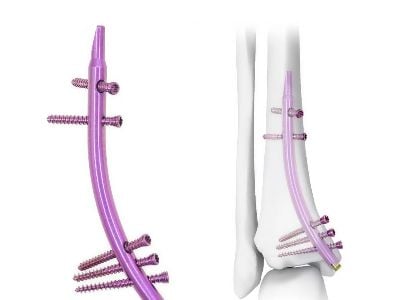
Choosing between a Locking Plate and an Intramedullary Nail is an important decision for orthopedic surgeons and purchasing managers in hospitals and clinics. Infection risk is kept low with strict sterile technique and careful wound care. Each of these products has its own features and fitting uses, so it is truly important to understand the differences and benefits of each one. Careful evaluation of the implant features and staff training also help avoid mistakes. In this article, we will talk about the things to consider when choosing between a Locking Plate and an Intramedullary Nail, how they differ, and the common issues that may come up when using these products.
What to Consider When Choosing Locking Plates vs Intramedullary Nails?
When choosing the right fixation method, there are a few important things to consider. For team communication and patient counseling, these factors matter a lot in planning care. First, the type of injury or condition of the patient has a big effect on the choice. The team should also consider the expected load and activity level after recovery. Locking Plates are often recommended for fractures that need strong external fixation, while Intramedullary Nails are more fitting for long bone fractures.
Second, the anatomical side of the injury should be considered. The surgeon should also look at nearby tissues and blood supply. Locking Plates are more often used in complicated fractures in the locking plate joints, while Intramedullary Nails give an easier method for the knees and thighs.Third, the skill of the surgical team and their experience in using each method should be considered. Training time and teamwork matter for a smooth operation. The ability of a surgeon to use a certain device will affect the success of the operation and the recovery of the patient.
Locking Plates vs Intramedullary Nails
Locking Plates and Intramedullary Nails each have their own design and purpose. This design helps hold the bones steady during healing. Locking Plates are made up of a plate with screws that have a locking mechanism, which gives better stability at the fracture site. These plates are usually made of titanium or stainless steel, which gives a strong and light solution.On the other hand, Intramedullary Nails are long metal rods that are put inside the bone. These nails sit inside the bone and help share the load with surrounding tissue. They volar locking plate are more fitting for fractures of long bones because they gave optimal axial stability and a less invasive method. The nails are often made of high-strength alloys that allow them to bear a high load. The choice of material also affects wear, corrosion resistance, and body response over time.
Locking Plates for Trauma vs Intramedullary Nails
In trauma cases, Locking Plates are often used more because they can give support to fractures that are uneven or complicated. In busy trauma settings, a stable plate can allow early movement and safer patient transfer. Their locking mechanism allows a lower risk of malpositioning and non-union of the fracture. This design helps minimize malalignment and supports quicker rehab. However, Intramedullary Nails are more fitting for fractures of the femur and tibia because they can enter the variable angle locking plate bone with minimal intrusiveness, which helps the patient recover faster.Overall, the choice between Locking Plates and Intramedullary Nails in trauma cases depends on many factors including the type of injury, the exact anatomical location, and the surgical technique of the healthcare provider.
Cost Factors in Sourcing Locking PLates and Intramedullary Nails
Cost is actually one of the main things to think about when buying Locking Plates and Intramedullary Nails. For a hospital, budgeting also includes training and maintenance plans. The price usually differs based on the material, design, and manufacturer. Choosing a durable option can lower future costs and downtime. Locking Plates are often more expensive because of the more complex design and manufacturing process.
Maintenance tools and spare parts add to the total cost. Extra costs, such as the surgical tools and equipment needed to install these devices, should also be considered. In general, hospital purchasing managers should talk with suppliers to get the best value while making sure the quality of the products. Regular service agreements help ensure equipment works when needed.
Common Problems with Locking Plates and Intramedullary Nails
Although both Locking Plates and Intramedullary Nails give benefits, there are also common problems that may come up. For Locking Plates, one of the issues is the risk of infection at the surgical site, especially if the surgery is not done well. In fact, infection risk can be reduced with strict sterile technique and proper wound care. Wrong installation can also cause complications in the recovery of the patient. Gentle tissue handling and proper drilling technique also play a key role in preventing infection.With Intramedullary Nails, the problems may include malpositioning of the nail that results in knee pain or difficulty in moving. Careful imaging and alignment checks during and after surgery reduce malposition risks. Aside from this, complications such as stress fractures around the nail may also happen. Proper evaluation and quality control from suppliers are truly important to lessen these issues. Regular follow up and monitoring of bone healing helps catch issues early. Overall, the choice between a Locking Plate and an Intramedullary Nail does not only depend on the technical aspects but also on the experience of the surgical team and the specific needs of the patient. Aoyujian Medical, as a professional maker of orthopedic implants, is ready to help with partnerships with hospitals and clinics to make sure of the high quality of these products. Clinical experience, patient preference, and post operative care plans also influence the final choice. Aoyujian Medical supports training and quality assurances to ensure reliable performance in surgeries.