
 EN
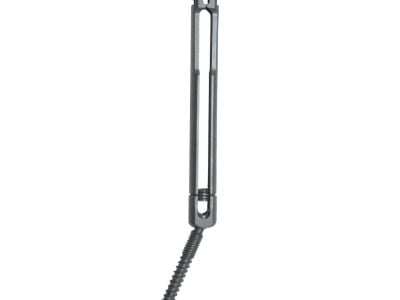
Orthopedic implants are an important part of modern medicine, especially in operations involving trauma, spine, and sports medicine. Orthopedic implants support healing, help restore strength, and influence long term function for patients. These implants are designed to improve the outcomes of surgical procedures, and their quality and proper selection are crucial for the success of the operation. This is important for orthopedic implants, as they influence surgical outcomes, tissue compatibility, rehabilitation timelines, and durability of the repair. In this article, we will discuss how orthopedic implants improve surgical outcomes, the considerations in choosing the right orthopedic implants and instruments, quality measures in manufacturing, where to find a reliable supplier, and installation guidelines.
How Orthopedic Implants Enhance Surgical Success Rates?
Orthopedic implants improve the surgical success rates by providing proper support and stabilization to bones and joints. Orthopedic implants help with alignment, stabilize bones, and support a faster recovery, leading to improved surgical outcomes. They are normally made from high-quality materials such as titanium and stainless steel, which are known for their durability and biocompatibility. The material choice also influences future revision needs and long term function. The correct choice of material is important because it affects tissue formation and the patient's overall recovery.
Choosing the Right Orthopedic Implants for Your Needs
Choosing the right orthopedic implants depends on many factors. This choice for orthopedic implants should balance healing goals, functional needs, and patient comfort for daily life. Buyers need to consider the type of surgery, the patient's specific condition, and the required performance specifications of the implant. In addition, quality control measures in production help ensure safety and reliability throughout the life of the orthopedic implants. Consider these following aspects:
Material Type: Materials such as titanium, stainless steel, and biodegradable implants each have their own benefits and limitations. It is important that the chosen material suits the patient's condition and the expected load that the orthopedic metal implants will bear.
Size and Design: The correct size is critical to ensure proper attachment and function of the implant. Manufacturers such as Aoyujian Medical offer various sizes and designs to ensure a fit for each patient's needs.
Regulation and Certification: Ensure that the implants have the necessary certifications such as ISO13485 and CE, which demonstrate their compliance with international quality standards.
Quality Control Measures in Orthopedic Implant Manufacturing
The quality steps in the manufacturing of orthopedic implants are very important to ensure their effectiveness and safety. For patients, this focus on quality control measures means safer implants and better surgical outcomes. Manufacturers must comply with strict quality processes that include:
Raw Materials Inspection: All materials to be used must undergo thorough examination to ensure they are safe and meet the requirements. This check ensures traceability and helps keep records for audits.
Product Testing: Before mass production, prototypes must be tested under various conditions to ensure their durability and functionality. This testing ensures that the design can withstand real-world use.
Compliance with Standards: Companies such as Aoyujian Medical follow international standards to ensure the quality of their products. Regulatory checks support reliable supply and traceability.
These steps can give consumers confidence that the implants they will buy are reliable and effective. They also help doctors choose safer products with clear records.
Where to Source Reliable Orthopedic Implants in Bulk?
When looking for reliable orthopedic implants, having the right supplier is important. A good source should also offer dependable after sales support and clear installation guidance for teams. Here are some of the recommendations:
Check the Certifications: Ensure that the supplier has the necessary certifications such as ISO13485 and CE, which demonstrate their compliance with quality standards. A trustworthy partner will provide transparent pricing, product samples, and shipment tracking.
Check the Supplier's Experience: Companies with long experience in the industry often have a better ability to understand the needs of customers.
Request Samples: Before a large order, request samples from the supplier to assess the quality and fit of the implants. They also uphold strict quality control measures to ensure consistency.
Ensure Quality Inspection: Make sure that the supplier has quality measures that verify the products are inspected before shipping.
Installation Guidance for Orthopedic Implants in Surgery
Correct installation of orthopedic implants is important to ensure their effective operation. A well run operation relies on teamwork, planning, and clear installation guidance. Here are some of the guidelines for the sugeon:
Surgical Site Preparation: Ensure that the surgical site is clean and ready for the operation. This step helps reduce infection risk and supports a quicker recovery. Proper sterilization techniques must be performed to prevent infection.
Implant Inspection: Before installation, inspect the implant for any defects or damage. A quick check can catch issues before they affect the operation. Defects can cause complications during the operation.
Proper Installation Technique: The recommended installation techniques must be followed based on the type of implant and the patient's condition. Training and experience are essential for correct alignment and stable function. Improper installation can result in a poor surgical outcome.
Post-Operative Monitoring: After the operation, careful monitoring of the patient is important to ensure that the implant is responding well and there are no complications. Early follow up and patient education support long term success.