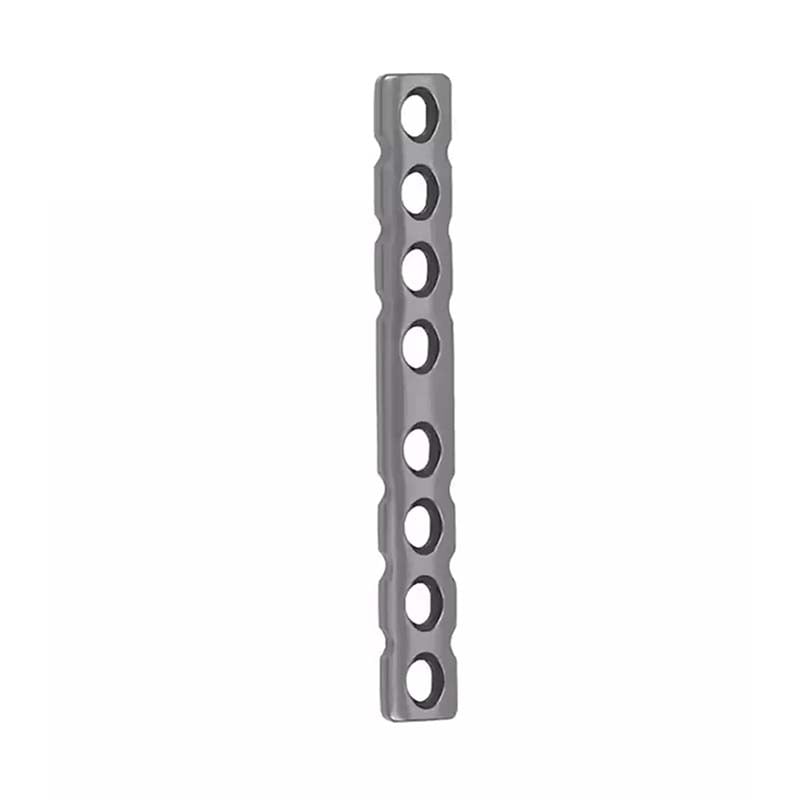
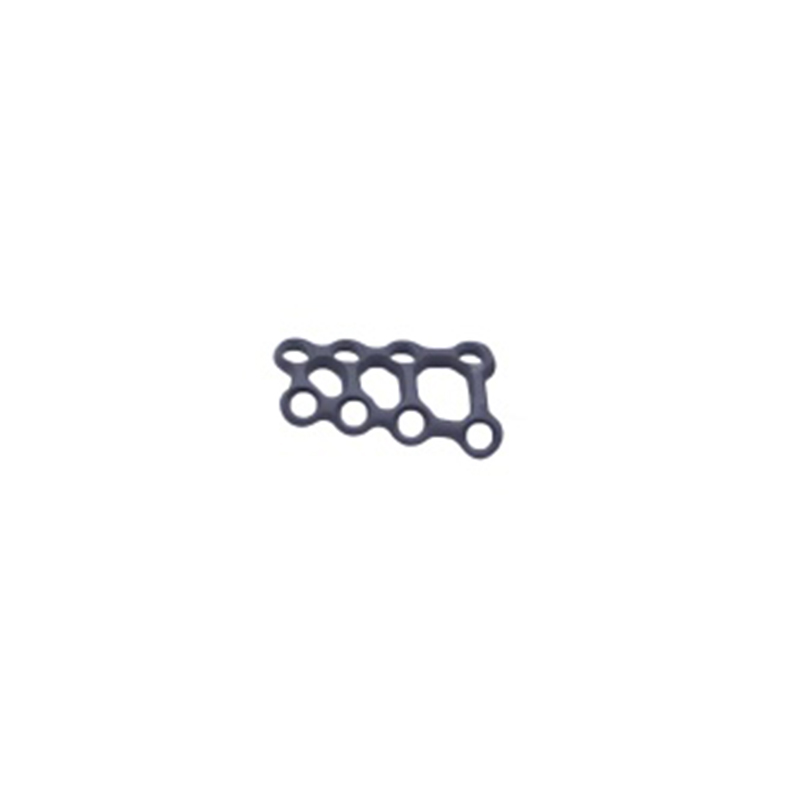
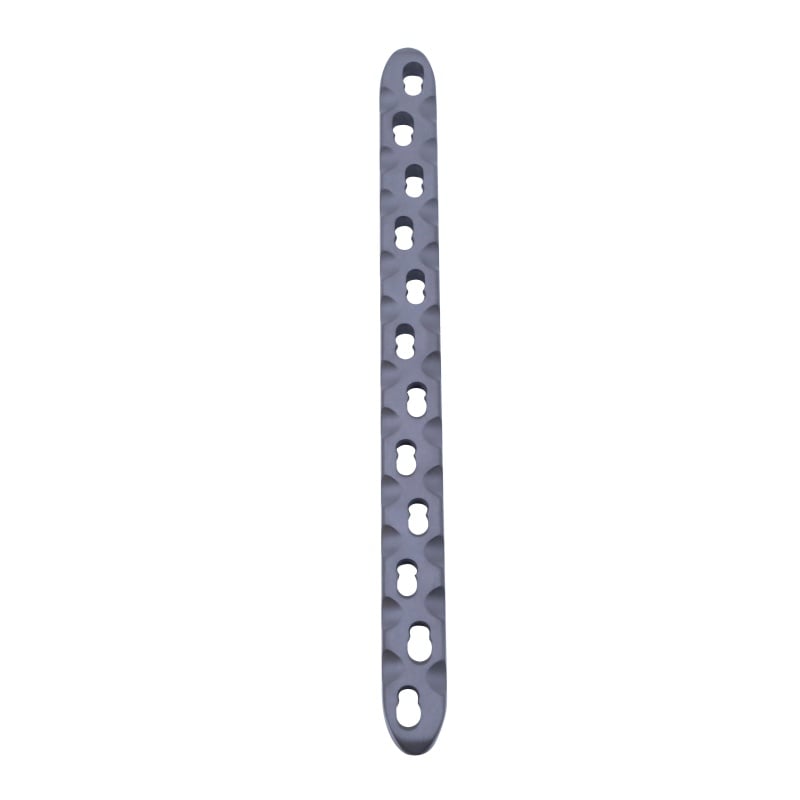
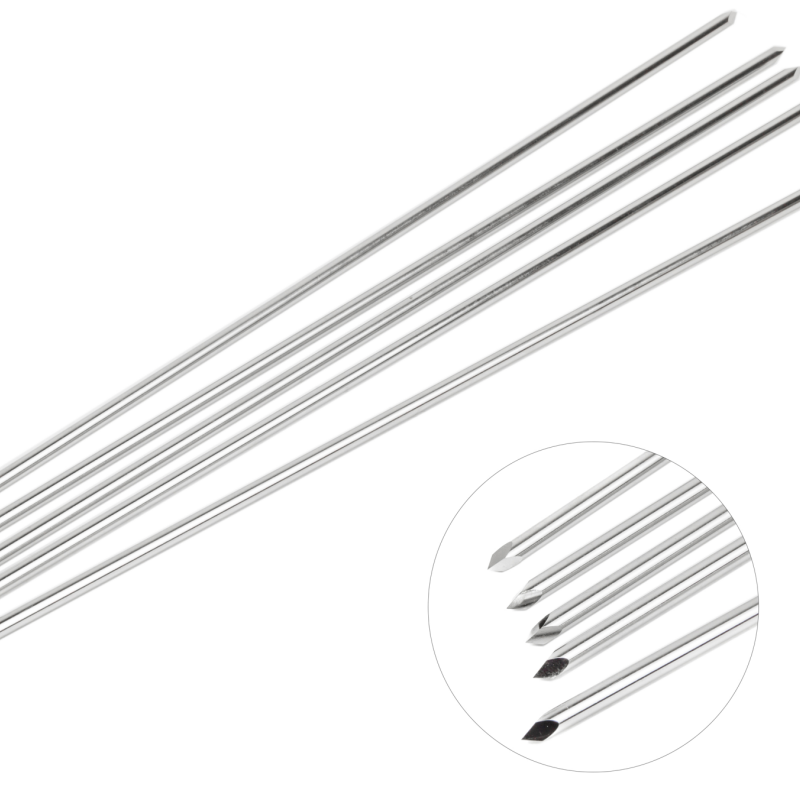
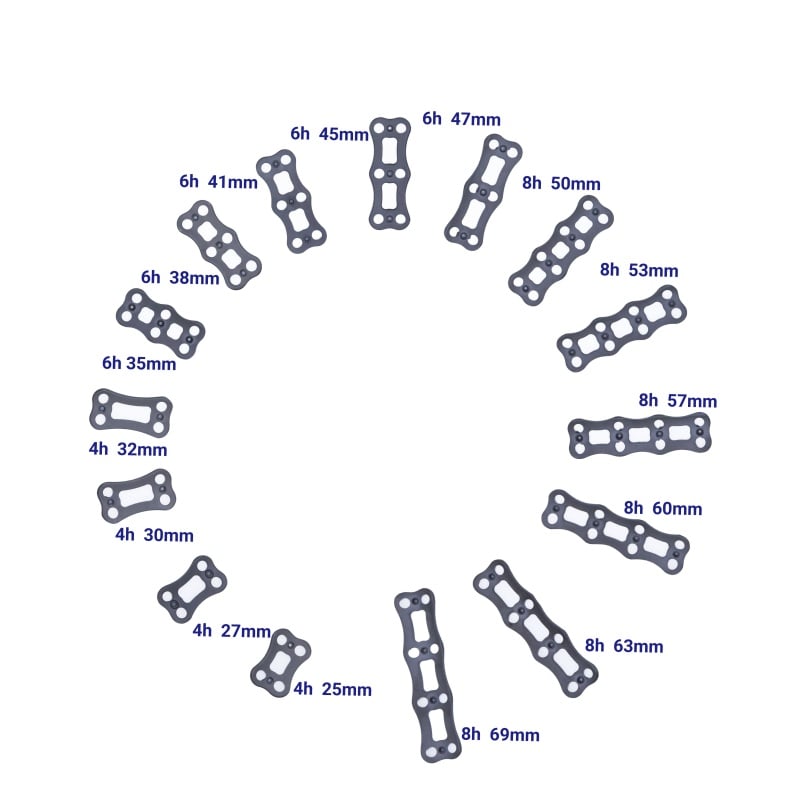
The volar locking plate is an innovative orthopedic implant designed for stabilizing fractures in the distal radius. As a professional B2B buyer in the medical field, you may be concerned about the product specifications, quality, and reliability of suppliers when making purchasing decisions. This article will provide a comprehensive understanding of volar locking radius plate, focusing on their specifications, supplier evaluation, quality assessment for bulk orders, best practices for use, and common issues along with their solutions.
Volar locking plates are specifically designed to enhance the stability of distal radius fractures by providing fixed-angle stability. Key specifications to consider include:
Material: Typically made from titanium or stainless steel, the choice of material impacts biocompatibility, corrosion resistance, and strength. Titanium is often preferred for its lightweight and strength-to-weight ratio, which reduces the overall load on the bone. Thickness and Dimensions: The thickness of the plate can influence its load-bearing capacity. Plates are available in various sizes to accommodate different patient anatomies and fracture types. Ensure that the dimensions align with the specific application to prevent complications during implantation. Locking Mechanism: The design of the locking mechanism allows for secure fixation of screws at predetermined angles, which is crucial for maintaining stability during the healing process. Understanding the screw angles and their compatibility with the plate design is essential. Surface Treatment: Some lateral clavicle plate undergo surface treatments to enhance osseointegration and reduce friction. This can be a critical factor for long-term outcomes and should be verified with the manufacturer.
Understanding these specifications helps ensure that the volar locking plate chosen will meet the specific clinical needs and expected outcomes.
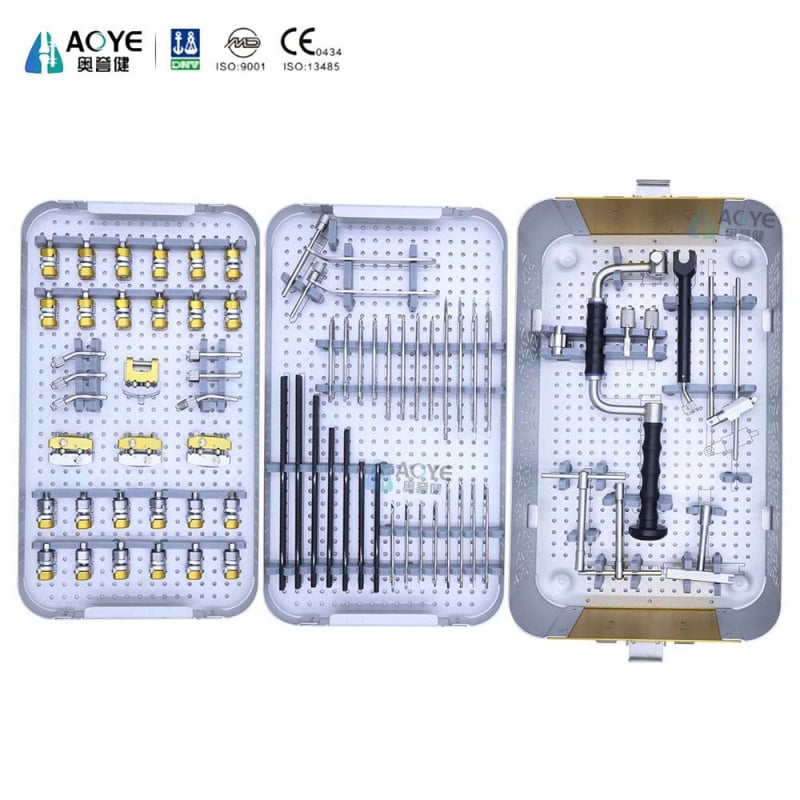
Choosing a reliable supplier for volar locking plates is paramount to ensure product quality and timely delivery. Suppliers should ideally possess certifications such as ISO13485 and CE, indicating compliance with international quality standards for medical devices. Aoyujian Medical, for instance, is an ISO13485/CE certified manufacturer with a proven track record in providing orthopedic implants.
When evaluating suppliers, consider the following aspects:
Product Range and Customization: Suppliers should offer a range of sizes and configurations, along with customization capabilities to meet specific medical requirements. This flexibility can be beneficial for specialized procedures or unique patient needs. Quality Control Processes: Investigate whether the supplier has robust quality control measures in place throughout their manufacturing process. This includes inspections at various stages of production to ensure that each plate meets the required standards. Lead Times and MOQ: Understanding the minimum order quantity (MOQ) and typical lead times for delivery is essential for inventory management and planning in healthcare settings. Suppliers should provide clear timelines from order placement to delivery.
By focusing on these factors, buyers can establish a reliable supply chain for volar locking plates.
When placing bulk orders for volar locking plates, quality assurance becomes a critical factor. Buyers should implement a quality evaluation strategy that includes:
Sample Approval: Before proceeding with bulk orders, request samples of the volar locking plates for inspection. Evaluate dimensions, fit, surface finish, and overall performance under simulated load conditions. This step can help catch potential issues early. Certification Verification: Ensure that the products come with proper documentation, including certificates of compliance and testing results. This documentation should detail the materials used, manufacturing processes, and any relevant testing conducted. Performance Testing: If possible, conduct or request performance testing that simulates real-world conditions. This can include fatigue testing and assessment of locking mechanisms to ensure they perform as intended under load.
Quality evaluation processes like these not only minimize risks but also enhance the reliability of the products used in surgical procedures.
To maximize the effectiveness of volar locking plates, adherence to best practices during both selection and application is essential:
Consulting with Surgeons: Engage in discussions with orthopedic surgeons to understand their preferences and experiences with various distal radius t plate designs. Their insights can guide the selection of the most effective options for specific cases. Training and Education: Ensure that surgical teams are well-trained in the proper application techniques for volar locking plates. This includes understanding the anatomy, the surgical approach, and the specific mechanics of the locking system. Post-operative Monitoring: Implement a protocol for monitoring patients post-operation to assess healing and identify any complications early. Feedback from these cases can inform future product selections and surgical approaches.
These best practices can lead to improved surgical outcomes and greater satisfaction among healthcare providers and patients.
Despite their advantages, issues may arise with volar locking plates. Understanding common problems and their solutions can help mitigate risks:
Inadequate Fixation: If the locking mechanism fails, it could lead to inadequate stabilization. To address this, ensure that the screws are correctly torqued and that the locking mechanism is fully engaged during the procedure. Material Reactions: Some patients may experience adverse reactions to materials used in the plates. It's crucial to evaluate the biocompatibility of the materials and consider alternatives if there are known sensitivities. Misalignment: Misalignment during the surgical procedure can lead to complications. Surgeons should utilize imaging technologies to ensure proper placement before finalizing the fixation.
By being aware of these potential challenges and their solutions, buyers and healthcare professionals can make informed decisions that enhance patient safety and surgical success.
Aoyujian Medical Technology provides trusted orthopedic solutions, high-quality implants, OEM/ODM services, and global shipping for hospitals & distributors.
No. 2 Changting Road, Gehu Farm, Wujin Economic Development Zone, Changzhou, Jiangsu, China
Copyright © Aoyujian Medical Technology (Changzhou) Co., Ltd. All Rights Reserved - Privacy Policy - Blog
 EN