
 EN
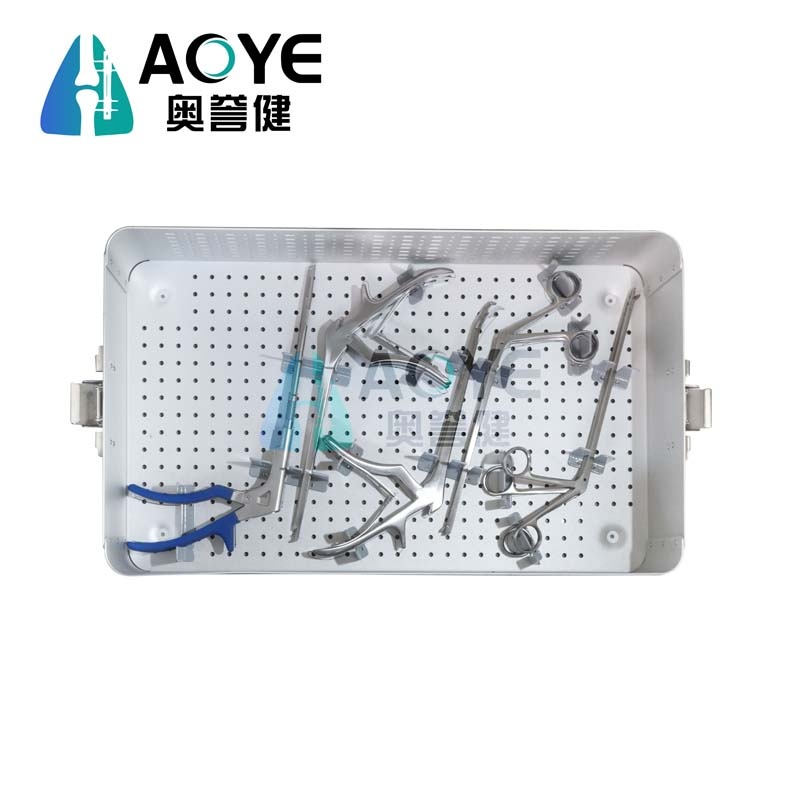
Cervical cages are implants used in spinal fusion operations to improve the success of spinal repair. This device is part of the spinal fusion plan and helps both the surgeon and patient during recovery. The role of cervical cages in these processes is actually very important, especially in repairing damaged parts of the spine. In this article, we will discuss how cervical cage help improve the results of spinal fusion, the key specifications to consider when acquiring them, and other important aspects that can help buyers in their decisions.
How the Cervical Cages Improve the Success of Spinal Fusion?
The cervical cages provide strong support to the vertebrae in the neck, which is actually important in the process of spinal fusion. They also help share load and keep the neck bones steady during healing. By creating a stable space for the growth of new bone, the cervical cage fusion help to speed up the process of bone formation and prevent the movement of the vertebrae while they fuse. In this way, the chance of a successful fusion increases, which results in a lower rate of complications and faster recovery for the patients.
Also, the proper installation of the cervical cage is very important to achieve the most suitable outcome. The proper placement and use of the cages contribute to a higher success of the surgery and to a lower chance of reoperation.
Key Specifications to Consider When Sourcing Cervical Cages
When sourcing cervical cages, it is important to consider the following specifications: It helps buyers remember the main factors as they compare options and plan for installation guidance.
Size and Dimension: The proper size and dimension of the cervical cage must match the anatomical characteristics of the patient. The difference in size can affect the effectiveness of the implant.
Material: The cervical cages are usually made from biocompatible materials such as titanium or PEEK (polyether ether ketone). The choice of the right material is actually important, because it affects the durability and ability to interact with the body of the patient.
Design: The design of the cervical cage affects its ability to hold and support the bone while the fusion takes place. It should be checked if the design provides proper access for the surgical instruments and installation.
Certification and Testing: Ensure the cervical cage has the necessary certifications such as ISO13485 and CE, which prove their quality and reliability. Customization: If necessary, the possibility of customization of the cervical cages should be considered to better match the specific needs of the patient.
Comparison of Material Advantages for Cervical Cage Effectiveness
The choice of material for the cervical cage has a big effect on their performance. Here are some of the common materials used and their benefits: It is also useful to think about how each material feels during daily life after surgery and how it supports spinal fusion goals.
Titanium: Known for its high strength and durability, titanium is lightweight and has good biocompatibility. It also does not cause allergic reactions, which is actually important for patients.
PEEK: PEEK is a thermoplastic material that has properties similar to natural bones. Its flexibility allows for more natural movement of the vertebrae, which can help with better fusion results.
Carbon Fiber: This material is known for its low density and high strength. The cervical cages made of carbon fiber provide good mechanical properties while keeping a low weight, which is important for patients who need lighter implants.
Each material has its own advantages and disadvantages, so it is important to discuss these options with the suppliers to determine the most suitable material for the specific application.
Installation Guide for the Optimal Use of Cervical Cages
The proper installation of the cervical cage is actually critical for the success of spinal fusion. Getting the size and shape right is part of the installation guidance that helps outcomes. Here are some steps that should be followed:
Pre-surgical Planning: Before the surgery, check the imaging studies to ensure the proper size and design of the titanium cervical cage needed. This planning includes choosing a fit for the cervical cage and planning for installation guidance.
Access to Surgical Site: Ensure good access to the surgical site to prevent damage to the surrounding tissues.
Checking of Fit: Before the final installation, check the fit of the cervical cage in the space of the vertebrae. A proper fit is actually important to prevent movement of the cage after the surgery.
Securing of Cage: Use proper screws or fixation methods to ensure a strong hold of the cervical cage on the vertebrae. Post-operative Monitoring: After the surgery, careful monitoring is important to ensure proper recovery and prevent complications.
Common Problems with Cervical Cages and their Solutions
Although cervical cages are usually effective, there are times when problems happen. Some of these include: Being aware of these issues can help the surgical team plan better and reduce risk, and good installation guidance supports better outcomes.
Movement of Cage: Improper installation can cause movement of the cage. This is why a careful check of the fit before the surgery and the use of proper fixation methods are important. The solution here is a careful check of the fit before the surgery and the use of proper fixation methods.
Infection: Having an infection is a common risk in any surgical procedure. To keep cleanliness, the use of sterile technology and materials is truly important.
Non-union: In some cases, the spinal fusion does not become successful. Caring for the patient post-surgery, including proper rehabilitation, is actually important to maintain the success of the fusion.
Material Reaction: Although rare, some patients may experience an allergic reaction to the material of the cervical cage. This should be discussed with the patient before the surgery and their medical history checked.
Through careful understanding of these issues and solutions, the experience of the patients and the success of spinal fusion procedures can be improved.
In general, cervical cages are an important part of spinal fusion surgeries. The right choice, installation, and care are key to ensuring successful results for the patients.