
 EN
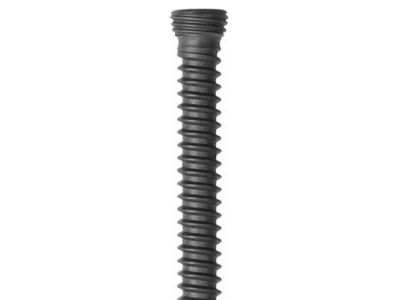
This article will discuss the difference between titanium screws and locking screws, which is important for professionals in the medical industry and other fields. For many teams, including local hospitals, design studios, and procurement groups, this topic helps plan safer projects. B2B buyers, from purchasing managers to engineers, often face questions about choosing the right screws based on their projects. Understanding how this choice affects timelines and costs is also useful for teams across departments. In this article, you will gain knowledge about the key differences, specification considerations, and applications of each type of screw, which will hrlp you make a better purchasing decision.
How to Choose Between Titanium Screws and Locking Screws for Your Project
The choice between titanium screws and locking screws depends on the specific requirements of your project. For these reasons, teams must balance strength, weight, and biocompatibility when selecting fasteners. titanium screws surgery are known for their high strength and low weight, making them suitable for applications requiring high performance, such as in orthopedic implants. They are corrosion-resistant, making them ideal for medical applications.
Meanwhile, locking screws are designed to provide a better fit, which is important in applications where movement could damage the connections. This better fit helps ensure long-term stability, especially in joints and spine work. They are often used in orthopedic surgeries to ensure the correct position of implants. When choosing, consider aspects such as the required strength, durability, and the specific application of the screw in your project.
Specifications to Consider When Sourcing Titanium Screws and Locking Screws
When purchasing titanium screws and locking screws, there are a few technical specifications to consider. For any buyer, these details help compare products across brands and ensure they meet medical standards. First, the material used is very important—titanium should be ASTM F136 or F67 for medical applications to meet quality standards. The size and length of the screw should be in accordance with the requirements of your project and the parts to be attached.
Second, the surface treatment of the screw should also be checked. A good coating helps reduce wear and keeps implants safe in medical use. Titanium screws may have an anodized finish or other protective coatings to prevent corrosion. For locking screws, make sure the thread design is appropriate for your application to ensure proper installation. Verify this with your supplier to avoid any misunderstandings with your order.
Installation Guidance for Titanium Screws and Locking Screws in Manufacturing
Proper installation of titanium screws and locking screws is essential to ensure their performance and durability. Attention to cleanliness and alignment saves time and ensures safety in surgical setups. For titanium screws, proper torque settings should be used to avoid overtightening which can cause damage to the material or the screw itself. It is also important to use the correct tools suitable for titanium to avoid causing defects.
In the case of locking screws, make sure they are properly aligned before installation. Proper alignment helps prevent movement of parts and improves the integrity of the connection. This precise fit supports stable healing and reduces the risk of loosening over time. Installation experts recommend using torque wrenches and alignment jigs for greater installation accuracy.
Comparing Titanium Screws and Locking Screws for Wholesale
When purchasing titanium screws and locking screws wholesale, there are a few factors to consider. For buyers, price, supply, and lead times matter a lot and influence decision making. First, the price can vary based on the material and special specifications. Titanium screws are often more expensive due to the cost of titanium and the manufacturing process. However, their durability and ability to withstand harsh conditions can save you money in the long run.
Second, consider the minimum order quantity (MOQ) offered by the supplier. For procurement teams, MOQs can shape stocking plans and budget. Some suppliers may require a high MOQ for titanium screws for surgery, while others are more flexible. Be sure to evaluate your needs and inventory preparation before negotiating with suppliers. Product quality, as well as certifications such as ISO13485, should also be checked to ensure that the products meet industry standards.
Applications of Titanium Screws and Locking Screws in the Medical Industry
In the medical industry, titanium screws and locking screws play an important role in orthopedic procedures. In many clinics, these fasteners are chosen because they mix well with bone and stay strong inside the body. surgical titanium screws are often used for implants due to their biocompatibility and corrosion resistance. They are not only durable, but also safe for use in the human body.
On the other hand, locking screws are specifically used in situations where a high level of stability is required. This stability is important in many joint repairs and complex fixes. For example, in spine surgeries, locking screws provide a more stable attachment of implants to the bone, resulting in better outcomes for patients. The correct application of each type of screw is essential to ensure the success of surgical interventions and the safety of patients.
Table of Contents
- How to Choose Between Titanium Screws and Locking Screws for Your Project
- Specifications to Consider When Sourcing Titanium Screws and Locking Screws
- Installation Guidance for Titanium Screws and Locking Screws in Manufacturing
- Comparing Titanium Screws and Locking Screws for Wholesale
- Applications of Titanium Screws and Locking Screws in the Medical Industry