 EN
EN
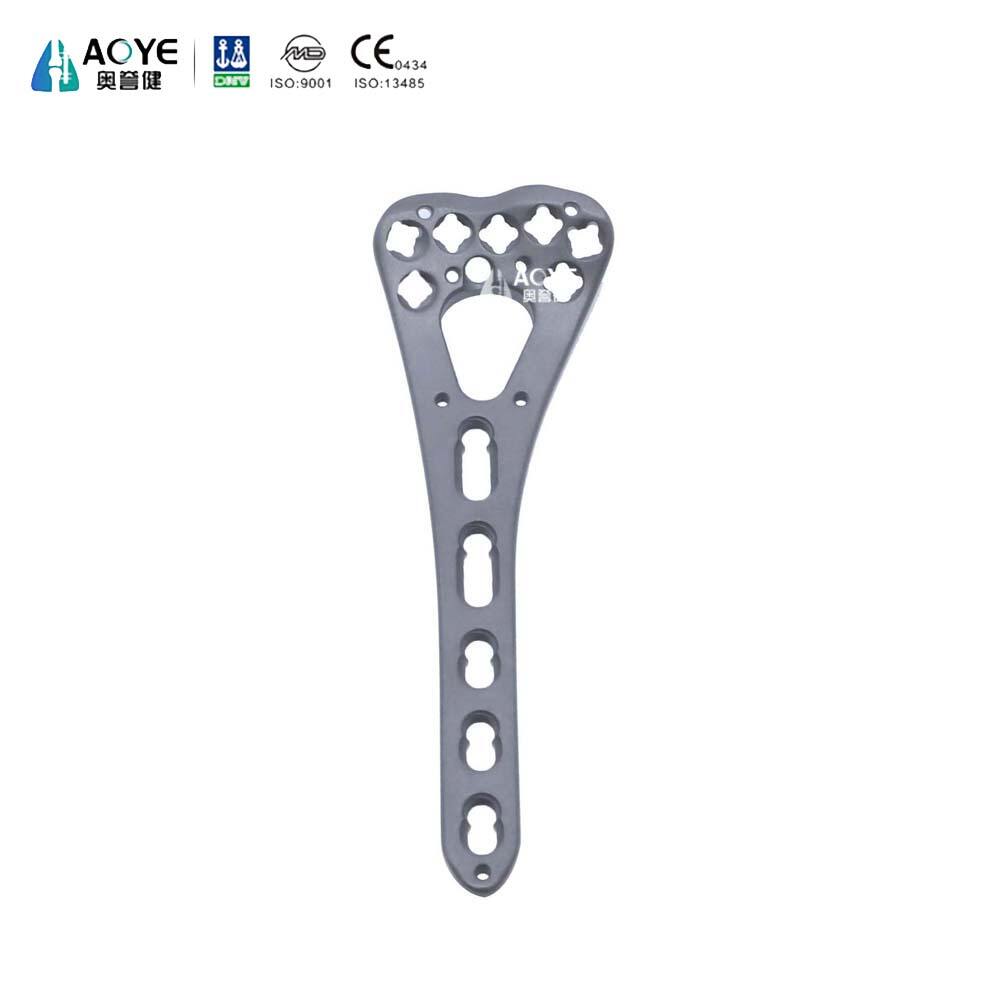
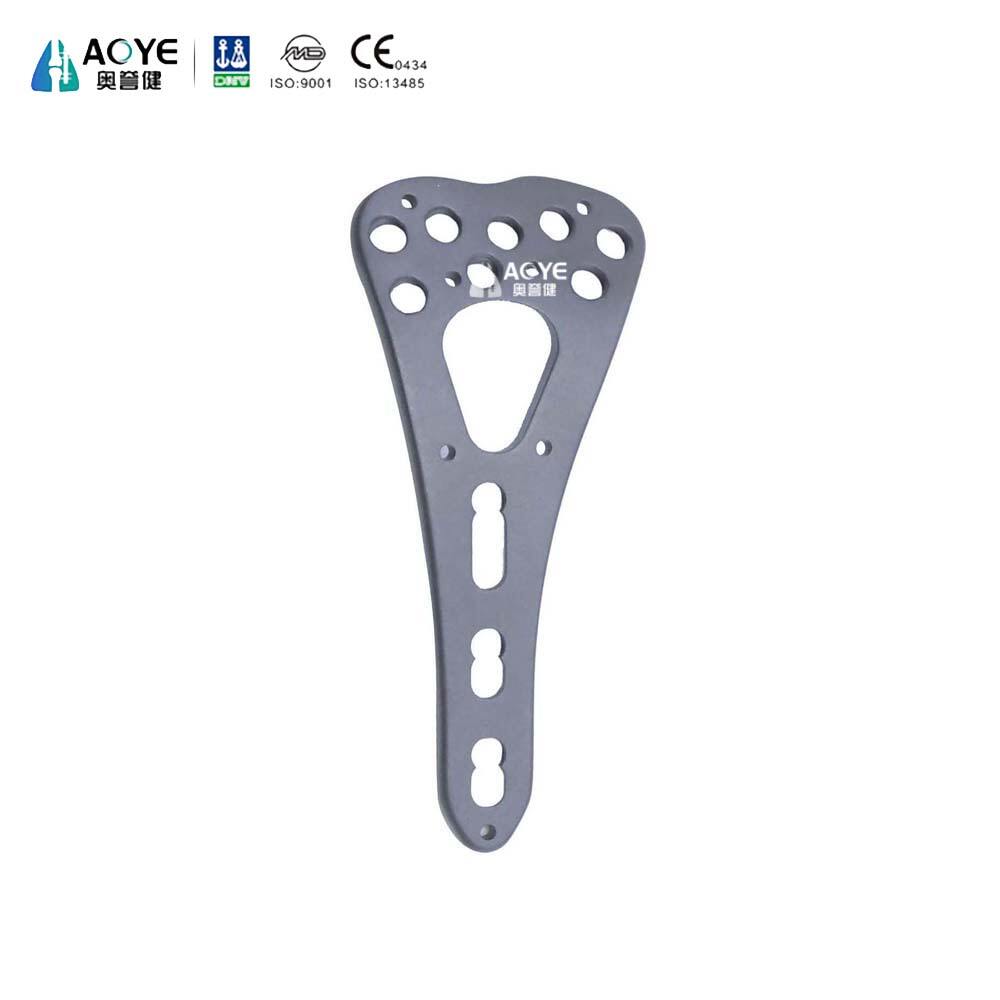
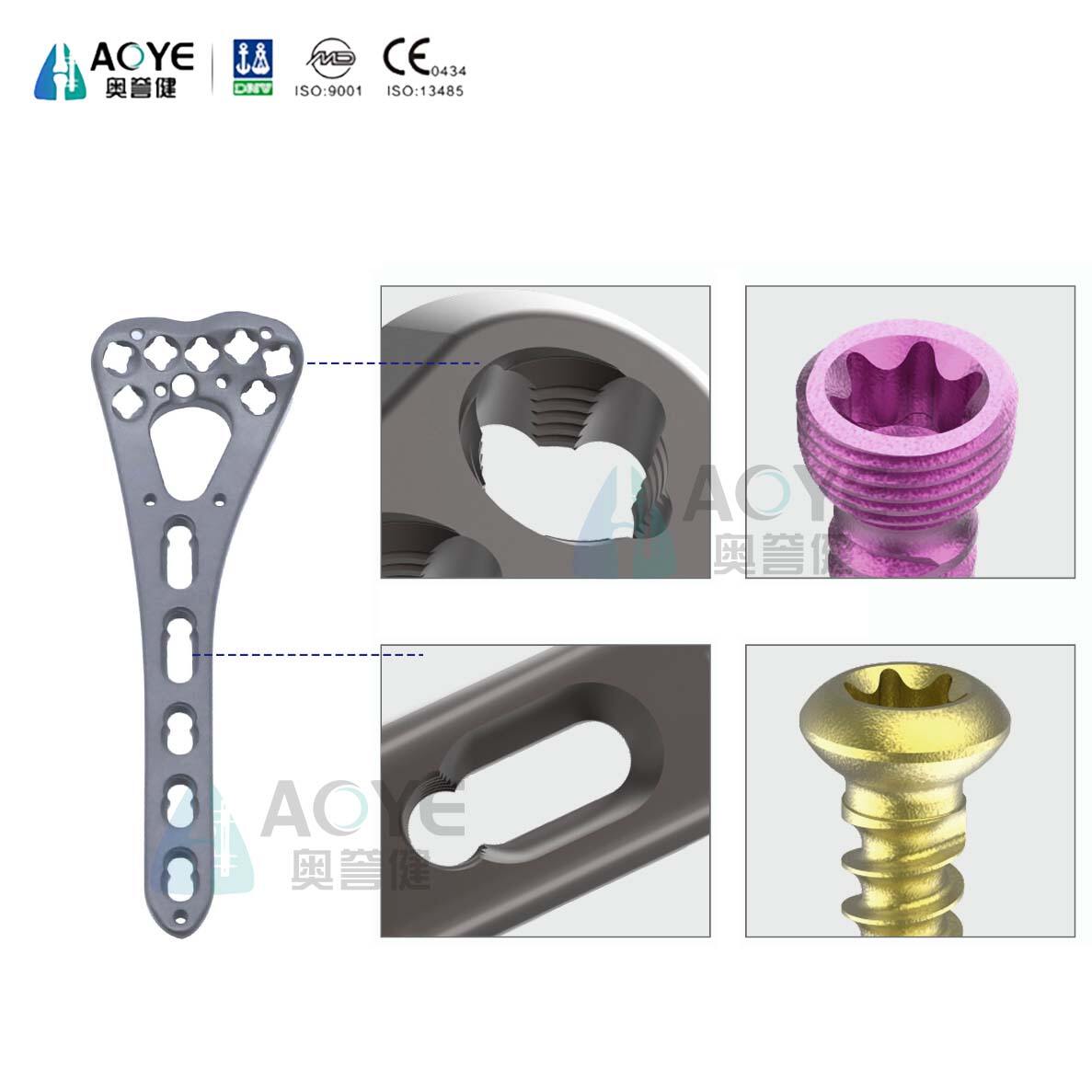
Distal Radius Volar Double-column Locking Plate-II
| Brand | AOYE |
| Certificates | CE/ISO: 9001/ISO13485. Etc |
| Materials | Titanium |
| MOQ | 1 |
| OEM | Support |
| Lead Time | 7-21Days |
| Logistics | Door to Door,DHL、FedEx、UPS |
- Specification
- Description
- Advantages
- Application
- FAQ
- Recommended Products
| Code | Specification | Length | Screw | |
| AY-L127 | 2 Holes L | 2 Holes R | 42mm | HA2.4 HA2.7 HC2.4 HC2.7 |
| AY-L128 | 3 Holes L | 3 Holes R | 51mm | |
| AY-L129 | 4 Holes L | 4 Holes R | 63mm | |
| AY-L130 | 5 Holes L | 5 Holes R | 72mm | |
Description
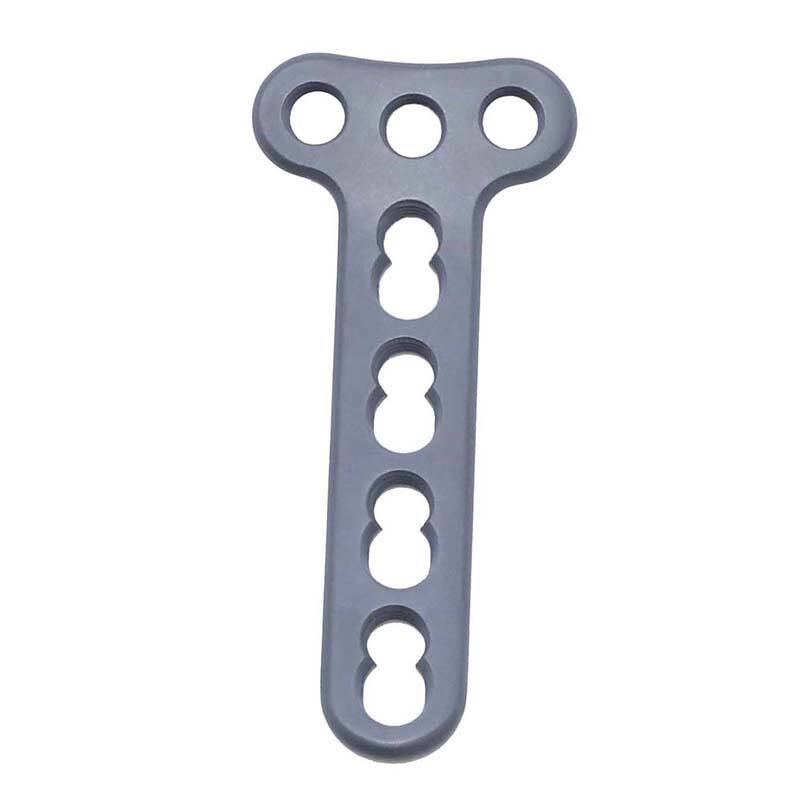
The Distal Radius Volar Double-column Locking Plate-II is a titanium alloy internal fixation implant designed for advanced management of distal radius fractures through a volar approach. As an evolution of double-column fixation systems, this plate is engineered to provide enhanced support to both the radial and intermediate columns of the distal radius, ensuring balanced load distribution and stable fracture fixation.
Advantages
- Titanium alloy construction: High biocompatibility, corrosion resistance, and reliable long-term mechanical strength
- Enhanced double-column support: Provides stable fixation across radial and intermediate columns for improved load sharing
- Optimized plate geometry (Type II): Improved screw trajectory options for better fragment capture and fixation flexibility
- Locking screw system: Ensures angular stability, particularly in comminuted and osteoporotic fractures
- Volar anatomical contouring: Designed for accurate fit and reduced soft tissue irritation
- Improved articular reconstruction: Supports precise alignment of intra-articular fracture fragments
Application
- Complex intra-articular distal radius fractures
- Multi-fragment (comminuted) distal radius fractures
- Fractures involving both radial and intermediate columns
- Osteoporotic distal radius fractures
- Revision or difficult wrist fracture fixation cases
- Open reduction and internal fixation (ORIF) via volar approach
FAQ
Q1: What is the difference between Type I and Type II double-column plates?
A1: Type II plates typically feature optimized design elements such as improved screw angulation and plate contouring, allowing better fixation of complex fracture fragments.
Q2: Is this plate suitable for highly comminuted fractures?
A2: Yes. Its double-column design and multi-directional screw options make it well-suited for complex and comminuted fracture patterns.
Q3: What material is used in this implant?
A3: The plate is manufactured from medical-grade titanium alloy, ensuring strength, durability, and excellent biocompatibility.