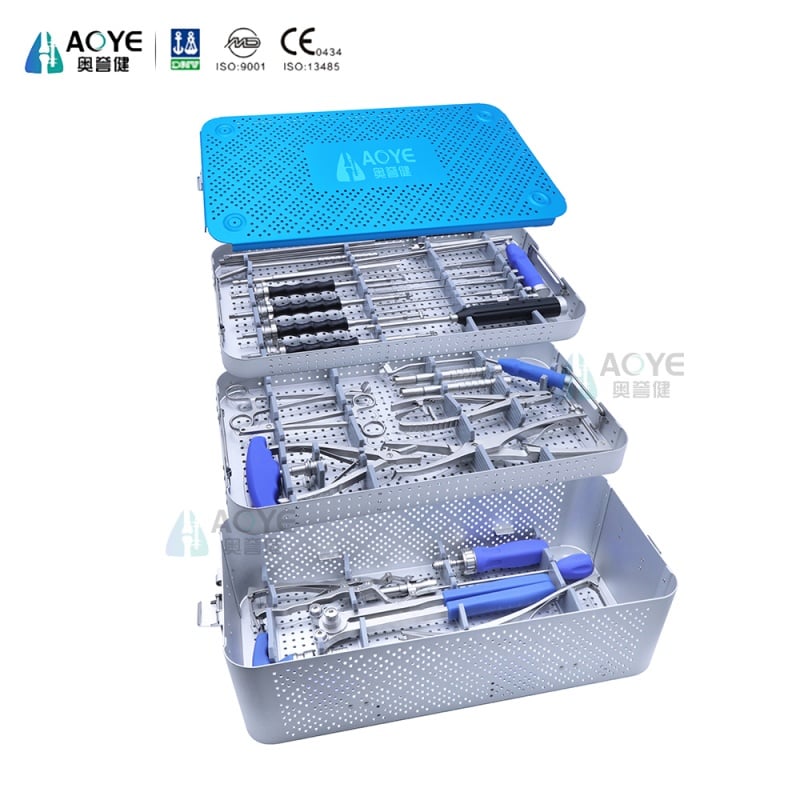
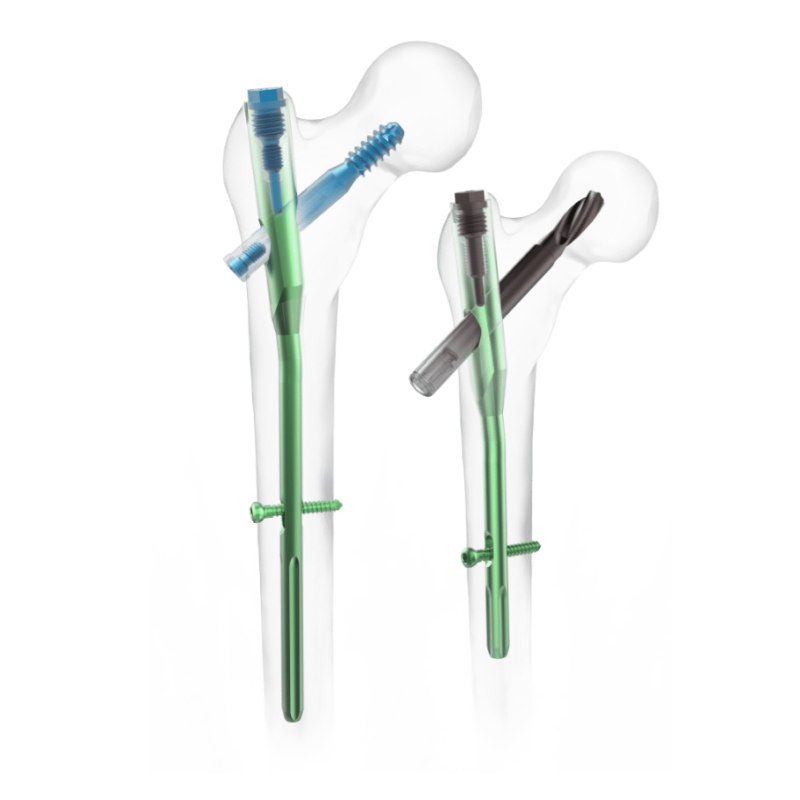
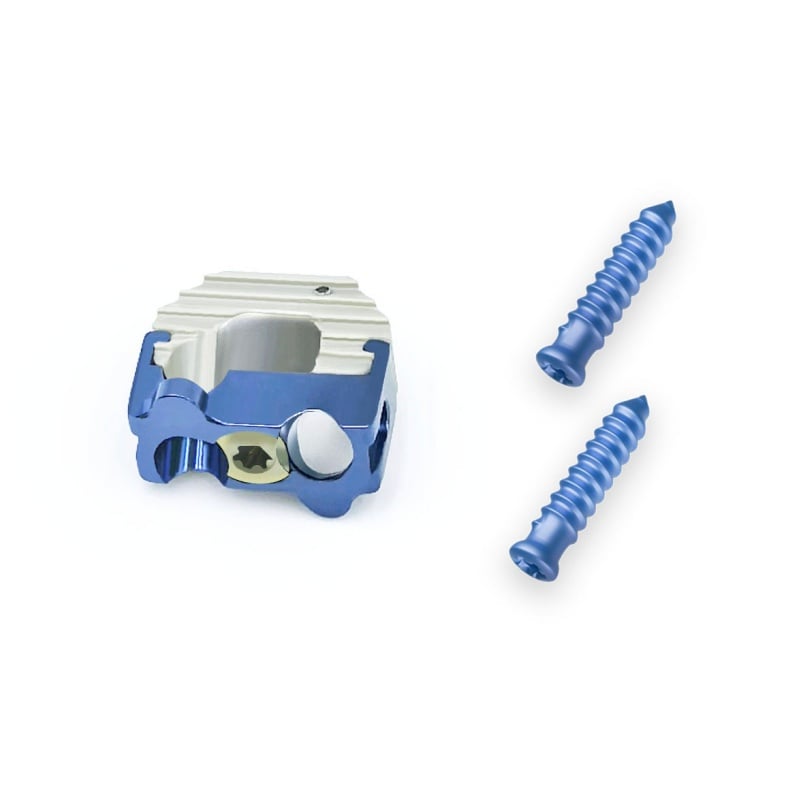
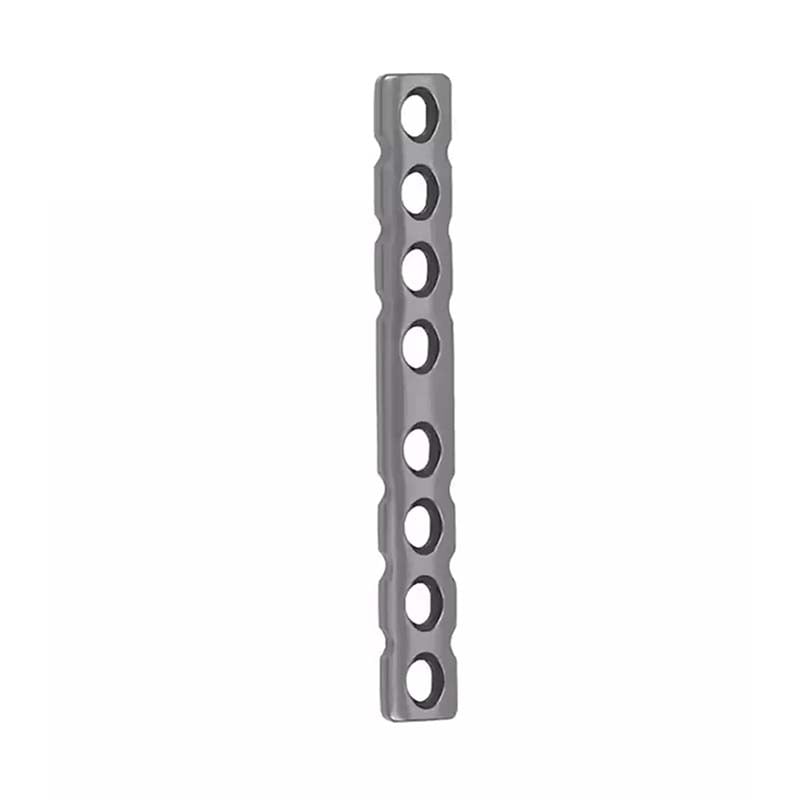
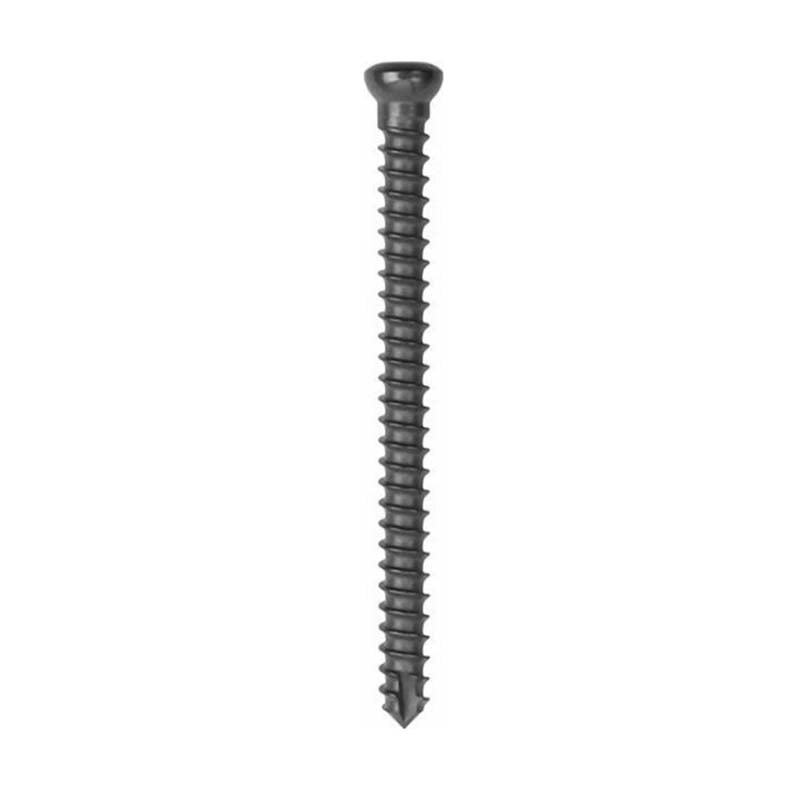
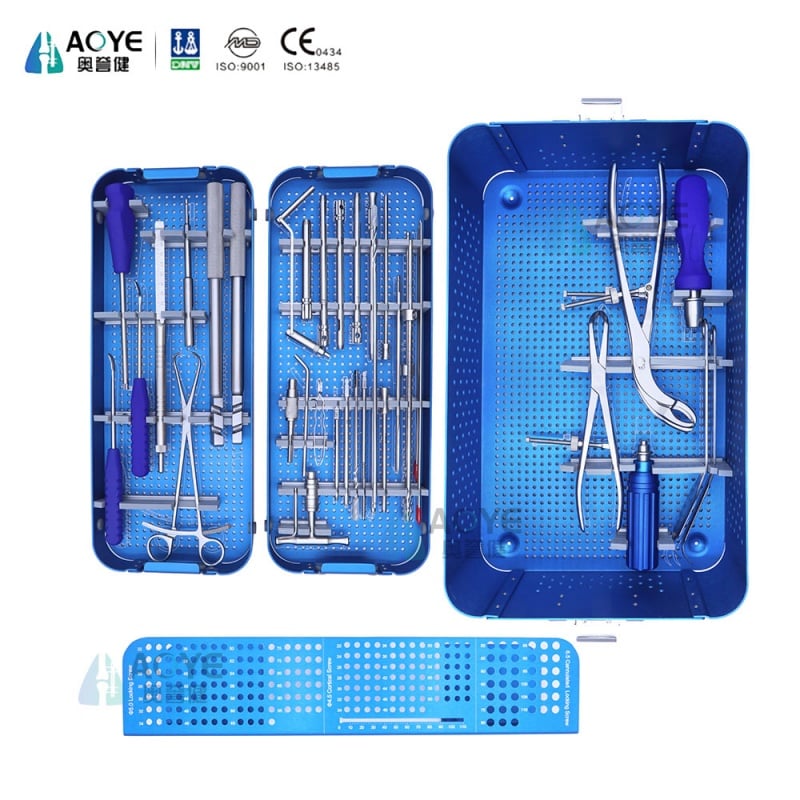
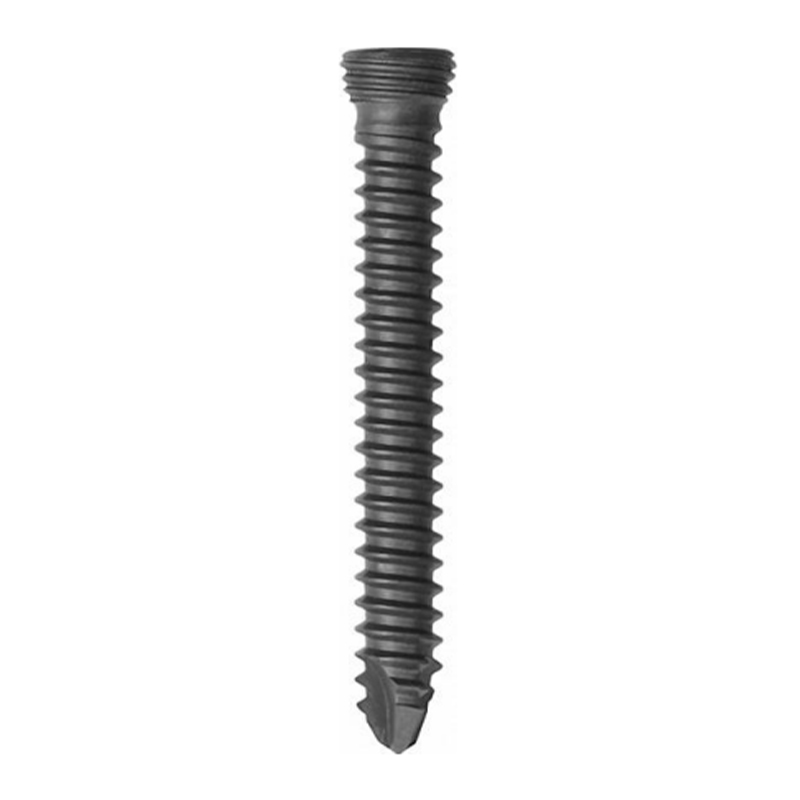
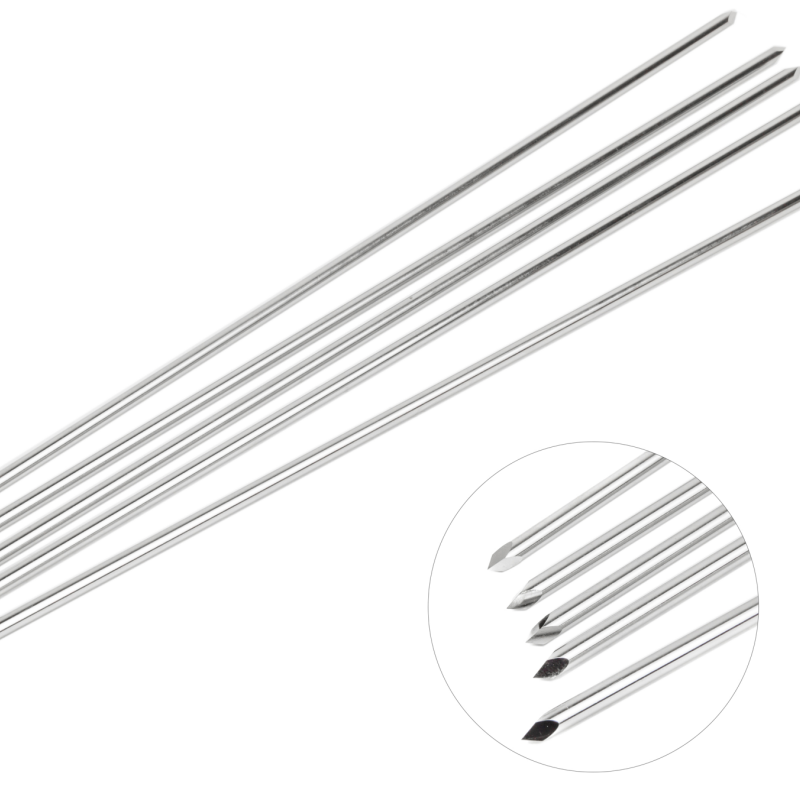
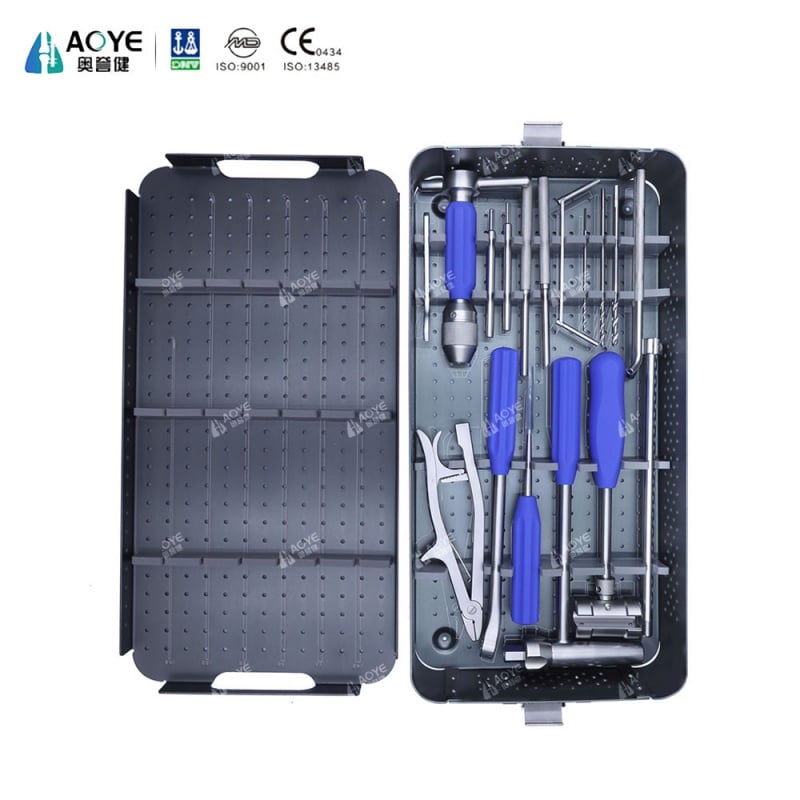
ACL PCL instrument sets are crucial tools in orthopedic surgery, specifically designed for anterior cruciate ligament (ACL) and posterior cruciate ligament (PCL) procedures. Understanding the intricacies of these instrument sets is essential for purchasing managers, distributors, and healthcare professionals involved in sourcing surgical instruments. This article aims to clarify the benefits of ACL pcl retractor instrument sets, guide buyers in selecting the right instruments, and highlight the applications and sourcing strategies to meet their needs effectively.
ACL PCL instrument sets offer several advantages that enhance the efficiency and effectiveness of orthopedic surgeries. Key benefits include:
Specialized Instruments: These sets typically include a variety of tools tailored for specific procedures, such as drills, saws, and guides, designed to facilitate precise ligament reconstruction. The design and functionality of these instruments contribute to reduced surgical time and improved outcomes.
Enhanced Surgical Precision: The use of dedicated instruments helps surgeons achieve better alignment and fixation of grafts, which is crucial for successful recovery. This precision minimizes the risk of complications and accelerates patient rehabilitation.
Standardization: Utilizing standardized instrument sets ensures consistency across surgical procedures, which is vital for training purposes and for maintaining high-quality surgical practices.
Quality Assurance: High-quality acl pcl surgery instrument sets, like those manufactured by Aoyujian Medical, adhere to rigorous standards, ensuring reliability and safety during procedures. The ISO13485 and CE certifications reflect the commitment to quality in manufacturing.
Selecting the appropriate ACL PCL instruments for wholesale orders requires careful consideration of several factors:
Specifications: Buyers should evaluate the specific instruments included in the set. Important factors include the dimensions, material composition, and ergonomic design. Each of these aspects can impact the usability and effectiveness of the instruments during surgery.
Customization Options: Many manufacturers offer customization capabilities. Buyers should inquire about options to modify instrument sizes or configurations to fit particular surgical techniques or preferences.
Quality Standards: Ensure that the manufacturer complies with international quality standards, such as ISO13485 and CE certifications. This guarantees that the instruments are produced under strict quality control processes, minimizing the risk of defects.
Cost Considerations: Pricing can vary significantly based on the materials used and the complexity of the instrument designs. Buyers should weigh the cost against the expected performance and longevity of the instruments.
Lead Time and MOQ: Understand the lead time required for production and the minimum order quantity (MOQ). This information is crucial for planning inventory and ensuring timely availability for surgical procedures.
When preparing for an RFQ (Request for Quotation) for ACL PCL instrument sets, buyers should consider the following checklist:
Product Type and Model: Specify the exact type of acl mcl pcl surgery instruments needed, including model numbers if applicable. Application Details: Provide information about the intended surgical procedures to ensure compatibility and appropriateness of the instruments. Performance Requirements: Discuss the expected performance levels, such as durability and precision, to align with surgical goals.Technical Drawings: If customization is required, include technical drawings or specifications to communicate exact needs to the manufacturer. Packaging and Shipping: Clarify packaging requirements and shipping destinations to ensure that the instruments arrive in optimal condition and on time.
Sourcing reliable ACL PCL instrument sets involves identifying trustworthy manufacturers and suppliers. Consider the following strategies:
Industry Research: Conduct thorough research to identify manufacturers with a solid reputation in the orthopedic instrument market. Look for companies that specialize in ACL and PCL instruments and have a track record of serving multiple countries, indicating reliability and experience.
Certifications and Quality Control: Ensure the manufacturer has appropriate certifications, such as ISO13485 and CE. These designations indicate that the company adheres to stringent quality management systems.
Direct Engagement: Reach out to manufacturers directly to discuss specific needs and gauge their responsiveness. A manufacturer like Aoyujian Medical, with established export markets in 45 countries, demonstrates their capability to handle diverse international requirements.
Trade Shows and Conferences: Attend industry trade shows and conferences to meet manufacturers in person. This provides an opportunity to assess product quality, ask questions, and establish relationships.
ACL PCL instrument sets are utilized in various orthopedic procedures, particularly in ligament reconstruction surgeries. Their applications include:
ACL Reconstruction: The primary use of these instrument sets is in ACL reconstruction procedures, where precision is critical for successful graft fixation. Instruments such as reamers and fixation devices are essential for this application.
PCL Reconstruction: Similar to ACL procedures, PCL reconstruction also requires specialized instruments to ensure proper alignment and stability of the graft. The tools used must facilitate access to deeper knee structures.
Meniscal Repairs: In some cases, the instruments can be adapted for meniscal repairs, where maintaining the integrity of the knee joint is essential for patient recovery.
Training and Education: These instrument sets are also used in training scenarios, allowing new surgeons to familiarize themselves with the tools and techniques before performing actual surgeries.
In summary, understanding the benefits, selection criteria, sourcing strategies, and applications of ACL PCL instrument sets is vital for professionals involved in orthopedic procedures. By focusing on quality, specifications, and potential customizations, buyers can make informed decisions that enhance surgical outcomes and patient care.
Aoyujian Medical Technology provides trusted orthopedic solutions, high-quality implants, OEM/ODM services, and global shipping for hospitals & distributors.
No. 2 Changting Road, Gehu Farm, Wujin Economic Development Zone, Changzhou, Jiangsu, China
Copyright © Aoyujian Medical Technology (Changzhou) Co., Ltd. All Rights Reserved - Privacy Policy - Blog
 EN