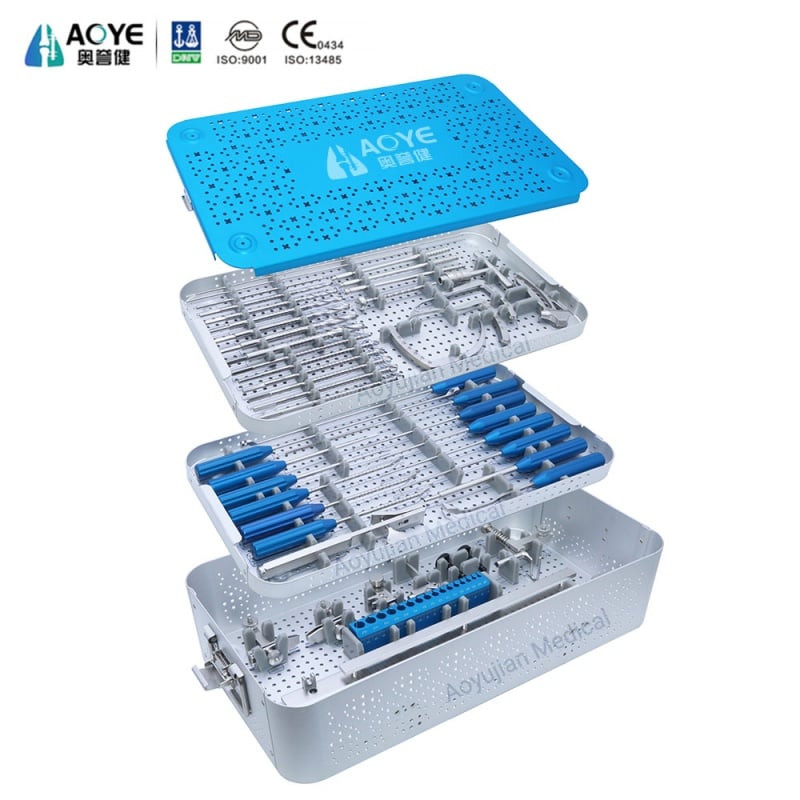
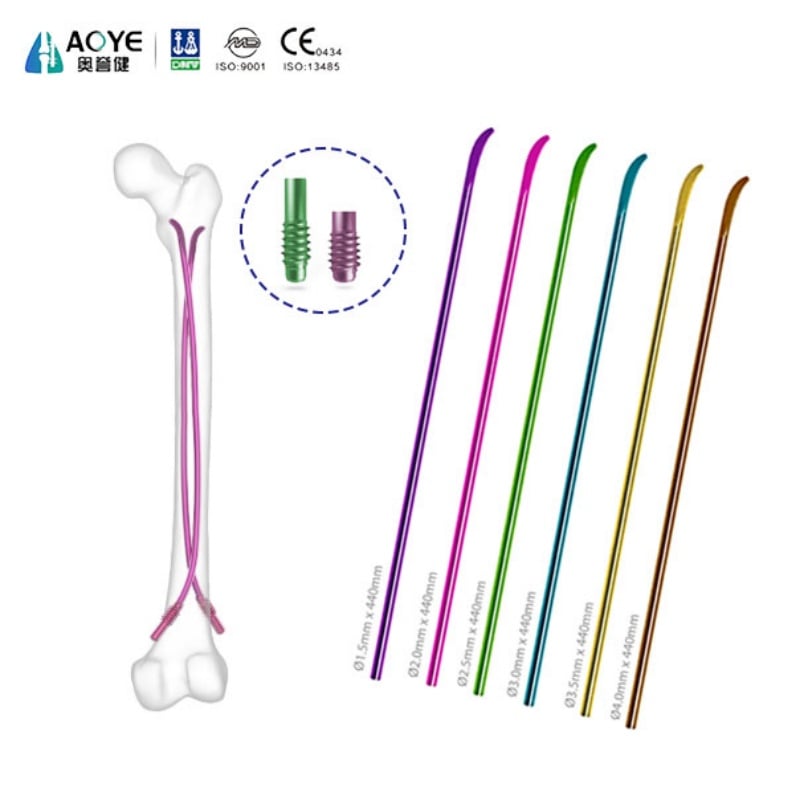
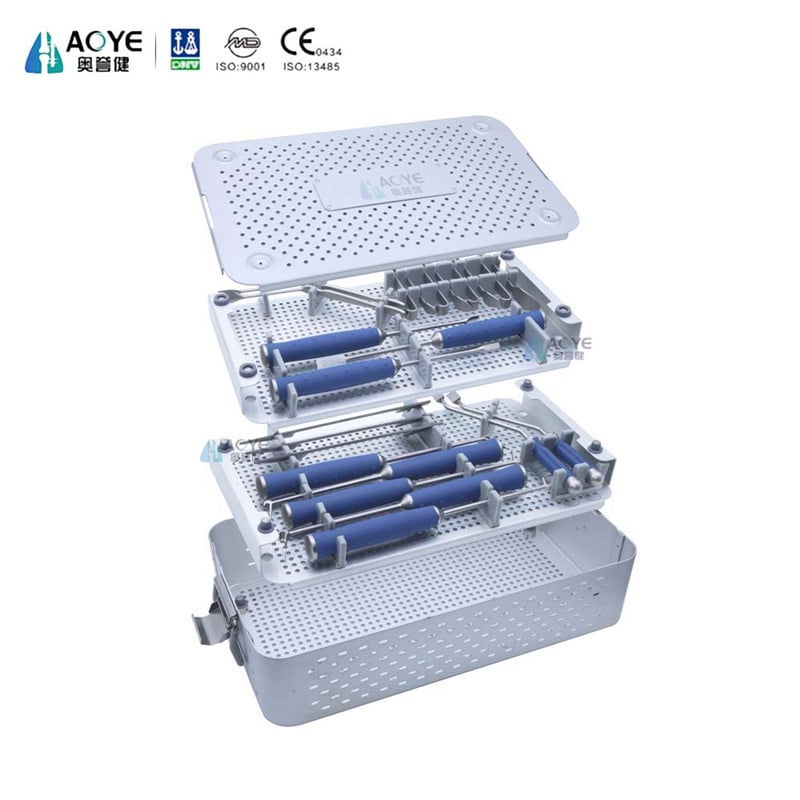
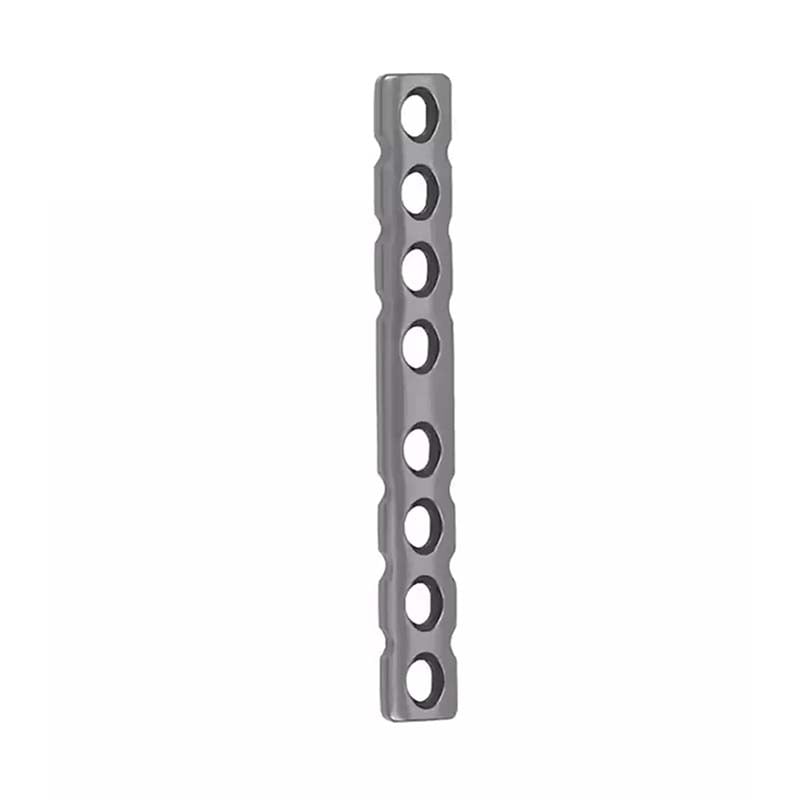
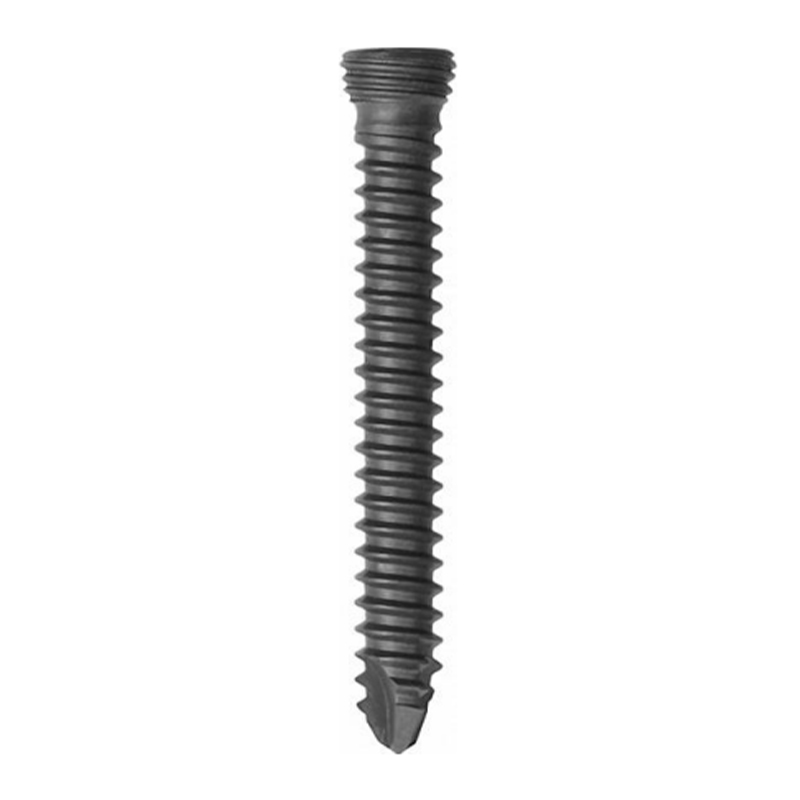
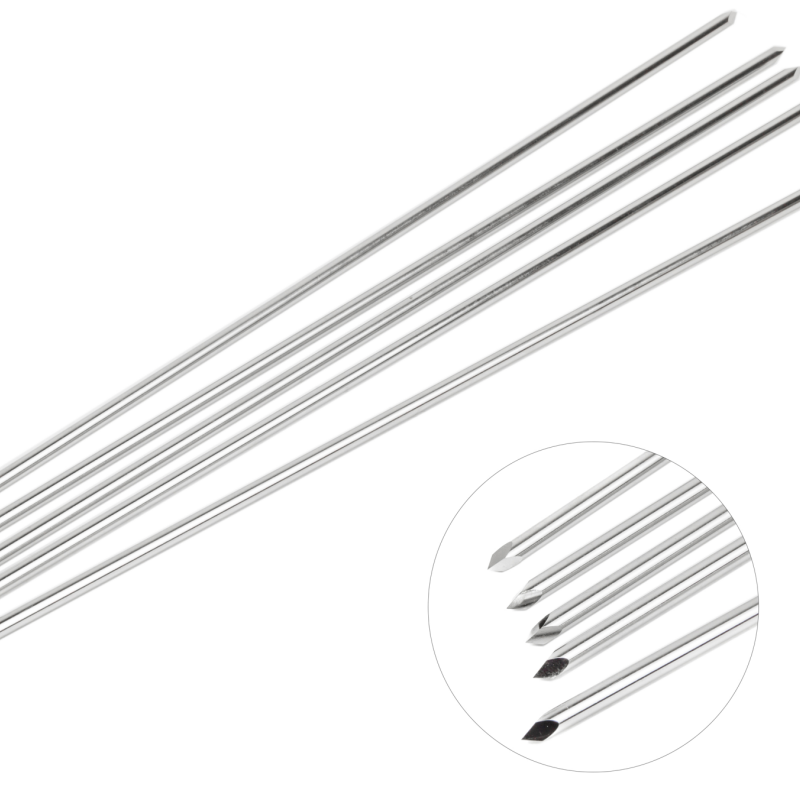
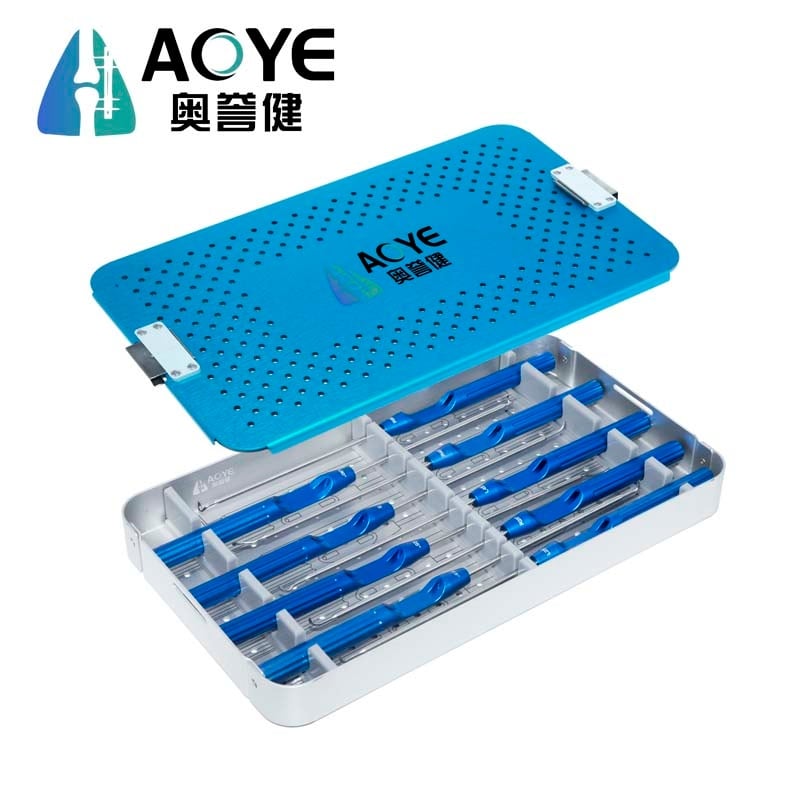
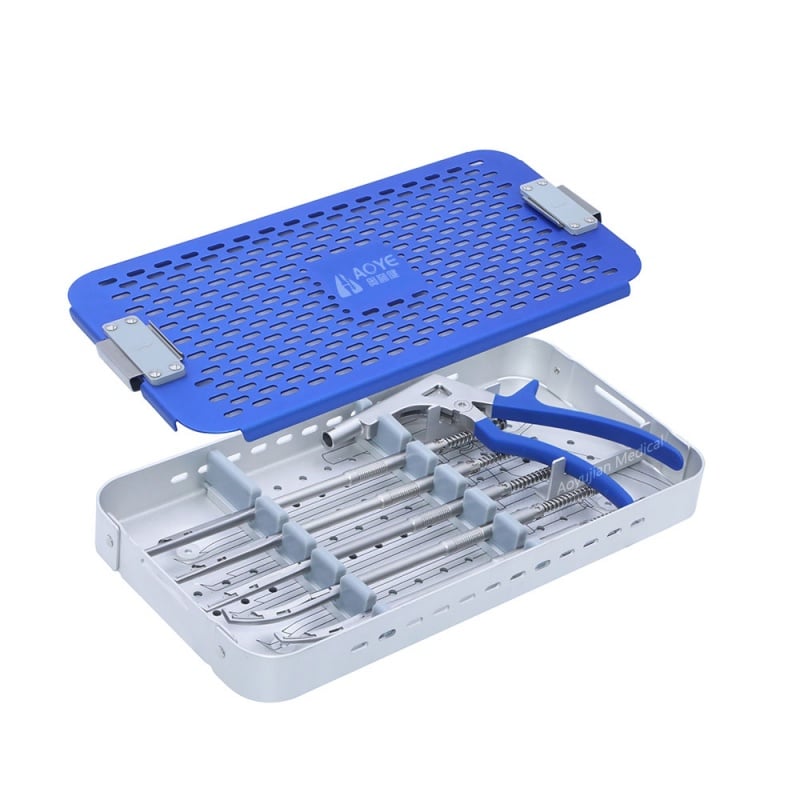
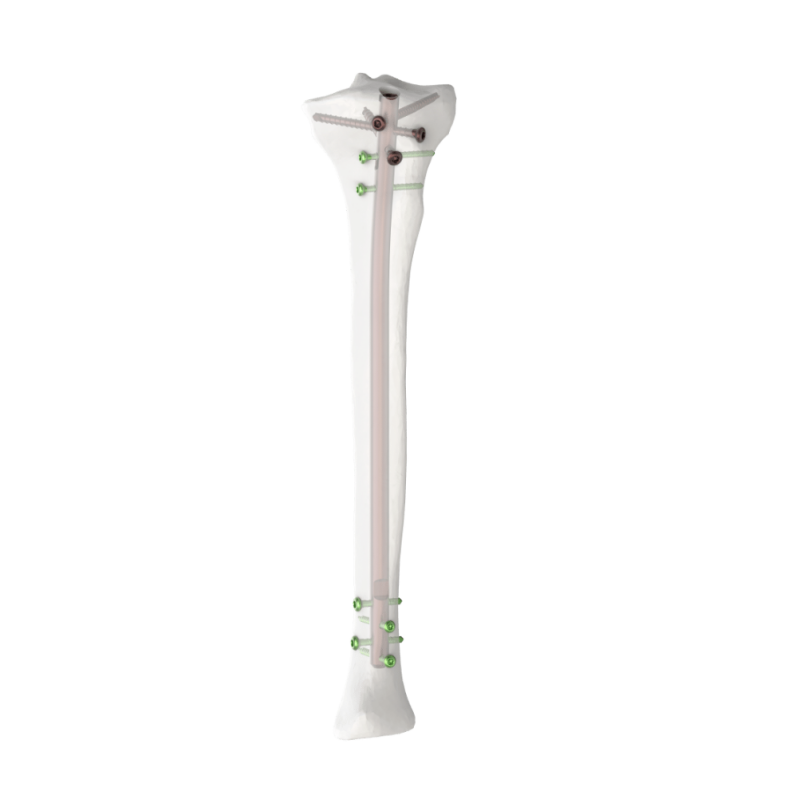
An anatomical clavicle plate is a specialized orthopedic implant designed to stabilize and support fractures of the clavicle. For purchasing managers and distributors in the medical field, understanding the specifications, quality measures, and cost factors of these radius plate is vital. This article will guide you through essential considerations when selecting anatomical clavicle plates, ensuring you make informed purchasing decisions that align with your specific needs and those of your clients.
An anatomical clavicle plate typically features a variety of specifications that are crucial for its performance in surgical applications. Key specifications include material composition, dimensions, and design features that cater to the unique anatomy of the clavicle. Most commonly, these plates are made from titanium or stainless steel due to their excellent biocompatibility and strength.
The design of the plate is also critical; anatomical plates are contoured to match the natural shape of the clavicle, which aids in proper fit and stability. Buyers should pay attention to the titanium bone plate length, width, and thickness, as these dimensions must correspond to the specific requirements of the patient and the surgical procedure. Additionally, consider the screw hole pattern and the number of screws the plate can accommodate, which affect the overall fixation strength.
Understanding these specifications is essential, as an improperly sized or configured plate can lead to complications such as nonunion or malunion of the fracture. Buyers should ensure that the anatomical clavicle plate meets the needs of the surgical team and the patients they will serve.
When selecting an anatomical clavicle plate, buyers should first evaluate the intended application and the specific patient population. Factors such as age, activity level, and the nature of the clavicle injury all influence the choice of the plate. For example, a plate designed for a high-impact athlete may differ from one intended for a more sedentary individual.
Next, consider customization options. Many manufacturers, including Aoyujian Medical, offer customization capabilities that allow you to select specific sizes, materials, and even surface treatments. Customization can enhance the compatibility of the platinum plate for surgery with the patient's anatomy, increasing the likelihood of successful outcomes.
Buyers should also review the manufacturer’s technical documentation, including any clinical studies or data that demonstrate the effectiveness and reliability of the product. This information can be critical in making a decision, especially for hospitals or clinics looking to establish a long-term partnership with a supplier.
Quality control is paramount when ordering anatomical clavicle plates in bulk. Buyers should ensure that the manufacturer adheres to stringent quality assurance processes, such as ISO 13485 certification, which indicates compliance with international standards for medical devices. This certification is crucial for ensuring that the products are consistently manufactured to meet safety and performance standards.
When evaluating bulk orders, request samples to assess the quality firsthand. Important aspects to inspect include the surface finish, dimensional accuracy, and overall craftsmanship. A well-manufactured plate should have a smooth finish, with no visible defects or irregularities that could impact its performance.
Additionally, inquire about the quality inspection processes employed by the manufacturer. Understanding how the company conducts inspections and what metrics they use to evaluate product quality can provide buyers with confidence in their purchasing decision.
The cost of anatomical clavicle plates can vary significantly based on several factors. Firstly, the material chosen for the plates can greatly affect pricing; titanium plates tend to be more expensive than stainless steel due to their superior properties. Buyers should weigh the benefits of material selection against their budget constraints.
Another factor to consider is the minimum order quantity (MOQ). Manufacturers may offer lower unit prices for larger orders, but buyers should assess their actual needs to avoid overstocking. It's also important to factor in shipping costs, especially for international orders, as these can impact the overall cost significantly.
Lastly, consider the potential for custom designs. Customization may involve additional costs but can yield better outcomes and patient satisfaction, ultimately justifying the investment. Buyers should engage in discussions with manufacturers about pricing structures and explore options that align with their financial limitations while still ensuring quality.
To ensure a smooth purchasing process for anatomical clavicle plates, follow these best practices:
Detailed Specifications: When requesting quotations, provide comprehensive specifications, including the type of material, dimensions, and required quantity. This information will help manufacturers deliver accurate pricing and lead times.
Sample Approval: Always request samples before proceeding with bulk orders. Testing samples under simulated surgical conditions can help identify any potential issues with fit or performance.
Supplier Evaluation: Conduct thorough evaluations of potential suppliers. Look for manufacturers with a proven track record in the orthopedic field, and verify their certifications and quality control processes.
Ongoing Communication: Maintain open lines of communication with your supplier throughout the ordering process. Address any concerns promptly to avoid complications during production and delivery.
Post-Purchase Assessment: After receiving your order, conduct a thorough inspection of the anatomical clavicle plates before distributing them for use. This practice helps identify any issues early and ensures that only high-quality products reach healthcare professionals.
By following these practices, buyers can enhance their procurement process, ensuring they select the right anatomical clavicle plates that meet the needs of both surgeons and patients effectively.
Aoyujian Medical Technology provides trusted orthopedic solutions, high-quality implants, OEM/ODM services, and global shipping for hospitals & distributors.
No. 2 Changting Road, Gehu Farm, Wujin Economic Development Zone, Changzhou, Jiangsu, China
Copyright © Aoyujian Medical Technology (Changzhou) Co., Ltd. All Rights Reserved - Privacy Policy - Blog
 EN