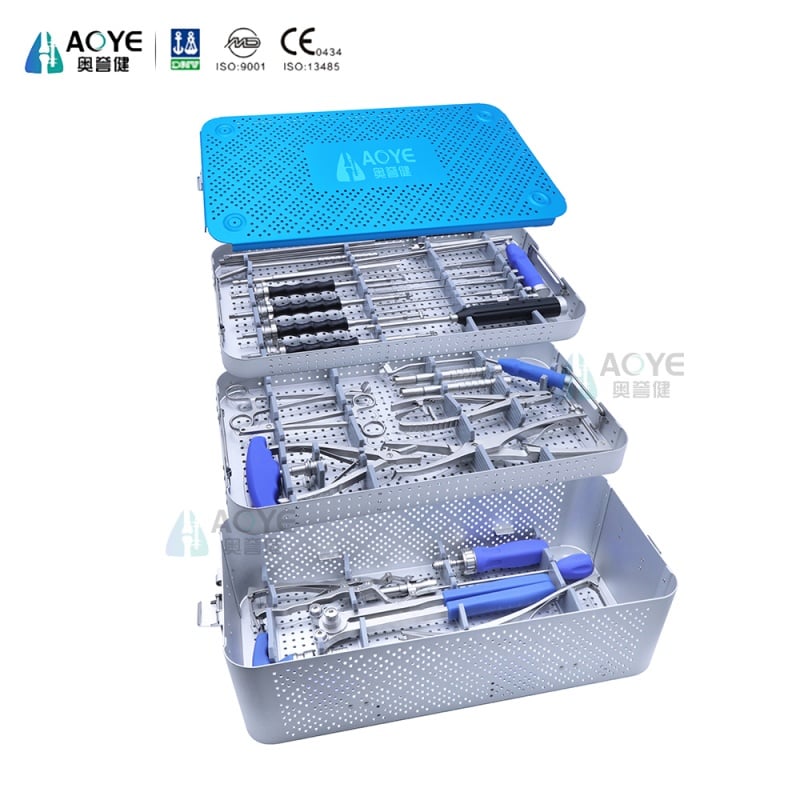
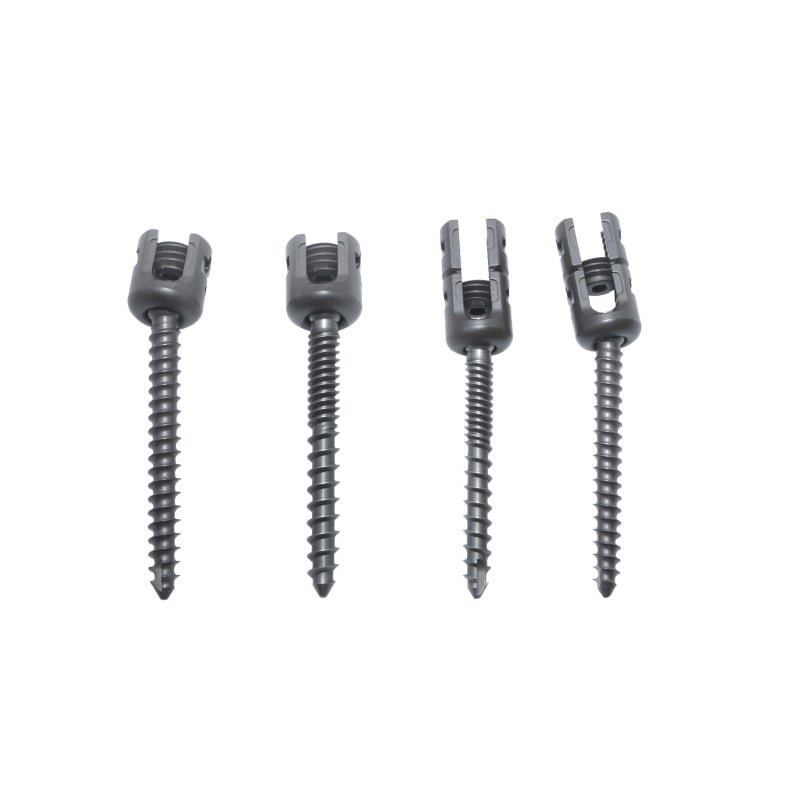
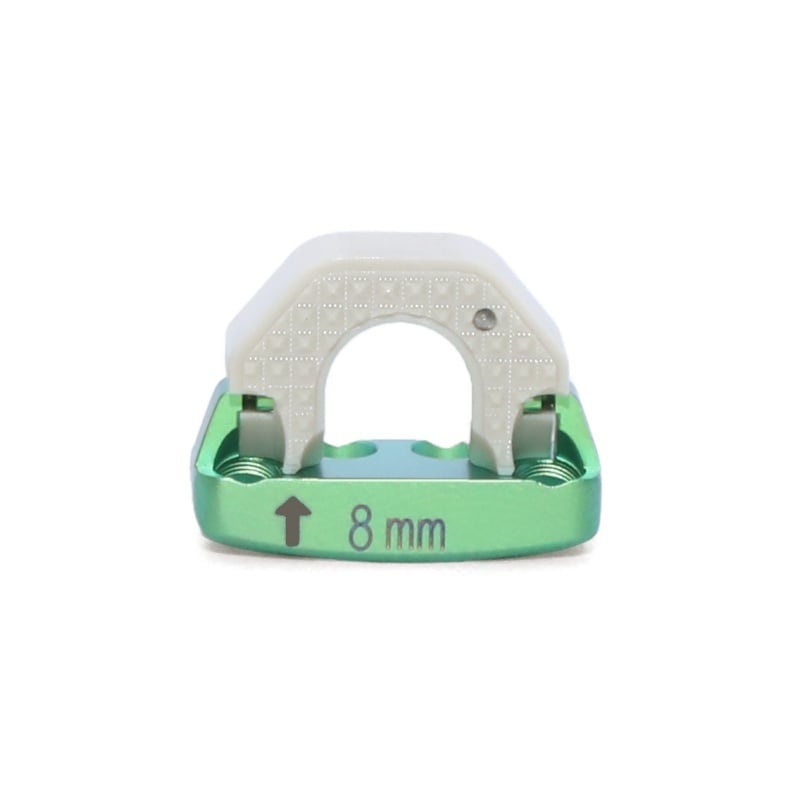
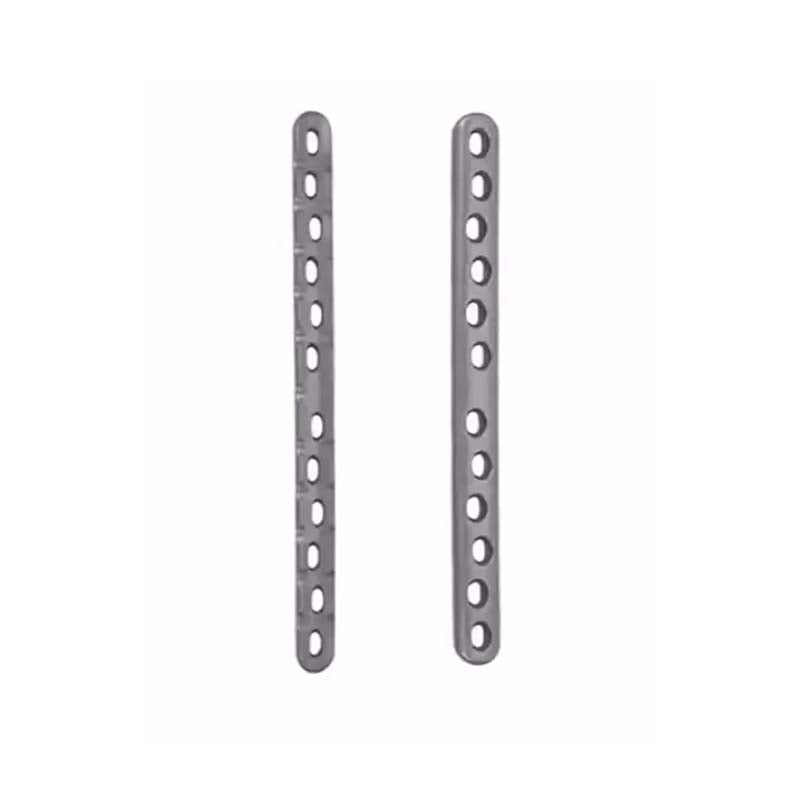
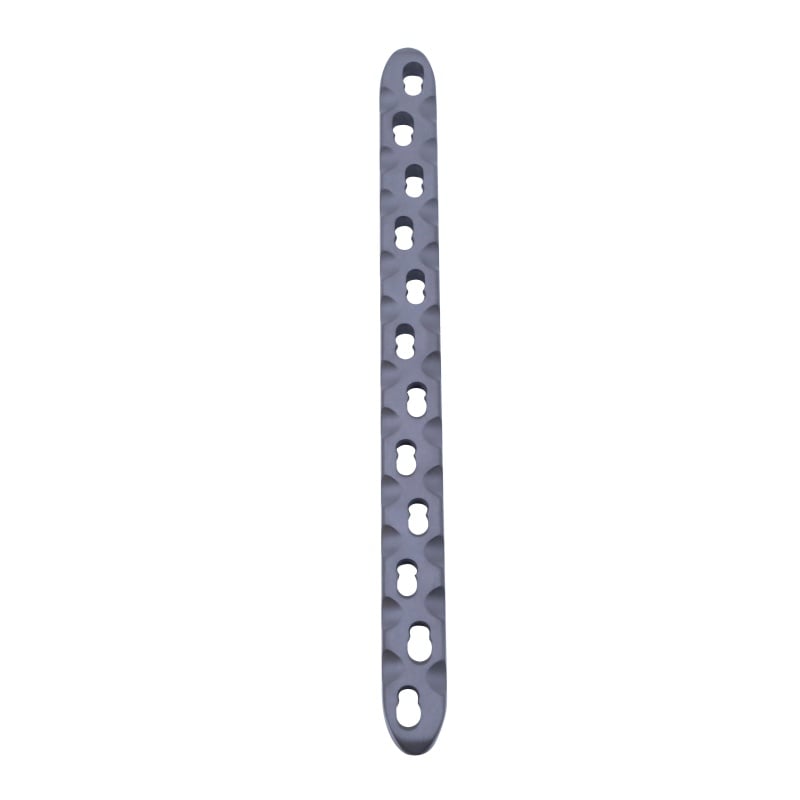
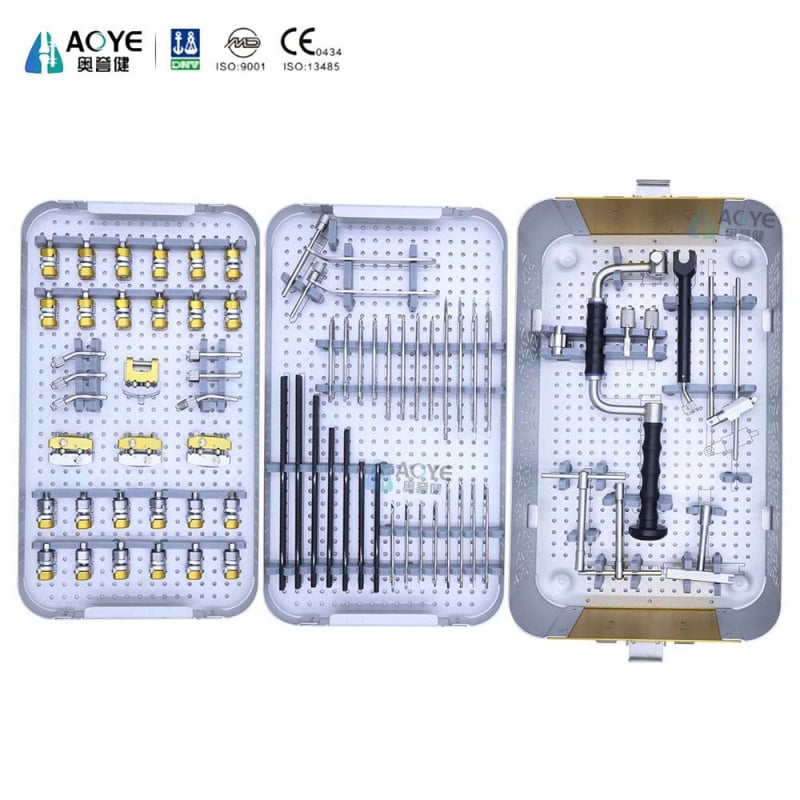
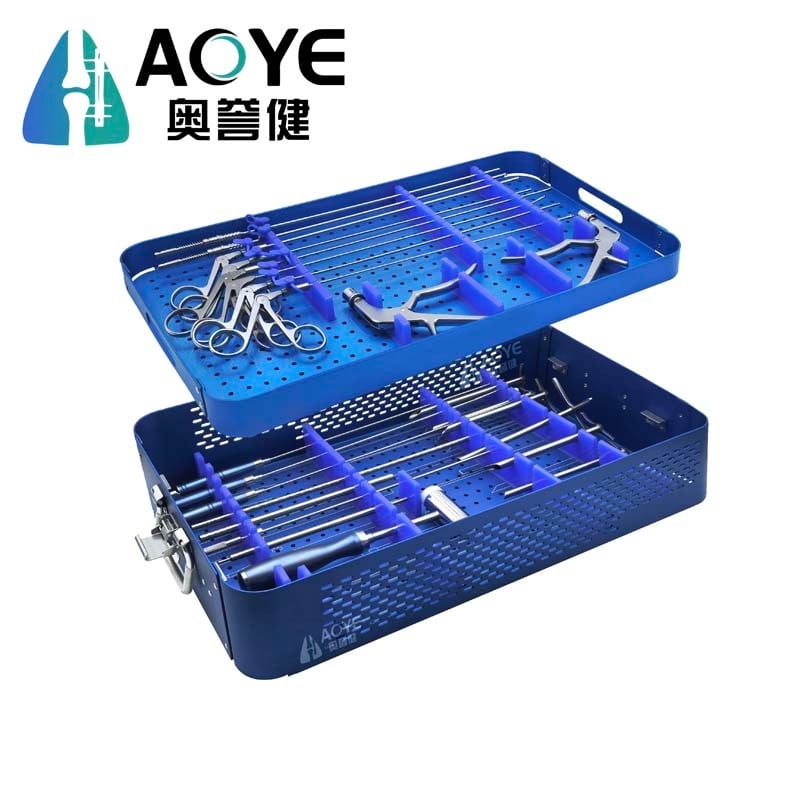
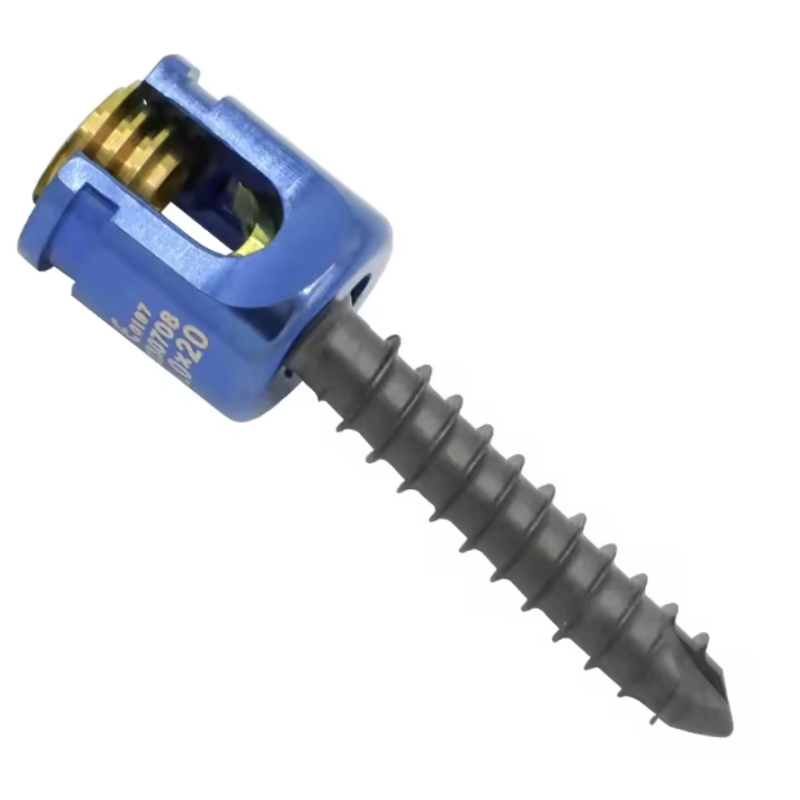
Orthopedic surgical plates are critical components in the field of orthopedics, designed to stabilize and support fractured bones or joints during the healing process. As B2B buyers, purchasing managers, and medical professionals in this space, concerns often revolve around product quality, specifications, and supplier reliability. This article will guide you through essential considerations when selecting orthopedic surgical plates, ensuring you make informed decisions that align with your clinical and operational needs.
Choosing a reliable supplier for orthopedic surgical plates requires a thorough evaluation of several factors. First, examine the supplier's certifications, such as ISO13485 and CE marking, which indicate compliance with international quality management and safety standards. Aoye, for example, is ISO13485/CE certified and has a proven track record in providing orthopedic implants and instruments, ensuring adherence to rigorous quality standards.
Next, consider the supplier's experience in the orthopedic surgical drills. Look for manufacturers that have experience exporting to multiple countries, as this can indicate an established reputation and understanding of diverse market requirements. Additionally, evaluate their customer service capabilities, including responsiveness to inquiries and willingness to provide technical support.
Lastly, assess the supplier's production capabilities, including their manufacturing processes and equipment. A supplier with advanced technology and robust quality control measures is more likely to deliver consistent, high-quality products.
When evaluating orthopedic surgical plates, several key specifications are critical to ensuring their effectiveness in medical applications. These include:
Material Composition: High-quality orthopedic surgical plates are typically made from biocompatible materials such as titanium or stainless steel. Titanium plates offer excellent strength-to-weight ratios and corrosion resistance, making them suitable for long-term implantation. Ensure that the material meets the specific needs of your application, such as load-bearing capacity and potential allergic reactions.
Dimensions and Thickness: The dimensions of the plate must match the anatomical requirements of the patient. Thickness is a crucial factor that affects both the strength and flexibility of the plate. A thicker plate may provide greater stability but can also be more cumbersome. Evaluate the required thickness based on the specific application and bone density.
Surface Treatment: Surface treatments such as anodization or coating can enhance the plate's biocompatibility and reduce the risk of infection. Discuss these options with your supplier to ensure the plate's surface meets your specific clinical requirements.
Load-Bearing Capacity: The load-bearing capacity of the plate is essential to ensure it can withstand the stresses placed upon it during the healing process. Consult with the manufacturer to confirm that the specifications align with the expected physiological loads.
These specifications directly impact the performance and safety of the surgical plates, making it crucial for buyers to verify them before making purchases.
Proper installation of orthopedic surgical plates is vital to ensure successful outcomes in surgical procedures. Here are several key guidance points:
Pre-Operative Planning: Before surgery, review the surgical plan and confirm that the chosen plate matches the required specifications. This includes verifying dimensions and ensuring compatibility with the surgical tools used.
Technique: Familiarize yourself with the specific surgical technique recommended for the plate. Different plates may require unique installation methods, including the placement of screws and the approach to securing the plate to the bone.
Intraoperative Checks: During the procedure, continuously check the alignment and placement of the plate. It is essential to ensure that the plate is properly positioned to avoid complications during healing. Use imaging tools if available to verify correct placement before finalizing the installation.
Post-Operative Assessment: After installation, conduct a thorough assessment to ensure that the plate is secure and functioning as intended. Monitor the patient for any signs of complications that may arise from improper installation.
By adhering to these guidelines, surgical teams can enhance the success rates of procedures involving orthopedic instrument.
While Aoye orthopedic surgical plates are designed for durability and effectiveness, common problems can arise. Understanding these challenges can help buyers and medical professionals mitigate risks:
Plate Fracture: In some cases, plates can fracture due to excessive stress or improper installation. To prevent this, ensure that the plate is selected based on the patient's specific load requirements and that installation techniques are rigorously followed.
Infection: Surgical site infections can occur if proper sterile techniques are not maintained. Ensure that the surgical environment is sterile, and consider using antimicrobial-coated plates to reduce infection risk.
Non-Union: Instances where the bone does not heal properly can occur due to inadequate stabilization. Selecting the appropriate plate design and material for the specific application is essential. Additionally, follow up with the patient to monitor healing progression.
Screw Loosening: Over time, screws may loosen, compromising the stability of the plate. Utilize appropriate screw types and ensure they are torqued to the specifications provided by the manufacturer. Regular follow-up assessments can help identify issues early.
Understanding these common problems and their solutions allows buyers to make more informed decisions when selecting orthopedic surgical plates.
When purchasing Aoye orthopedic surgical plates, buyers should be prepared with specific information to facilitate the ordering process. Here are key points to consider:
Specifications: Clearly define the required specifications, including material, dimensions, and any surface treatments needed for the specific application.
Quantity Requirements: Determine the quantity needed for the order, as this may influence pricing and lead times. Be aware of the minimum order quantities (MOQ) set by the manufacturer.
Customization Needs: If customization is necessary, provide the manufacturer with detailed requirements, including technical drawings or specific modifications needed for the plates.
Lead Time: Inquire about the expected lead time for the order, especially if you have an urgent need. Understanding production capacity and current order volumes can help in planning.
Packaging and Shipping: Discuss packaging options to ensure that the products arrive safely and comply with relevant shipping regulations.
By being proactive and thorough in your preparation, you can streamline the purchasing process for orthopedic bone drill and ensure that you select the most suitable products for your clinical needs.
Aoyujian Medical Technology provides trusted orthopedic solutions, high-quality implants, OEM/ODM services, and global shipping for hospitals & distributors.
No. 2 Changting Road, Gehu Farm, Wujin Economic Development Zone, Changzhou, Jiangsu, China
Copyright © Aoyujian Medical Technology (Changzhou) Co., Ltd. All Rights Reserved - Privacy Policy - Blog
 EN