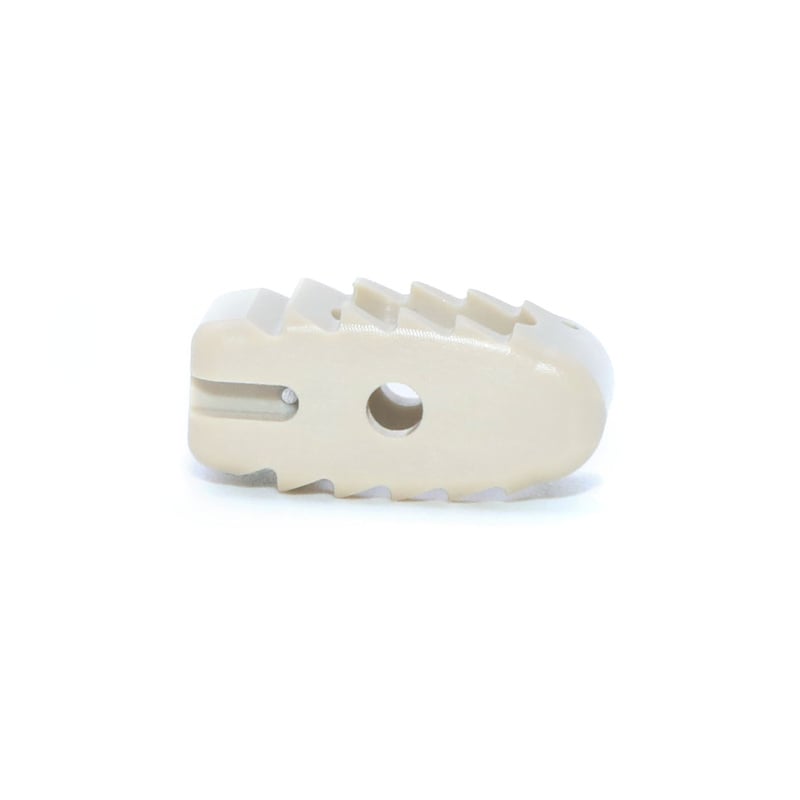
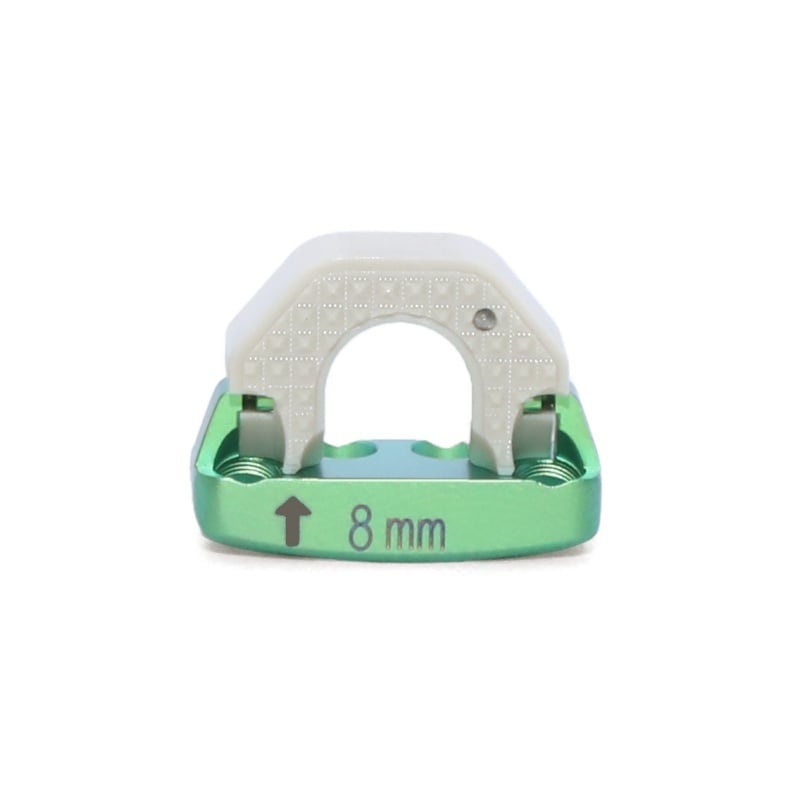
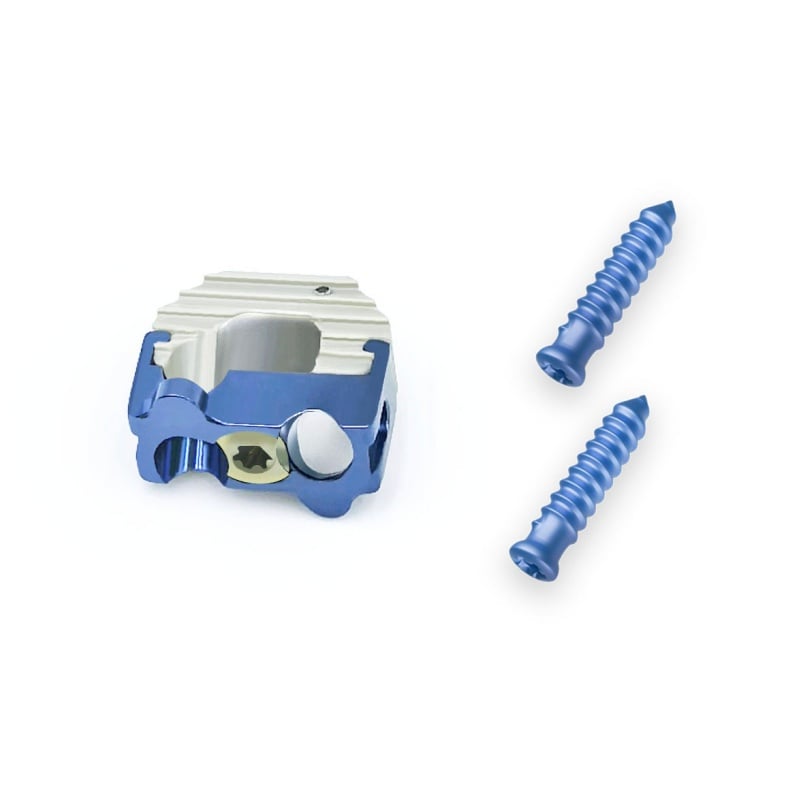
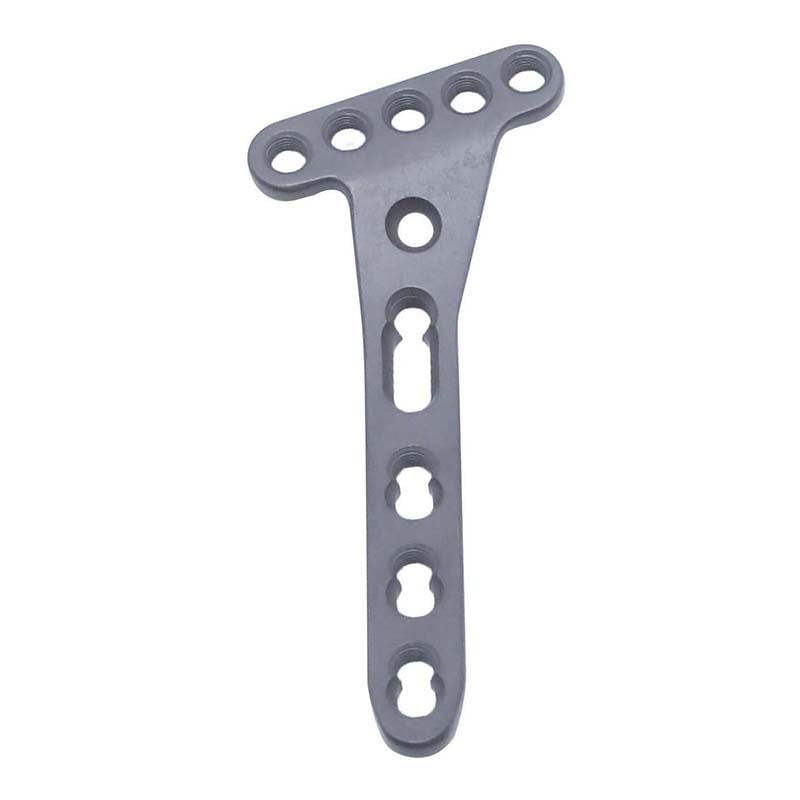
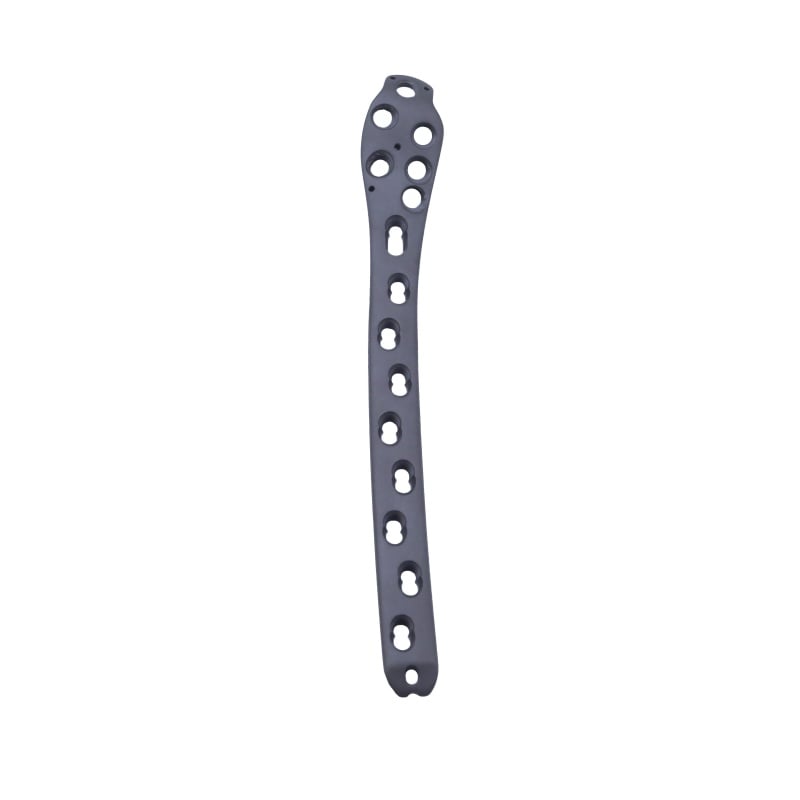
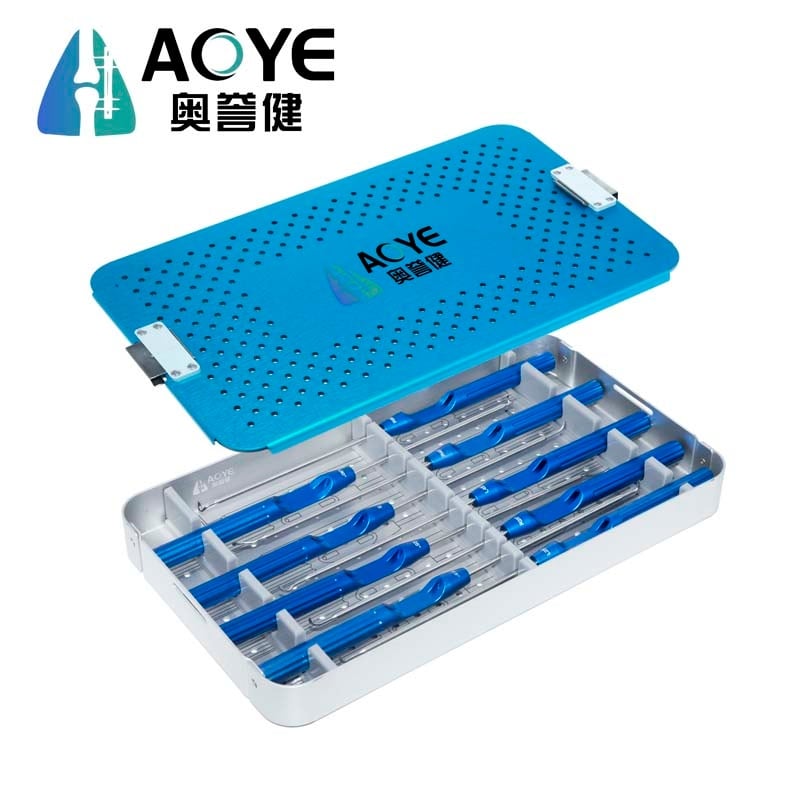
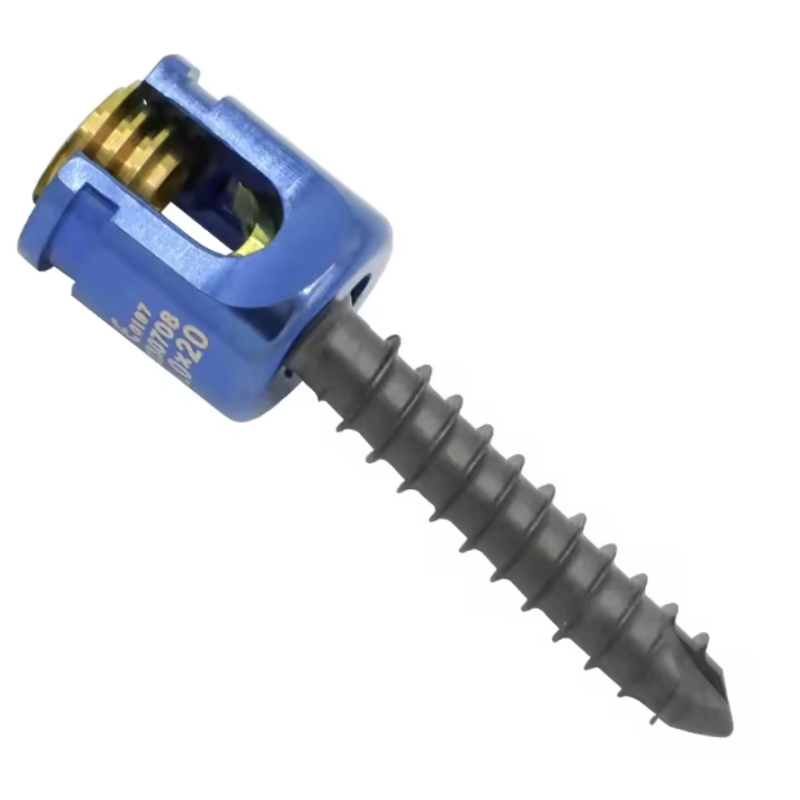
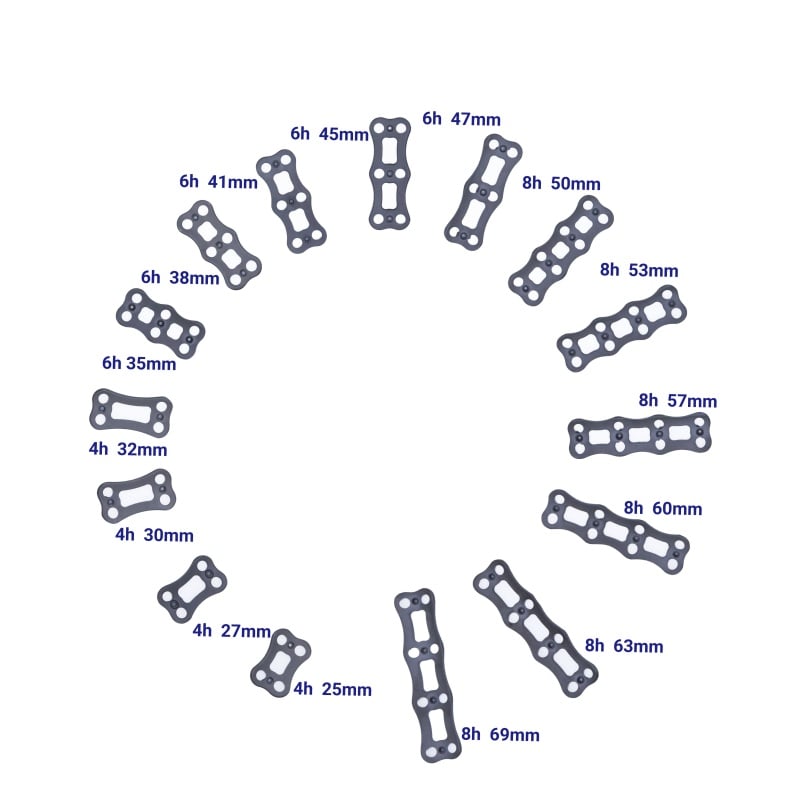
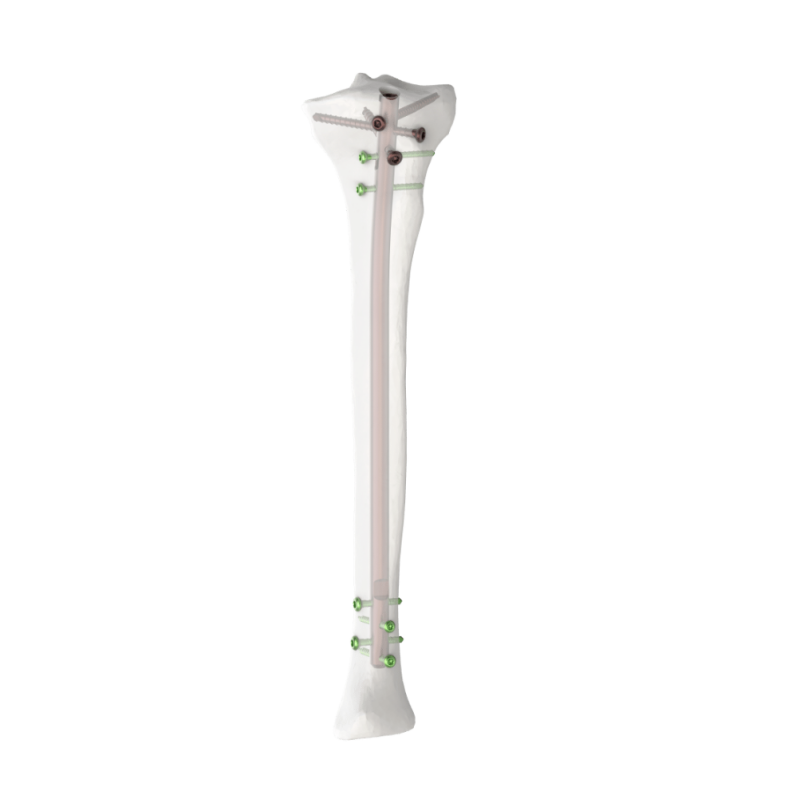
Understanding the specifications of a distal humerus anatomical plate is crucial for healthcare providers and purchasing managers in the orthopedic field. This specialized Aoye locking proximal humerus plate implant is designed to provide optimal support and stability for fractures around the elbow joint. As B2B buyers evaluate their options, they often have concerns about material quality, compatibility with surgical techniques, and the reliability of suppliers. This article will guide you through the key specifications, selection criteria, sourcing recommendations, cost considerations, and installation guidance for distal humerus anatomical plates.
Distal humerus anatomical plates are designed to closely match the unique anatomy of the distal humerus, promoting proper alignment and stability. Key specifications to consider include:
Material Composition: Aoye humerus interlocking nail are made from titanium or stainless steel, which offer different benefits. Titanium is lighter and exhibits excellent biocompatibility, while stainless steel provides durability and strength. The choice of material affects not only the weight of the implant but also its corrosion resistance and overall performance in the body.
Plate Thickness and Dimensions: The thickness of the plate can impact its strength and flexibility. Thicker plates may provide more support but can also be more difficult to implant. Dimensions must be tailored to the specific anatomy of the patient, ensuring proper fit and alignment.
Screw Hole Configuration: The design of Aoye distal radius volar plate is essential for achieving secure fixation. Plates with multiple screw holes allow for various angles of screw insertion, enhancing fixation options and stability.
Surface Treatment: Surface treatments, such as anodizing or coating, can enhance biocompatibility and reduce the risk of rejection or infection. It's vital to confirm that these treatments meet regulatory standards.
Manufacturing Standards: Ensure that the plates are manufactured under ISO13485 and CE certification, indicating compliance with quality management systems for medical devices.
Understanding these specifications will help healthcare professionals choose the right product for their clinical needs.
Selecting the appropriate distal humerus anatomical plate involves several considerations:
Patient Anatomy: Consider the specific anatomy of the patient, including age, bone density, and fracture type. Customization may be necessary to achieve the best fit and performance.
Surgical Technique: Different surgical approaches may require specific plate designs. For instance, an anterior approach may necessitate a plate with an altered screw configuration compared to a posterior approach.
Load-Bearing Requirements: Evaluate the load-bearing capacity required for the specific case. Plates must be able to withstand physiological loads while maintaining stability during healing.
Consultation with Surgeons: Collaborate closely with orthopedic surgeons to understand their preferences and requirements. Surgeons' experience with specific brands or models can provide valuable insights.
Supplier Reliability: Assess the reliability of the supplier. Look for manufacturers with a strong track record in providing high-quality implants and responsive customer support. Aoyujian Medical, for example, is recognized for its commitment to quality and service in the orthopedic field.
By carefully considering these factors, medical professionals can select a plate that ensures optimal outcomes for their patients.
Sourcing reliable suppliers is a critical step for healthcare providers and purchasing managers. Here are some strategies:
Industry Connections: Leverage industry networks and attend orthopedic conferences to meet potential suppliers. Engaging with fellow professionals can provide valuable recommendations.
Online Research: Utilize online platforms and directories to identify manufacturers specializing in orthopedic implants. Look for companies with positive reviews and a history of successful partnerships.
Certifications and Compliance: Ensure that suppliers hold necessary certifications such as ISO13485 and CE. This indicates adherence to quality standards and regulatory compliance.
Request Samples: Before placing bulk orders, request samples to evaluate the product quality directly. Assess the fit, finish, and overall craftsmanship of the plates.
Evaluate Customer Support: Consider the level of customer support offered by suppliers. Efficient communication and responsiveness can significantly impact your experience throughout the purchasing process.
By employing these strategies, buyers can find trustworthy suppliers that meet their specific needs for distal humerus anatomical plates.
Cost is a significant factor in the procurement process, and various elements can influence pricing:
Material Costs: The choice of materials, such as titanium vs. stainless steel, can significantly affect the base price of the plates. Titanium, while often more expensive, may offer long-term benefits related to biocompatibility.
Manufacturing Complexity: Plates that require advanced manufacturing processes, such as custom designs or unique surface treatments, may incur higher costs.
Order Quantity: Bulk purchasing can reduce unit costs. Assess the minimum order quantities (MOQ) and negotiate pricing based on anticipated usage.
Shipping and Handling: Include shipping costs in your overall budget. Depending on the supplier's location and your delivery requirements, shipping can vary significantly.
Warranty and Support: Consider the warranty offered by the manufacturer. A robust warranty can protect your investment and provide peace of mind regarding product performance.
Understanding these cost factors will enable buyers to make informed decisions while balancing quality and budget constraints.
Proper installation is crucial for the success of distal humerus anatomical plates. Here are key points to consider:
Preoperative Planning: Surgeons should conduct thorough anatomical assessments preoperatively. This will inform the surgical approach and the specific plate required.
Surgical Technique: Following established surgical protocols is essential. Surgeons must ensure that the plate is correctly aligned and securely fastened to achieve optimal fixation.
Intraoperative Verification: Use imaging techniques, such as fluoroscopy, to verify the position of the plate and screws during surgery. Ensuring accurate placement can help prevent complications.
Postoperative Care: Educate patients on postoperative care, including activity restrictions and follow-up appointments. Monitoring healing is vital to ensure that the implant functions as intended.
Training and Resources: Consider providing training sessions for surgical teams on the use of specific plates. This can enhance confidence in the procedure and improve patient outcomes.
By adhering to these guidelines, healthcare providers can ensure successful installation and long-term performance of distal humerus anatomical plates.
By understanding the specifications, selecting the right product, sourcing reliable suppliers, considering cost factors, and following installation guidance, B2B buyers can confidently navigate the complexities of purchasing distal humerus anatomical plates.
Aoyujian Medical Technology provides trusted orthopedic solutions, high-quality implants, OEM/ODM services, and global shipping for hospitals & distributors.
No. 2 Changting Road, Gehu Farm, Wujin Economic Development Zone, Changzhou, Jiangsu, China
Copyright © Aoyujian Medical Technology (Changzhou) Co., Ltd. All Rights Reserved - Privacy Policy - Blog
 EN