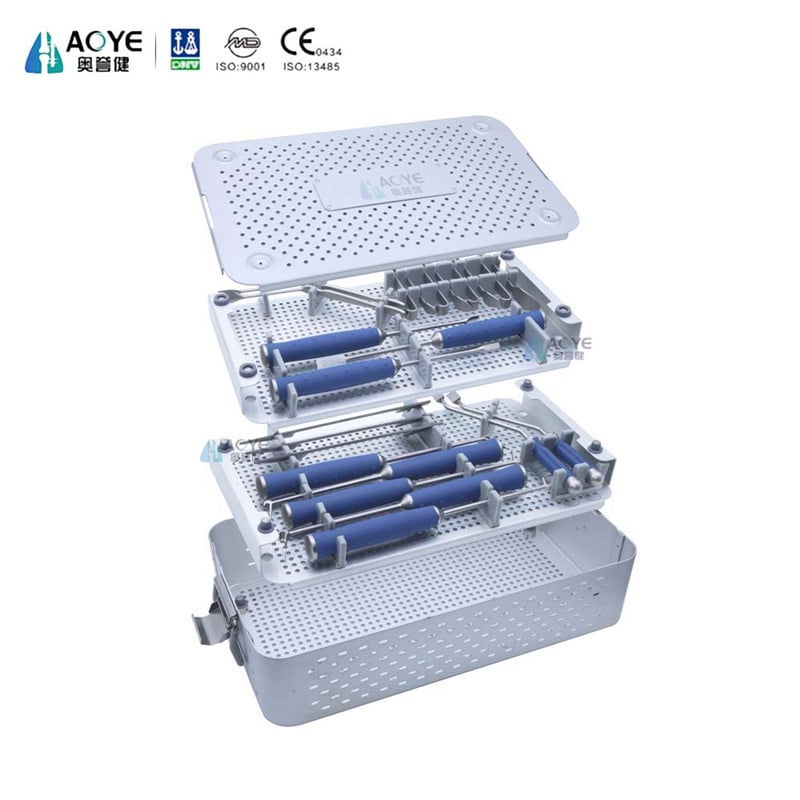
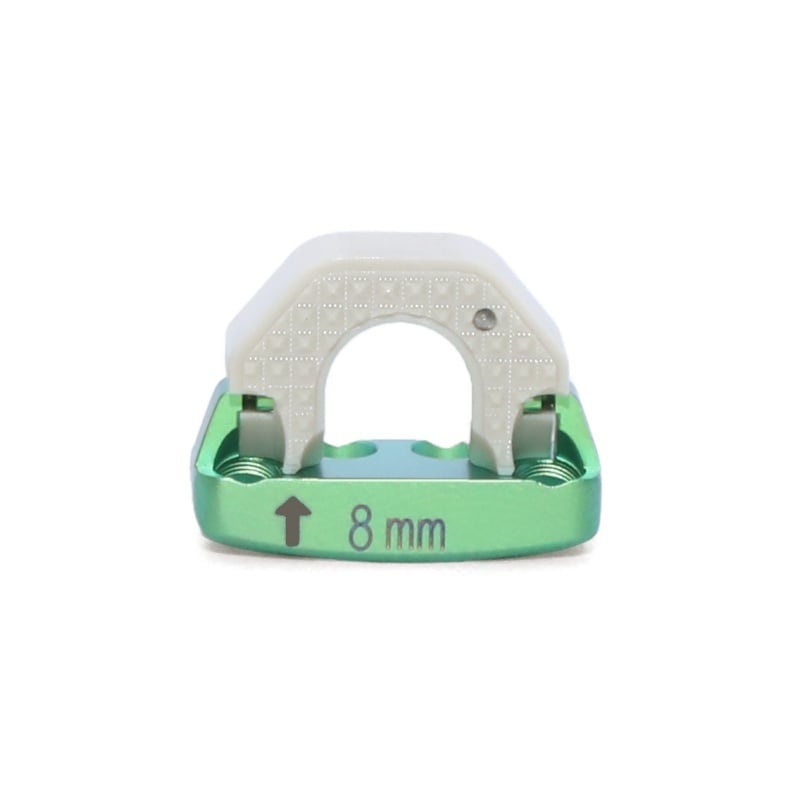
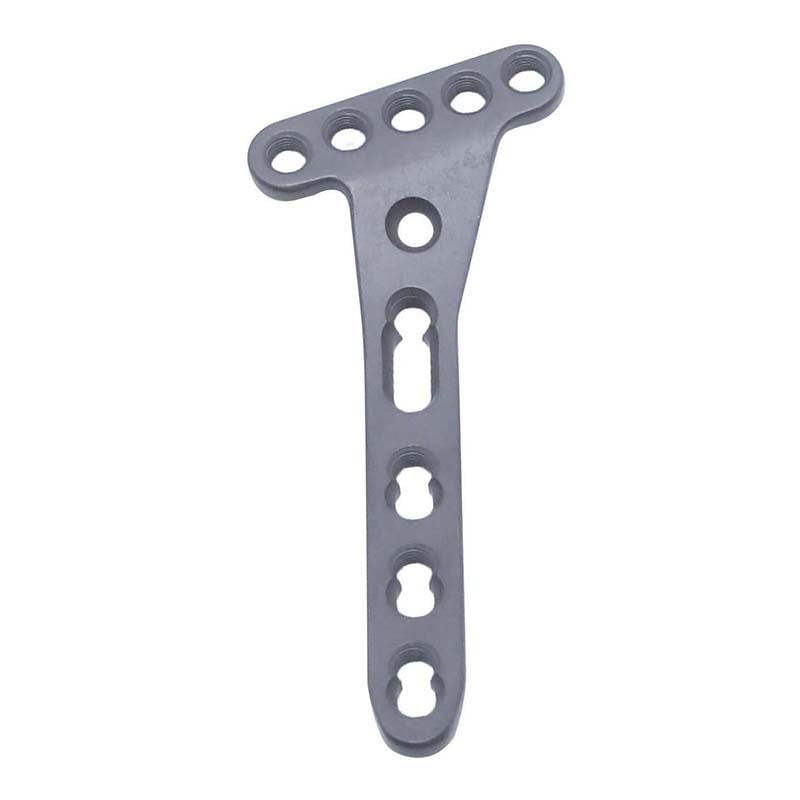
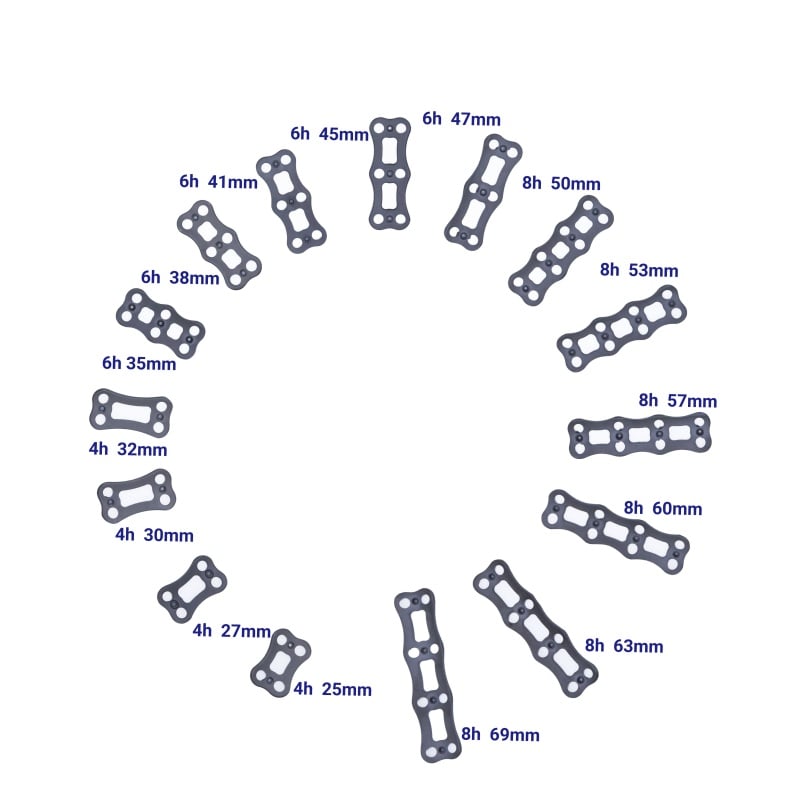
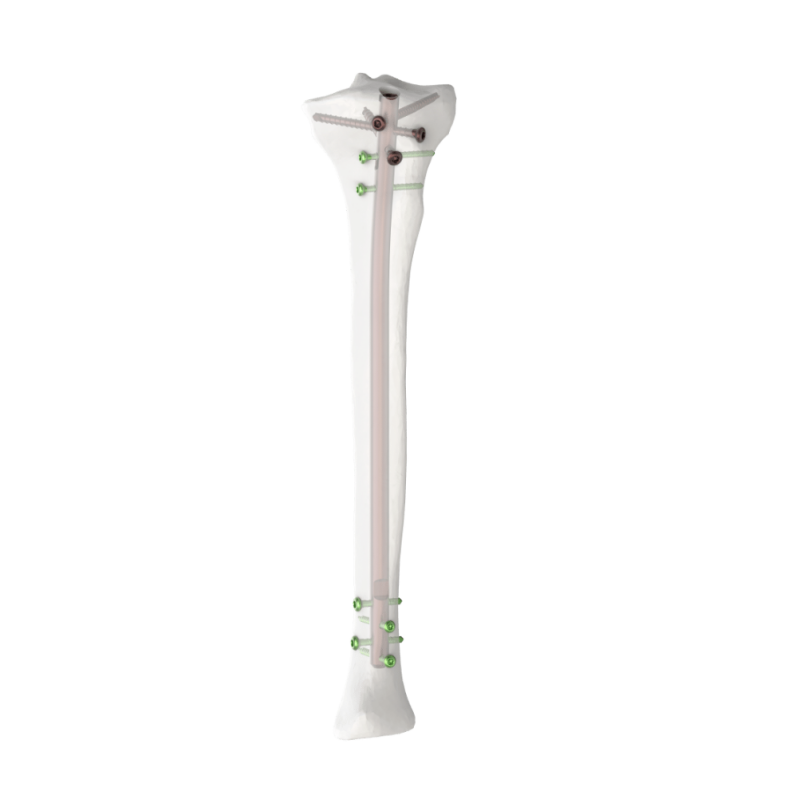
The extra articular humerus plate is a specialized orthopedic implant designed to stabilize fractures of the humerus that occur outside the joint. For B2B buyers, particularly those involved in purchasing for hospitals, clinics, or orthopedic practices, understanding the intricacies of these distal humerus plate is essential. This article will help you navigate the selection process, evaluate specifications, assess material advantages, and understand cost factors, ultimately aiding you in making informed purchasing decisions.
When selecting an extra articular humerus plate, it is crucial to consider the specific requirements of your clinical application. Factors such as the type and location of the fracture, the patient’s age and activity level, and the surgeon’s preferred techniques play a significant role in the decision-making process. For instance, plates with different sizes and configurations are available to accommodate various anatomical needs and surgical approaches.
Additionally, consider the compatibility of the plate with other fixation devices or implants that may be used during surgery. It is advisable to discuss these requirements with your surgical team to ensure that the selected locking proximal humerus plate meets the clinical objectives and operational protocols.
Several specifications are critical when evaluating extra articular humerus plates:
Material Composition: Most plates are made from titanium or stainless steel, each offering distinct benefits. Titanium is known for its excellent biocompatibility and lightweight properties, while stainless steel provides high strength and durability. Understanding the implications of these materials on healing and post-operative outcomes is vital.
Plate Thickness and Dimensions: The thickness of the plate influences its strength and the load it can bear. However, a thicker distal radius plate may also require additional soft tissue dissection, which can impact recovery times. It is essential to balance strength and invasiveness when selecting the appropriate dimensions.
Screw Compatibility: Ensure that the plate accommodates the types of screws you plan to use, as this can affect stability and fixation. The screw hole design should also facilitate optimal placement and allow for various angles of insertion.
Surface Treatment: Some plates feature coatings that enhance biocompatibility or promote bone integration. Evaluating these surface treatments can help in making a choice that supports better healing outcomes.
Buyers should confirm these specifications with the manufacturer to ensure they align with surgical needs and patient outcomes.
The choice of materials for extra articular humerus plates can significantly impact their performance and suitability for specific applications.
Titanium: This material is favored for its lightweight nature and excellent corrosion resistance. Titanium plates are less likely to cause adverse reactions in the body, making them a preferred choice for patients with allergies or sensitivities to metals. However, they may be more expensive than stainless steel options.
Stainless Steel: Known for its robustness, stainless steel plates are often more affordable and provide excellent mechanical strength. They are suitable for most standard applications but may not be ideal for patients requiring long-term implant retention due to the risk of corrosion.
Composite Materials: Though less common, composite plates are emerging in the market. They offer unique properties like bioresorbability, which can eliminate the need for surgical removal. However, they may not yet be as widely available or studied as titanium and stainless steel options.
When comparing materials, consider the specific surgical context, as well as the patient's health and activity level.
Cost is a significant consideration for B2B buyers looking to purchase extra articular humerus plates in bulk. Several factors influence pricing:
Material Costs: As previously discussed, titanium plates are typically more expensive than stainless steel. The choice of material will directly affect the overall cost of the order.
Volume Discounts: Many manufacturers offer tiered pricing based on order size. Placing larger orders may reduce the per-unit cost, making it critical to estimate usage accurately to take advantage of these savings.
Customization: If specific customization is required, such as unique dimensions or surface treatments, this can incur additional costs. Discussing these needs upfront with the manufacturer can provide a clearer picture of potential pricing.
Shipping and Handling: Consider logistics costs, especially if ordering from overseas suppliers. Import duties, shipping fees, and delivery times can impact the overall budget and should be factored into the purchasing decision.
By understanding these cost factors, buyers can better negotiate terms and ensure they are making financially sound decisions.
While extra articular humerus plates are designed to provide stability, certain issues can arise during the selection and surgical implantation process:
Inadequate Fit: A common problem is selecting a plate that does not fit the anatomical requirements of the patient. This can lead to complications such as improper healing or the need for revision surgery. To mitigate this risk, ensure thorough pre-operative planning and consider utilizing 3D imaging technology for better anatomical visualization.
Material Reactions: Some patients may experience adverse reactions to the implant material. To avoid this, manufacturers should provide clear information about the biocompatibility of their materials. Conducting patient assessments prior to surgery can also help identify potential sensitivities.
Screw Failure: If screws do not adequately secure the plate, the stability of the fracture may be compromised. Buyers should ensure that the chosen plate and screws are compatible and that the surgical team is trained on proper implantation techniques.
Post-Operative Complications: Issues such as infection or delayed healing can occur post-surgery. To minimize these risks, ensure that the surgical environment is sterile, and follow post-operative care protocols diligently.
By understanding these common problems and their solutions, buyers can facilitate smoother surgical outcomes and enhance patient satisfaction.
Understanding the complexities of extra articular humerus plates is crucial for effective procurement and application. By considering material properties, specifications, cost factors, and potential challenges, buyers can make informed decisions that enhance surgical outcomes and patient care.
Aoyujian Medical Technology provides trusted orthopedic solutions, high-quality implants, OEM/ODM services, and global shipping for hospitals & distributors.
No. 2 Changting Road, Gehu Farm, Wujin Economic Development Zone, Changzhou, Jiangsu, China
Copyright © Aoyujian Medical Technology (Changzhou) Co., Ltd. All Rights Reserved - Privacy Policy - Blog
 EN