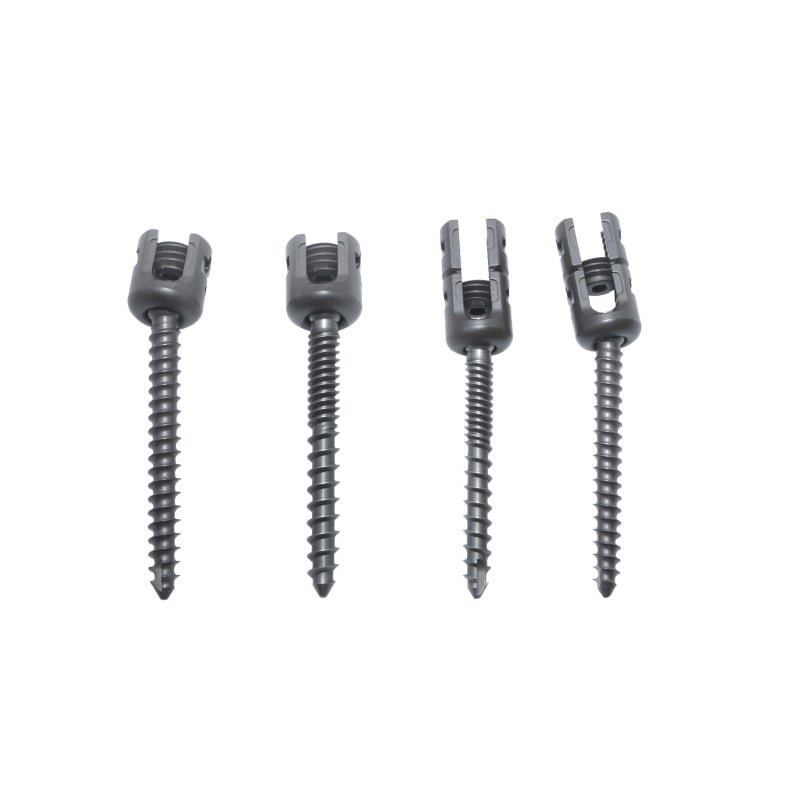
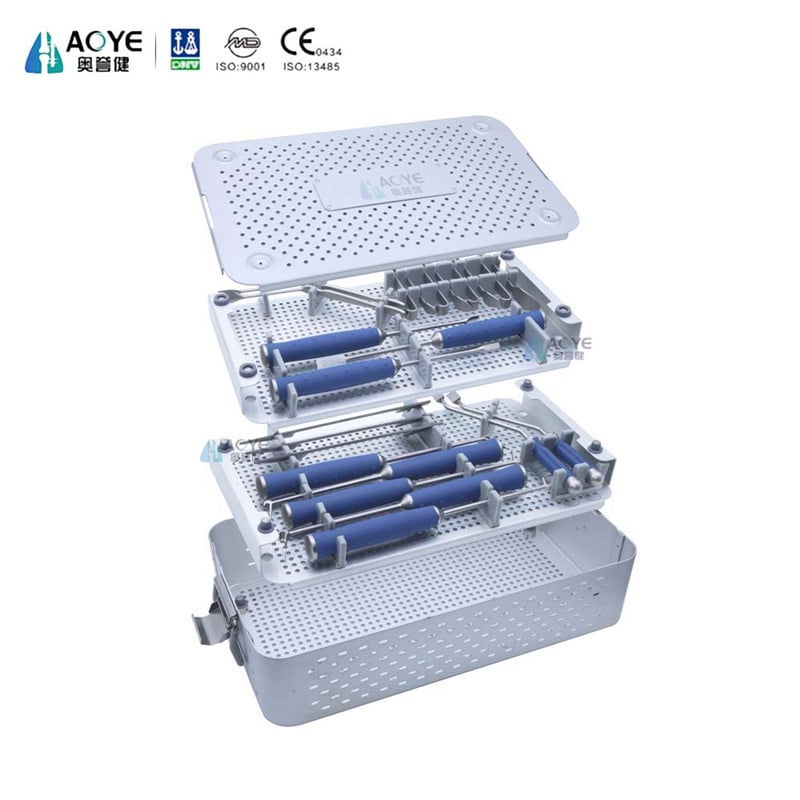
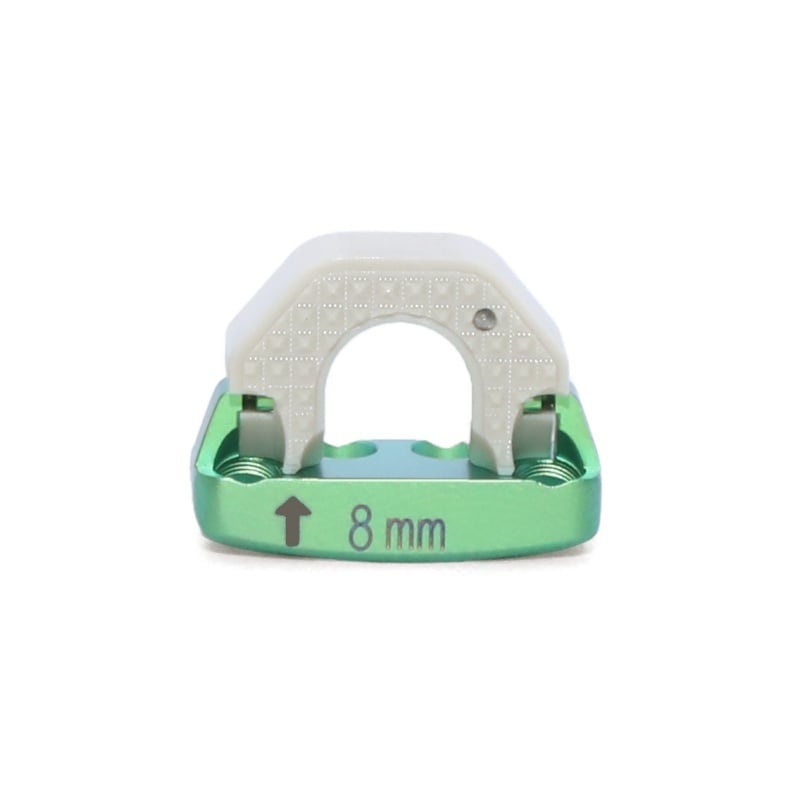
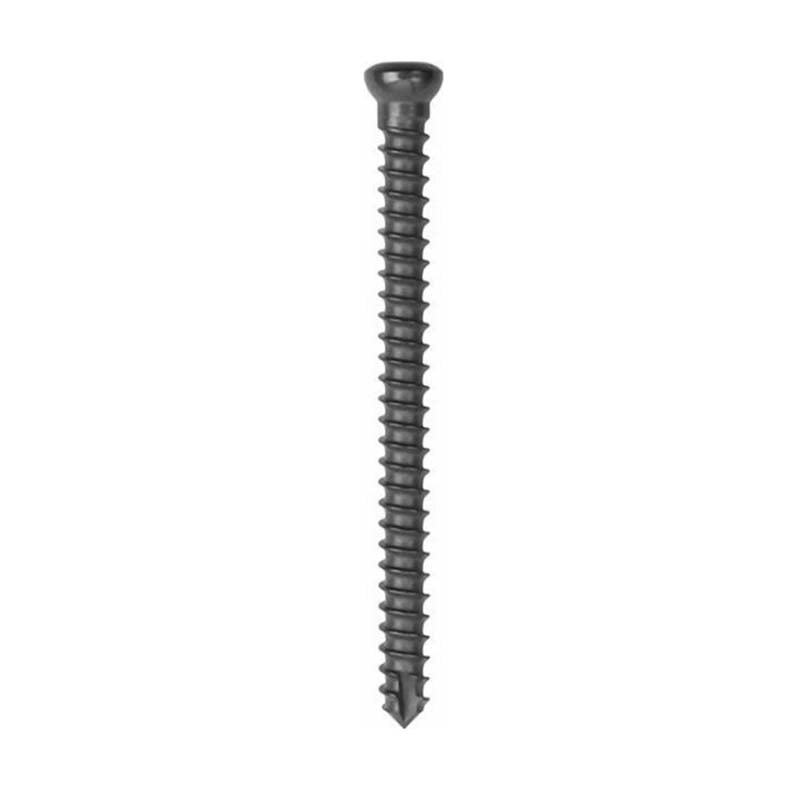
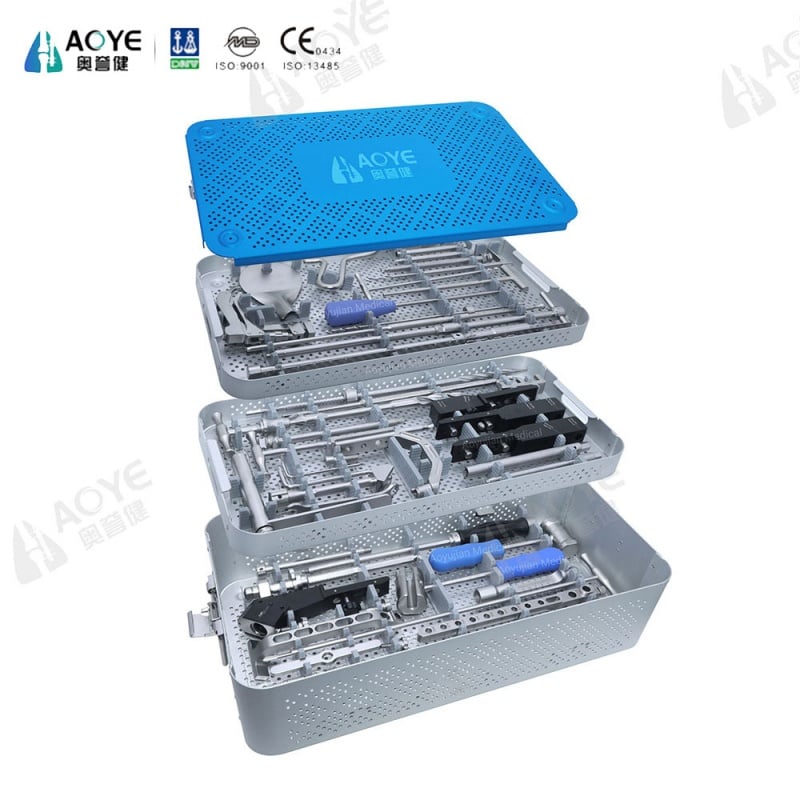
Humerus locking plates are essential orthopedic implants designed to stabilize fractures in the humerus, or upper arm bone. As a purchasing manager or distributor in the medical field, understanding the key attributes of these plates is crucial for ensuring effective patient outcomes and compliance with industry standards. This article provides insights into the considerations for selecting humerus locking lateral clavicle plate, best practices for procurement, cost factors, applications in orthopedic surgery, and a technical overview that will aid in making informed purchasing decisions.
When selecting humerus locking plates, key characteristics to consider include the material, design, and specific dimensions relevant to the surgical procedure. Most locking plates are made from biocompatible materials such as titanium or stainless steel, which provide strength and corrosion resistance. The plate design should allow for proper anatomical fit and alignment with the humeral shaft, facilitating optimal stabilization of the fracture.
It is also vital to evaluate the locking mechanism, which should ensure secure fixation of the screws to the plate. A well-designed locking plate can significantly reduce the risk of screw loosening, promoting better healing. Additionally, buyers should verify the distal radius t plate compatibility with various surgical instruments and techniques, as this can impact the efficiency of the procedure.
To ensure successful procurement of humerus locking plates, buyers should adhere to several best practices:
Evaluate Product Samples: Before placing a bulk order, request samples to assess dimensions, fit, and overall quality. Testing samples under simulated surgical conditions can prevent potential complications during actual procedures.
Confirm Specifications: Always verify the technical specifications such as plate thickness, length, and screw hole configuration against the specific surgical requirements. This is especially crucial for complex cases involving multiple fractures or deformities.
Supplier Audit: Conduct a thorough evaluation of potential suppliers. Consider their manufacturing capabilities, quality control processes, and certifications like ISO13485, which indicates compliance with international quality management standards for medical devices.
Understand Customization Options: Some suppliers offer customization capabilities that allow for adjustments in design or dimensions based on specific clinical needs. Engaging in discussions about these options can lead to better patient outcomes.
The cost of humerus locking plates can vary significantly based on several factors:
Material Costs: High-quality materials such as titanium typically come at a premium. However, their biocompatibility and strength may justify the investment, especially for long-term patient outcomes.
Volume Discounts: Consider the quantity of plates required. Many manufacturers offer tiered pricing structures, meaning purchasing in bulk can lead to substantial savings.
Customization Fees: If custom designs or specifications are needed, inquire about additional costs upfront. Customization can improve surgical outcomes but may entail higher upfront expenses.
Shipping and Handling: Factor in logistics costs, especially for international shipments. These costs can vary based on distance, urgency, and packaging requirements.
Warranty and Support: Assess the warranty terms provided by the manufacturer. A robust warranty may mitigate long-term costs related to product failures or complications.
Humerus locking plates are primarily used in orthopedic surgeries to treat various types of fractures, including:
Proximal Humerus Fractures: These fractures occur near the shoulder joint and require precise stabilization to restore mobility and function. Locking plates are designed to accommodate the complex anatomy of this region.
Diaphyseal Fractures: Fractures along the shaft of the humerus can be effectively treated with locking plates that provide stable fixation while allowing for early mobilization.
Non-union Cases: In situations where fractures fail to heal properly, humerus locking plates can be used in revision surgeries to provide additional support.
Osteotomy Procedures: Locking plates are also utilized in corrective surgery to realign bones, particularly in cases of malunion or deformity.
The ability to use these plates in diverse applications highlights their versatility and importance in orthopedic practices.
Humerus locking plates come with specific technical parameters that buyers should understand:
Plate Design and Configuration: Plates typically feature a variety of screw hole configurations that allow for multi-directional screw placement. This design is integral for achieving optimal fixation angles and stability.
Screw Specifications: The screws used with locking plates are often variable in length and diameter, designed to accommodate different bone types and fracture patterns. Confirming compatibility with the intended locking compression plate orthopedics is essential.
Surface Treatments: Surface treatments, such as anodization or coating, can enhance biocompatibility and reduce the risk of infections. Buyers should inquire about the surface treatment processes used by manufacturers.
Production Capabilities: Understanding the manufacturing processes, including precision machining and quality control measures, can help buyers assess the reliability and performance of the plates. Manufacturers like Aoyujian Medical, with ISO13485 certification, indicate adherence to high-quality standards in medical device production.
Packaging and Sterilization: The packaging methods employed by manufacturers should ensure the integrity and sterility of the product until use. Confirmations regarding sterilization processes are crucial for compliance with medical safety standards.
selecting the right humerus locking plates involves careful consideration of various factors, including material, design, and supplier reliability. By following best practices and understanding the technical aspects, purchasing managers and distributors can make well-informed decisions that contribute to successful surgical outcomes.
Aoyujian Medical Technology provides trusted orthopedic solutions, high-quality implants, OEM/ODM services, and global shipping for hospitals & distributors.
No. 2 Changting Road, Gehu Farm, Wujin Economic Development Zone, Changzhou, Jiangsu, China
Copyright © Aoyujian Medical Technology (Changzhou) Co., Ltd. All Rights Reserved - Privacy Policy - Blog
 EN