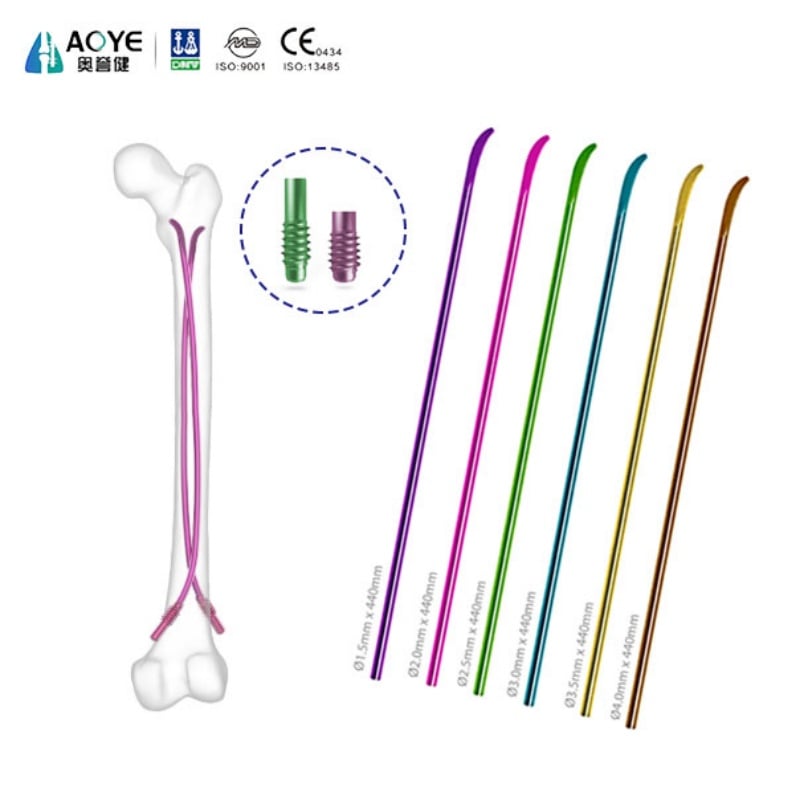
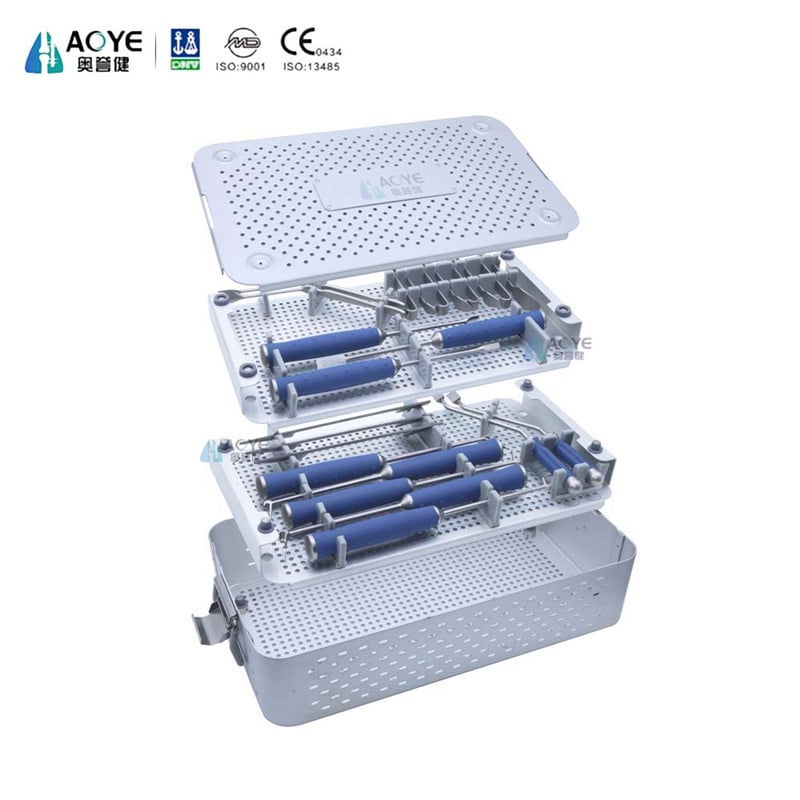
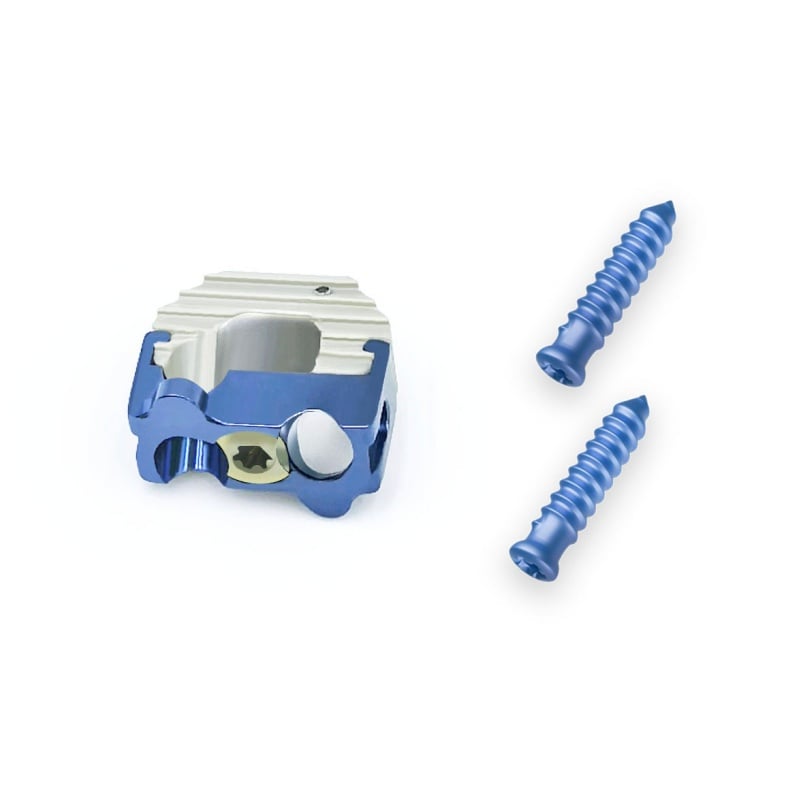
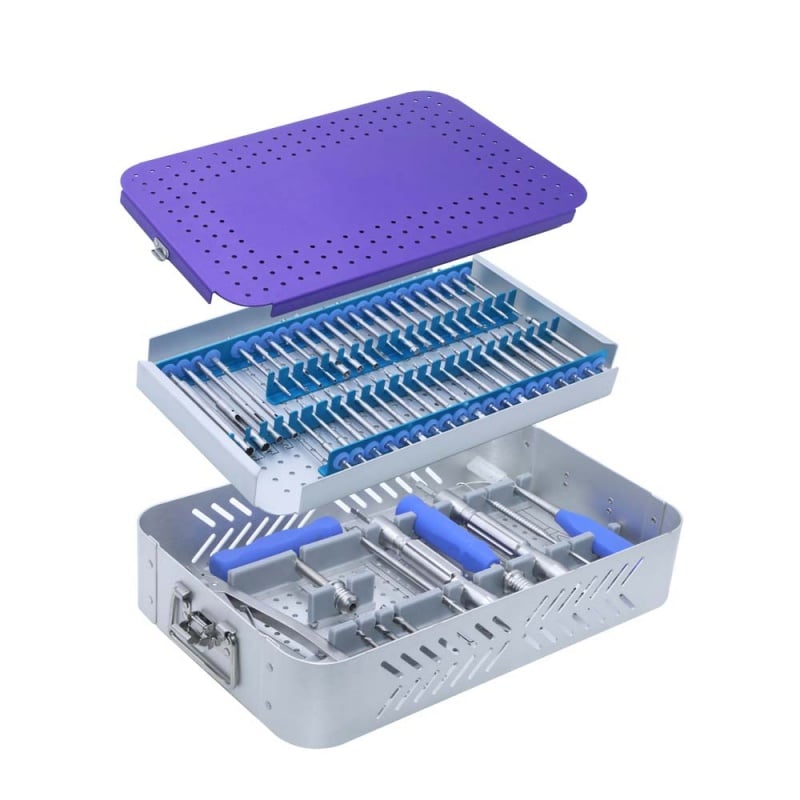
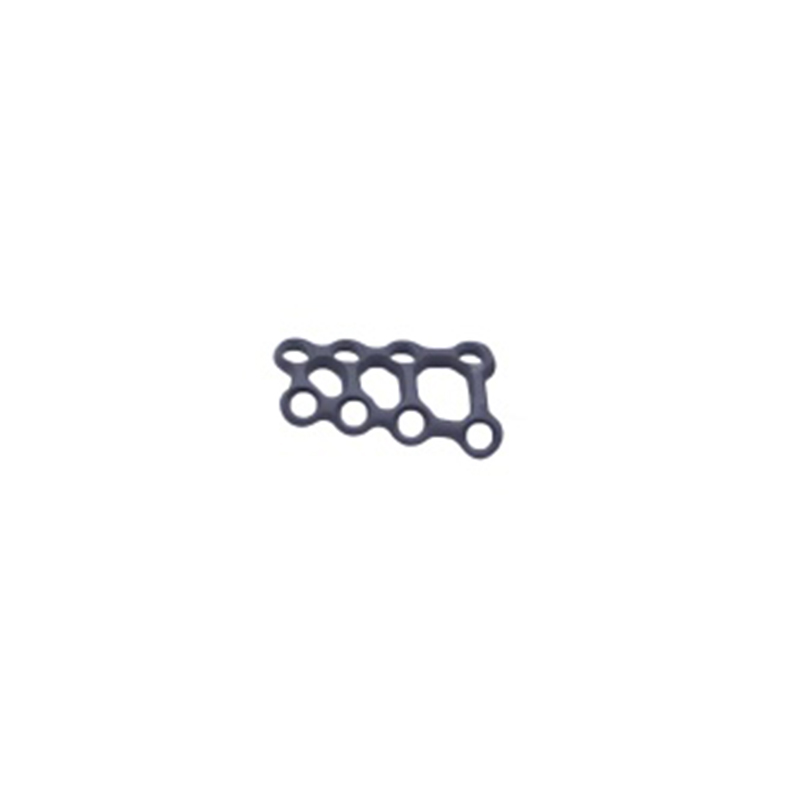
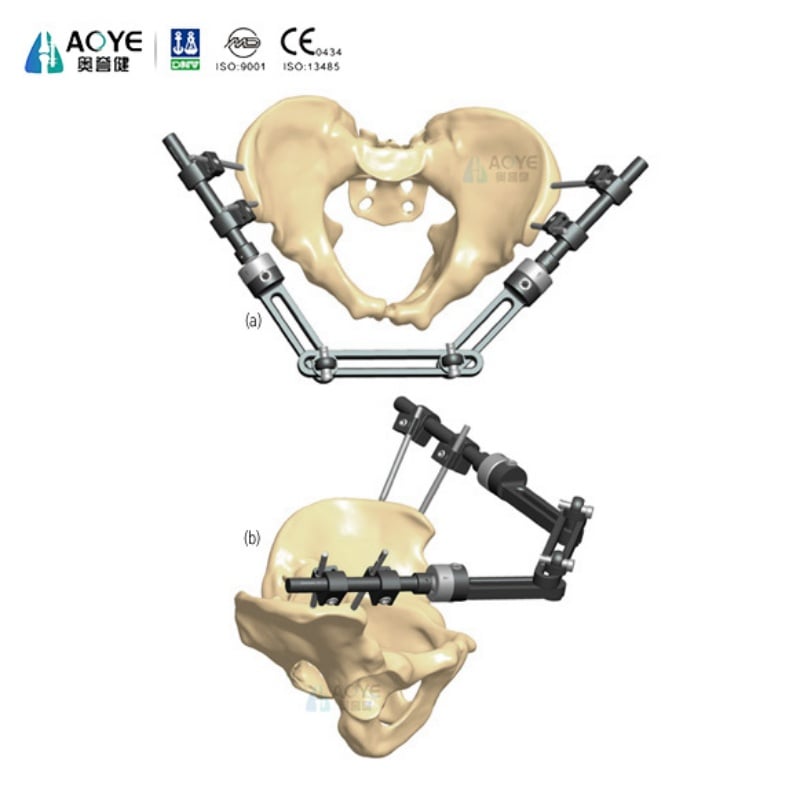
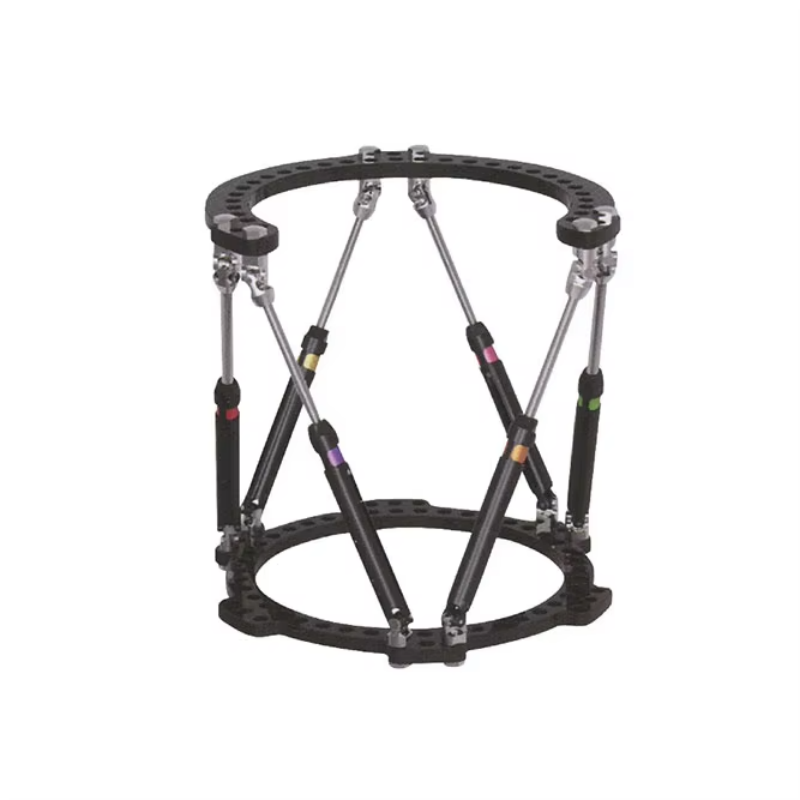
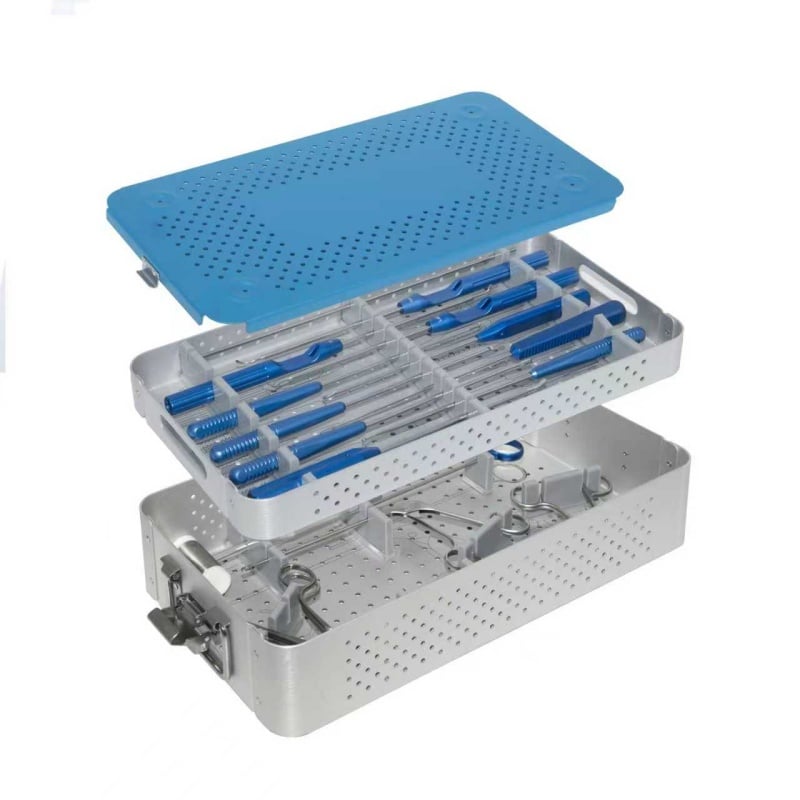
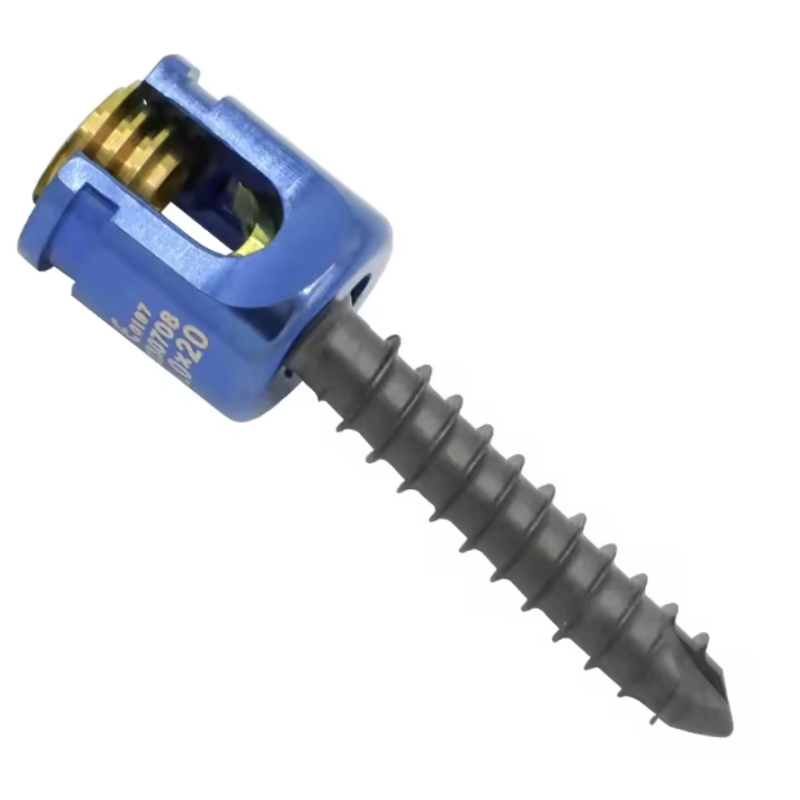
External fixators in orthopaedics are essential devices used in the treatment of complex fractures and bone deformities. They stabilize and support the skeletal structure from the outside, allowing for proper healing while minimizing complications. For purchasing managers, engineers, and healthcare providers, understanding the specifications, types, and quality considerations of these devices is crucial. This article aims to provide practical insights into selecting reliable orthofix external fixator that meet specific clinical needs, ensuring informed purchasing decisions.
When evaluating external fixators, several key specifications should guide your decision-making process:
Material Composition: Common materials for external fixators include stainless steel and titanium. Stainless steel is known for its strength and corrosion resistance, while titanium offers excellent biocompatibility and lower weight. The choice of material can affect both the durability and patient comfort of the fixator.
Design and Configuration: External fixators come in various designs, such as unilateral or bilateral systems, and may include features like ring frames or monolateral configurations. Buyers should consider the specific application, as some designs provide better stabilization for certain fractures or deformities.
Adjustment Mechanisms: The adjustability of the fixator is critical for ongoing treatment. Look for systems that allow for easy adjustments to accommodate swelling or changes in bone alignment during healing.
Load-Bearing Capacity: Understanding the load requirements based on the patient's weight and activity level is vital. The dynamic external fixator finger must support the necessary loads without risking failure.
Dimensions: Ensure that the dimensions of the fixator fit the intended application. Check the distances between pins and the overall length to ensure compatibility with the patient’s anatomy.
These specifications directly impact the performance and effectiveness of external fixators. Buyers should verify these details to ensure they meet the clinical requirements.
Selecting trustworthy external fixators involves assessing manufacturers based on their quality standards and certifications. Aoyujian Medical, for example, is ISO13485 and CE certified, indicating compliance with international quality management standards for medical devices. This certification is crucial as it signifies that the products meet stringent safety and efficacy requirements.
Moreover, consider the manufacturer’s experience and track record in producing orthopedic implants. Companies with extensive experience in the field are more likely to understand the complexities involved in manufacturing high-quality fixators, including material selection, production processes, and quality control measures.
In addition, examine customer feedback and case studies that demonstrate the effectiveness of the fixators in real-world applications. Look for testimonials from healthcare providers who have successfully used these devices in clinical settings.
When considering bulk orders for external fixators, it's essential to discuss several factors with potential suppliers:
Minimum Order Quantities (MOQ): Different manufacturers may have varying MOQs based on production capabilities and inventory levels. Knowing the MOQ helps in planning purchases based on anticipated needs.
Production Capacity: Understand the supplier's production capacity to ensure they can meet your bulk order requirements within your desired lead times. This is particularly important for hospitals and clinics that may need to stock up on essential orthopaedic medical equipment.
Customization Capabilities: If your application has specific requirements, inquire about the manufacturer’s ability to customize fixators. Customization may involve adjustments in size, design, or materials based on clinical needs.
Packaging and Shipping: Discuss how the products will be packaged and shipped. Efficient packaging helps prevent damage during transit, while clear labeling ensures easy identification upon delivery.
Buying in bulk can lead to cost savings and ensure a steady supply of necessary medical devices. Make sure to clearly communicate your requirements and expectations with the supplier.
Before making a purchasing decision for external fixators, buyers should consider the following:
Quality Assurance Protocols: Investigate the quality control processes implemented by the manufacturer. This includes inspections and testing during production. Reliable manufacturers often conduct thorough testing to ensure that their products meet required specifications and standards.
Regulatory Compliance: Confirm that the external fixators comply with local and international regulations, especially if they will be used in different countries. This compliance is critical for ensuring that products are safe and effective.
Sample Approval: Before proceeding to mass production, request samples for evaluation. This allows buyers to assess the fit, finish, and functionality of the fixators before committing to a large order.
Common Issues: Be aware of potential issues that can arise with external fixators, such as pin site infections or mechanical failures. Understanding these risks helps in selecting products with features designed to mitigate them.
Ongoing Support: Consider the level of customer support provided by the manufacturer. Reliable support can be invaluable, especially if issues arise during the product's lifecycle.
By being informed about these factors, buyers can make better decisions when selecting external fixators.
To ensure informed purchasing decisions regarding external fixators, buyers should follow these practical steps:
Gather Specifications: Collect detailed specifications and requirements for the fixators needed based on the intended clinical applications. This includes understanding patient demographics and specific use cases.
Compare Suppliers: Evaluate multiple suppliers based on their manufacturing capabilities, certifications, product range, and customer reviews. This comparison will help identify the best fit for your needs.
Request Quotes: When reaching out for quotes, provide comprehensive details, including product type, materials, dimensions, quantities, and any customization needs. This information helps suppliers provide accurate pricing and lead time estimates.
Evaluate Samples: Test samples under actual operating conditions to assess functionality and comfort. This step is crucial as it provides insight into how the fixators will perform in a clinical setting.
Confirm Delivery and Support: Ensure that the supplier can meet your delivery timelines and has a robust support system in place for any post-purchase inquiries or issues.
By following these steps, buyers can mitigate risks associated with purchasing external fixators, ensuring they choose products that are reliable, effective, and suitable for their clinical applications.
Aoyujian Medical Technology provides trusted orthopedic solutions, high-quality implants, OEM/ODM services, and global shipping for hospitals & distributors.
No. 2 Changting Road, Gehu Farm, Wujin Economic Development Zone, Changzhou, Jiangsu, China
Copyright © Aoyujian Medical Technology (Changzhou) Co., Ltd. All Rights Reserved - Privacy Policy - Blog
 EN