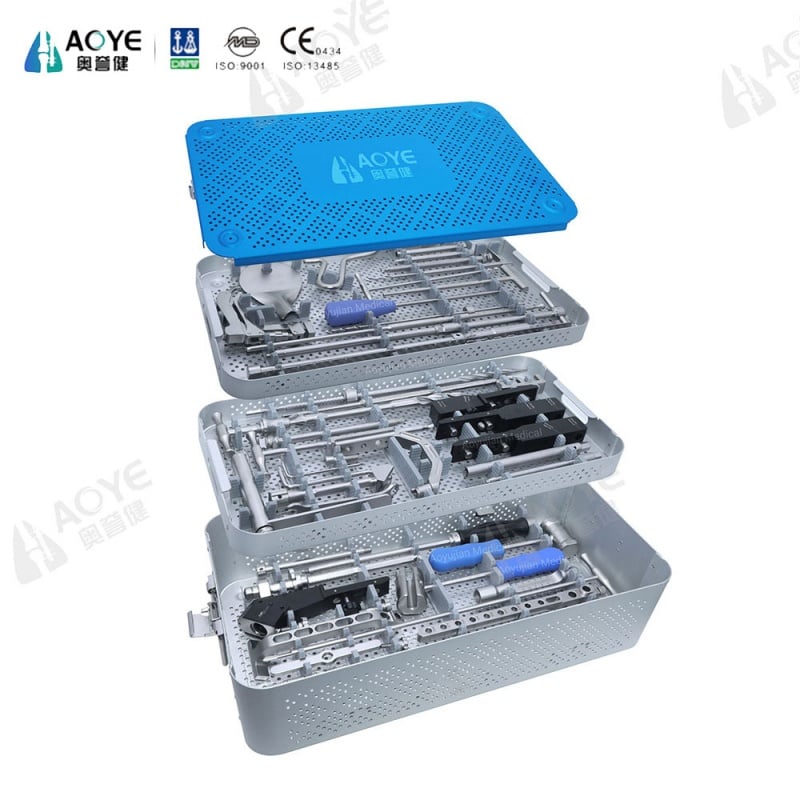
The Ilizarov external fixator is a specialized orthopedic device used to stabilize bone fractures and manage limb length discrepancies. Comprised of various components, the efficiency and effectiveness of the fixator depend on the quality of its parts. For purchasing managers, engineers, and other key stakeholders in the medical field, understanding the specifications, quality factors, and potential challenges associated with Ilizarov external fixator parts is crucial for making informed decisions. This article offers insights into the essential aspects of these components to aid in your procurement process.
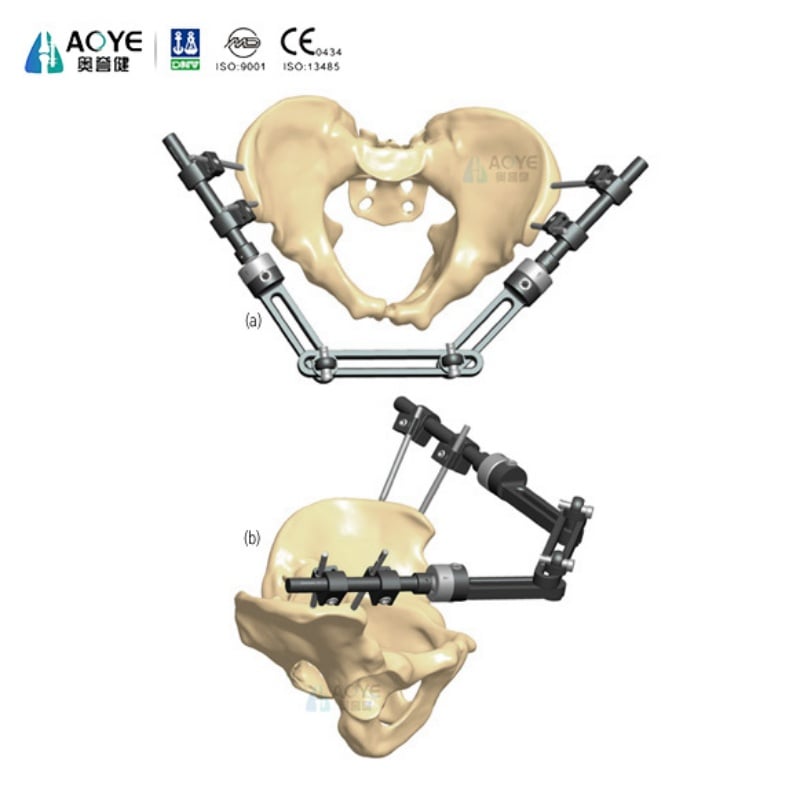
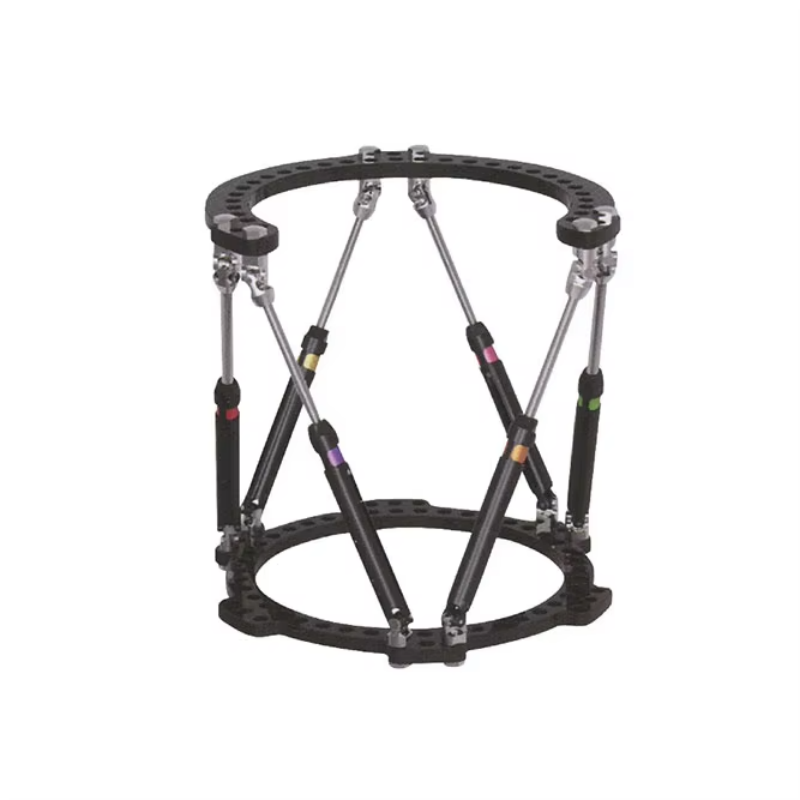
Ilizarov external fixators are composed of several critical parts, including rings, rods, clamps, and pins. Each component has specific specifications that must be considered:
Rings: Typically made from stainless steel or aluminum, the rings must have precise dimensions to ensure proper alignment and support. Their diameter and thickness can impact the overall stability of the dynamic external fixator finger.
Rods: These components are responsible for connecting the rings. The length and material of the rods should be selected based on the specific application, as they must withstand significant loads while maintaining their structural integrity.
Clamps: Clamps secure the rods to the rings and must offer strong grip and adjustability. The design and material must be compatible with the rings and rods to prevent slippage during use.
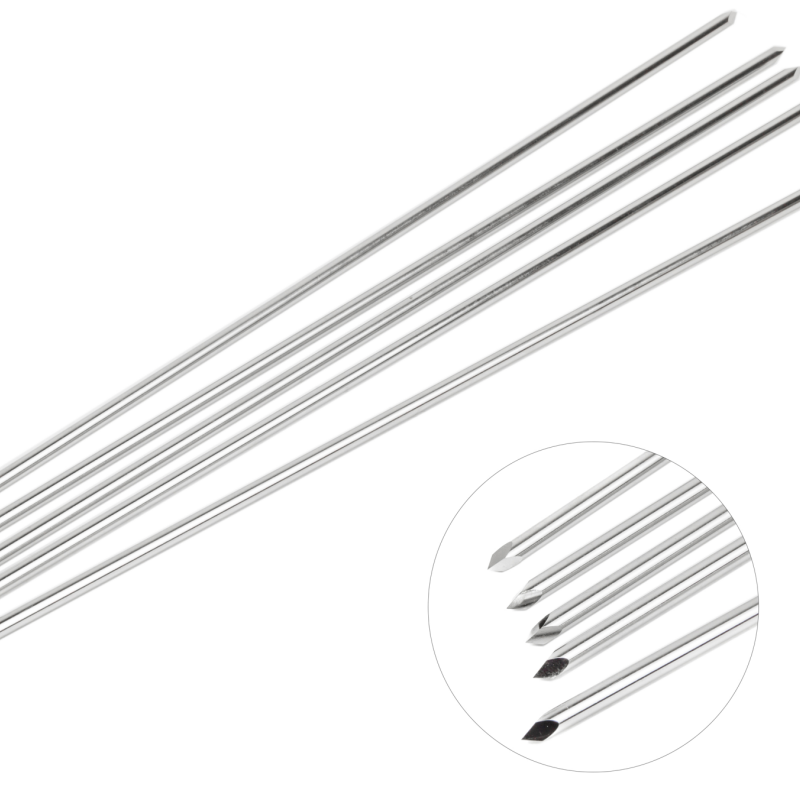
Pins: These are inserted into the bone and connect to the external apparatus. Their length and gauge should be compatible with the patient’s anatomy and the intended fixation strength.
Understanding these specifications helps ensure that the Ilizarov fixator will perform effectively in clinical settings.
Quality evaluation of Ilizarov external fixator parts is paramount for ensuring patient safety and treatment efficacy. Here are critical factors to consider:
Material Quality: Components should be made from high-grade materials like medical-grade stainless steel or titanium, which provide strength and corrosion resistance. Verify the manufacturer's material certifications to ensure compliance with medical industry standards.
Surface Finish: The components’ surface should be smooth to minimize irritation and infection risks. A rough surface can lead to complications during healing.
Dimensional Accuracy: All parts must adhere to precise measurements. Buyers should request samples to confirm that the dimensions meet the specified tolerances.
Manufacturing Processes: Inquire about the manufacturing capabilities and quality control processes implemented by the supplier. Companies like Aoyujian Medical often employ rigorous testing protocols to ensure the integrity of their products.
A thorough evaluation of these factors can help prevent complications during treatment and ensure reliable performance.
The cost of Ilizarov external fixators can vary significantly based on multiple factors:
Material Selection: Higher-quality materials generally increase production costs. Buyers should balance cost with the need for durability and safety.
Customization: Custom parts may be necessary for specific applications or patient needs, affecting the overall price. Discussing customization options and associated costs with suppliers is essential.
Volume Discounts: Ordering in bulk can lead to cost savings. Determine the minimum order quantities (MOQs) and explore pricing structures for larger orders.
Shipping and Handling: Consider transportation costs, especially for international shipments. Ensure that the supplier has effective logistics in place to minimize delays.
Understanding these cost factors can help in budgeting and securing the best overall value for your procurement needs.
While Ilizarov external fixators are designed for reliability, issues can arise. Here are common problems and potential solutions:
Pin Site Infection: This is a frequent complication. Proper education on pin site care should be provided to patients, including cleanliness and signs of infection. Additionally, using antimicrobial-coated pins can reduce infection rates.
Mechanical Failure: Components may loosen or break under stress. Regular monitoring and maintenance should be performed, and a replacement strategy for worn components should be in place.
Patient Discomfort: Users may experience discomfort during treatment. Proper fit and adjustment of the orthopedic external fixator are crucial, and clinicians should ensure that the device is correctly positioned to enhance patient comfort.
Proactively addressing these issues can significantly improve patient outcomes and satisfaction.
The choice of materials for Ilizarov external fixator components has a direct impact on performance, durability, and patient safety. Here are some common materials and their advantages:
Stainless Steel: Known for its excellent mechanical properties, stainless steel is often used for its strength and corrosion resistance. It is also widely accepted in the medical field due to its biocompatibility.
Titanium: This material is lighter than stainless steel and offers superior strength-to-weight ratios. It is an ideal choice for patients requiring long-term fixation due to its excellent corrosion resistance and compatibility with body tissues.
Aluminum: Lightweight and cost-effective, aluminum is suitable for certain components where weight reduction is crucial. However, it may not provide the same level of strength as steel or titanium.
Understanding these material advantages helps buyers make informed decisions based on the specific requirements of their applications, ensuring optimal performance and safety in clinical environments.
By focusing on these key aspects of Ilizarov spanning external fixator parts, purchasing managers, engineers, and medical professionals can make informed decisions that enhance the efficacy of orthopedic treatments and improve patient outcomes.
Aoyujian Medical Technology provides trusted orthopedic solutions, high-quality implants, OEM/ODM services, and global shipping for hospitals & distributors.
No. 2 Changting Road, Gehu Farm, Wujin Economic Development Zone, Changzhou, Jiangsu, China
Copyright © Aoyujian Medical Technology (Changzhou) Co., Ltd. All Rights Reserved - Privacy Policy - Blog
 EN