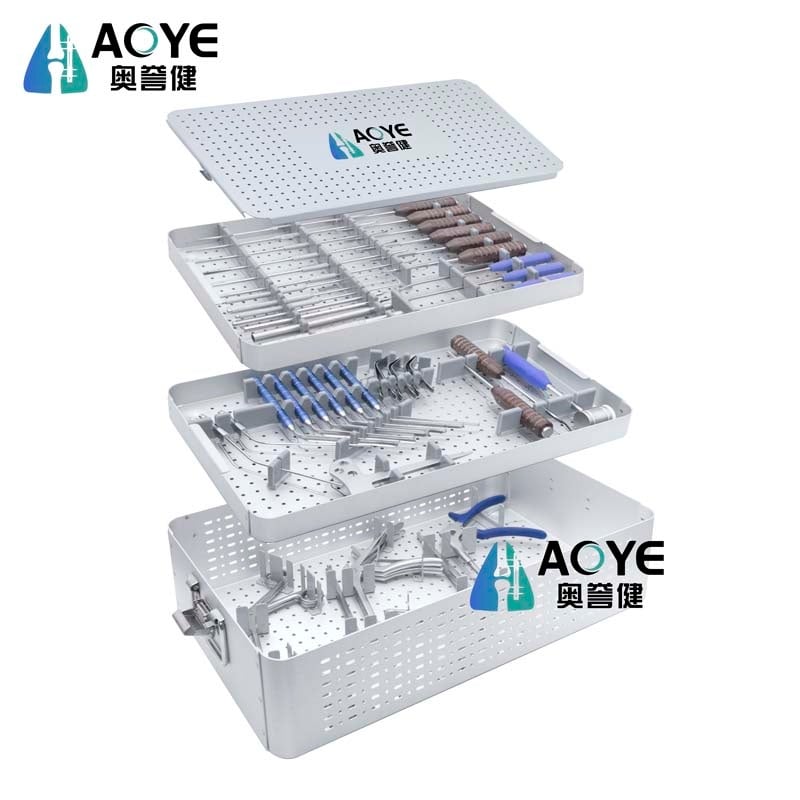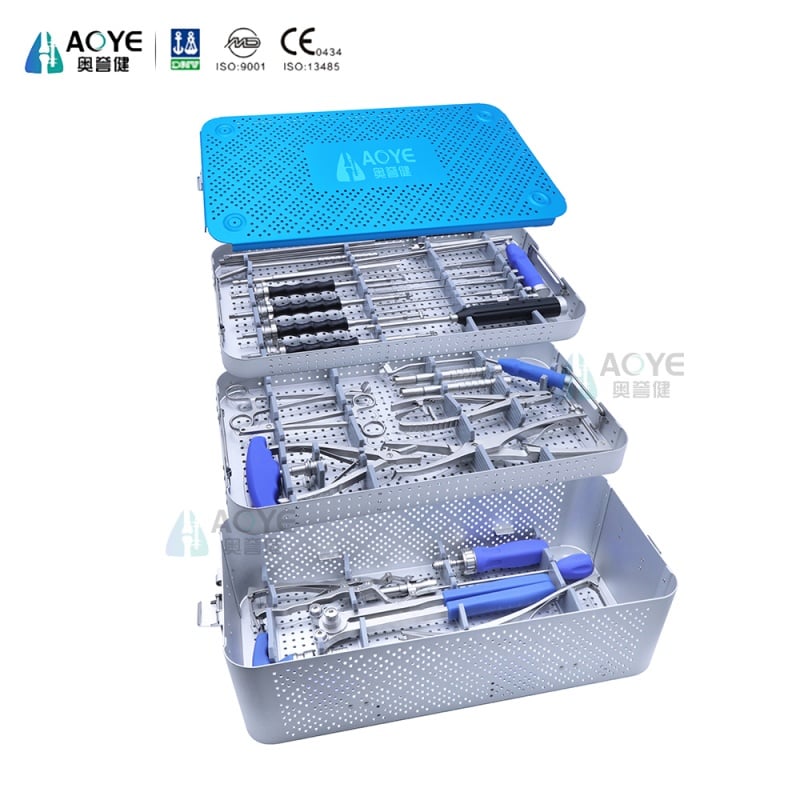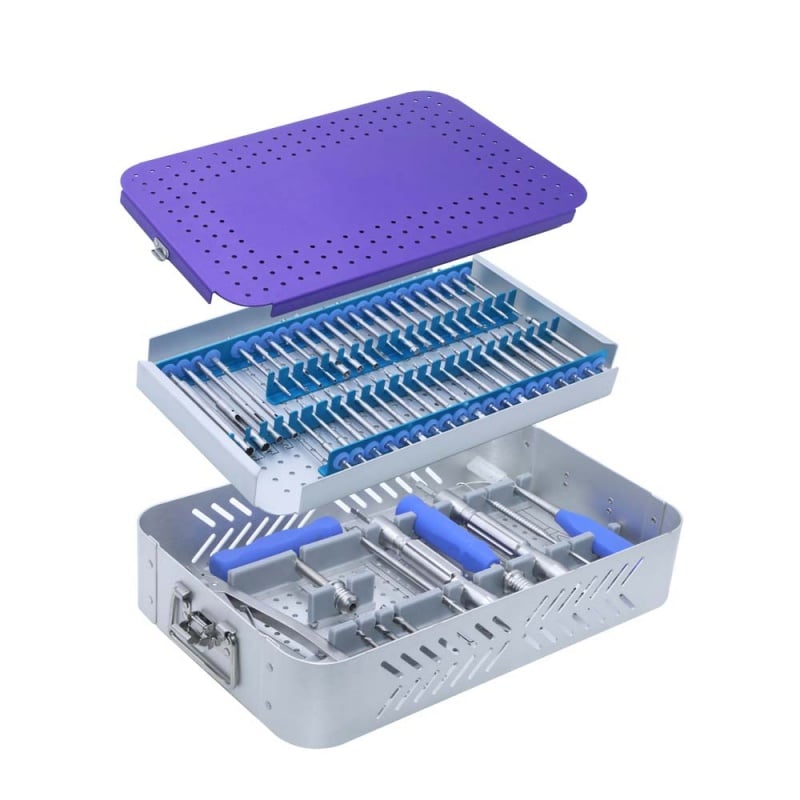
Ilizarov fixators are specialized orthopedic devices primarily used for bone stabilization and correction. They are essential tools for orthopedic surgeons dealing with complex fractures, limb lengthening, and deformity correction. As a purchasing manager or distributor, understanding the nuances of these fixators is crucial for making informed decisions that align with your operational needs. This article will guide you through selecting the right Ilizarov fixator, evaluating quality, and understanding cost factors, helping you make sound purchasing decisions for your medical facility or supply chain.
Selecting the appropriate Ilizarov fixator involves understanding the specific medical requirements of your patient population. Consider factors such as the type and location of the fracture, the age and health of the patient, and any prior treatments.
There are various models available, with differences in size, material, and design. For instance, certain orthofix external fixator are designed for more complex fractures requiring additional support or stability. It’s also important to assess the ease of application and removal since this can impact surgery time and patient recovery.
When evaluating options, request detailed specifications from manufacturers to ensure that the fixators meet the necessary biomechanical requirements for your intended applications. Aoyujian Medical, for example, offers a range of models tailored for different cases, ensuring that you can find a suitable solution for your needs.
When considering bulk orders of Ilizarov fixators, several key specifications should be examined:
Material Composition: Most Ilizarov fixators are made from high-grade stainless steel or titanium, which offer strength and biocompatibility. Ensure that the materials used meet international standards for orthopedic implants.
Dimensions and Weight: The dimensions must align with the anatomical requirements of the intended application. Weight is also a factor, as lighter orthopedic external fixator can ease the burden on patients and facilitate easier handling by surgical teams.
Load-Bearing Capacity: This is critical for ensuring that the fixator can withstand the forces exerted during healing. Confirm the load limits and how they correspond to the expected use cases.
Customization Options: Depending on your market, you might need specific sizes or configurations. Check if the manufacturer offers customization capabilities for bulk orders.
Certifications: Verify that the fixators are compliant with relevant medical device regulations such as ISO13485 and have CE certification.
Understanding these specifications can help you ensure that the products you procure will meet quality standards and patient safety requirements.
Quality assessment of Ilizarov fixators is paramount for wholesale buyers. Begin by reviewing the manufacturer’s quality control processes. A reputable manufacturer like Aoyujian Medical should have rigorous testing protocols in place to ensure product reliability and performance.
Inspection Standards: Check that the fixators undergo inspections at multiple stages of production, including raw material sourcing and final assembly. This can help prevent defects that could compromise patient safety.
Testing Methods: Inquire about the testing methods used for the fixators, such as fatigue testing and stress testing. Understanding these methods will provide insight into the spanning external fixator durability and performance under various conditions.
Traceability: Ensure that products come with traceable documentation showing compliance with industry standards. This is essential for accountability and addressing any potential issues post-purchase.
User Reviews and Feedback: Look for feedback from other healthcare providers who have used the products. Real-world performance can provide invaluable insight into the fixator's reliability and effectiveness.
Sample Evaluation: Before placing a bulk order, request samples for evaluation. This allows you to assess the fit, finish, and overall quality before committing to a larger purchase.
Cost is a significant consideration when purchasing Ilizarov fixators, particularly for bulk orders. Here are some factors that influence pricing:
Material Costs: The type of materials used in manufacturing fixators significantly impacts their cost. High-quality stainless steel or titanium will typically command a higher price due to their strength and biocompatibility.
Manufacturing Complexity: More intricate designs or additional features will increase production costs. Evaluate the balance between complexity and functionality to avoid overspending on unnecessary features.
Order Volume: Many manufacturers offer discounts for bulk orders. It’s essential to communicate your expected order volume upfront to negotiate better pricing.
Lead Time: Consider that shorter lead times may incur additional costs. If you are in urgent need, it might be worth paying more for expedited production and shipping.
Warranty and Support: Factor in the manufacturer’s warranty and support services. A robust warranty may justify a higher price if it ensures product reliability and support in case of issues.
By analyzing these cost factors, you can make more informed purchasing decisions that align with your budget and operational needs.
Importers must evaluate different types of Ilizarov fixators to determine which models best fit their market demands. Here are some essential comparison points:
Design Variations: Some fixators come with adjustable components that allow for modification during treatment. Evaluate how these designs could enhance usability and patient outcomes.
Application Suitability: Different fixators may be better suited to specific applications, such as pediatric cases or complex trauma. Understanding these distinctions will aid in stocking the right products.
Market Demand: Analyze the trends in your target market. Are there specific models that are more popular or in demand? This can guide your purchasing strategy to ensure you meet customer needs.
Regulatory Compliance: Ensure that the fixators comply with the regulations of your target market, as this can greatly affect your ability to import and sell them.
Supplier Reputation: Consider the reputation of the manufacturers you are evaluating. Established manufacturers with a track record of quality and reliability can offer peace of mind in purchasing.
By conducting a thorough comparison of different types of Ilizarov fixators, importers can ensure that they make informed decisions that align with the expectations of healthcare providers and patients alike.
In summary, understanding the nuances of Ilizarov fixators is crucial for making informed purchasing decisions in the orthopedic field. By focusing on specifications, quality, and cost factors, you can ensure that your procurement aligns with both clinical needs and business objectives.
Aoyujian Medical Technology provides trusted orthopedic solutions, high-quality implants, OEM/ODM services, and global shipping for hospitals & distributors.
No. 2 Changting Road, Gehu Farm, Wujin Economic Development Zone, Changzhou, Jiangsu, China
Copyright © Aoyujian Medical Technology (Changzhou) Co., Ltd. All Rights Reserved - Privacy Policy - Blog
 EN