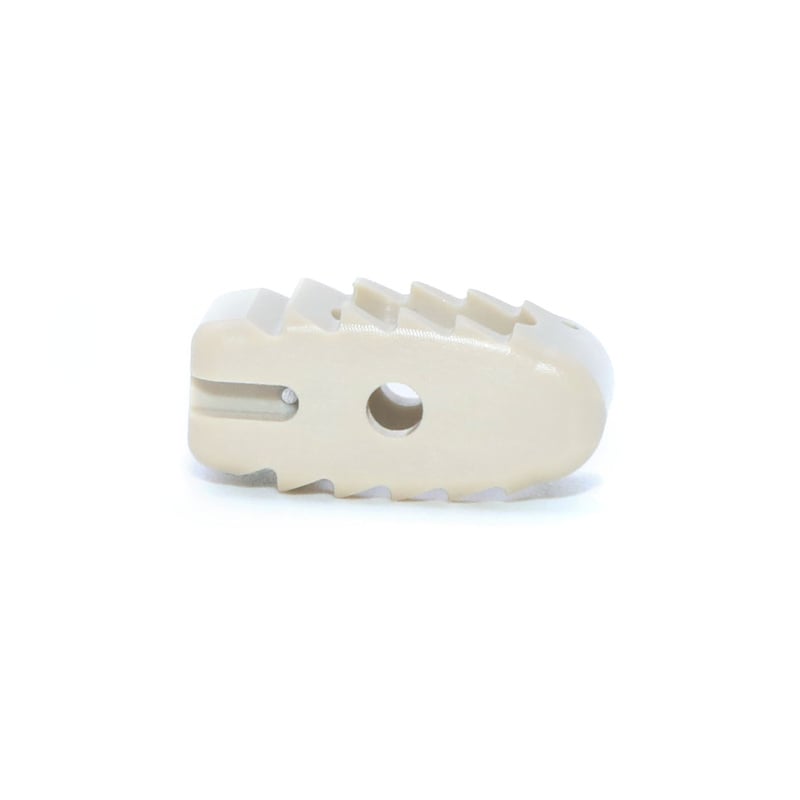
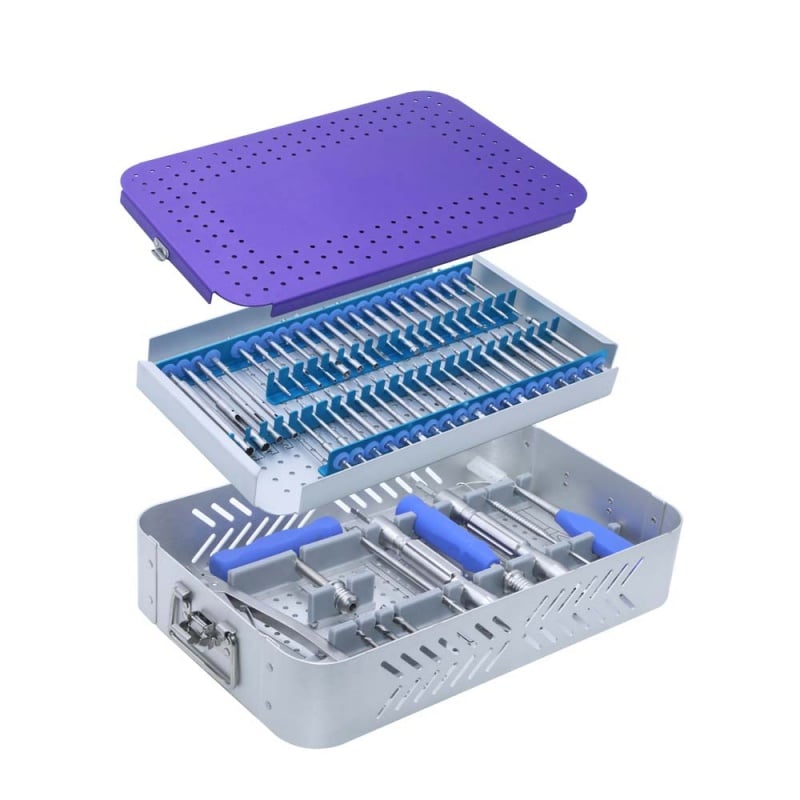
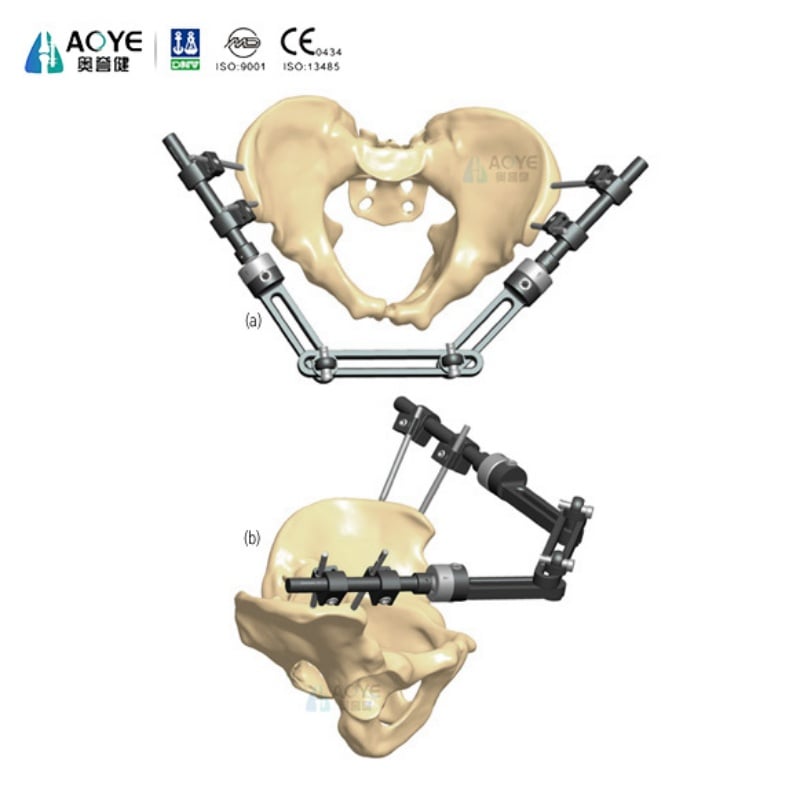
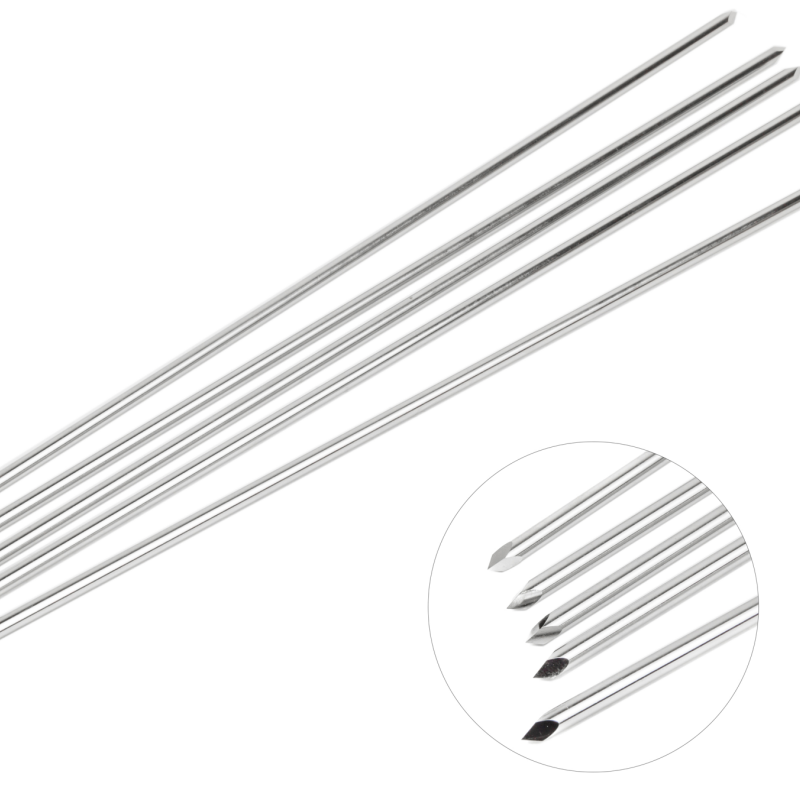
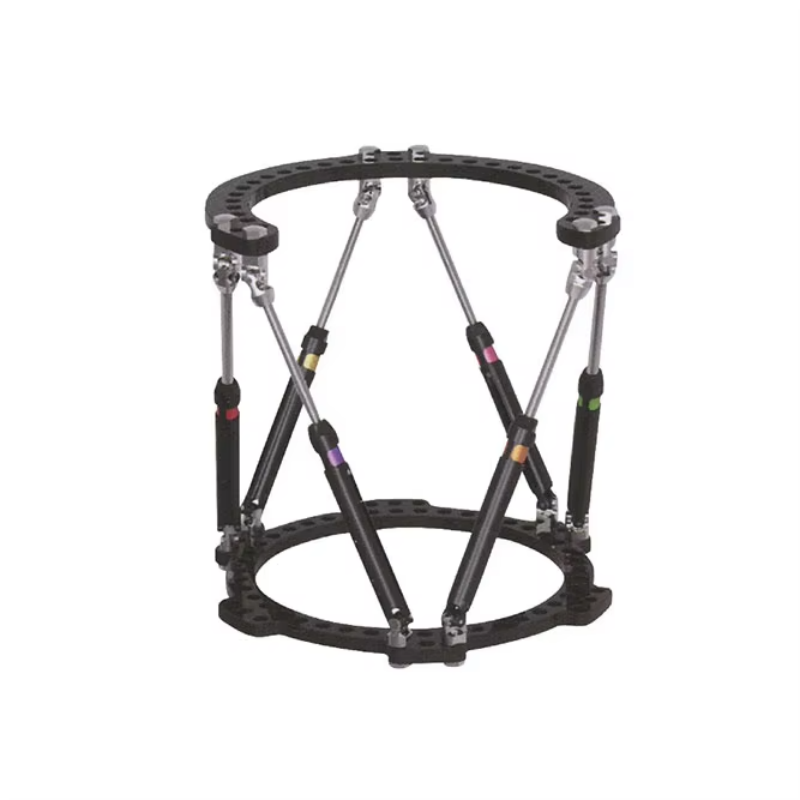
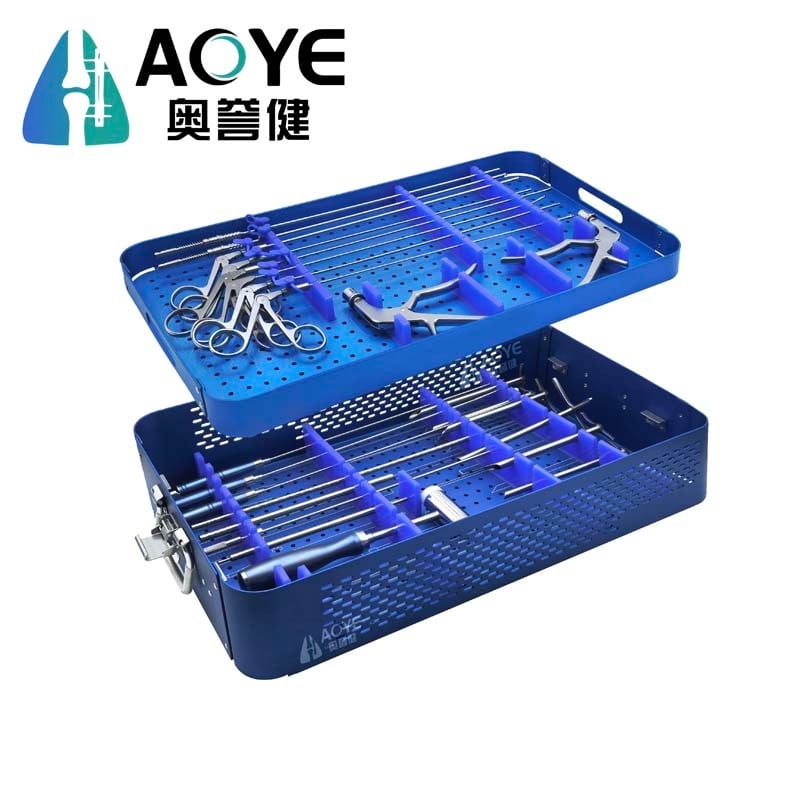
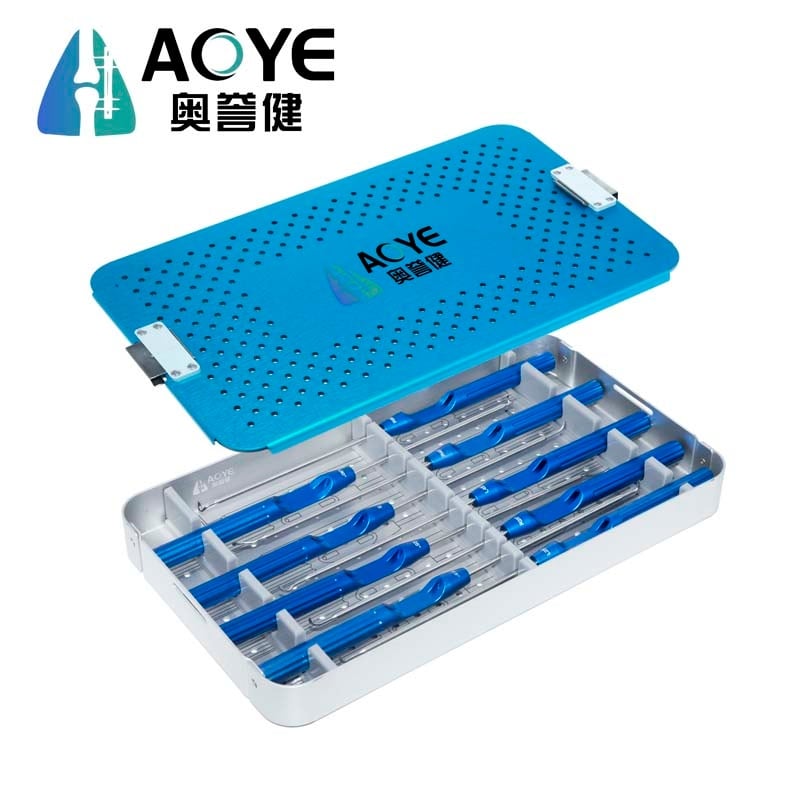
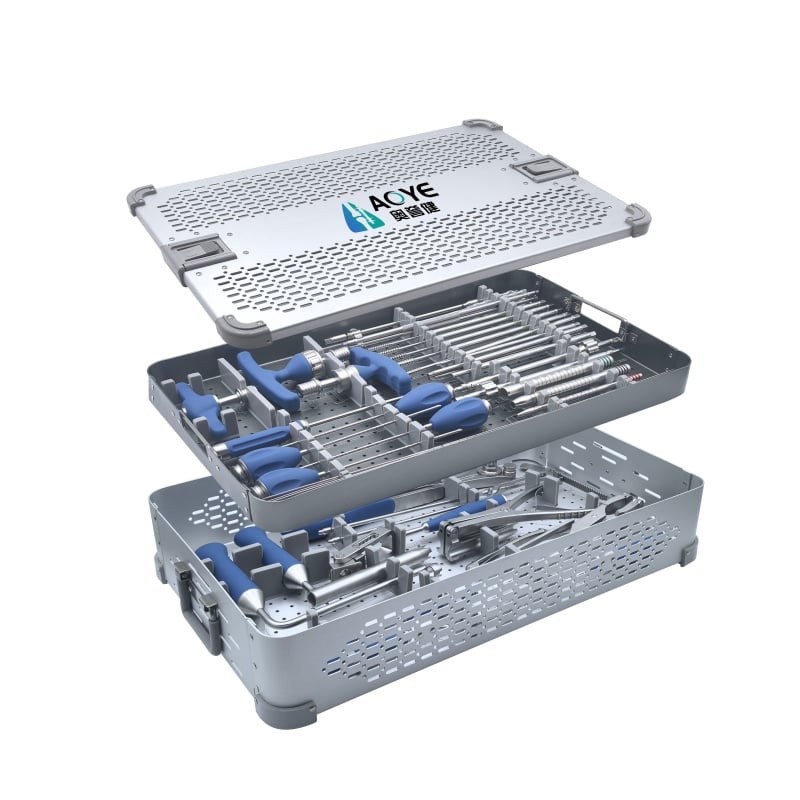
Instruments used in orthopedic surgery are critical tools designed to assist surgeons in performing various procedures, including trauma management, spinal corrections, and sports medicine interventions. For purchasing managers and healthcare professionals, understanding the specifications and quality of these instruments is paramount. This article will guide you through the essential aspects of Aoye bone saw orthopedic, helping you make informed decisions when sourcing these vital products.
When evaluating instruments used in orthopedic surgery, several key specifications should be considered:
Material Composition: Instruments are typically made from stainless steel or titanium. Stainless steel offers durability and resistance to corrosion, while titanium is favored for its lightweight and strength, particularly in implants and fixation devices.
Dimensions and Ergonomics: The size and shape of instruments must align with the specific surgical procedure. Ergonomic designs can enhance a surgeon's grip and dexterity, reducing strain during lengthy operations.
Finish and Sterilization Compatibility: Instruments must have a smooth finish to facilitate sterilization and minimize the risk of infection. Compatibility with various sterilization methods (e. g., autoclaving) is crucial.
Manufacturer Certifications: Look for ISO 13485 and CE certifications, which indicate compliance with international quality management standards for medical devices.
Performance Specifications: Ensure that the instruments meet the performance standards required for the intended surgical applications, such as tensile strength and wear resistance.
These specifications not only affect the performance and safety of the instruments but also play a vital role in the overall success of surgical procedures.
Selecting the right instruments for Aoye orthopedic surgery involves a thorough understanding of the specific needs of the procedure. Here are key considerations:
Type of Surgery: Different surgeries (e. g., joint replacement, fracture fixation, spinal surgery) require specialized instruments. Identify which instruments are essential for the specific procedure.
Surgeon Preferences: Consult with the surgical team to understand their preferred instruments. Surgeons often have specific preferences based on their experience and technique.
Quality and Reliability: Source instruments from reputable manufacturers known for their quality control processes. Instruments must withstand repeated use without compromising performance.
Customization Needs: Some procedures may require customized instruments. Discuss the possibility of custom solutions with your supplier to meet specific surgical requirements.
Budget Constraints: While quality should never be compromised, consider pricing and total cost of ownership, including maintenance and potential replacements.
By aligning instrument selection with surgical requirements and team preferences, you can ensure optimal outcomes and enhanced surgical efficiency.
Sourcing reliable orthopedic instruments begins with identifying reputable manufacturers and suppliers. Consider the following steps:
Research and Reviews: Investigate manufacturers' backgrounds, focusing on their experience in the orthopedic field and customer reviews. A manufacturer like Aoyujian Medical, with a strong presence in 45 countries and ISO 13485/CE certification, can be a reliable choice.
Quality Assurance Practices: Verify the manufacturer's quality control processes. Regular inspections, material testing, and adherence to international standards are indicators of a trustworthy supplier.
Sample Evaluation: Request samples to assess the instruments’ quality and performance firsthand. Use samples in simulated procedures to evaluate functionality and ergonomics.
Supplier Communication: Establish clear communication with potential suppliers. Discuss lead times, pricing, and customization options to ensure they align with your project timelines and budget.
Post-Purchase Support: Evaluate the level of support offered by the supplier after the purchase. Reliable post-purchase support can include training, maintenance advice, and troubleshooting assistance.
By following these steps, you can build a solid partnership with suppliers that deliver high-quality medical orthopedic equipment.
When preparing to purchase instruments used in orthopedic surgery, consider the following checklist to streamline the procurement process:
Product Specifications: Clearly define the required specifications, including materials, dimensions, and performance criteria.
Quantity and Lead Time: Determine the quantity needed and inquire about lead times. Consider any upcoming surgical schedules that may impact delivery timelines.
Customization Requirements: If customization is necessary, provide detailed specifications and any required design drawings to your supplier.
Pricing Structure: Understand the pricing structure, including any volume discounts or additional costs for customization and shipping.
Quality Inspection Criteria: Establish criteria for quality inspection upon receipt. This could include checking for surface defects, dimensional accuracy, and functionality tests.
Regulatory Compliance: Confirm that all instruments comply with relevant regulations and standards in your market.
By preparing this information before engaging with suppliers, you can facilitate a smoother procurement process and reduce the likelihood of complications.
While sourcing and using Aoye orthopedic instruments, buyers may encounter several common issues. Here are some typical problems and their potential solutions:
Material Defects: Instruments may suffer from material flaws such as brittleness or corrosion. To mitigate this risk, always source from certified manufacturers and request certificates of compliance for materials used.
Inconsistent Quality: Variability in product quality can lead to operational challenges. Establish a reliable quality assurance process and regularly evaluate supplier performance through audits and feedback.
Inadequate Functionality: Instruments that fail to perform as expected can compromise surgeries. Conduct thorough testing of samples under actual conditions prior to bulk purchasing.
Supply Chain Delays: Delays in supply can disrupt surgical schedules. Maintain open communication with suppliers about lead times and consider establishing a buffer stock for critical instruments.
Lack of Support: Insufficient customer support from suppliers can lead to unresolved issues. Choose suppliers who provide comprehensive after-sales support, including training and warranty services.
By anticipating these common problems and implementing proactive solutions, buyers can enhance their procurement strategies and improve surgical outcomes.
Navigating the complex landscape of orthopedic implants requires careful consideration of specifications, supplier reliability, and potential challenges. By applying the guidance provided , you can make informed purchasing decisions that contribute to successful surgical procedures.
Aoyujian Medical Technology provides trusted orthopedic solutions, high-quality implants, OEM/ODM services, and global shipping for hospitals & distributors.
No. 2 Changting Road, Gehu Farm, Wujin Economic Development Zone, Changzhou, Jiangsu, China
Copyright © Aoyujian Medical Technology (Changzhou) Co., Ltd. All Rights Reserved - Privacy Policy - Blog
 EN