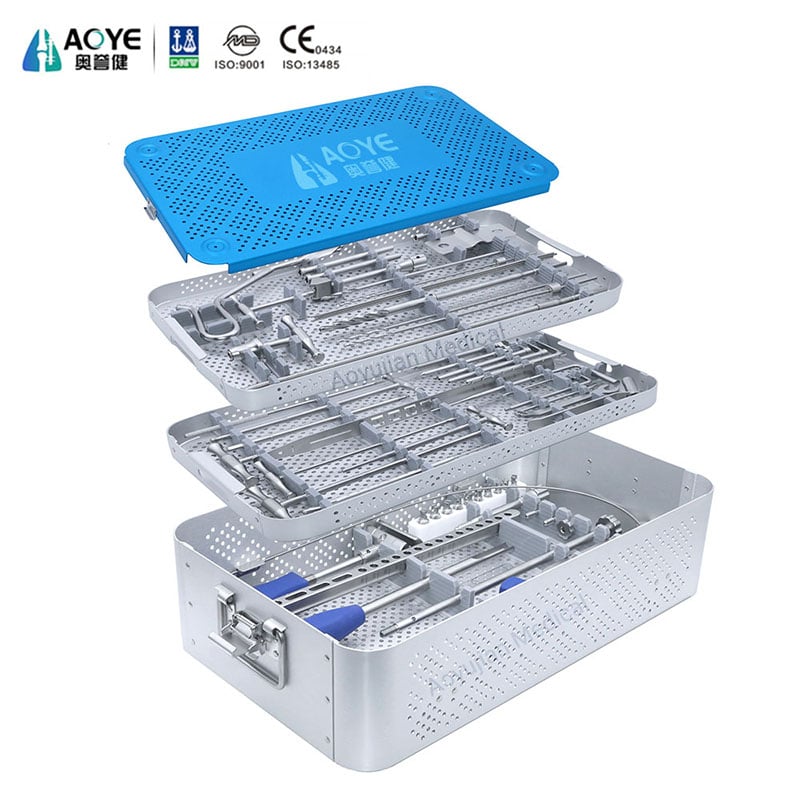
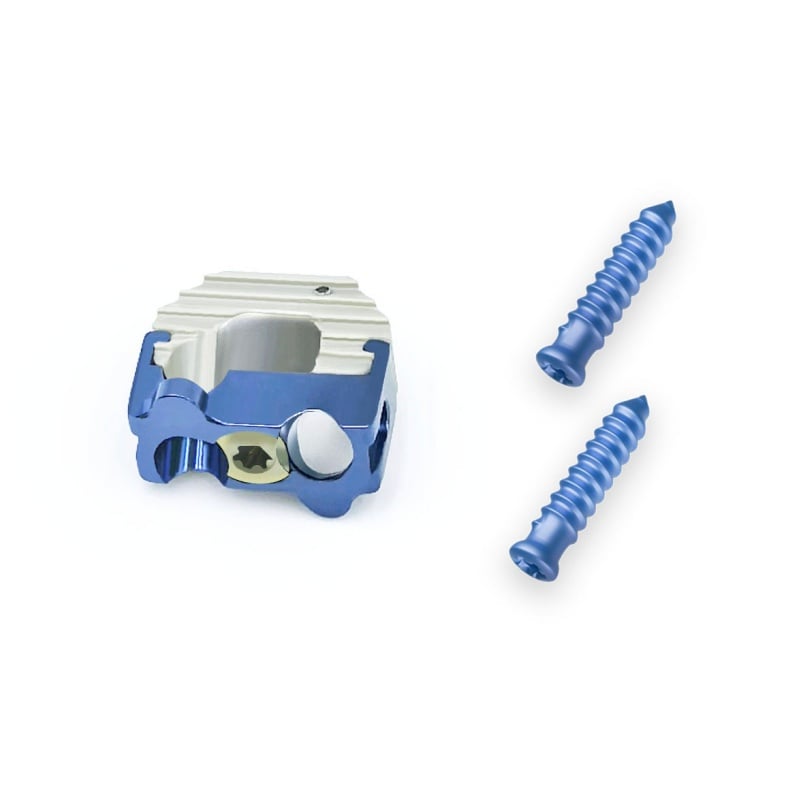
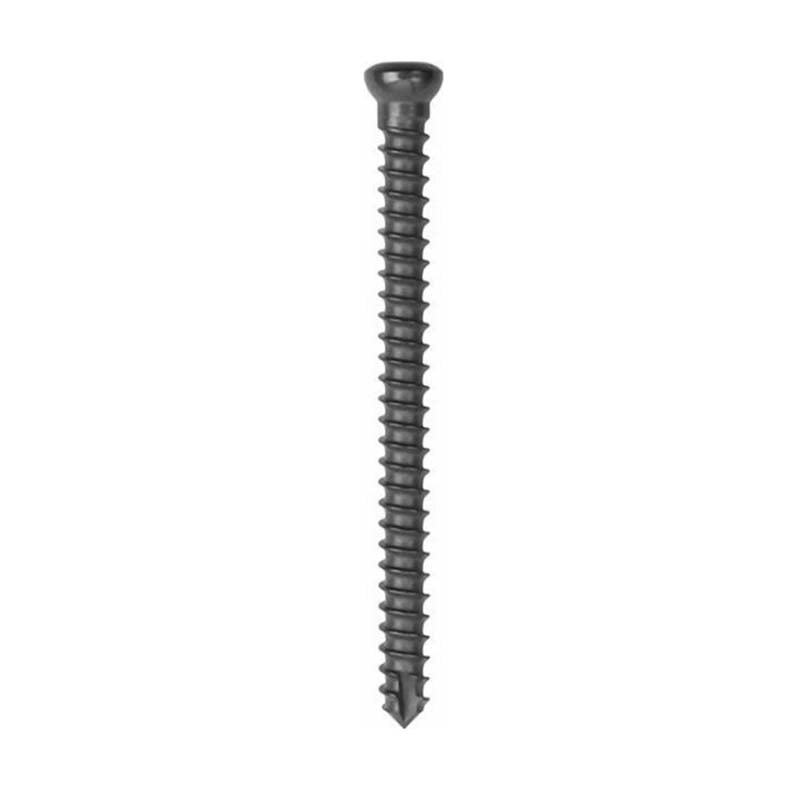
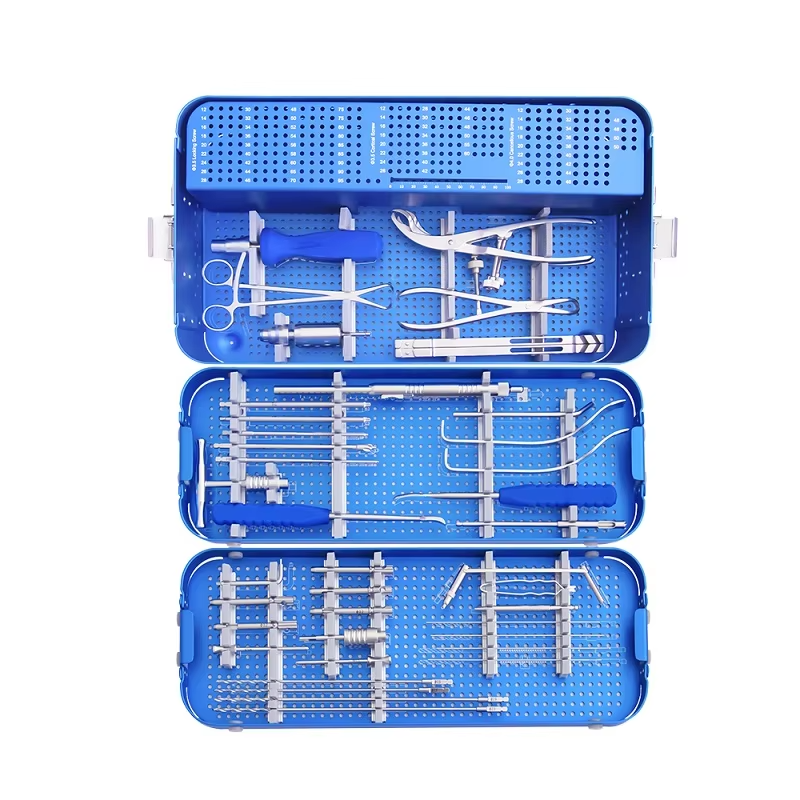
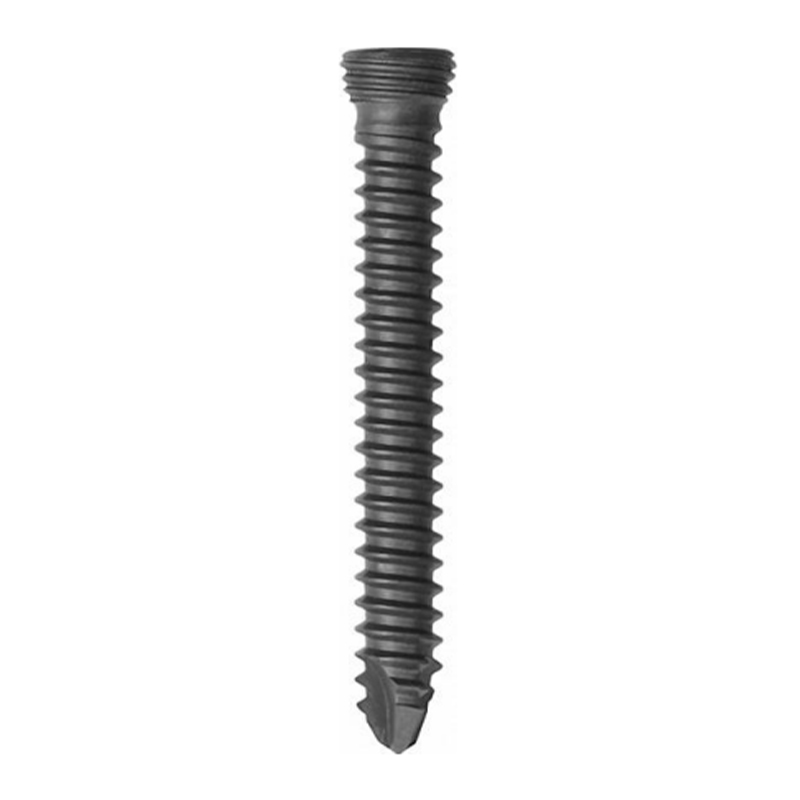
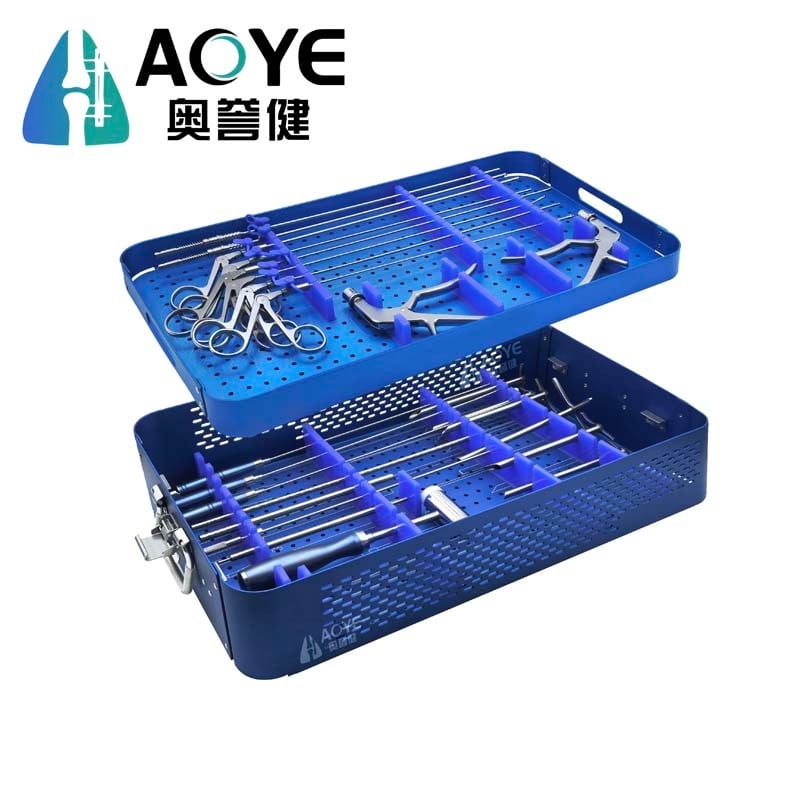
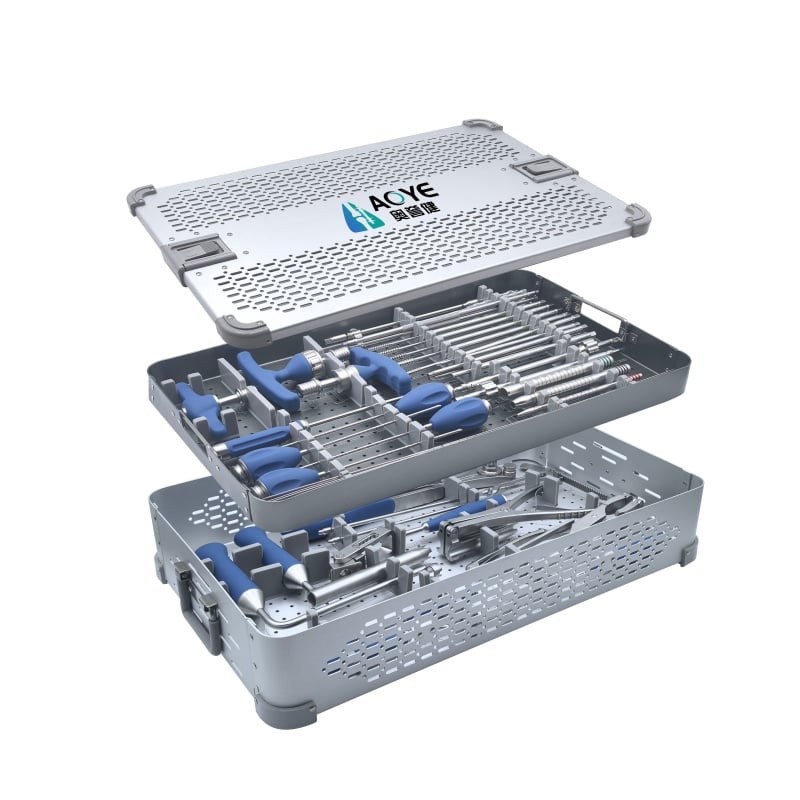
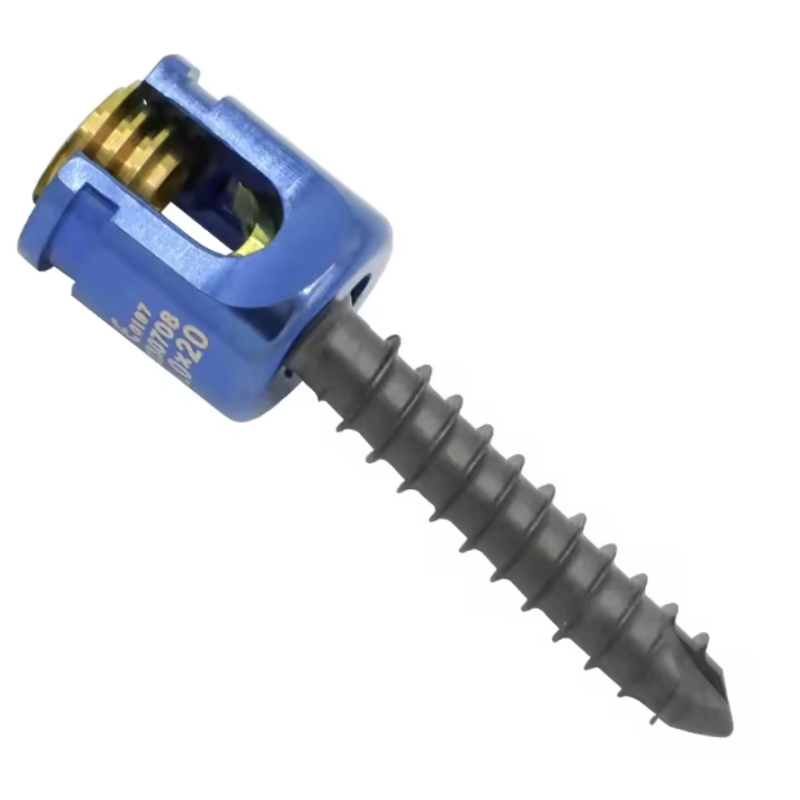
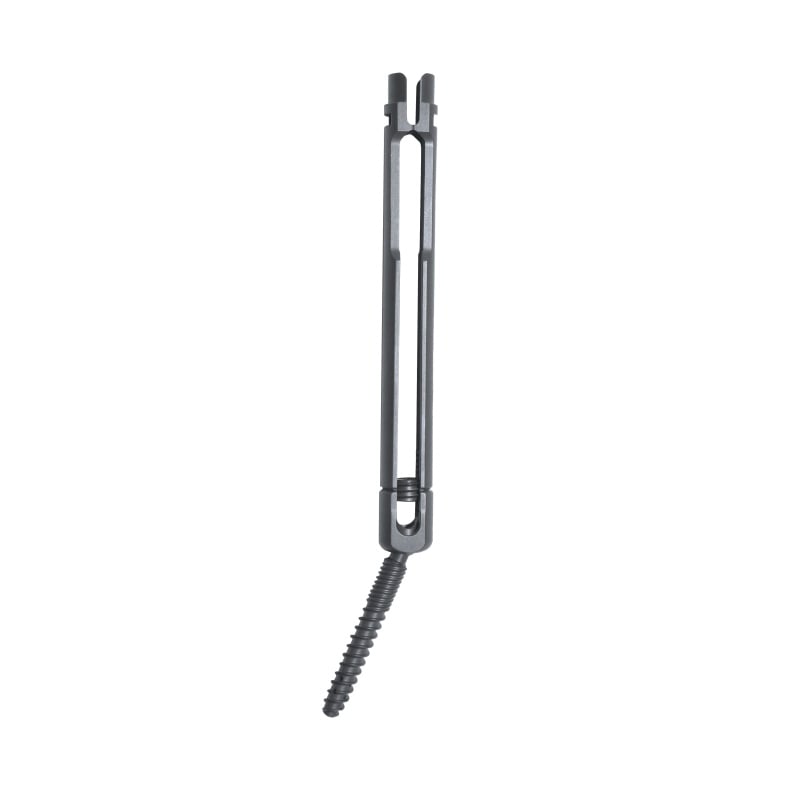
Intramedullary hip screws are essential orthopedic devices utilized in the treatment of hip fractures, particularly in the femur. As a purchasing manager or medical professional, your priority is to select the right Aoye hip intramedullary nailing that meets quality standards while ensuring compatibility with your clinical applications. This article will guide you through selecting the appropriate screw, understanding key specifications, finding reliable suppliers, evaluating cost factors, and providing installation guidance for clinical settings.
Selecting the right intramedullary hip screw involves understanding the specific needs of your patients and the technical requirements of the procedure. Factors to consider include the type of fracture being treated, the patient's age and activity level, and the potential for bone healing.
Fracture Type: Aoye locking screw plate are typically used for unstable intertrochanteric fractures. Ensure the screw design accommodates the specific fracture type and provides sufficient fixation.
Material Considerations: Most intramedullary hip screws are made from titanium or stainless steel, offering strength and biocompatibility. The choice of material affects the screw's performance, weight, and potential for corrosion.
Design Features: Look for features such as locking mechanisms, screw length options, and modular designs that allow customization based on the patient's anatomy. Certain screws offer variable angles, which can enhance stability during the healing process.
Clinical Guidelines: Refer to established clinical guidelines and studies that advocate for specific screw designs and configurations based on patient demographics and fracture patterns.
By aligning these factors with your clinical requirements, you can select the most suitable Aoye hip intramedullary nailing for your project.
Understanding the key specifications of intramedullary hip screws is critical for making an informed purchasing decision. Here are the primary specifications you should evaluate:
Length and Diameter: The length typically ranges from 240 mm to 400 mm, while diameters vary based on the application. Ensure the dimensions fit the intended anatomical location accurately.
Material Composition: Most intramedullary hip screws are made from titanium alloys or stainless steel. Titanium offers excellent strength-to-weight ratios and corrosion resistance, while stainless steel provides robustness but may be heavier.
Locking Mechanism: Some screws feature a locking mechanism that enhances stability within the bone. This is particularly important for patients with high activity levels.
Surface Treatment: The surface finish can influence the screw's osseointegration capabilities. Consider screws with surface treatments that promote bone growth and reduce the risk of infection.
Radiopacity: Ensure the screw is adequately radiopaque to allow for clear visualization during imaging post-surgery.
These specifications will guide your decision-making process and help ensure the selected screw meets both patient needs and surgical requirements.
Finding reliable suppliers for intramedullary hip screws is crucial for maintaining the quality and efficacy of your orthopedic procedures. Here are several approaches to identify trustworthy manufacturers:
Certifications and Compliance: Verify that the supplier holds relevant certifications such as ISO13485 and CE marking, which indicate adherence to international quality standards for medical devices.
Industry Reputation: Research potential suppliers through industry publications, forums, and peer recommendations. Look for manufacturers that have a proven track record in the orthopedic implant sector.
Product Range and Customization: Evaluate suppliers based on the range of products they offer. A manufacturer capable of providing customized solutions may be better suited to meet specific clinical needs.
Customer Support: Assess the level of customer service provided by the supplier. Effective communication and support can significantly enhance the purchasing experience and address any concerns promptly.
Samples and Testing: Request samples for evaluation before committing to bulk orders. Testing the screws in a clinical setting can provide insights into their performance and compatibility.
By focusing on these criteria, you can identify suppliers that align with your quality and service expectations, ensuring a reliable supply chain for your orthopedic needs.
When evaluating the cost of intramedullary hip screws, it's essential to consider various factors that contribute to the overall pricing structure:
Material Costs: The choice of material directly influences the price. Titanium screws may be more expensive than stainless steel options due to their superior properties.
Manufacturing Processes: Advanced manufacturing techniques, such as precision machining and surface treatments, can raise production costs. Understanding these processes helps you evaluate the price relative to the quality.
Order Quantity: Bulk purchases often lead to reduced per-unit costs. However, consider the minimum order quantities (MOQ) set by suppliers, as this can impact your financial planning.
Customization Fees: If you require customized screws tailored to specific patient needs, be aware that this may incur additional costs. Always confirm customization capabilities and associated fees upfront.
Shipping and Handling: Factor in shipping costs, especially if importing from international suppliers. Customs duties and taxes may also apply, impacting the total cost of acquisition.
Quality Assurance: Ensure the price reflects the quality and reliability of the product. Investing in a higher-quality screw may save costs related to complications or failures in the future.
By considering these factors, you can make informed purchasing decisions that align with your budget while ensuring high-quality orthopedic care.
Proper installation of intramedullary hip screws is crucial for successful surgical outcomes. Here are essential guidelines for clinical settings:
Preoperative Preparation: Ensure that the surgical team is well-versed in the specific procedures for the chosen screw type. Reviewing the surgical technique and potential complications can enhance the team's readiness.
Surgical Approach: The approach may vary based on the fracture type. Familiarize the surgical team with the recommended surgical approach for the particular intramedullary hip screw being used.
Fluoroscopy and Imaging: Utilize fluoroscopy during the procedure to ensure accurate placement of the screw. Real-time imaging allows for adjustments to be made during insertion, promoting optimal alignment.
Postoperative Care: After installation, monitor the patient for signs of complications such as infection or improper alignment. Follow-up imaging may be necessary to confirm proper healing.
Training and Skills: Continuous education and training for surgical staff in the latest techniques and technologies related to intramedullary hip screws can lead to improved patient outcomes.
By adhering to these installation guidelines, healthcare professionals can enhance the effectiveness of intramedullary hip screws, ensuring better recovery and reduced complication rates for patients.
Aoyujian Medical Technology provides trusted orthopedic solutions, high-quality implants, OEM/ODM services, and global shipping for hospitals & distributors.
No. 2 Changting Road, Gehu Farm, Wujin Economic Development Zone, Changzhou, Jiangsu, China
Copyright © Aoyujian Medical Technology (Changzhou) Co., Ltd. All Rights Reserved - Privacy Policy - Blog
 EN