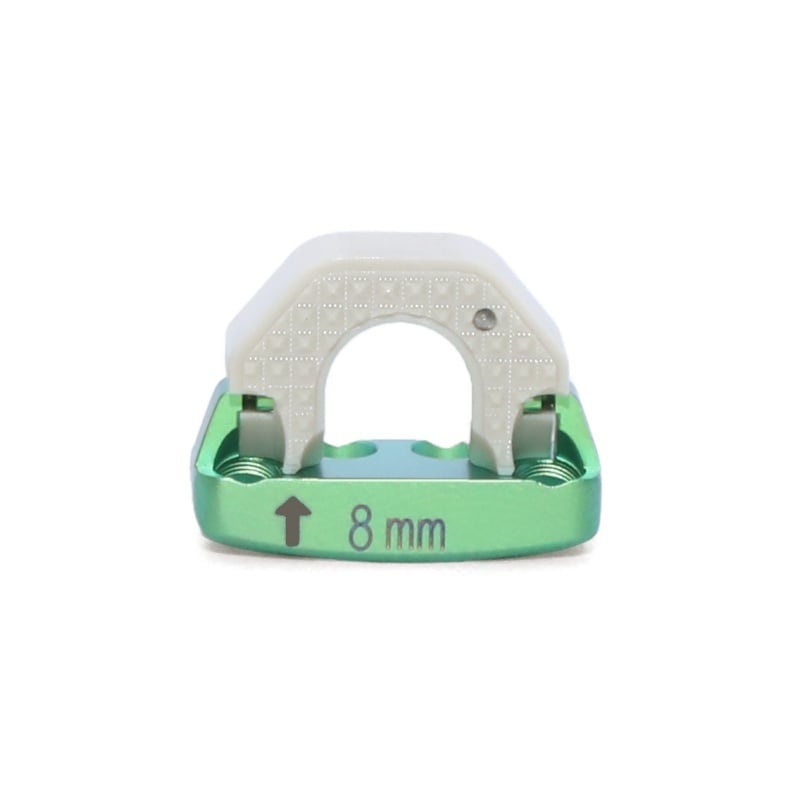
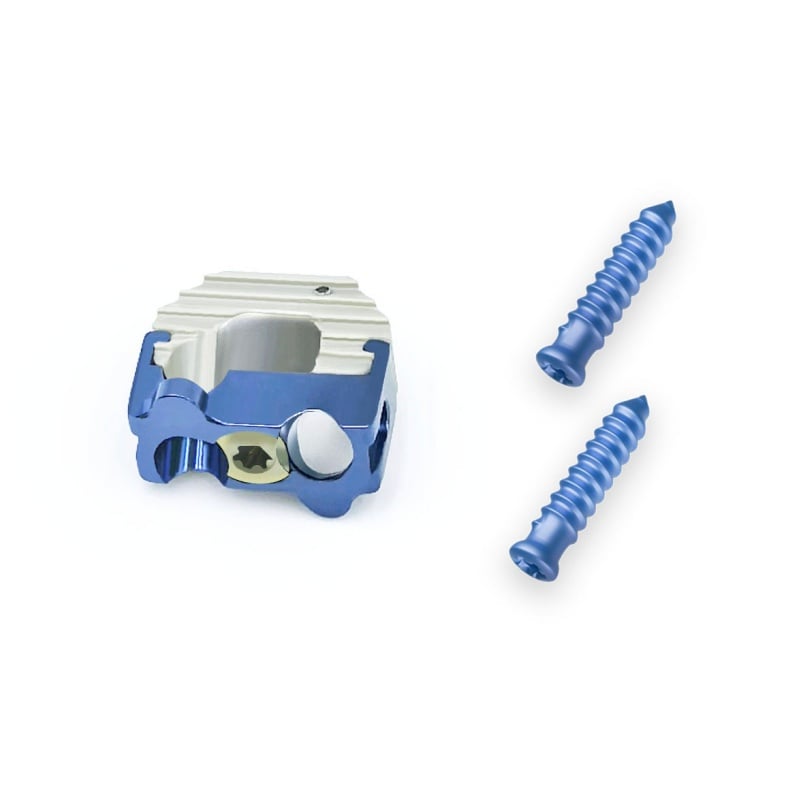
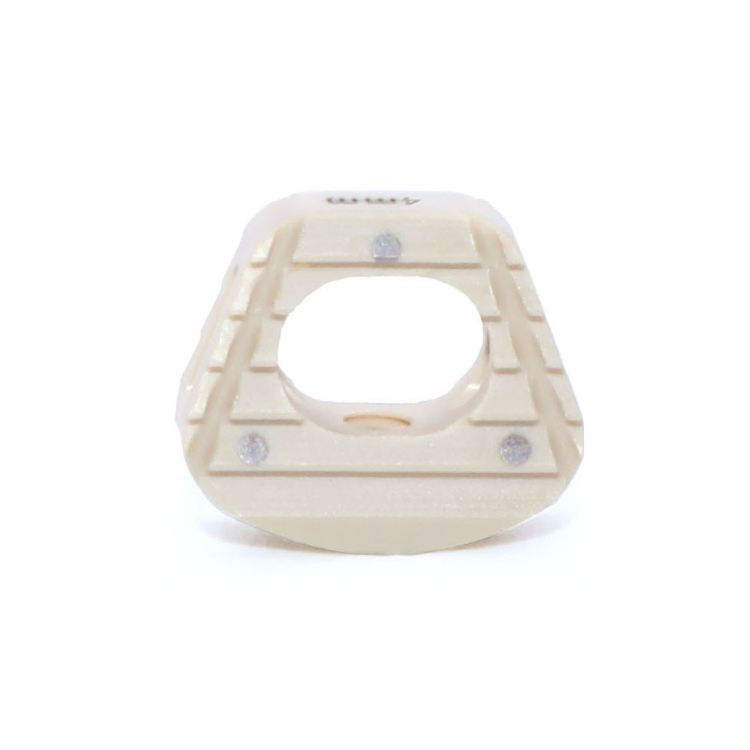
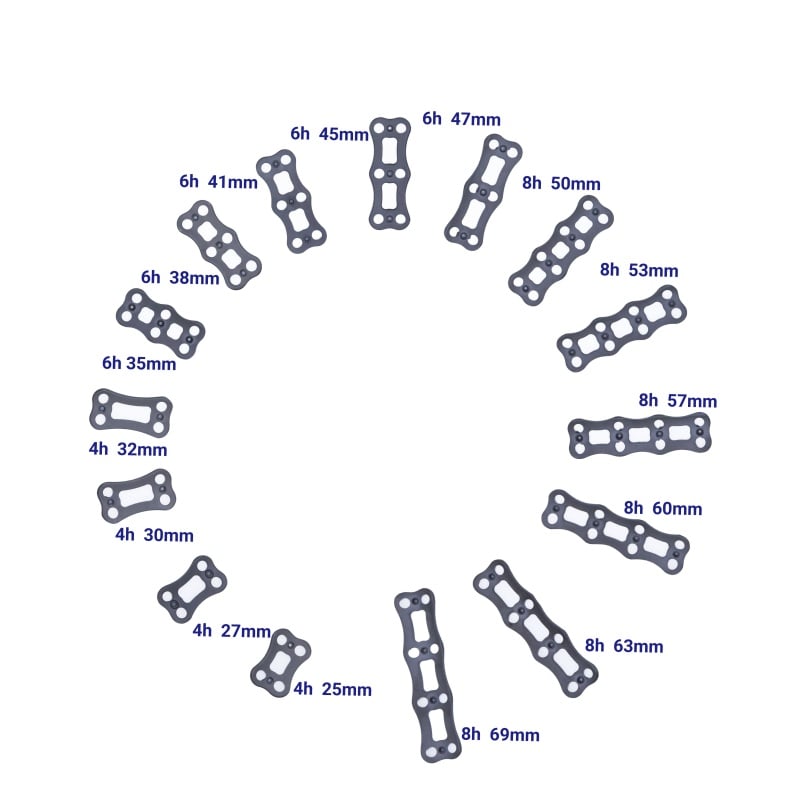
Titanium cervical cages are essential orthopedic implants used in spinal surgeries to provide stability and support to the cervical spine. As a B2B buyer, understanding the key specifications and factors influencing your purchase decision is crucial. This article will guide you through the essential specifications, installation guidelines, application areas, and cost factors associated with titanium cervical peek cage, helping you make informed decisions for your medical facility or practice.
When evaluating titanium cervical cages, several key specifications should be prioritized:
Material and Composition: Titanium is preferred due to its biocompatibility, strength, and corrosion resistance. It’s essential to confirm that the titanium used meets industry standards, such as ASTM F136 or ISO 5832-2, to ensure the cage's reliability in the human body.
Dimensions: The size of the cervical cage must match the specific anatomical requirements of the patient. Common dimensions include height, width, and length, which should be tailored to fit the intervertebral space accurately. A mismatch can lead to complications or inadequate support.
Weight and Density: The cage's weight should be optimized to provide stability without adding unnecessary stress to the cervical spine. This is particularly important for maintaining the overall balance during and after surgical procedures.
Surface Treatment: The surface of the titanium cervical cage should be treated to enhance osseointegration, which is the process by which the bone grows into the implant. Textured surfaces or coatings can improve the bonding with the bone, leading to better surgical outcomes.
Load-Bearing Capacity: It’s critical to assess the load-bearing capacity of the titanium cervical cage peek to ensure it can withstand the stresses encountered during normal spinal activities. This specification is particularly relevant for patients with higher activity levels.
Understanding these specifications will allow buyers to make informed decisions that align with patient needs and surgical requirements.
When purchasing titanium cervical cages, several factors should be considered to ensure a smooth procurement process:
Supplier Credentials: Look for suppliers with ISO13485 and CE certifications, indicating adherence to quality management systems and compliance with European health, safety, and environmental protection standards. Aoyujian Medical, for example, is an ISO13485/CE certified manufacturer, which adds credibility to its products.
Customization Options: Many suppliers offer customization based on specific surgical requirements. Buyers should consider whether the manufacturer can accommodate bespoke designs or sizes tailored to particular patient needs.
Minimum Order Quantity (MOQ): Understanding the MOQ is essential for budgeting. Different suppliers may have varying MOQs, so it's important to confirm this ahead of placing orders.
Lead Times: Inquire about production and delivery timelines. Timely delivery is crucial, especially when surgeries are scheduled.
Quality Assurance: Investigate the supplier’s quality control processes, including material inspections and testing of the finished products. A transparent quality assurance process helps mitigate risks associated with implant failure post-surgery.
Technical Support: Ensure that the supplier provides adequate technical support, including installation guidance and ongoing assistance, which can be beneficial during the surgical procedure.
By addressing these points, buyers can enhance their procurement strategy for titanium cervical cages.
The cost of titanium cervical cages can vary significantly based on several factors:
Material Costs: The price of raw titanium and the manufacturing process can impact the final price. High-quality titanium may lead to higher costs but offers better performance and safety.
Manufacturing Complexity: Cages that require advanced manufacturing techniques, such as 3D printing or specialized surface treatments, may incur additional costs. Understanding the manufacturing process can help buyers evaluate the price relative to the expected quality.
Customization: Custom-designed cages will generally be more expensive than standard options. Buyers should weigh the benefits of customization against budget constraints.
Volume Discounts: Purchasing in bulk can lead to significant savings. Buyers should inquire about volume pricing to optimize their budget.
Shipping and Handling: Consider shipping costs, especially for international orders. Import duties and taxes can also affect the overall cost.
Understanding these cost factors will enable buyers to make financially sound decisions while ensuring high-quality products are procured.
Installing titanium cervical cages requires precision and adherence to surgical protocols. Here are some key points to consider during installation:
Preoperative Planning: Surgeons should review the patient's anatomy using imaging studies to select the appropriate lumbar peek cage size and design. This step is crucial for ensuring a proper fit and alignment.
Surgical Technique: Follow established surgical techniques for cervical fusion, ensuring that the implant is positioned correctly. The use of navigation systems can enhance accuracy during placement.
Post-Operative Care: After the installation, monitor the patient for signs of complications such as infection or implant migration. Regular imaging may be necessary to ensure proper healing and integration of the cage with the bone.
Training and Support: Ensure that surgical staff are adequately trained in the installation process. Manufacturers may offer training programs or resources to support this.
Following these guidelines will help ensure successful installation and patient outcomes.
Titanium cervical cages are primarily used in orthopedic procedures for spinal stabilization and fusion. Common applications include:
Cervical Disc Replacement: In cases of degenerative disc disease, titanium cervical cages can be used to replace damaged discs, providing support and facilitating fusion between vertebrae.
Spinal Fusion Surgery: These cages are instrumental in spinal fusion surgeries, where they help stabilize the spine by bridging the gap between adjacent vertebrae, promoting bone growth and healing.
Trauma Cases: In traumatic injuries to the cervical spine, titanium cages can be employed to restore alignment and stability, aiding in the recovery process.
Tumor Resection: After the removal of tumors in the cervical spine, titanium cervical cages can be implemented to maintain structural integrity and support healing.
Understanding the applications of titanium cervical cages allows buyers to assess their relevance to specific surgical procedures and patient needs effectively.
By taking into account the specifications, installation guidance, cost factors, and application contexts presented , buyers can navigate the procurement process for titanium cervical cages with greater confidence and clarity.
Aoyujian Medical Technology provides trusted orthopedic solutions, high-quality implants, OEM/ODM services, and global shipping for hospitals & distributors.
No. 2 Changting Road, Gehu Farm, Wujin Economic Development Zone, Changzhou, Jiangsu, China
Copyright © Aoyujian Medical Technology (Changzhou) Co., Ltd. All Rights Reserved - Privacy Policy - Blog
 EN