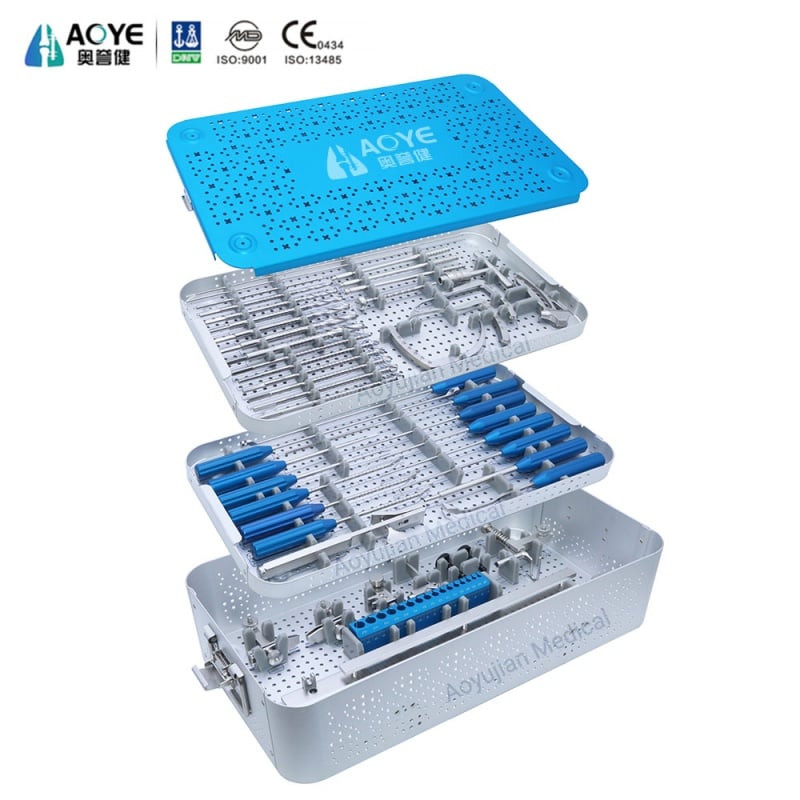
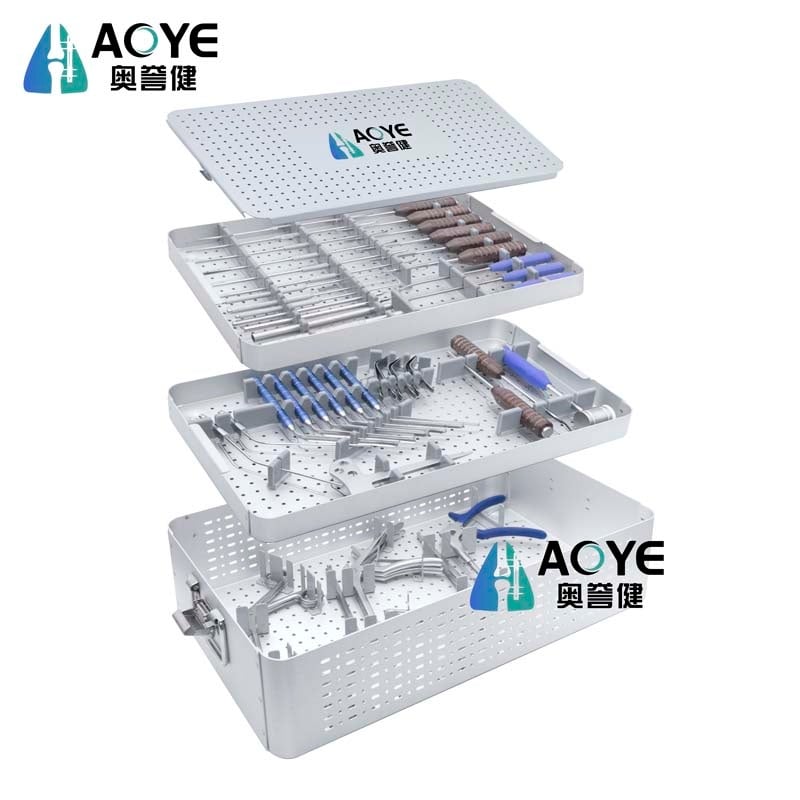
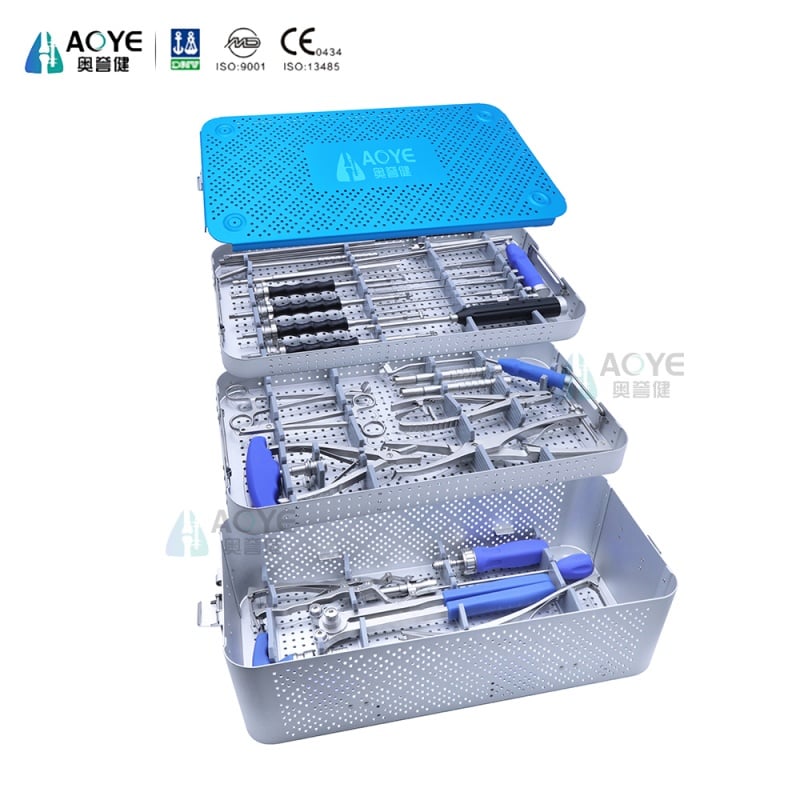
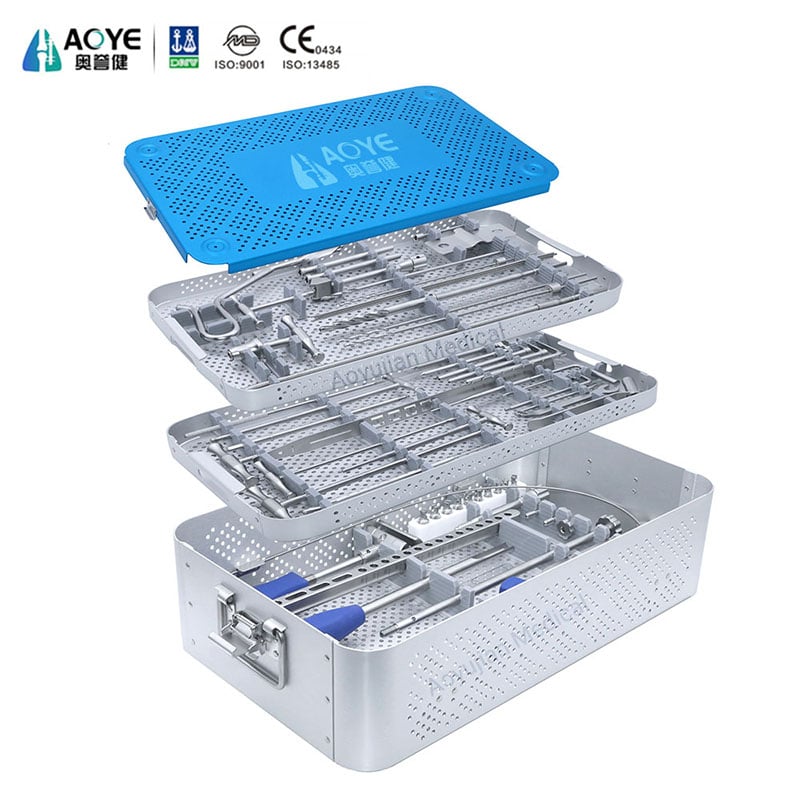
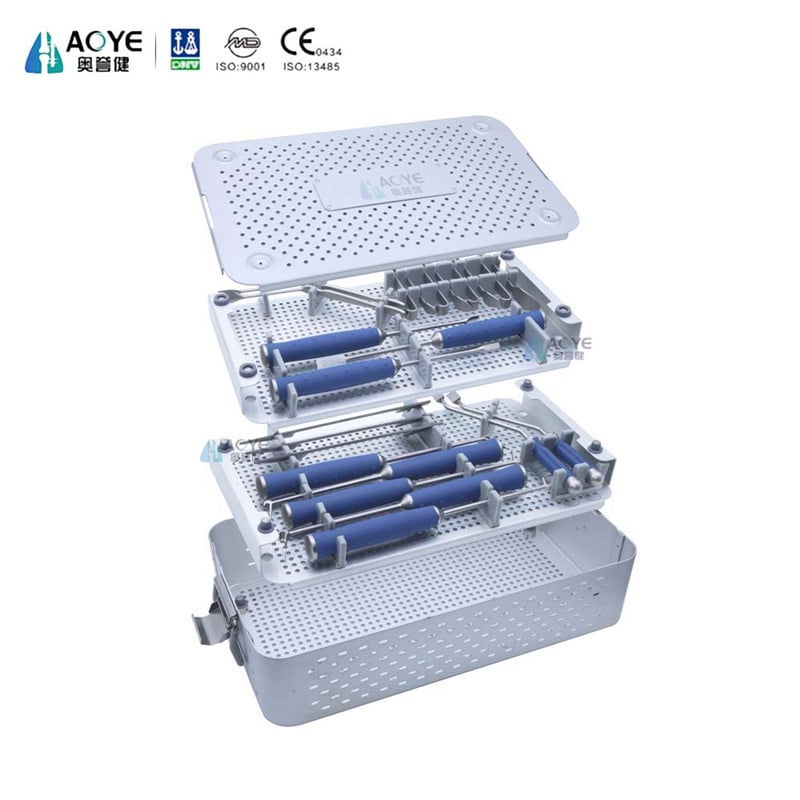
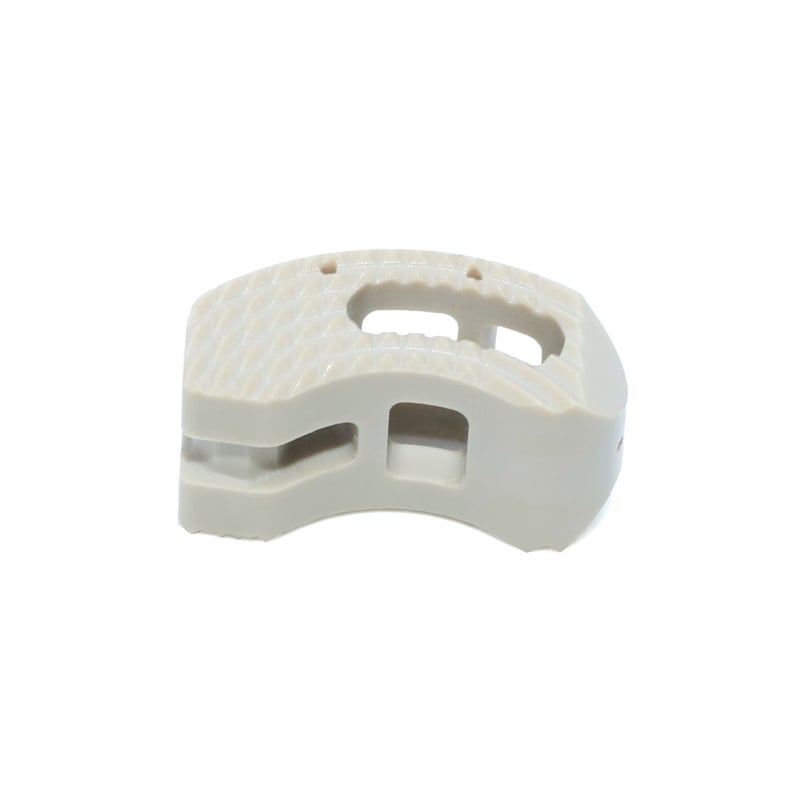
When it comes to sourcing ortho general instruments, understanding the specific needs of your application is crucial. These instruments play a vital role in orthopedic procedures, impacting patient outcomes and surgical efficiency. As a purchasing manager or distributor, you may have concerns about product specifications, quality assurance, and supplier reliability. This article will guide you through the ortho surgical instruments essential considerations for selecting the right ortho general instruments, helping you make informed purchasing decisions.
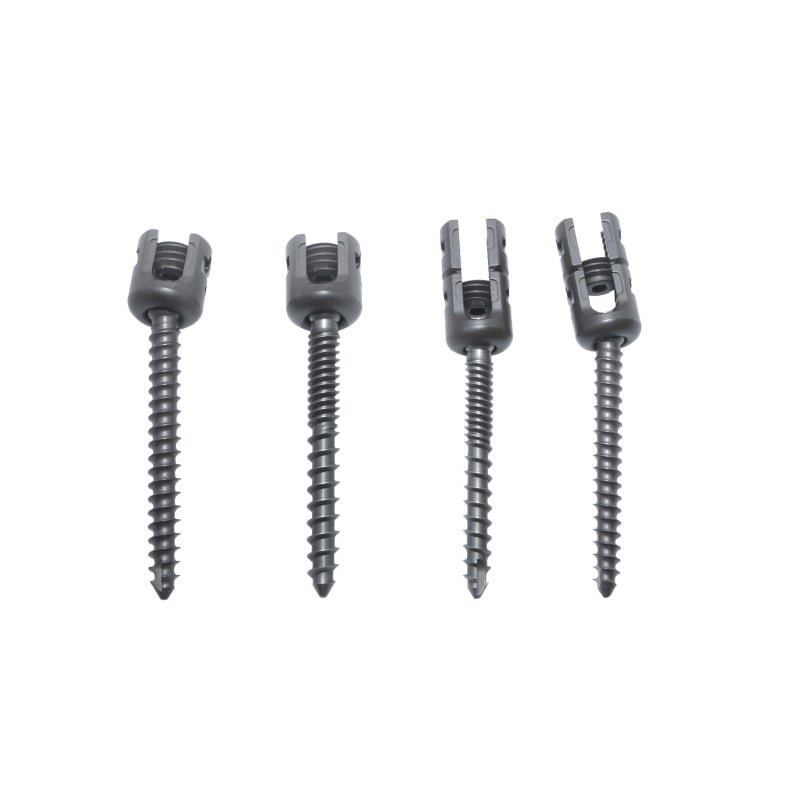
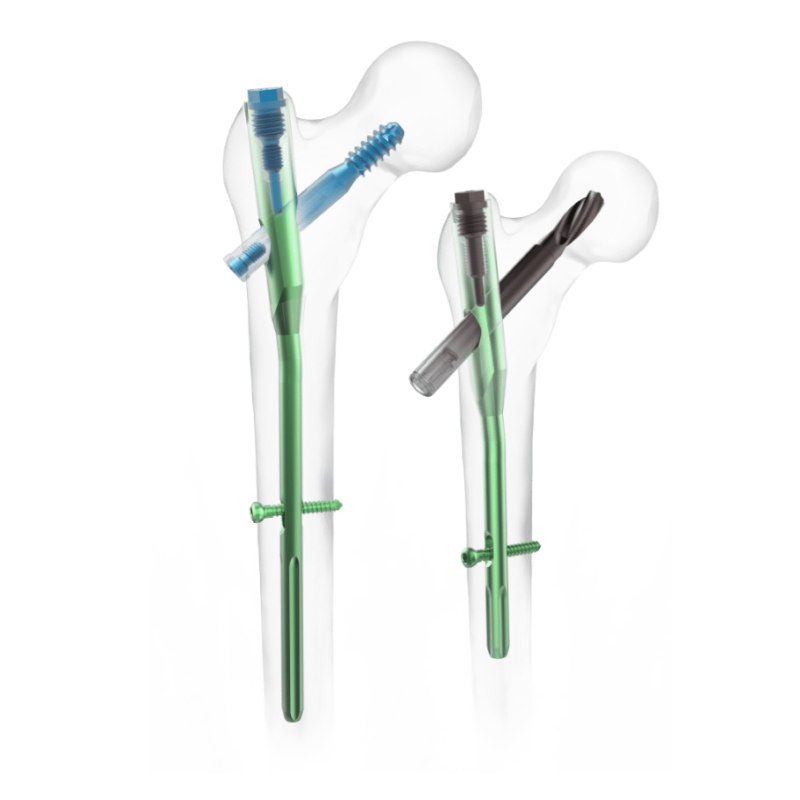
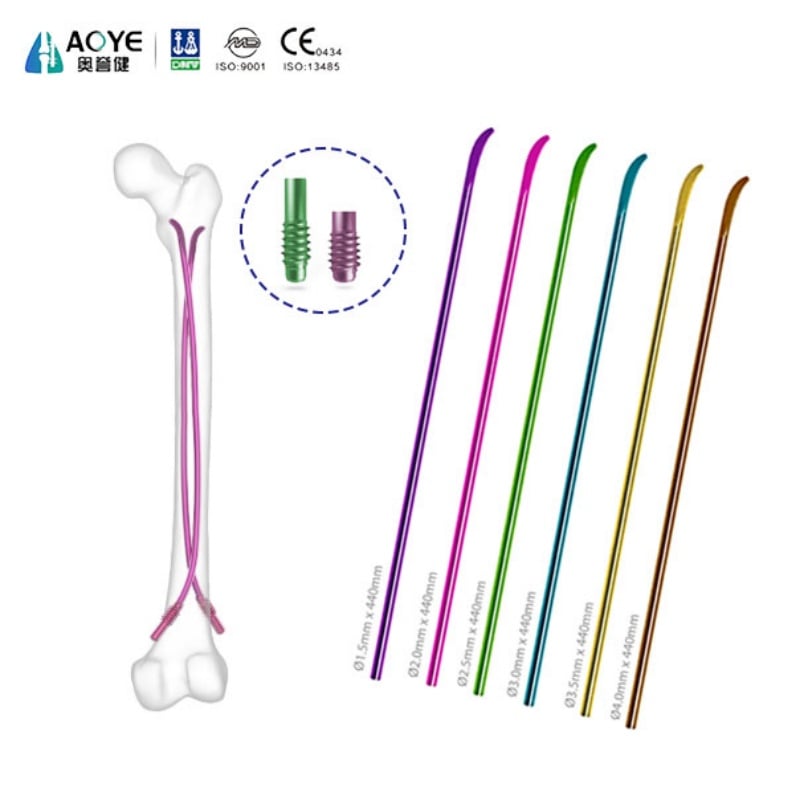
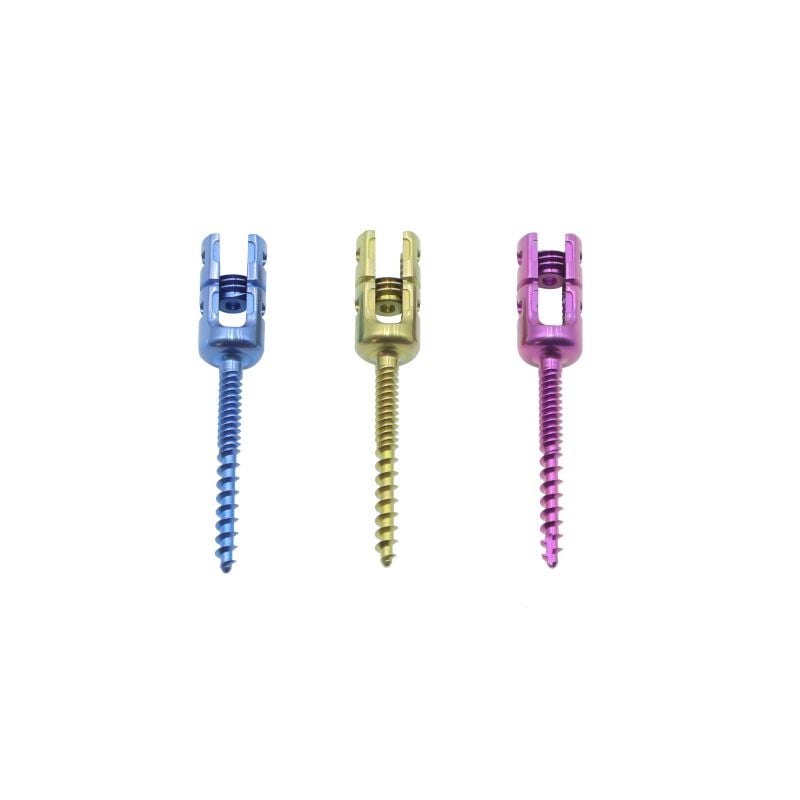
Selecting the appropriate ortho general instruments involves a thorough understanding of the specific procedures they will be used for, whether trauma, spine, or sports medicine applications. Key factors to consider include the instrument's design, material, and intended use. For instance, instruments used in spine surgeries often require precise dimensions and specialized materials that can withstand significant stress and provide durability.
Consulting with your surgical team can provide insights into the types of instruments that are most effective for specific procedures. Additionally, consider the ergonomics of the instruments, as these can affect the ease of use during complex surgeries. Collaboration with a manufacturer like Aoyujian Medical, known for its specialization in orthopedic instruments, can also help ensure that the products meet both your and your surgical team's needs.
When purchasing ortho general instruments wholesale, several considerations come into play. First, assess the minimum order quantities (MOQs) required by suppliers. Understanding these numbers can help you budget effectively and manage inventory levels.
Additionally, consider the supplier's delivery timelines and their ability to meet your demand fluctuations. A reliable supplier should have a proven track record in timely deliveries, as delays can impact surgical schedules. Quality control is also paramount; ensure that the manufacturer adheres to international standards such as ISO13485 and CE certification, as this ensures that the ortho medical devices instruments meet rigorous safety and quality benchmarks.
It’s beneficial to request samples of the instruments before placing a large order. This allows for evaluation of material quality, design functionality, and overall suitability for your specific applications.
When evaluating ortho general instruments, certain specifications should be prioritized. Key specifications include:
Material Composition: Instruments must be made from biocompatible materials that can withstand sterilization processes without degrading. Common materials include stainless steel, titanium, and high-grade polymers.
Dimensions and Ergonomics: Accurate dimensions are crucial for ensuring that instruments fit the specific surgical environment. Ergonomics affect the surgeon's ability to use the instruments effectively, which can influence surgical outcomes.
Finish and Surface Treatment: The finish of the instruments should be smooth to facilitate easy cleaning and sterilization. Surface treatments may also enhance corrosion resistance, which is vital for instruments used in various surgical environments.
Durability and Performance: Instruments must be able to withstand repeated use without compromising performance. This means evaluating the tensile strength and flexibility of the materials used.
By thoroughly reviewing these specifications, you can ensure that the instruments selected will perform reliably during procedures.
Quality control is a critical aspect of the manufacturing process for ortho general instruments. Reputable manufacturers like Aoyujian Medical implement stringent quality control measures throughout the production cycle. This process typically includes:
Raw Material Inspection: Before production begins, all raw materials are inspected for compliance with quality standards.
In-Process Quality Checks: During manufacturing, periodic checks are performed to ensure that dimensions and specifications are being met.
Final Inspection: Once the instruments are completed, they undergo a final inspection where factors like surface finish, functionality, and packaging integrity are evaluated.
Testing for Compliance: Instruments are often tested for mechanical performance and biocompatibility, ensuring that they meet both safety and usability standards.
Understanding these steps can provide assurance that the orthopedic instrument instruments you purchase are reliable and safe for use in surgical settings.
Cost is always a significant factor in purchasing decisions, but it’s essential to consider more than just the unit price. Here are some cost factors to keep in mind:
Material Costs: The choice of materials directly affects the price. Higher-grade materials may lead to a higher initial cost but can result in lower long-term costs due to durability and less frequent replacement.
Production Volume: Larger volume orders may reduce the unit cost, but consider your organization's ability to store and manage inventory effectively.
Supplier Reliability and Quality: Choosing a supplier based solely on price can lead to compromises on quality. Investing in high-quality instruments may reduce the risk of surgical complications and associated costs in the long run.
Customization Charges: If you require customized instruments tailored to specific procedures, be aware that these may incur additional costs. However, the benefits of having instruments designed for your exact needs can outweigh the upfront expense.
Shipping and Handling: Factor in shipping costs, especially if you are importing instruments from abroad. Understanding the total landed cost will help you make a more informed decision.
By evaluating these cost factors comprehensively, you can make purchasing decisions that align with your budget while ensuring quality and performance.
Aoyujian Medical Technology provides trusted orthopedic solutions, high-quality implants, OEM/ODM services, and global shipping for hospitals & distributors.
No. 2 Changting Road, Gehu Farm, Wujin Economic Development Zone, Changzhou, Jiangsu, China
Copyright © Aoyujian Medical Technology (Changzhou) Co., Ltd. All Rights Reserved - Privacy Policy - Blog
 EN