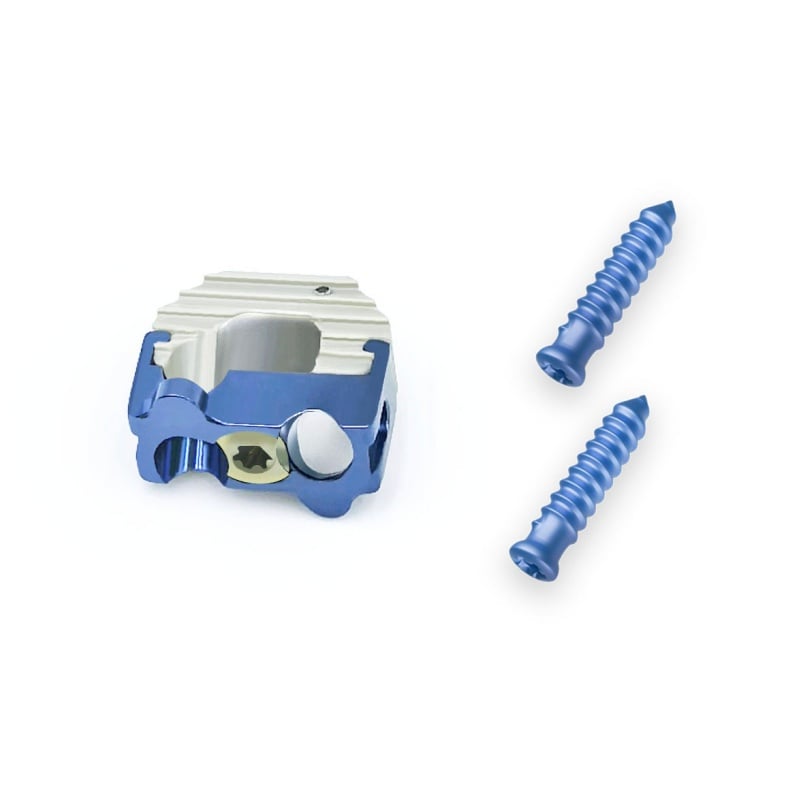
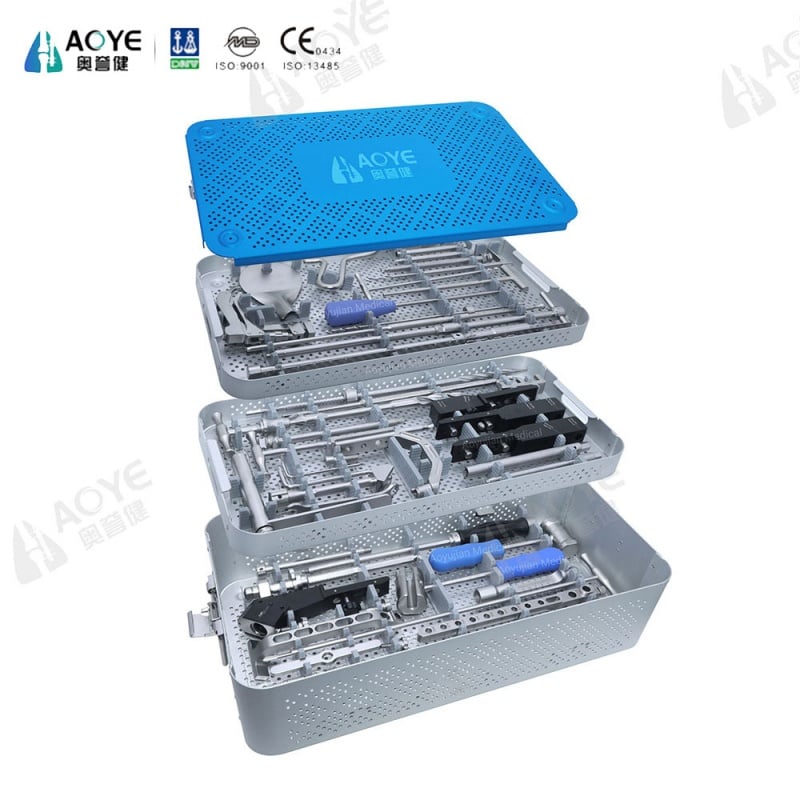
Choosing the right peek cage cervical fusion products is crucial for successful spinal surgeries. These implants play a vital role in stabilizing the spine and promoting bone fusion, and understanding the various options available can significantly impact surgical outcomes. This article will address key considerations for purchasing these implants, specifications to evaluate, installation guidance, and effective purchasing strategies for distributors, helping decision-makers make informed choices.
When selecting peek cage cervical fusion products, several critical factors should be taken into account. First, consider the specific anatomical and clinical requirements of the patient receiving the implant. The size and shape of the cage must accommodate the individual’s spinal anatomy and the surgical technique employed.
Material selection is another vital consideration. Peek (polyetheretherketone) is favored due to its biocompatibility, radiolucency, and mechanical properties that closely match those of bone. However, the specific grade of peek used can vary, affecting its strength and durability. Buyers should confirm that the manufacturer provides high-quality peek that meets international standards.
Additionally, it's important to assess the certifications of the manufacturer. Aoyujian Medical, for instance, operates under ISO13485 and CE certifications, ensuring that their products meet stringent quality management standards. This is essential for minimizing risks associated with implant failure.
Key specifications to evaluate for peek cage cervical fusion implants include dimensions, load-bearing capacity, and surface treatment.
Dimensions: The size of the cage must align with the surgical plan and the patient's anatomy. Common dimensions include height, width, and depth, which should be specified based on the desired fusion area and vertebral spacing.
Load-Bearing Capacity: The implant must be capable of withstanding the physiological loads that will be applied post-surgery. This is particularly important in load-bearing areas of the spine. Buyers should request data on the load limits of the cages they are considering.
Surface Treatment: Some cages may feature surface treatments to enhance osseointegration. These treatments can promote better bone growth around the lumbar peek cage implant, leading to improved fusion rates. Understanding the specific surface technologies used can help in selecting the most effective implant for the intended application.
Installing peek cage cervical fusion implants requires precision and adherence to surgical protocols. Surgeons should follow these general guidelines:
Preparation of the Surgical Site: Adequate exposure of the cervical spine is essential. The surgical team should ensure that all surrounding tissues are carefully managed to prevent complications.
Cage Placement: The cage should be inserted between the vertebrae using appropriate instrumentation. It is crucial to verify that the cage is positioned correctly to maintain alignment and stability.
Post-Installation Assessment: After placement, the surgeon should assess the positioning of the cage using imaging techniques. This step is critical to ensure that the implant is secure and properly aligned, which can significantly affect the success of the fusion process.
Surgeons should also familiarize themselves with the specific features of the cages being used, as different models may have unique installation requirements.
For distributors, comparing various peek cage cervical fusion options involves evaluating several criteria:
Product Variations: Many manufacturers offer multiple models of peek cages, differentiated by size, design features, and intended applications. Understanding these variations can help distributors offer the best options to healthcare providers.
Quality Assurance: It’s essential to assess the quality control processes employed by manufacturers. For example, Aoyujian Medical implements rigorous quality checks throughout the peek interbody cage production process, ensuring that each product meets high standards before reaching the market.
Customization Capabilities: Some manufacturers provide customization options for their peek cages, allowing distributors to meet specific customer needs. This can include custom sizes or shapes tailored to unique surgical requirements.
Pricing and MOQ (Minimum Order Quantity): Buyers should evaluate the pricing structure and the minimum order quantities required by different manufacturers. This can impact inventory management and pricing strategies for distributors.
When planning to purchase peek cage cervical fusion implants wholesale, several strategies can enhance the procurement process:
Gather Comprehensive Product Information: Before reaching out to suppliers, ensure that you have detailed information about the cervical peek desired products, including specifications, required quantities, and potential customization needs. This will facilitate a more efficient and focused communication process.
Evaluate Supplier Reliability: Research potential suppliers for their reputation in the industry. Look for manufacturers with proven track records, certifications, and positive reviews from other distributors and healthcare providers.
Negotiate Pricing: Discuss pricing structures, including potential discounts for bulk purchases. Understanding the cost breakdown can help in negotiating better deals and ensuring profitability.
Confirm Lead Times and Shipping Details: Ensure clear communication regarding lead times, shipping methods, and any potential delays. This is vital for maintaining supply chain continuity, especially in a field where timely delivery can impact patient outcomes.
By applying these strategies, distributors can optimize their purchasing processes and ensure they are well-equipped to meet the needs of their clients in the healthcare sector.
Aoyujian Medical Technology provides trusted orthopedic solutions, high-quality implants, OEM/ODM services, and global shipping for hospitals & distributors.
No. 2 Changting Road, Gehu Farm, Wujin Economic Development Zone, Changzhou, Jiangsu, China
Copyright © Aoyujian Medical Technology (Changzhou) Co., Ltd. All Rights Reserved - Privacy Policy - Blog
 EN