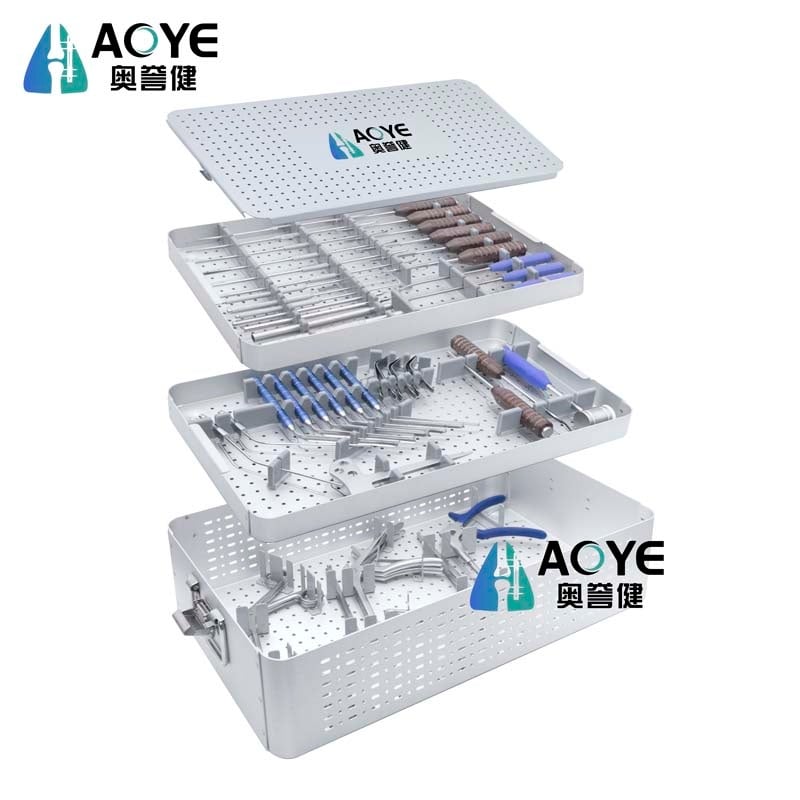
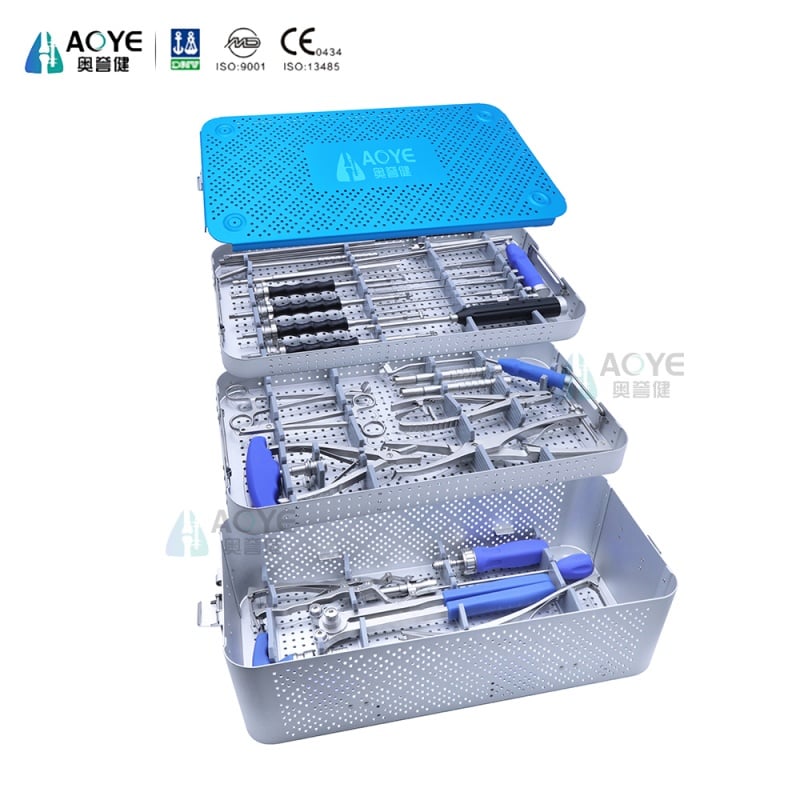
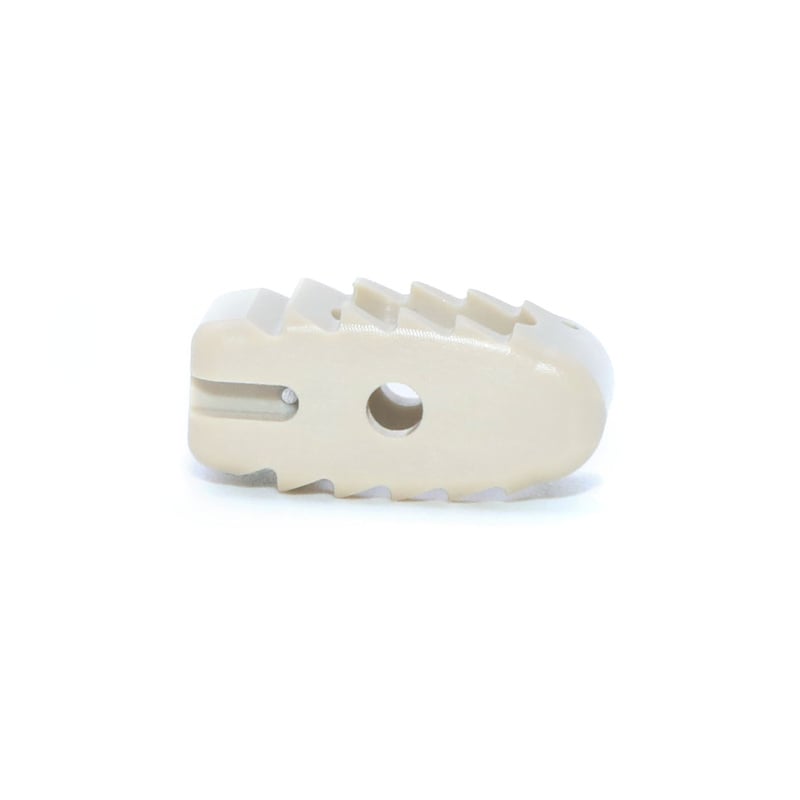
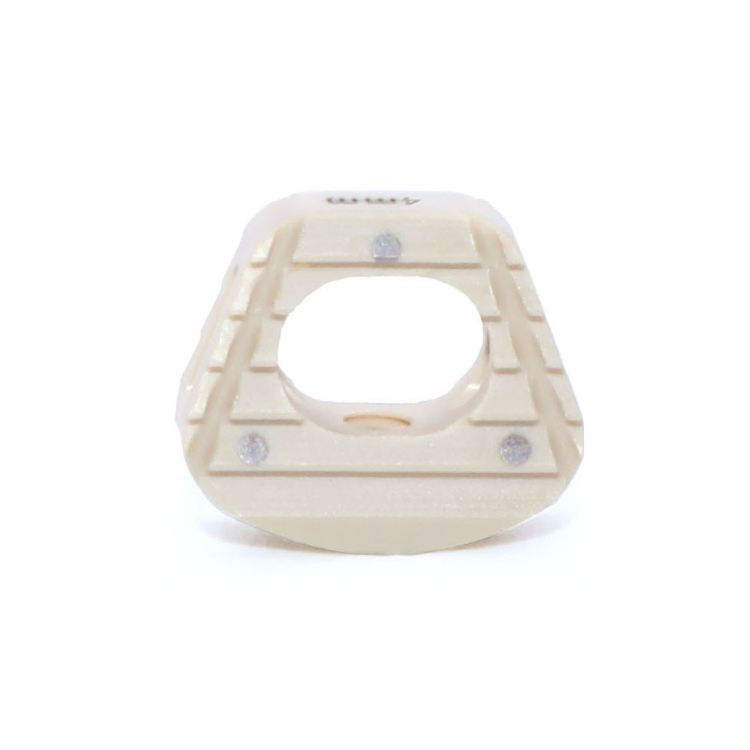
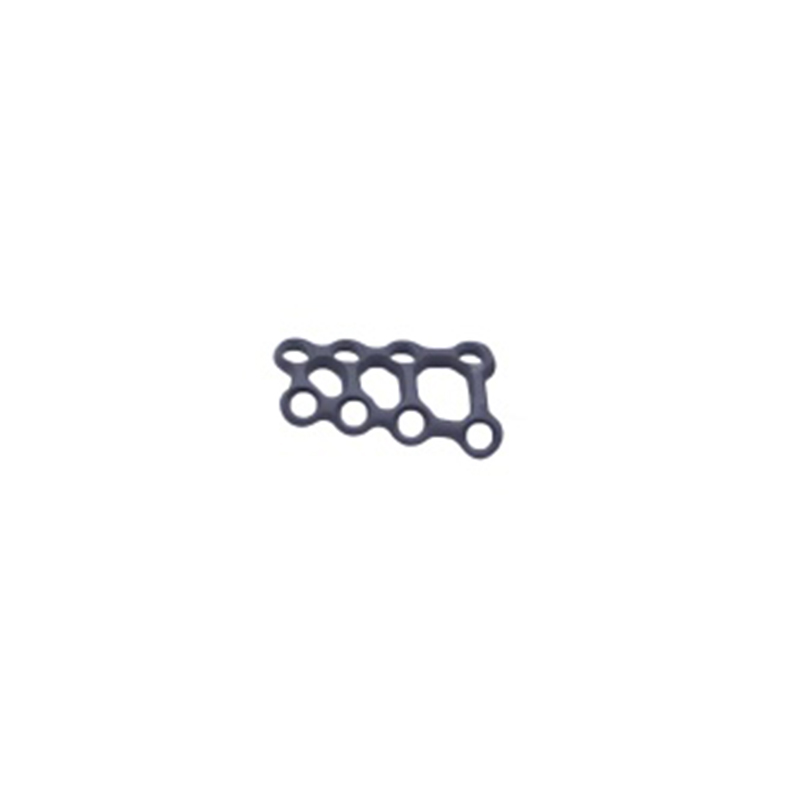
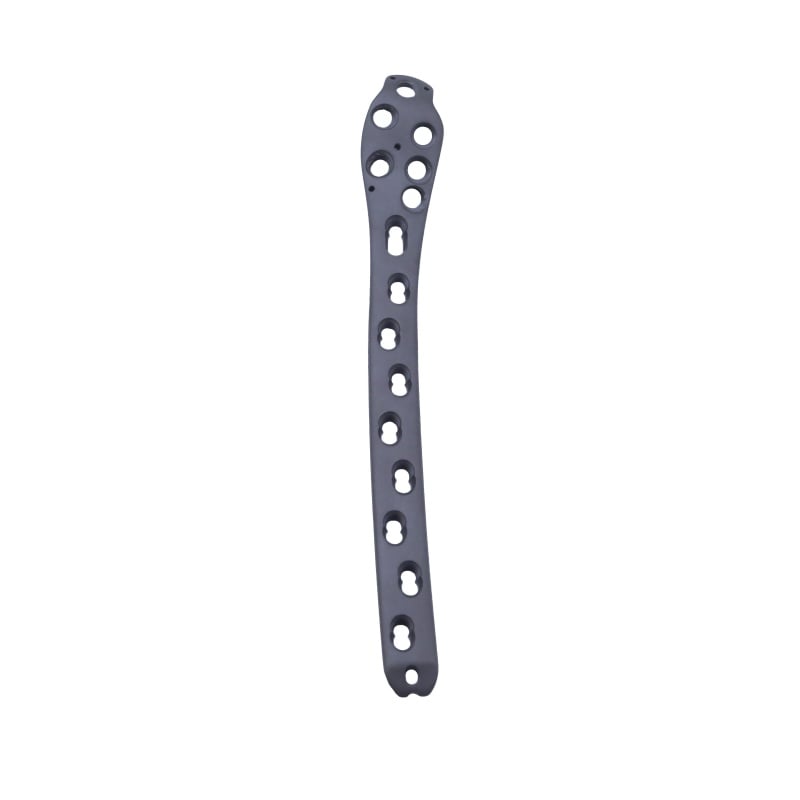
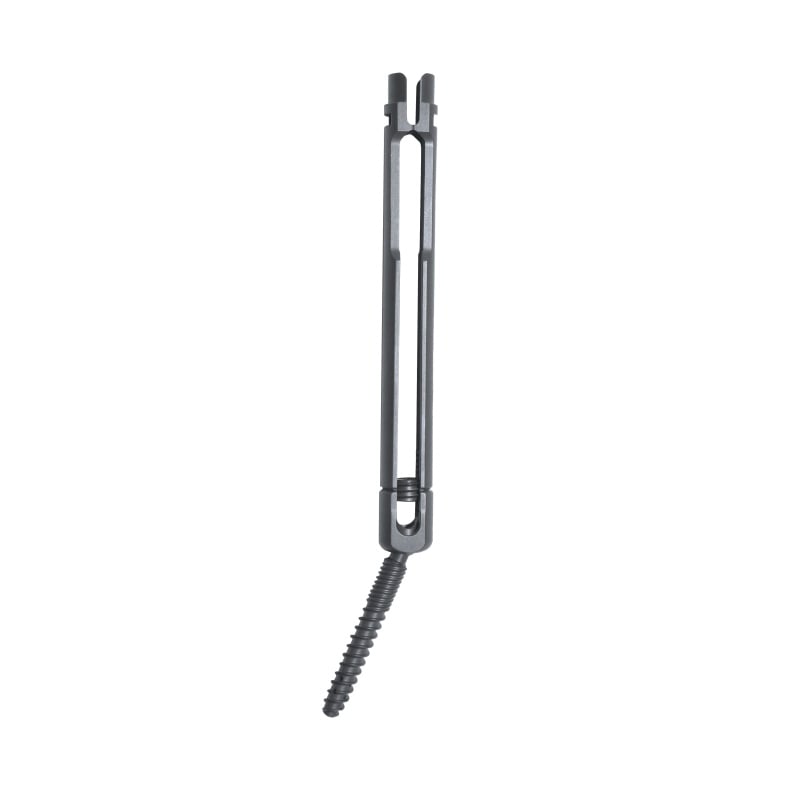
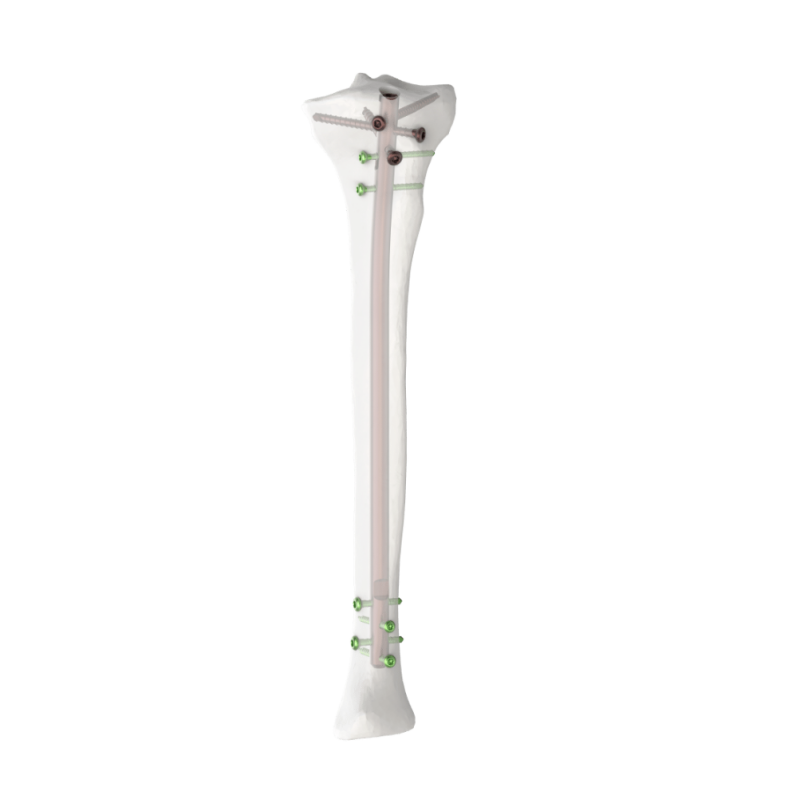
Understanding orthopedic fixation is crucial for medical professionals involved in trauma, spine, and sports medicine. These products, which include plates, screws, and rods, play a vital role in stabilizing fractures and supporting healing. As a purchasing manager or distributor, your primary concerns revolve around product quality, supplier reliability, and cost-effectiveness. This article addresses how to choose reliable suppliers, the cost factors associated with bulk orders, quality control measures in manufacturing, best practices for installation, and finding wholesale opportunities for orthopedic fixation products.
Selecting a reliable supplier for orthopedic fixation products requires a thorough evaluation of several key factors. First, examine the supplier’s certifications, such as ISO13485 and CE marking, which indicate compliance with international quality management standards for medical devices. Aoyujian Medical, for instance, is ISO13485/CE certified, providing reassurance about their manufacturing processes.
Next, consider the supplier's experience and reputation in the industry. Suppliers that have been in the market for several years and have established partnerships with hospitals and clinics across various countries are more likely to understand the complexities of orthopedic machine. Look for customer reviews or case studies that reflect their reliability and responsiveness to the needs of their clients.
Additionally, assess the supplier's manufacturing capabilities, including their production equipment and processes. A supplier with advanced manufacturing technology can offer higher precision and better product consistency, which are critical in orthopedic applications. Finally, ensure that the supplier can accommodate your specific requirements, such as customization options and minimum order quantities (MOQs), to meet the needs of your clientele effectively.
When considering bulk orders of orthopedic fixation products, several cost factors come into play. Firstly, the materials used in production significantly impact pricing. High-quality materials like titanium and stainless steel, commonly used for orthopedic implants, are more expensive but offer superior strength and biocompatibility.
Labor costs also influence the final price, especially if the supplier employs skilled technicians for assembly and quality control. In addition, the complexity of the products—such as custom implants or unique fixation devices—can lead to higher costs due to the additional engineering and testing required.
Another key factor is the cost of regulatory compliance and testing. Suppliers must adhere to strict quality standards, often involving rigorous testing and certification processes, which can add to the overall expense. Buyers should also consider shipping and logistics costs, which can vary based on the destination and order volume. Understanding these factors will help you budget effectively and negotiate better terms with your supplier.
Quality control is paramount in manufacturing orthopedic fixation solutions to ensure patient safety and product reliability. A robust quality management system should include several critical measures. First, incoming material inspections are essential to verify that all components meet specified standards before production begins. This step helps prevent defects that could compromise the integrity of the final product.
During the manufacturing process, regular inspections and in-process testing can help identify any deviations from quality standards. Utilizing advanced technologies such as Computer Numerical Control (CNC) machining can enhance precision and minimize human error. Additionally, implementing statistical process control (SPC) allows manufacturers to monitor production in real-time, ensuring consistent quality across batches.
Finally, post-production testing, including mechanical performance assessments and biocompatibility tests, is crucial to validate that the products meet the necessary regulatory requirements. Partnering with a supplier that prioritizes quality control measures, like Aoyujian Medical, ensures that you receive reliable orthopedic external fixation instruments that adhere to the highest standards.
Efficient installation of orthopedic fixation products is essential for optimal patient outcomes. Before proceeding with installation, medical professionals should familiarize themselves with the specific product specifications and surgical protocols. This includes understanding the correct placement and orientation of fixation devices to ensure proper alignment and stabilization.
Using the right tools and equipment is crucial for a successful installation. Ensure that all instruments are sterile and in proper working condition to avoid complications during surgery. Additionally, utilizing imaging technologies, such as fluoroscopy, can assist in real-time visualization, allowing for more accurate placement of implants.
Another best practice is to conduct pre-surgery simulations or rehearsals with the surgical team. This can enhance team coordination and efficiency during the actual procedure. Finally, post-installation monitoring is vital to assess the success of the fixation and address any potential complications promptly.
Finding wholesale opportunities for orthopedic fixation items can significantly benefit purchasing managers and distributors looking to expand their inventory. Start by exploring established medical supply trade shows and exhibitions, where manufacturers showcase their latest products and innovations. Networking at these events can lead to valuable partnerships and insights into upcoming trends in orthopedic equipment fixation.
Online marketplaces and B2B platforms also present excellent opportunities for sourcing orthopedic fixation products at competitive prices. Look for suppliers that offer bulk purchasing options or discounts for larger orders. Additionally, consider joining industry associations or groups that focus on orthopedic devices, as they often provide access to exclusive deals and supplier directories.
Working directly with manufacturers like Aoyujian Medical can also yield advantageous wholesale arrangements, particularly if you can establish a long-term partnership. Discussing your specific needs and volume requirements can lead to customized pricing structures that align with your business objectives.
By understanding the landscape of orthopedic fixation products and the factors influencing purchasing decisions, you can make informed choices that benefit both your business and your customers.
Aoyujian Medical Technology provides trusted orthopedic solutions, high-quality implants, OEM/ODM services, and global shipping for hospitals & distributors.
No. 2 Changting Road, Gehu Farm, Wujin Economic Development Zone, Changzhou, Jiangsu, China
Copyright © Aoyujian Medical Technology (Changzhou) Co., Ltd. All Rights Reserved - Privacy Policy - Blog
 EN