Surgical drills are critical tools in orthopedic surgeries, used for precise bone cutting and implant placement. When sourcing surgical drills, B2B buyers face concerns regarding quality, suitability for specific applications, and overall costs. This article aims to provide a comprehensive understanding of how to choose the right ortho surgical instruments drill, key specifications to consider, installation guidance, applications in orthopedic surgery, and factors influencing the cost, enabling informed purchasing decisions.
Selecting the right surgical drill involves understanding the specific requirements of the surgical procedure and the patient’s needs. Start by identifying the type of surgery—whether it’s for trauma, spine, or sports medicine—as each may require different drill characteristics. Consider the drill's design, ergonomics, and weight, as these factors can impact the surgeon's comfort and precision during operations.
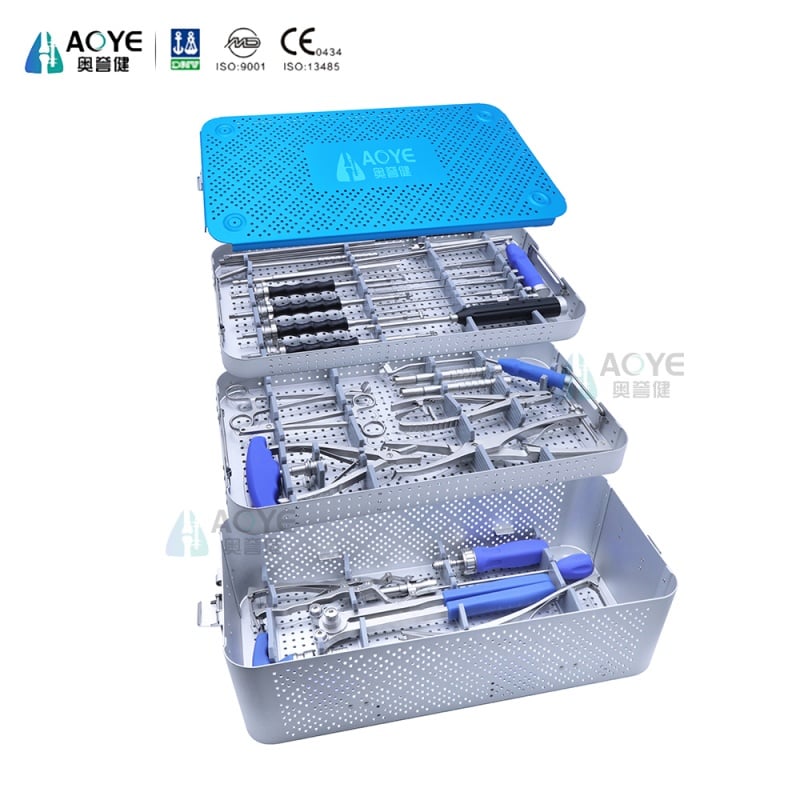
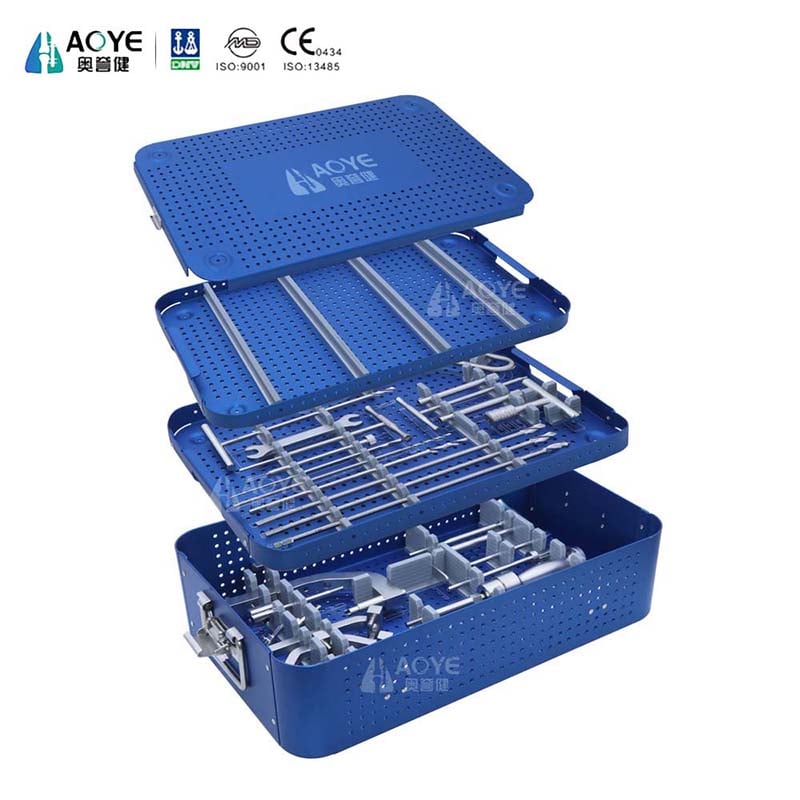
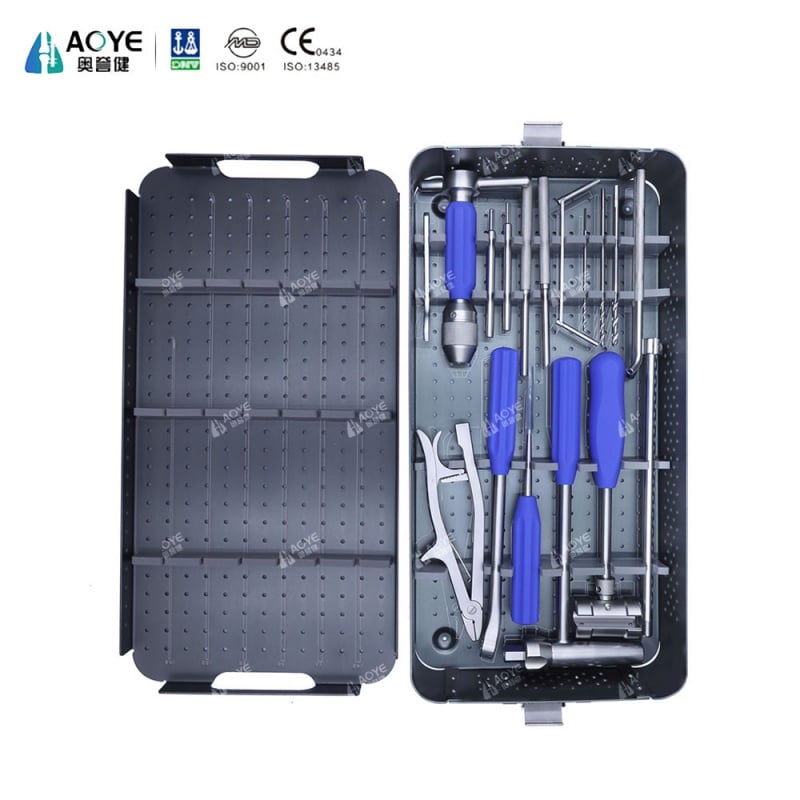
Additionally, evaluate the drill's compatibility with surgical tool set and implants. For example, some drills are designed specifically for certain types of screws or plates used in orthopedic procedures. Working closely with a manufacturer like Aoyujian Medical, which specializes in orthopedic instruments, can ensure that the selected drill meets these critical compatibility factors.
When sourcing surgical drills, several key specifications should be considered:
Drill Speed and Torque: Different surgical procedures require varying speeds and torque levels. A drill with adjustable speed settings can provide versatility for different applications.
Material and Construction: Surgical drills are typically made from high-quality stainless steel or titanium. These materials not only ensure durability but also reduce the risk of corrosion and contamination during surgical procedures.
Bit Size and Type: The drill bits must align with the specific surgical requirements. Common options include standard, self-tapping, and cannulated bits. Understanding the application will help in choosing the right bit.
Ergonomics and Weight: An ergonomic design minimizes hand fatigue, which is crucial during lengthy surgeries. Assessing the weight and balance of the drill is essential for optimal control.
Certification and Compliance: Ensure that the surgical drill is ISO13485 and CE certified, as these certifications indicate adherence to international quality standards, critical for patient safety.
Proper installation of surgical drills is vital for their effective operation. Begin with a thorough review of the manufacturer's guidelines, which should include:
Assembly Instructions: Carefully follow the steps for assembling the drill and its components, ensuring all parts are securely fitted.
Calibration: Some surgical drills require calibration before use. This process ensures that the drill operates within the specified parameters, which is crucial for precision during surgery.
Maintenance Checks: Regular maintenance is essential for prolonging the lifespan of the drill. This includes checking for wear on the drill bits, ensuring that they are sharp and undamaged.
Testing: Before surgery, it is advisable to test the drill on a synthetic model to ensure it operates correctly. This practice helps identify any potential issues that could arise during the actual procedure.
Surgical drills play a pivotal role in various orthopedic applications, including:
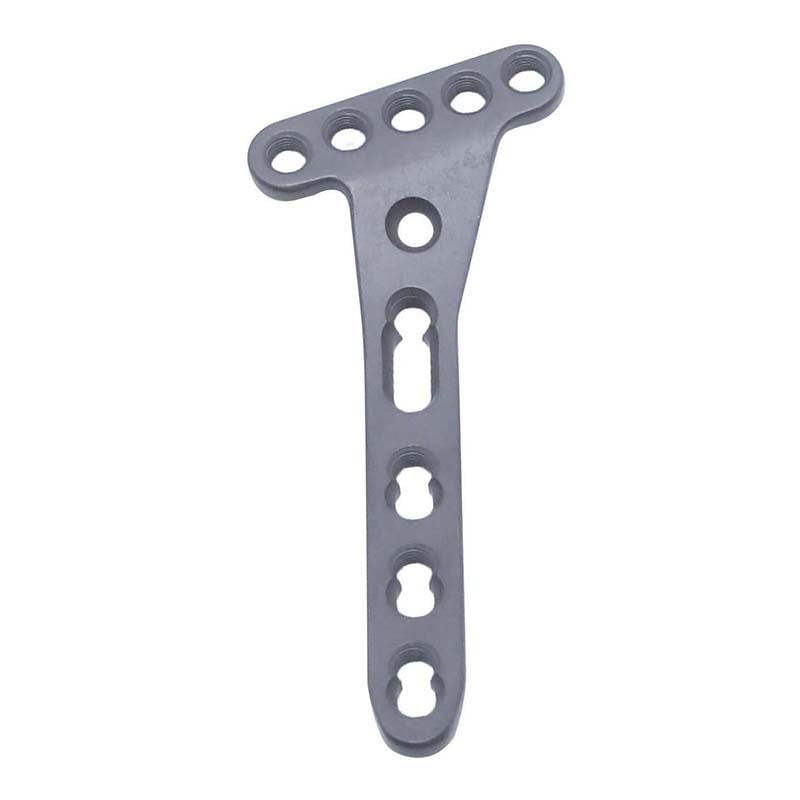
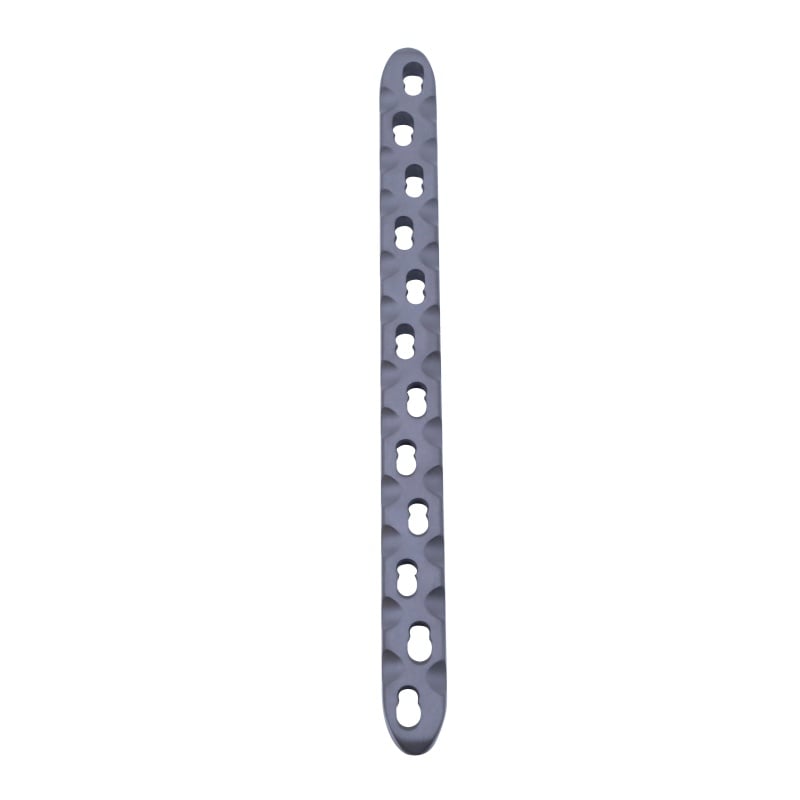
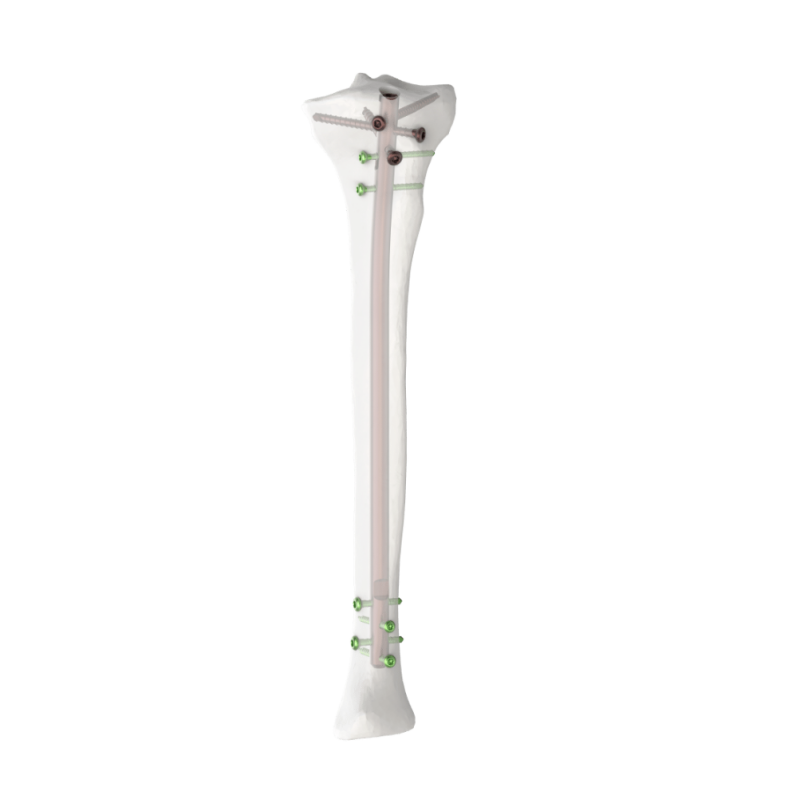
Fracture Fixation: Surgical drills are used to create holes for screws and plates that stabilize fractured bones. The precision of the drill ensures accurate placement, which is critical for healing.
Joint Reconstruction: In procedures like knee or hip replacements, surgical drills assist in shaping bone surfaces and securing implants.
Spine Surgery: Drills are utilized for pedicle screw placement in spinal surgeries, where accuracy is paramount to avoid damaging surrounding tissues.
Sports Injuries: In treating conditions like rotator cuff tears, orthopedic surgical instruments help in anchoring sutures and reintegrating tissue.
The ability of a surgical drill to perform accurately and reliably in these applications directly influences surgical outcomes, making it essential for buyers to choose suitable models based on the intended use.
When evaluating the cost of surgical drills, several factors come into play:
Material Quality: Higher-grade materials, such as titanium or advanced stainless steel, typically command higher prices due to their durability and resistance to corrosion.
Technological Features: Drills that offer advanced features like adjustable torque settings, built-in safety mechanisms, or ergonomic designs may be more expensive but provide added value through enhanced performance and user comfort.
Customization Options: Manufacturers often offer customization for specific surgical needs, which can affect pricing. Buyers should communicate their requirements clearly to get accurate quotes.
Volume and MOQ: Purchasing in larger quantities can often lead to reduced unit costs. Buyers should consider their needs and the manufacturer's minimum order quantities (MOQ) when planning their procurement.
Supplier Reputation: Established manufacturers with a track record of quality and reliability may charge more for their products, but the assurance of compliance with medical standards and superior performance can justify the investment.
Understanding these cost factors can help buyers negotiate effectively and make informed choices that align with their budgetary constraints while ensuring the quality needed for patient safety.
Aoyujian Medical Technology provides trusted orthopedic solutions, high-quality implants, OEM/ODM services, and global shipping for hospitals & distributors.
No. 2 Changting Road, Gehu Farm, Wujin Economic Development Zone, Changzhou, Jiangsu, China
Copyright © Aoyujian Medical Technology (Changzhou) Co., Ltd. All Rights Reserved - Privacy Policy - Blog
 EN