Choosing the right distal radius T plate is essential for orthopedic procedures involving wrist fractures. This specialized implant provides stability and support during the healing process. As a B2B buyer, you may have concerns regarding product specifications, quality, and sourcing efficiency. This article will guide you through selecting the optimal distal radius T plate, exploring critical factors such as specifications, installation guidelines, cost considerations, and common issues associated with these implants.
Selecting the appropriate distal radius T plate is crucial for ensuring patient safety and surgical success. Start by evaluating the specific requirements of the fracture type you are addressing. Key considerations include the plate's size, design, and material.
Plates typically come in various lengths and widths to accommodate different anatomical structures and fracture configurations. It's essential to consult with your orthopedic team to determine the right dimensions. The material of the distal humerus plate, often titanium or stainless steel, can significantly influence its strength, biocompatibility, and weight. Titanium plates are generally preferred for their excellent strength-to-weight ratio and resistance to corrosion.
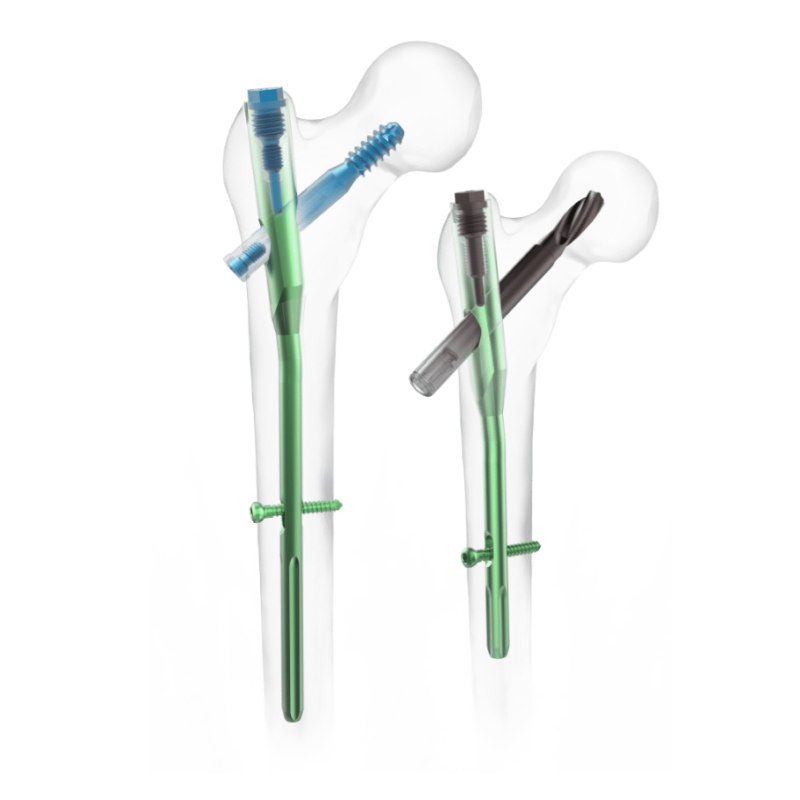
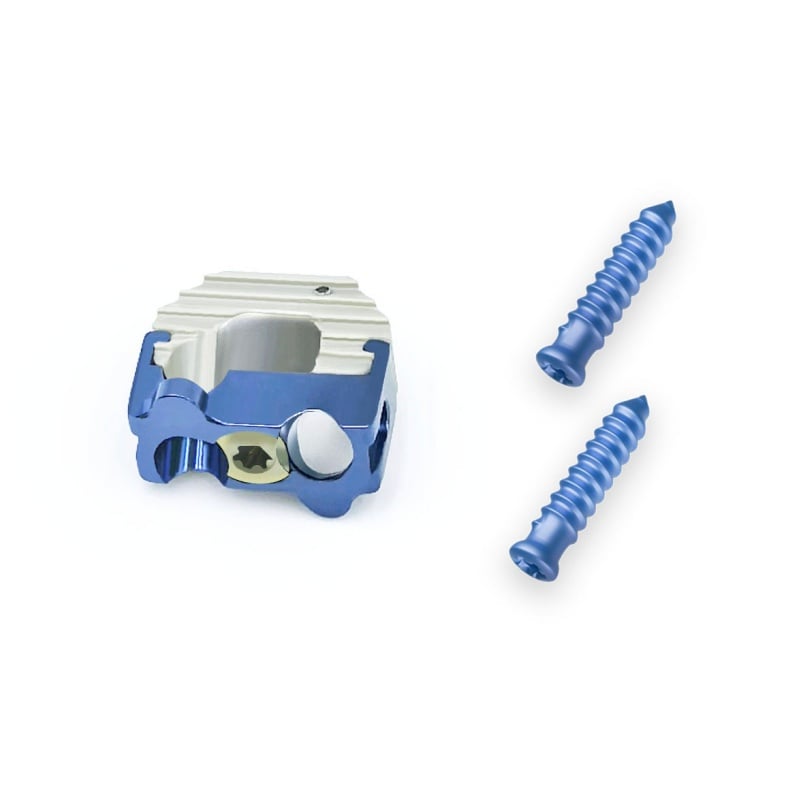
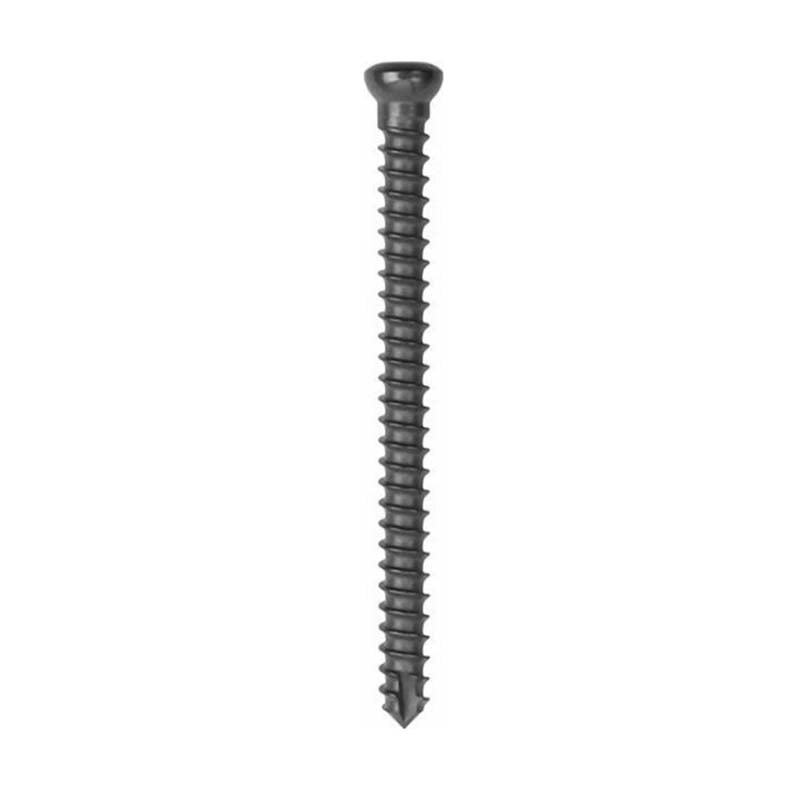
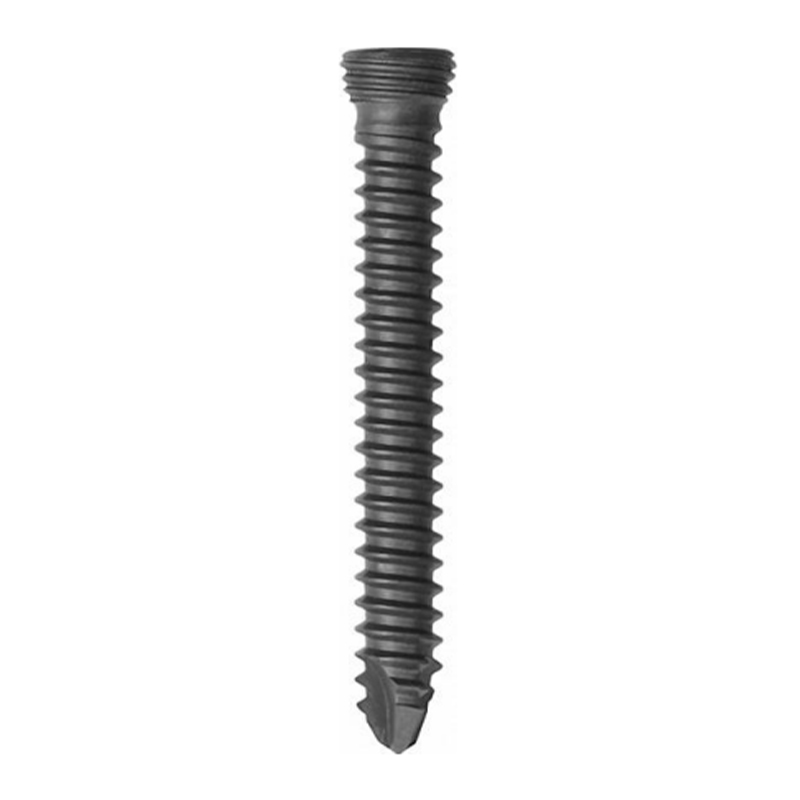
Additionally, consider whether the plate design includes features such as locking screws, which can enhance stability and reduce the risk of screw loosening. Overall, aligning your choice with the specific clinical scenario and surgeon preference will help ensure optimal outcomes.
When evaluating distal radius T plates, several specifications and features should be prioritized. First, assess the material properties ensure that the plate is made from biocompatible materials that do not elicit adverse reactions in patients. Look for ISO13485 certifications, which indicate adherence to quality management systems in medical device manufacturing.
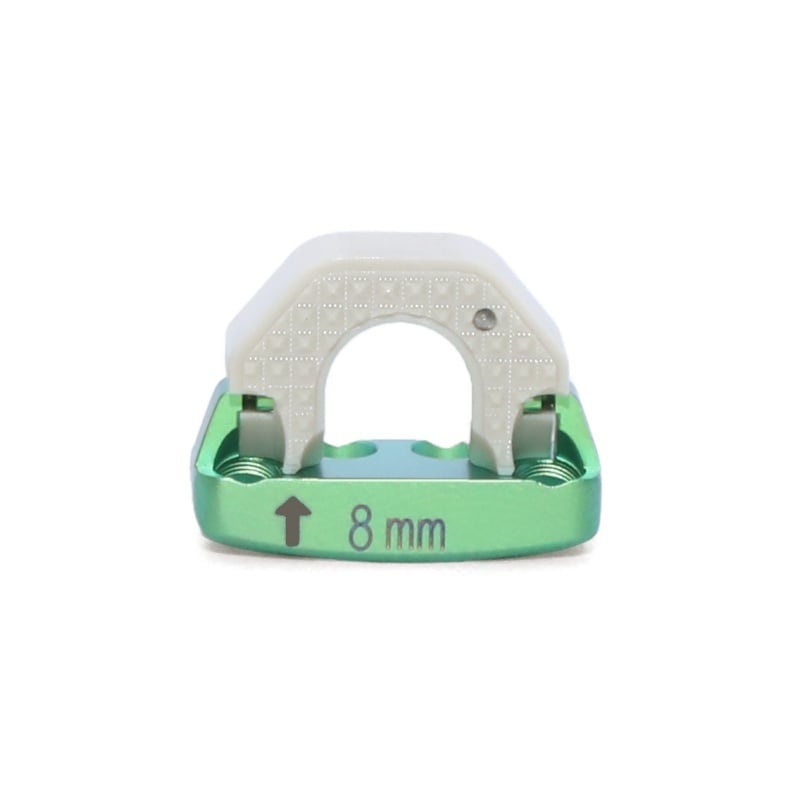
Next, pay attention to the dimensions and thickness of the plates. For instance, a thicker distal humerus anatomical plate may provide more stability for complex fractures, but it could also increase the risk of soft tissue irritation. It’s advisable to review detailed product data sheets to understand the mechanical properties and dimensions fully.
Another critical aspect is the surface treatment of the plate. Anodized or coated surfaces can enhance corrosion resistance and promote osseointegration, which is vital for long-term stability. Finally, inquire about the packaging and sterilization methods used, as these can significantly impact the product's safety and efficacy.
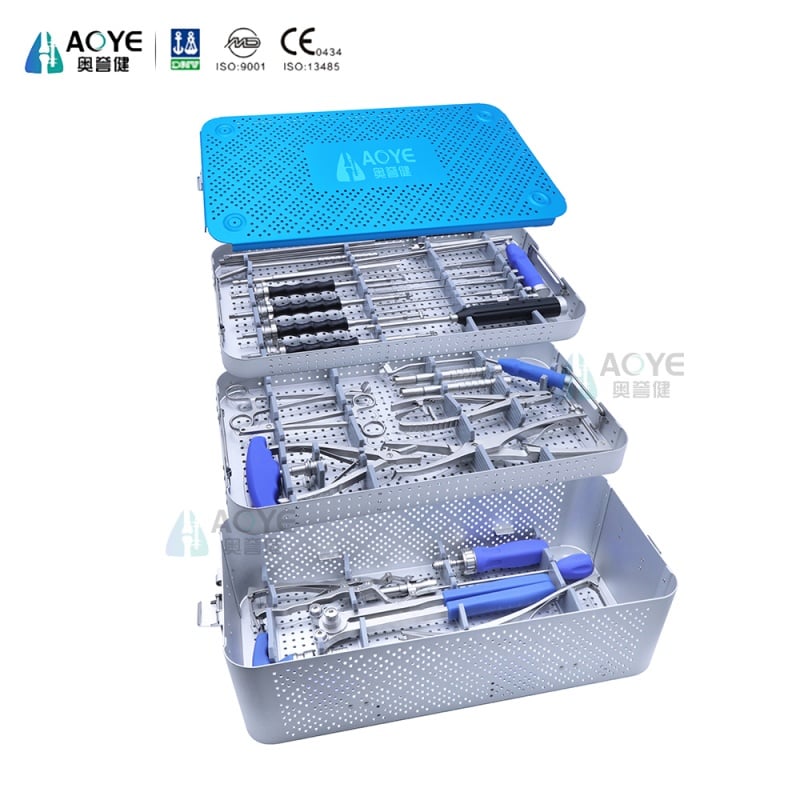
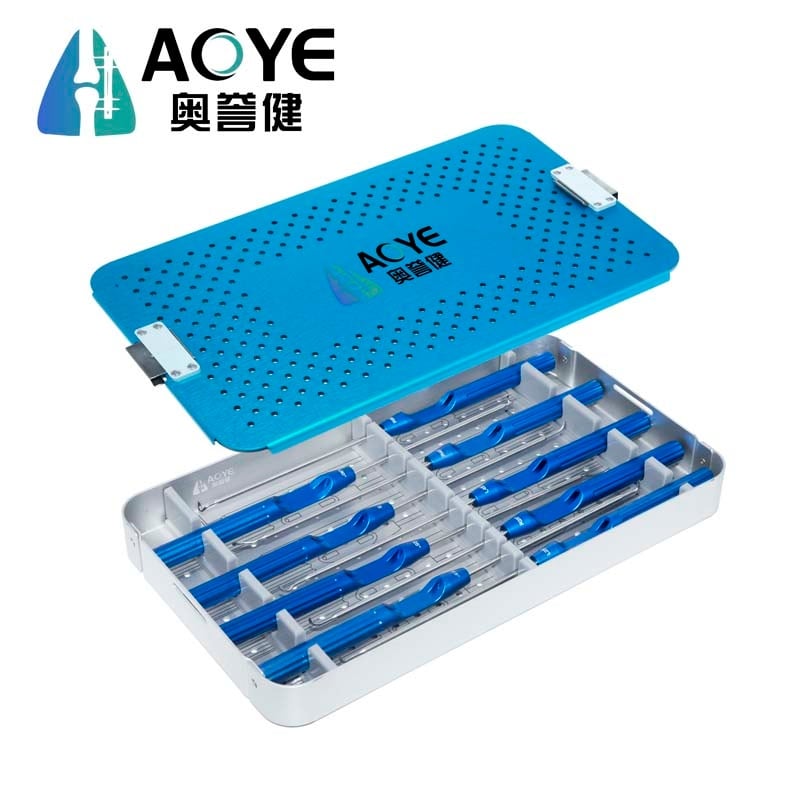
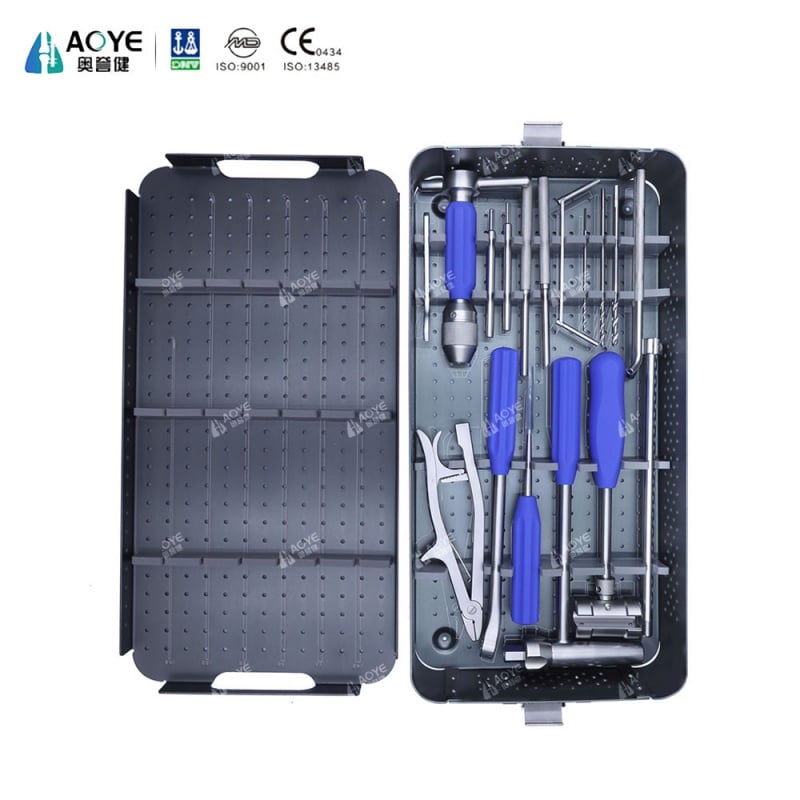
Successful installation of a distal radius T plate requires adherence to specific surgical techniques and guidelines. Begin by ensuring that the surgical field is adequately prepared and that all instruments are sterile. During implantation, accurately align the locking plate with the fracture site to ensure optimal contact and stability.
Utilize fluoroscopy to confirm proper positioning before securing the plate with screws. The insertion of locking screws should be performed carefully, taking care to avoid soft tissue damage. It's essential to follow the manufacturer's guidelines on screw placement and torque specifications to prevent screw failure or plate bending.
Post-operative care also plays a vital role in the success of the implant. Ensure that rehabilitation protocols are followed to promote healing and functional recovery. Regular follow-ups should be scheduled to monitor the healing progress and address any complications promptly.
When sourcing distal radius T plates in bulk, consider several cost factors that can impact your overall procurement strategy. First, assess the minimum order quantity (MOQ) set by the manufacturer, as this can influence your budget. Bulk purchasing often leads to discounts, but ensure that you are not overstocking items that may expire before use.
Evaluate the total landed cost, which includes not just the unit price but also shipping, customs duties, and storage costs. Working with suppliers who have efficient logistics and supply chain management can help minimize these expenses.
It's also wise to consider the quality-to-cost ratio. While lower-priced options may seem appealing, they might compromise on material quality or manufacturing standards. It’s crucial to balance cost savings with the assurance of product reliability and performance. Establishing a long-term relationship with a reputable manufacturer, like Aoyujian Medical, can lead to more favorable terms and consistent product quality.
Despite their efficacy, distal radius T plates can present certain challenges during installation and post-operative recovery. One common issue is screw loosening, which can lead to instability of the fracture site. To mitigate this, ensure that locking screws are used appropriately and that torque specifications are followed during installation.
In some cases, soft tissue irritation can occur due to the plate's positioning. Buyers should consider using plates with contoured designs that better match the anatomical structures of the wrist, thereby reducing the likelihood of irritation.
Another issue is infection risk, which can be exacerbated by improper sterilization or handling. Ensure that all surgical procedures follow strict aseptic techniques and that the implants are packaged and sterilized according to regulatory standards.
Finally, it's crucial to educate the surgical team and patients on the importance of following post-operative rehabilitation protocols to prevent complications and ensure optimal healing. Regular monitoring and follow-up visits can help identify and address potential problems early in the recovery process.
By understanding these common challenges and implementing effective solutions, buyers can improve patient outcomes and ensure the success of procedures involving distal radius T plates.
Aoyujian Medical Technology provides trusted orthopedic solutions, high-quality implants, OEM/ODM services, and global shipping for hospitals & distributors.
No. 2 Changting Road, Gehu Farm, Wujin Economic Development Zone, Changzhou, Jiangsu, China
Copyright © Aoyujian Medical Technology (Changzhou) Co., Ltd. All Rights Reserved - Privacy Policy - Blog
 EN