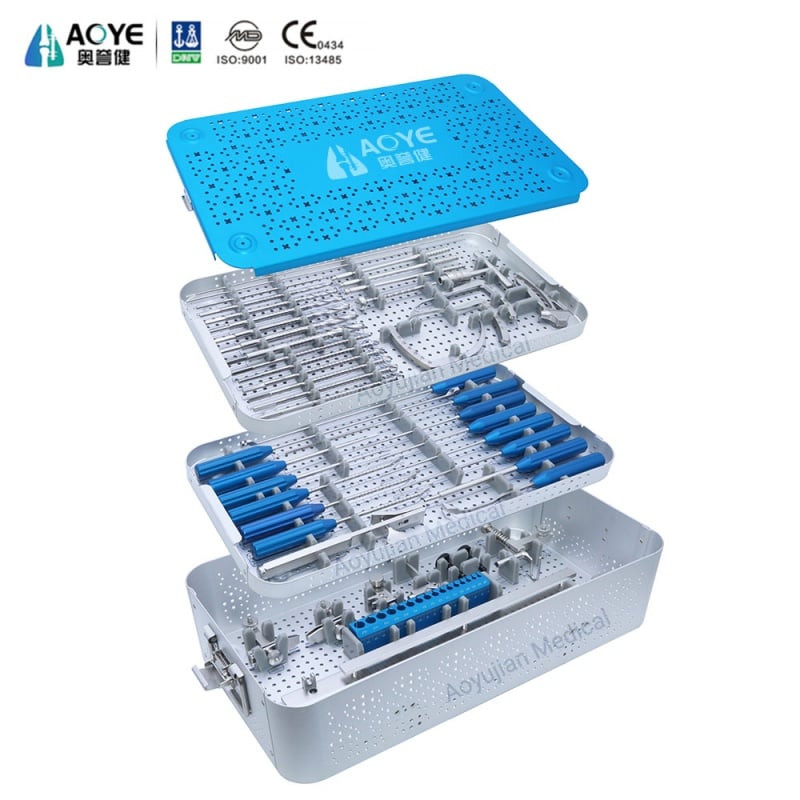
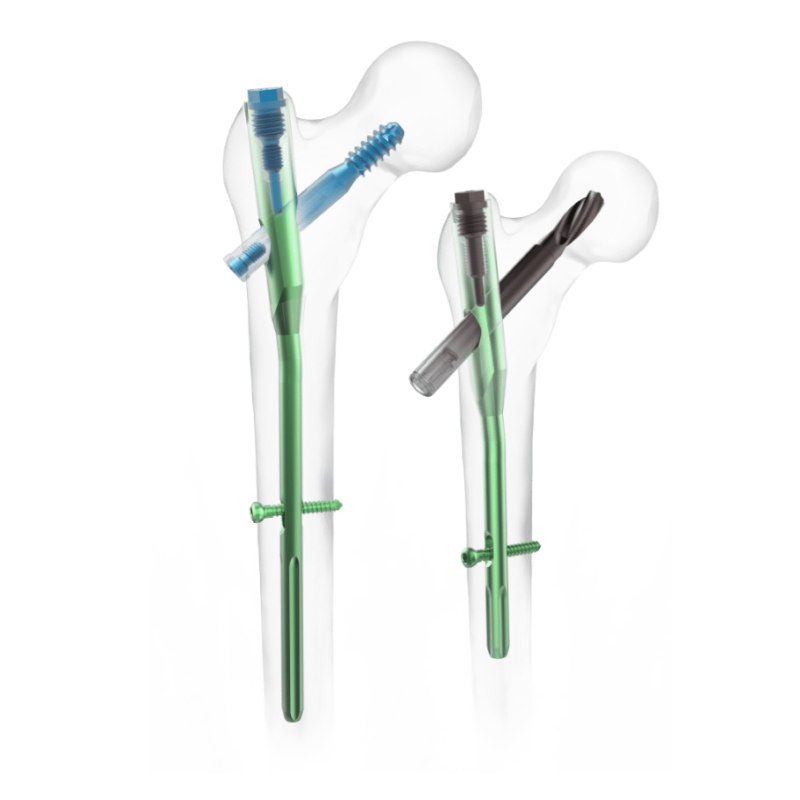
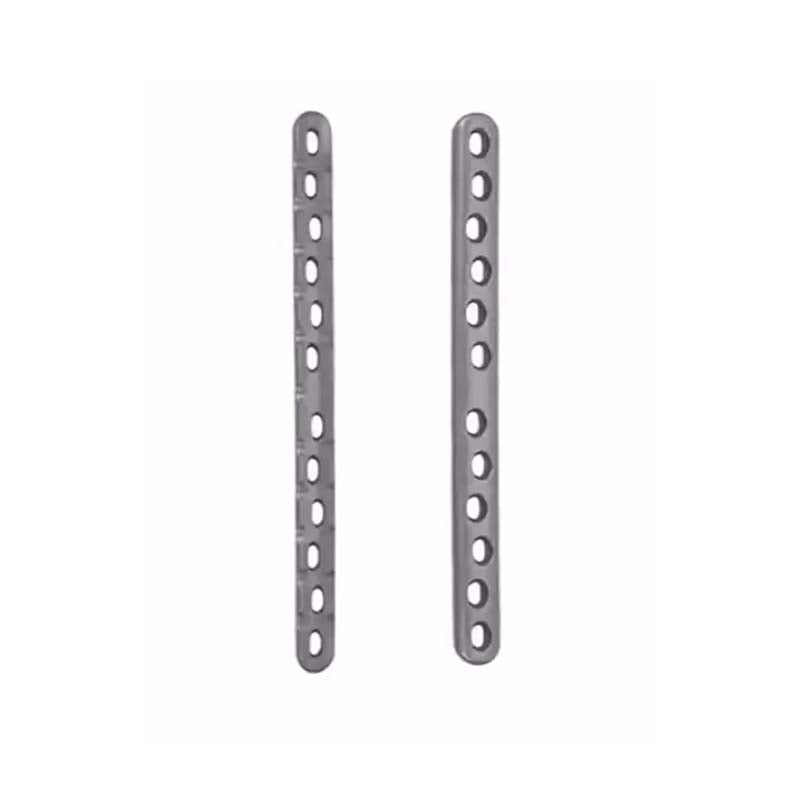
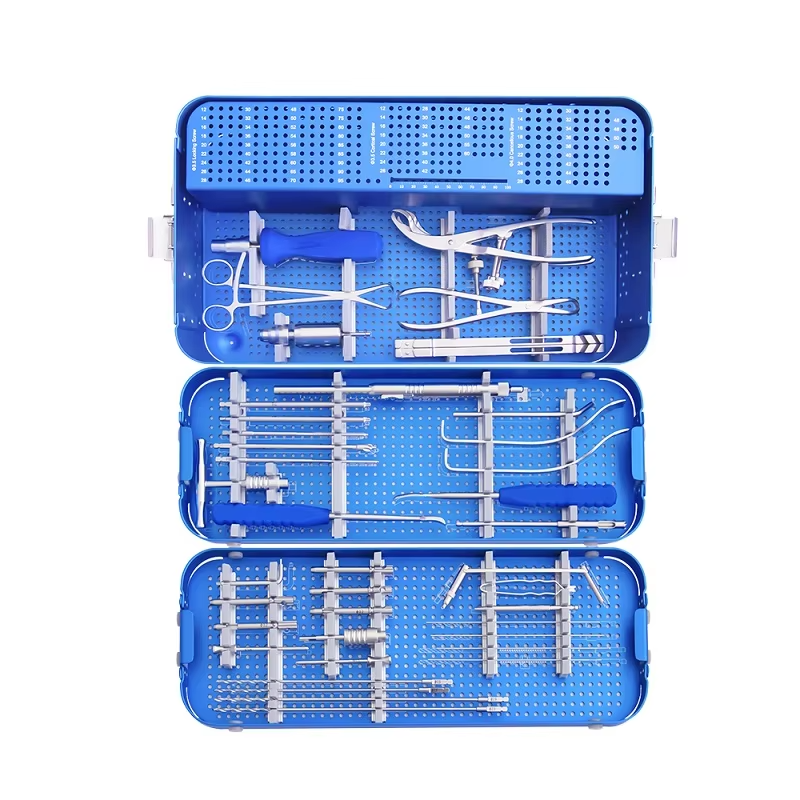
Orthopaedic medical equipment plays a vital role in the diagnosis, treatment, and rehabilitation of musculoskeletal issues. For B2B buyers like purchasing managers and distributors, understanding the key specifications, costs, common issues, and material advantages of these products is essential for making informed decisions. This article will explore these aspects, enabling you to better evaluate orthopaedic medical equipment and its applications in trauma and sports medicine.
When assessing orthopaedic medical equipment, key specifications include material composition, dimensional accuracy, and surface finish.
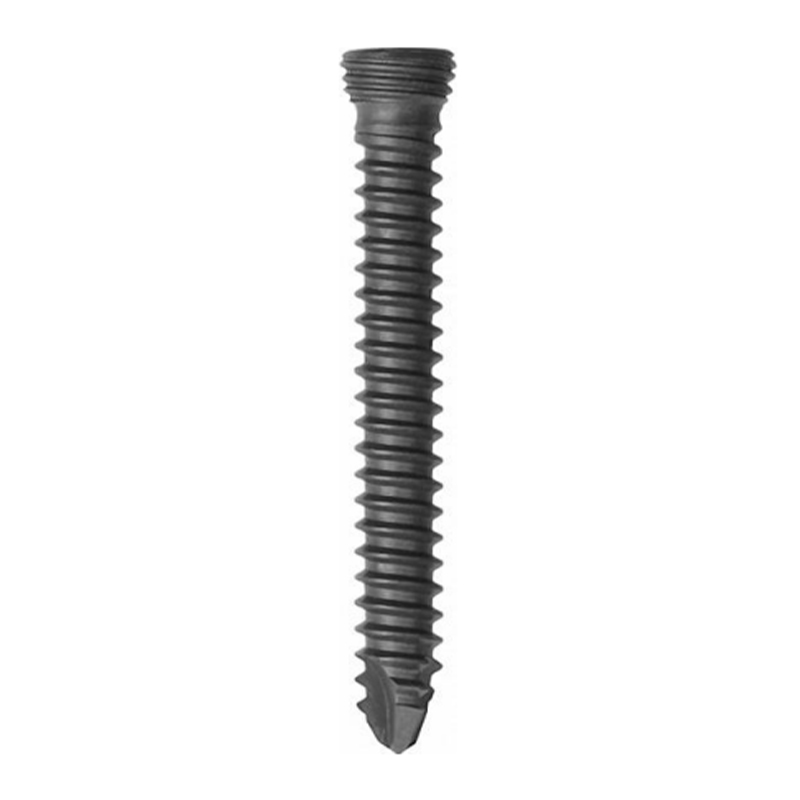
Material Composition: Implants are commonly made from titanium alloys, stainless steel, or polymer materials. Titanium is favored for its strength-to-weight ratio and biocompatibility, which minimizes rejection risk in patients. Stainless steel, while slightly heavier, offers excellent durability and corrosion resistance, making it a reliable choice for load-bearing applications.
Dimensional Accuracy: Precision in dimensions is critical for ensuring proper fit and function in surgical procedures. A deviation of even a millimeter can impact the performance of an implant or instrument, potentially leading to complications during surgeries.
Surface Finish: The surface finish affects both the sports medical equipment implant's integration with bone and its wear characteristics. A roughened surface may promote better osseointegration, while a smoother finish might reduce wear debris in joint applications.
Quality control processes, such as ISO13485 certification, ensure that these specifications are met consistently, which is essential for maintaining product reliability.
Cost evaluation for orthopaedic medical equipment involves several factors, including material costs, manufacturing processes, and shipping logistics.
Material Costs: The choice of raw materials has a direct impact on the overall cost. For instance, titanium implants are generally more expensive than stainless steel due to the higher costs associated with material sourcing and processing.
Manufacturing Processes: The complexity of the ortho medical supplies manufacturing process can drive costs up. Advanced techniques such as 3D printing or precision machining often require more sophisticated equipment and skilled labor, resulting in higher prices.
Shipping and Logistics: Since Aoyujian Medical operates in 45 countries, shipping costs and logistics also play a role. Factors such as lead time, packaging methods, and minimum order quantities (MOQ) can affect the total cost of procurement. Buyers should consider these elements when negotiating prices with suppliers.
Understanding these cost factors will help you prepare more effective budgets and negotiate better terms for your purchases.
B2B buyers should be aware of common problems associated with orthopaedic medical equipment, which can include material failure, dimensional inaccuracies, and delivery delays.
Material Failure: One common issue is the degradation of implant materials due to corrosion or fatigue. Buyers should ensure that the materials used are suitable for the specific biomechanical environment they will be exposed to, as this can prevent premature failure.
Dimensional Inaccuracies: As mentioned earlier, improper dimensions can lead to complications during surgery. It is critical to conduct rigorous quality inspections and approve samples before mass production to mitigate this risk.
Delivery Delays: Supply chain disruptions can lead to delays in obtaining necessary equipment. Establishing strong relationships with manufacturers and having contingency plans can help mitigate these issues.
By being aware of these challenges and their solutions, you can make more informed purchasing decisions and enhance the reliability of your supply chain.
When comparing the materials used in orthopaedic implants and instruments, it is essential to consider their mechanical properties and biological compatibility.
Titanium Alloys: These materials are lightweight yet strong, offering excellent resistance to fatigue and corrosion. Their biocompatibility makes them ideal for long-term implantation in the human body. However, they can be more expensive than other options.
Stainless Steel: Known for its strength and durability, stainless steel is a cost-effective choice for many surgical instruments and implants. However, it is heavier and may not offer the same level of biocompatibility as titanium.
Polymers: Used in some temporary implants or orthopedic instruments, polymers can offer flexibility and lower weight. However, they typically have lower mechanical strength and may not be suitable for load-bearing applications.
Understanding these material advantages will enable you to make a more informed choice based on specific application requirements and budget constraints.
Orthopaedic medical equipment is critical in both trauma care and sports medicine, each with unique applications.
Trauma Care: In trauma situations, such as fractures and dislocations, orthopaedic implants are used to stabilize and support the affected area. Devices such as plates, screws, and rods help ensure proper healing by maintaining the correct anatomical alignment.
Sports Medicine: In sports medicine, orthopaedic equipment is utilized to address injuries such as ligament tears or cartilage damage. Implants like arthroscopic screws or anchors are used to repair torn ligaments, while advanced imaging techniques can assist in planning surgeries for optimal outcomes.
By understanding the specific applications of orthopaedic medical orthopedic products, you can better align your procurement strategies to meet the needs of healthcare providers and patients in both trauma and sports medicine settings.
Aoyujian Medical Technology provides trusted orthopedic solutions, high-quality implants, OEM/ODM services, and global shipping for hospitals & distributors.
No. 2 Changting Road, Gehu Farm, Wujin Economic Development Zone, Changzhou, Jiangsu, China
Copyright © Aoyujian Medical Technology (Changzhou) Co., Ltd. All Rights Reserved - Privacy Policy - Blog
 EN