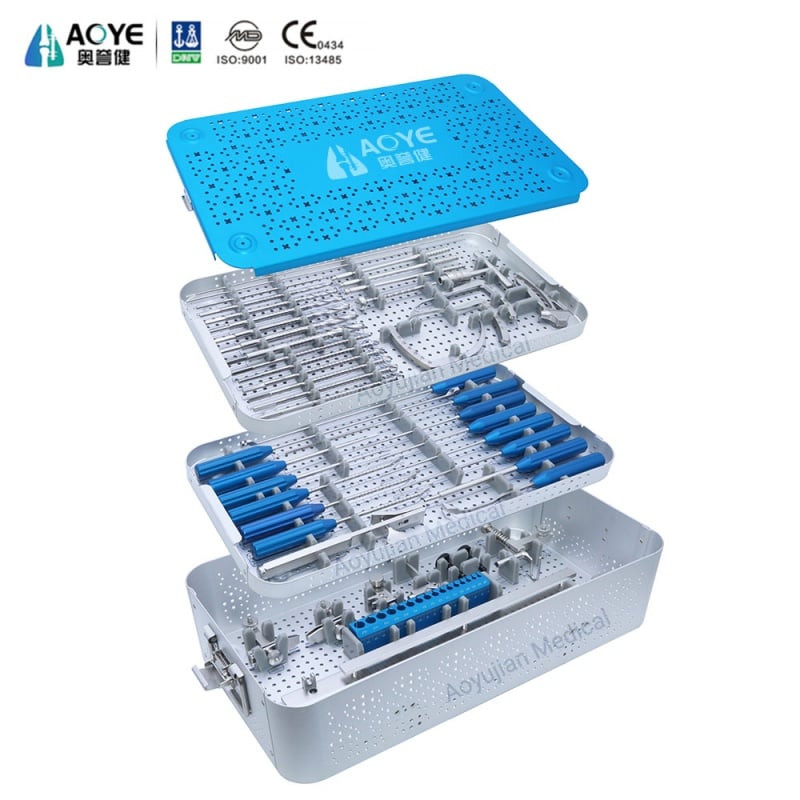
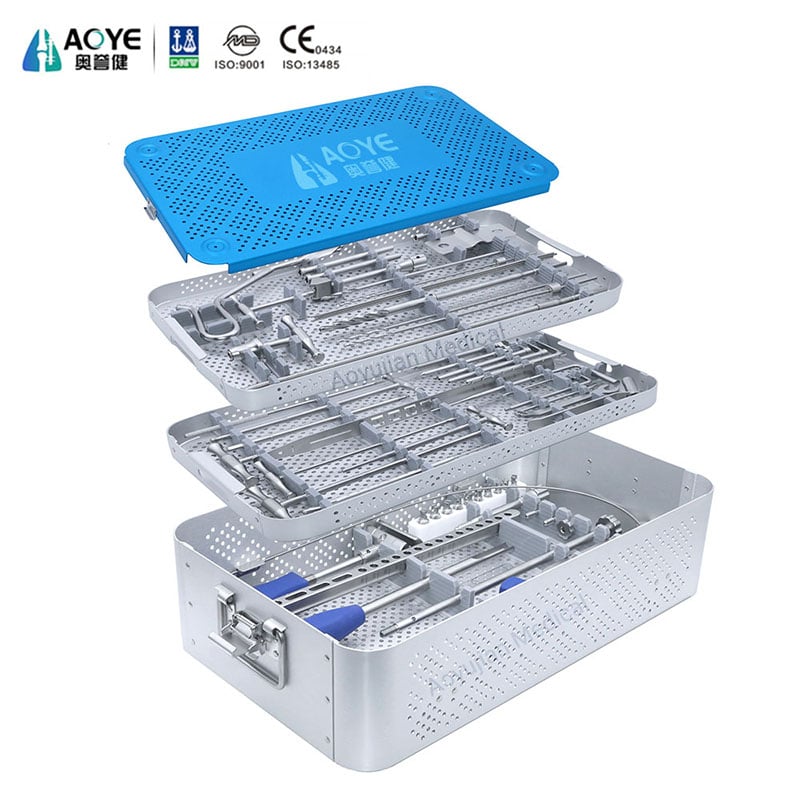
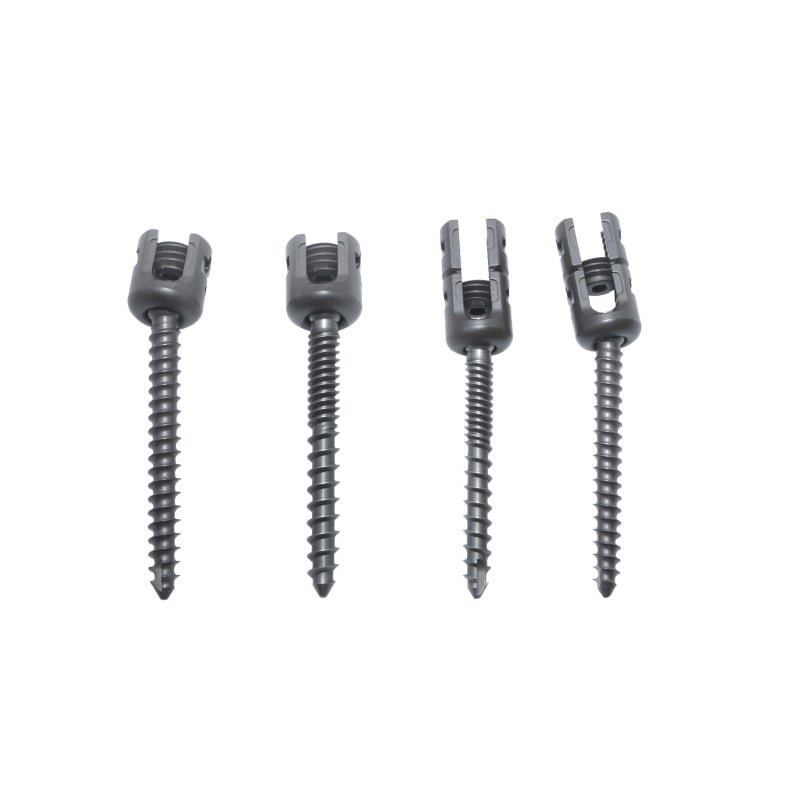
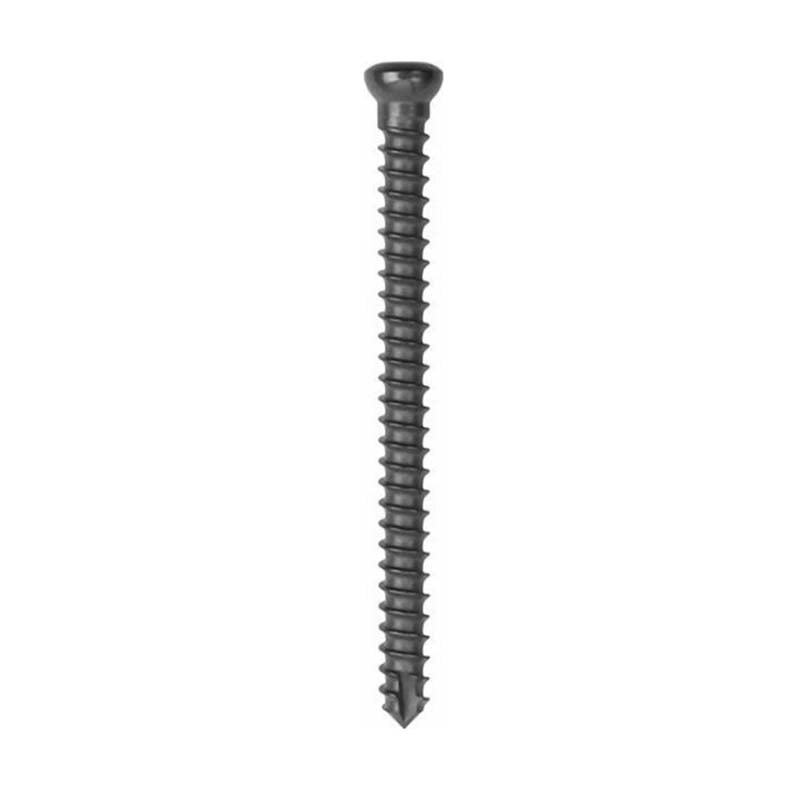
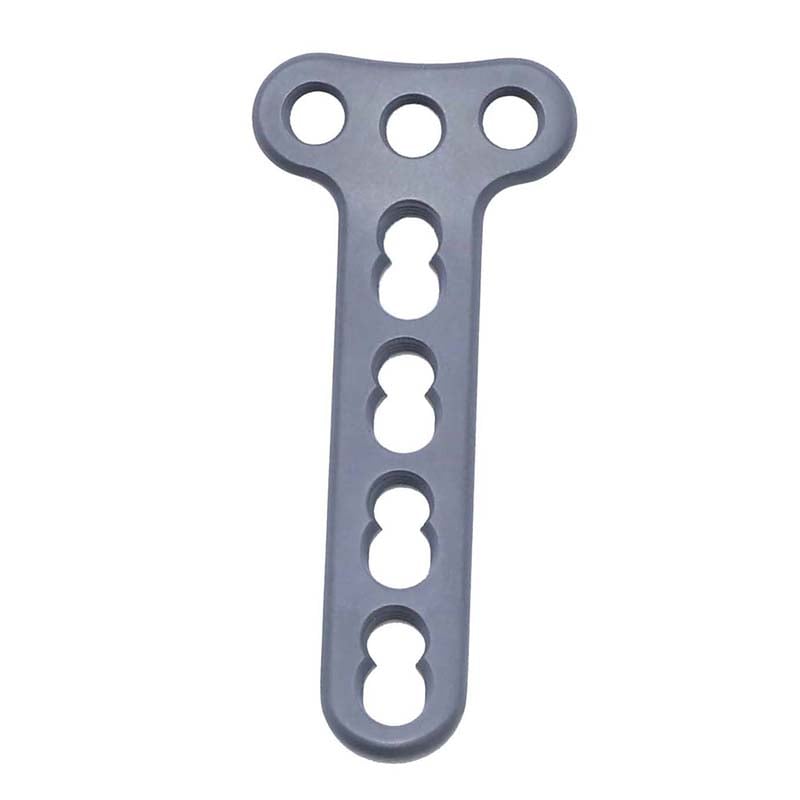
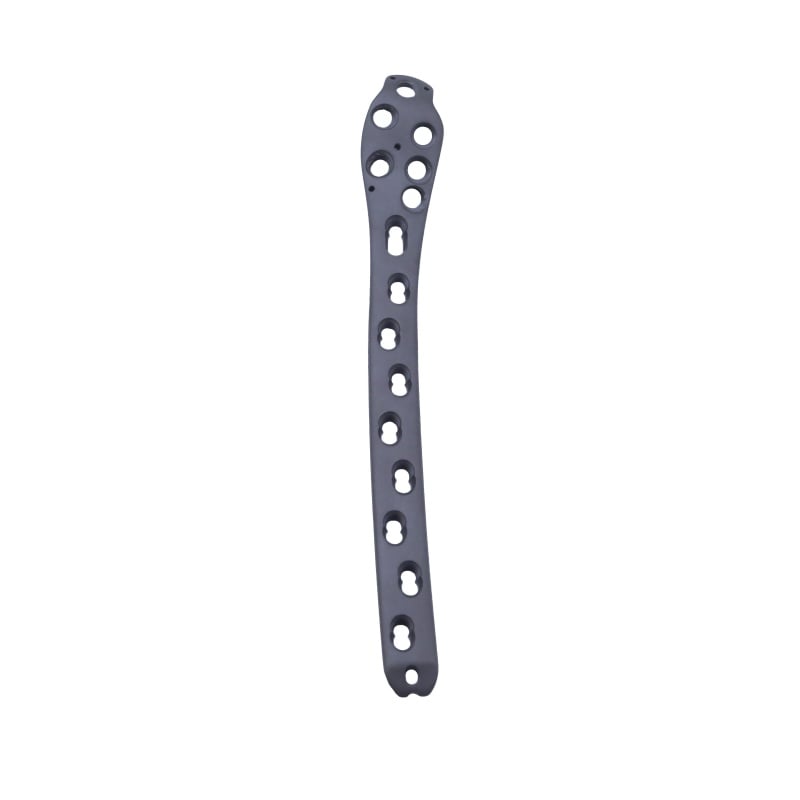
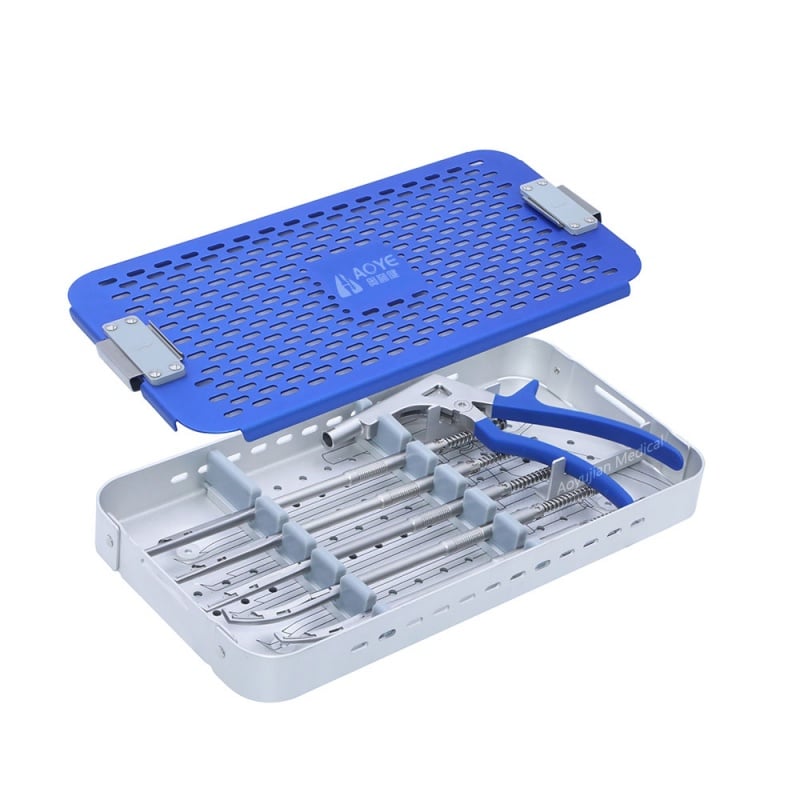
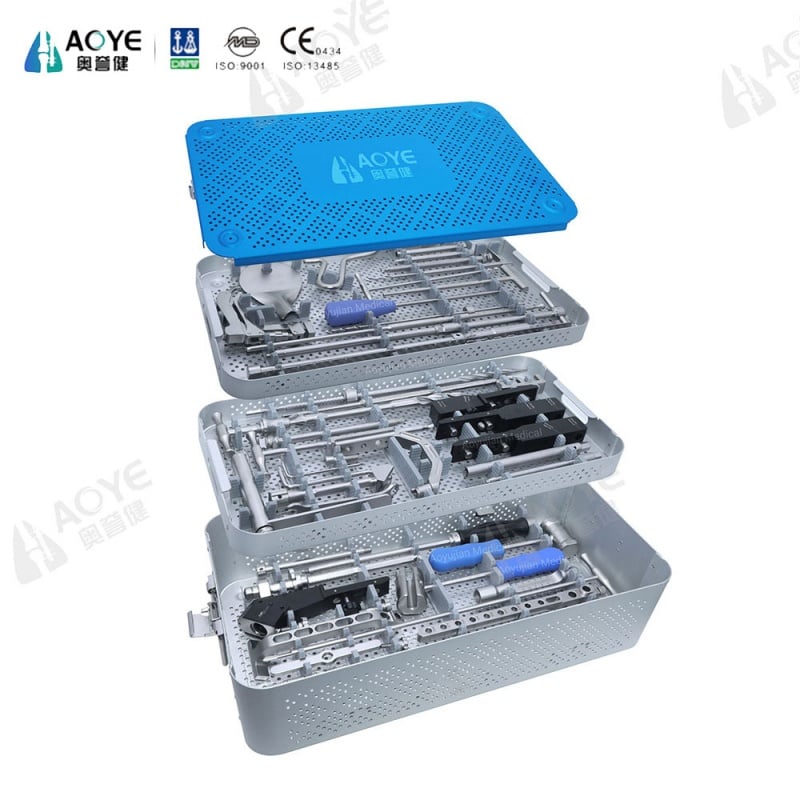
When sourcing ortho medical equipment, buyers must consider a range of specifications, quality standards, and cost factors to ensure they make informed purchasing decisions. The right equipment can significantly impact patient outcomes and operational efficiency in healthcare settings. This article will guide purchasing managers, distributors, and engineers through essential considerations when evaluating orthopedic external fixator medical equipment, helping them navigate the complexities of the procurement process effectively.
When selecting ortho medical equipment, the specifications play a critical role in ensuring the equipment meets the required performance standards. Key specifications to consider include:
Materials: The choice of materials used in orthopedic implants and instruments affects their biocompatibility, durability, and performance. Common materials include titanium and stainless steel, which offer strength and corrosion resistance.
Dimensions: Accurate dimensions are vital for the compatibility of implants with human anatomy. Buyers should confirm that the specifications align with the intended surgical applications.
Load Capacity: Understanding the load-bearing requirements of the equipment is essential, especially for implants. The load capacity must meet the demands of the intended application to prevent failure during use.
Surface Finish: The surface treatment of ortho medical equipment can influence its integration with bone and tissue. A roughened surface may enhance osseointegration, whereas a smooth finish can improve the ease of insertion.
Certifications: Ensure that the equipment is ISO13485 and CE certified. These certifications indicate compliance with international quality management standards and regulatory requirements, essential for safety and efficacy in medical applications.
Quality control is paramount in the manufacturing of ortho medical equipment. Evaluating a manufacturer's quality control processes can provide insight into their commitment to product safety and effectiveness. Key aspects to consider include:
Inspection Methods: Assess the manufacturer's inspection protocols, including in-process and final inspections. This may involve dimensional checks, material testing, and functional assessments to ensure all products meet predetermined specifications.
Testing Procedures: Look for manufacturers that conduct rigorous testing, such as fatigue testing for implants, to simulate real-world conditions. Documentation of these tests can provide assurance of the product's reliability.
Traceability: A robust traceability system allows manufacturers to track each component's history from raw materials to finished products. This is crucial for addressing any quality issues that may arise post-distribution.
Supplier Audits: Regular audits of suppliers and subcontractors help maintain quality across the supply chain. Manufacturers should have a process in place for evaluating the compliance of their suppliers with quality standards.
Understanding the cost factors associated with ortho medical equipment is essential for effective budgeting and financial planning. Key cost considerations include:
Material Costs: The choice of materials directly affects the overall cost. Premium materials may offer better performance and longevity but come at a higher price point.
Manufacturing Complexity: The complexity of the manufacturing process influences costs. Intricate designs may require advanced machinery and longer production times, increasing labor and overhead expenses.
Customization Needs: Customization can significantly impact pricing. Buyers should clarify their requirements upfront, as tailored products typically have higher costs and longer lead times.
Volume Discounts: Purchasing in bulk can lead to cost savings. Discussing minimum order quantities (MOQ) with suppliers can provide valuable insights into pricing structures.
Shipping and Handling: Consider the logistics involved in transporting instruments used in orthopedic surgery medical equipment. Shipping costs may vary based on destination, weight, and dimensions, making it essential to factor these into the total cost.
Proper installation is crucial for the successful use of ortho medical equipment. Understanding the installation guidelines can help ensure that the equipment is set up correctly and functions as intended. Key considerations include:
Manufacturer's Instructions: Always refer to the manufacturer's installation manual for specific guidance on setup procedures. This may include details on sterilization, assembly, and integration with existing systems.
Training Requirements: Determine whether the manufacturer provides training for medical staff on the proper installation and use of the equipment. Adequate training can minimize the risk of operational errors.
Environmental Conditions: Assess the installation environment to ensure it meets the necessary conditions for equipment operation. Factors such as temperature, humidity, and cleanliness can affect performance.
Safety Protocols: Ensure that safety protocols are established during installation to protect both the installation team and future patients. This may include personal protective equipment (PPE) and proper handling techniques.
When evaluating various ortho medical equipment options, a systematic comparison can aid in selecting the most suitable product. Consider the following steps:
Create a Comparison Matrix: Develop a matrix to compare features, specifications, and costs across different products. This visual representation can simplify the decision-making process.
Assess Performance Metrics: Look for performance metrics relevant to your specific needs, such as longevity, patient outcomes, and ease of use. This data can be obtained from clinical studies or manufacturer-provided documentation.
Read Reviews and Case Studies: Investigate user reviews and case studies to gain insights into real-world applications of the equipment. Feedback from other healthcare professionals can reveal strengths and weaknesses not apparent in product specifications.
Consult with Experts: Engaging with orthopedic surgeons or medical professionals who have experience with the equipment can provide valuable perspectives on its effectiveness and reliability.
Evaluate After-Sales Support: Consider the level of after-sales support offered by manufacturers. A responsive support team can assist with troubleshooting and maintenance, ensuring long-term satisfaction with the equipment.
By carefully considering these aspects, buyers can make informed decisions when sourcing bone saw orthopedic medical equipment, leading to improved patient outcomes and operational efficiency in their practices.
Aoyujian Medical Technology provides trusted orthopedic solutions, high-quality implants, OEM/ODM services, and global shipping for hospitals & distributors.
No. 2 Changting Road, Gehu Farm, Wujin Economic Development Zone, Changzhou, Jiangsu, China
Copyright © Aoyujian Medical Technology (Changzhou) Co., Ltd. All Rights Reserved - Privacy Policy - Blog
 EN