Selecting the right orthopedic power tools is crucial for ensuring both efficiency and safety in surgical procedures. These tools are essential for orthopedic surgeons, offering precision and reliability during complex surgeries. However, with a myriad of options available, B2B buyers, including purchasing managers and healthcare professionals, must navigate various factors such as specifications, quality, and cost. This article will provide practical insights into choosing orthopedic tools, guiding buyers through purchasing considerations, installation guidance, and their applications in trauma and sports medicine.
When selecting orthopedic power tools, buyers should consider a range of factors to ensure they meet clinical and operational requirements. Start by assessing the specific procedures the tools will be used for, such as trauma, spine, or sports medicine surgeries. Each application may require different tool specifications, including torque, speed, and battery life for cordless models
Material selection is another critical consideration. Tools made from high-grade stainless steel or titanium are preferred for their durability and resistance to rust and corrosion. Additionally, buyers should evaluate the ergonomic design of the tools, as comfortable handling can enhance precision during surgeries and reduce fatigue for surgeons
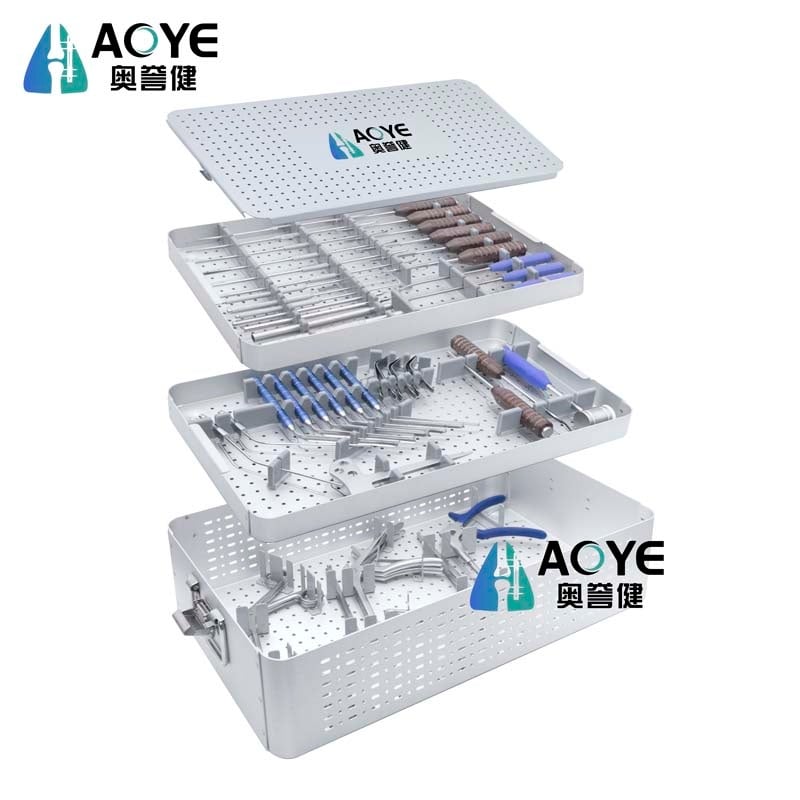
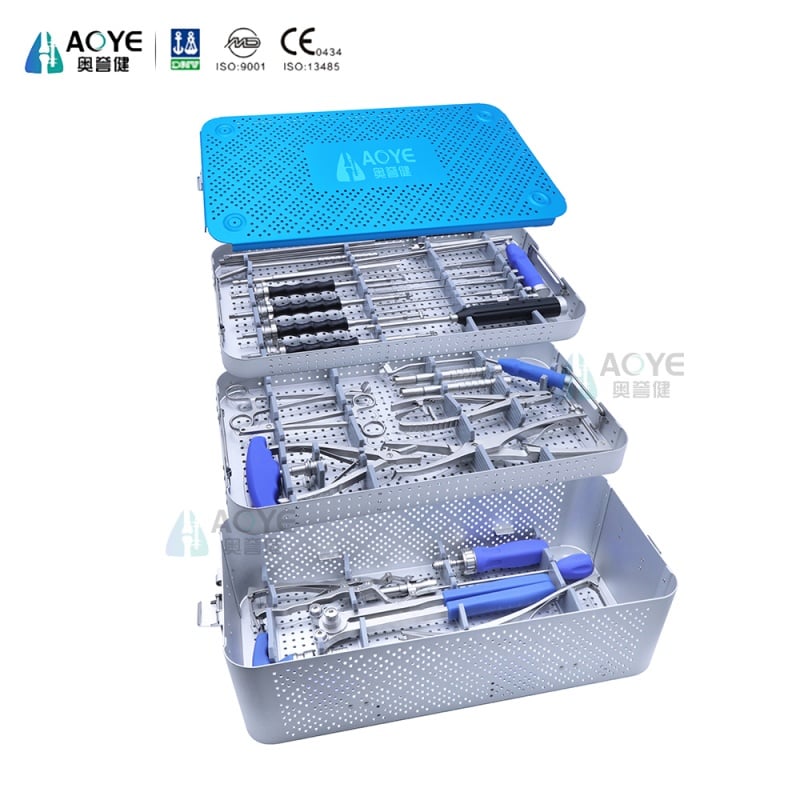
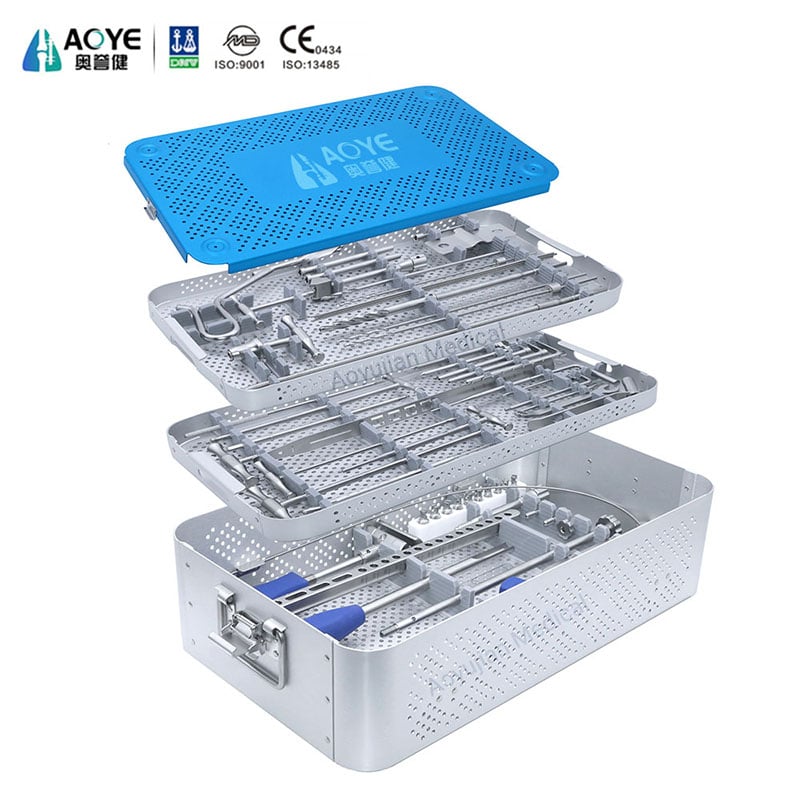
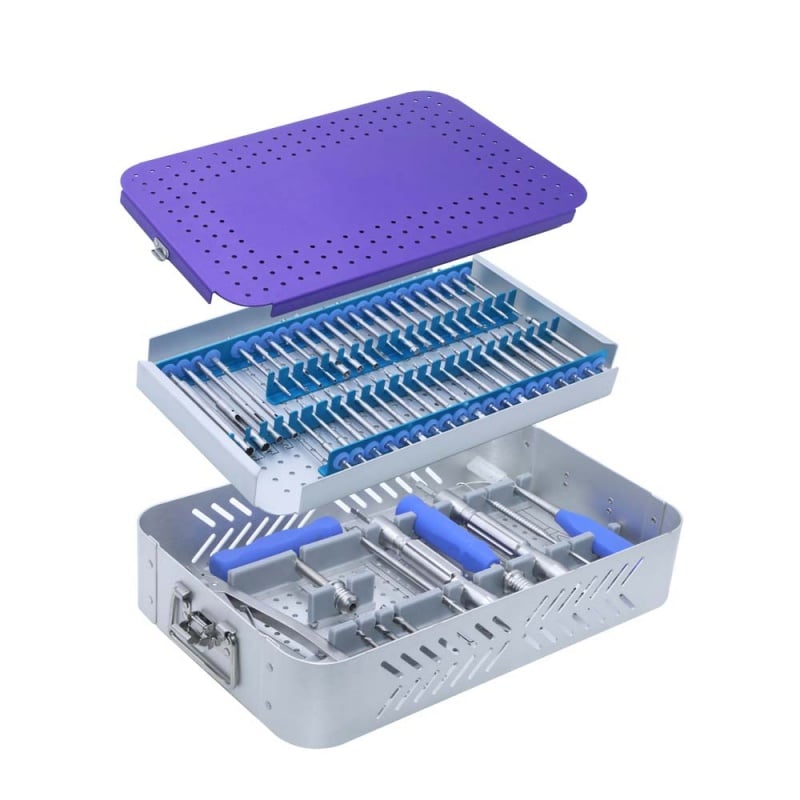
Compatibility with existing surgical kits is also a key factor. Tools must not only function efficiently but also integrate seamlessly with other instruments. Buyers should ask suppliers for detailed compatibility information, including any necessary adapters or accessories.
When purchasing orthopedic power tools wholesale, it's vital to establish a reliable supply chain. Start by identifying reputable manufacturers, like Aoyujian Medical, known for their ISO13485 and CE certifications, which indicate compliance with international quality standards
Request detailed product specifications and sample evaluations to assess quality. Ensure that the tools pass rigorous quality control processes, as this will reduce the risk of defects and ensure reliability in surgical settings. Buyers should also inquire about minimum order quantities (MOQs) and lead times, as these factors can significantly impact inventory levels and operational readiness
It’s advisable to develop a checklist of criteria for evaluating potential suppliers. This should include their manufacturing capabilities, customization options, and customer support services. Understanding the supplier's export markets can also provide insight into their experience and reliability.
The cost of orthopedic power tools can vary significantly based on several factors. First, the complexity of the tool affects pricing; advanced features, such as digital displays or variable speed settings, can increase costs. Additionally, the choice of materials plays a crucial role; tools made from specialized alloys tend to be more expensive but offer greater durability and performance
Buyers should also consider the total cost of ownership, which includes maintenance and potential repair costs. Tools that are easier to maintain or have readily available replacement parts can be more cost-effective in the long run. Furthermore, purchasers should factor in shipping costs, especially when ordering from international suppliers, as this can impact the overall budget
To get the best value, buyers should compare quotes from multiple suppliers and ensure that all specifications are aligned with their needs. Understanding these cost factors will empower buyers to make informed decisions that balance quality and budget constraints.
Proper installation and setup of orthopedic power tools are crucial for their effective use. Buyers should always refer to the manufacturer's installation manual for specific guidance related to each tool. Familiarization with the tools before first use can enhance performance and reduce risks during surgery
It is also beneficial to conduct training sessions for surgical staff, focusing on the proper handling and operation of the tools. This is particularly important for complex or specialized instruments, where improper usage can lead to complications during procedures
Moreover, regular maintenance checks should be scheduled to ensure tools remain in optimal condition. This includes cleaning, lubrication, and checking for wear and tear. Establishing a routine maintenance program will prolong the lifespan of the tools and uphold safety standards in surgical environments.
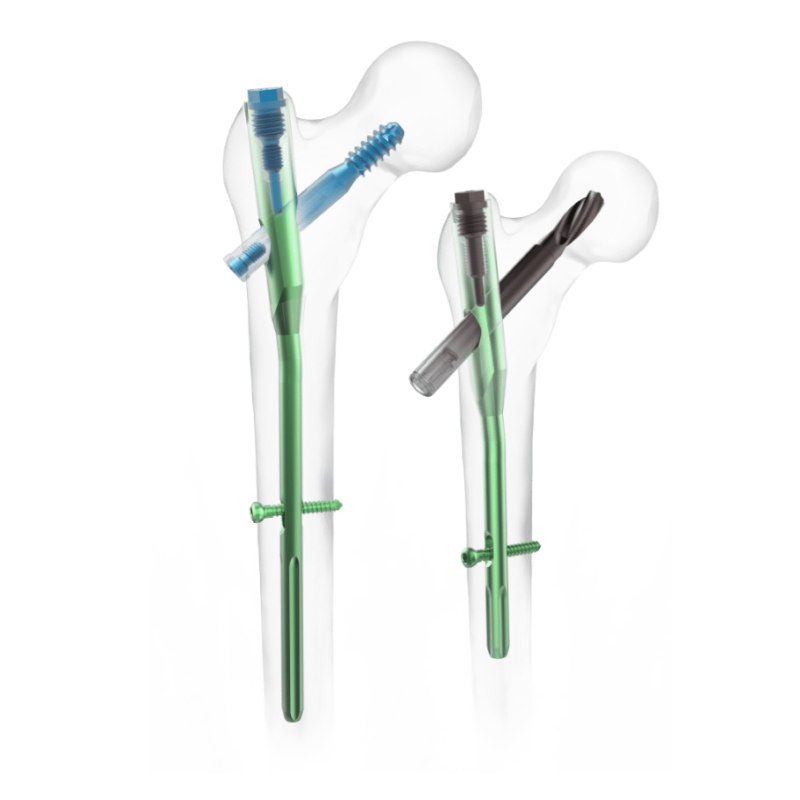
Orthopedic power tools serve critical roles in both trauma and sports medicine, with applications varying significantly based on the type of surgery. In trauma cases, orthopedic surgical tools are used to facilitate procedures such as fracture fixation or joint replacement, where speed and precision are essential. Tools like oscillating saws and drills allow surgeons to operate effectively while minimizing tissue damage
In sports medicine, orthopedic power tools are used in minimally invasive procedures, such as arthroscopy. The precision and control offered by these tools are vital for successful outcomes in repairing soft tissue and joint-related injuries. Understanding the specific applications of each tool type can help buyers select the right instruments for their surgical needs
Additionally, buyers should consider the evolving technology in orthopedic surgery tools, such as advancements in battery life and the introduction of smart tools that can provide real-time feedback during procedures. Staying updated with these trends can enhance surgical efficiency and patient outcomes
By understanding these various aspects, buyers can make informed decisions when selecting orthopedic power tools, ensuring they choose high-quality, reliable instruments that meet their specific surgical needs.
Aoyujian Medical Technology provides trusted orthopedic solutions, high-quality implants, OEM/ODM services, and global shipping for hospitals & distributors.
No. 2 Changting Road, Gehu Farm, Wujin Economic Development Zone, Changzhou, Jiangsu, China
Copyright © Aoyujian Medical Technology (Changzhou) Co., Ltd. All Rights Reserved - Privacy Policy - Blog
 EN