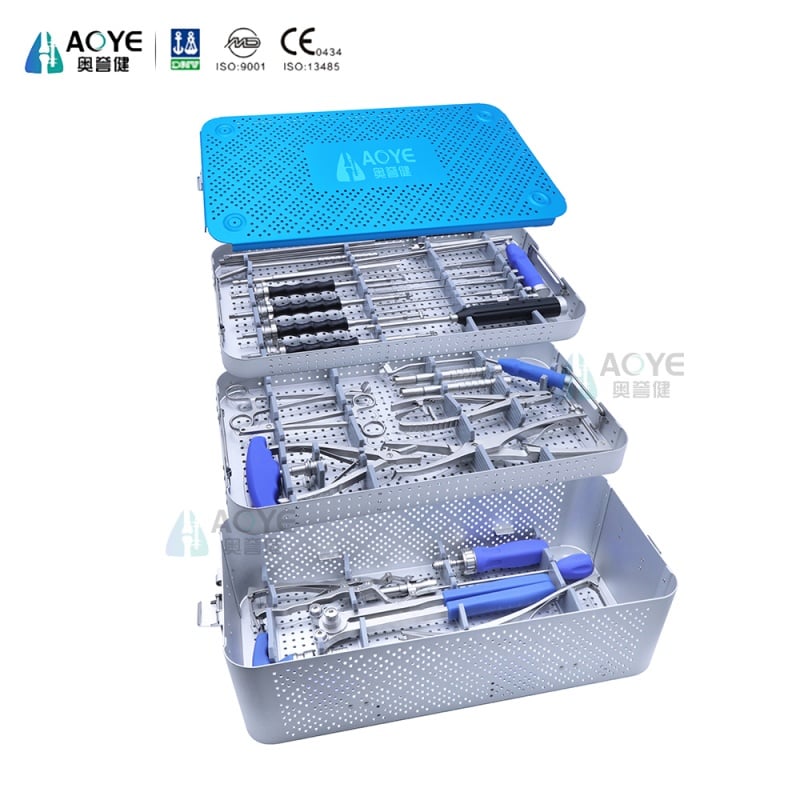
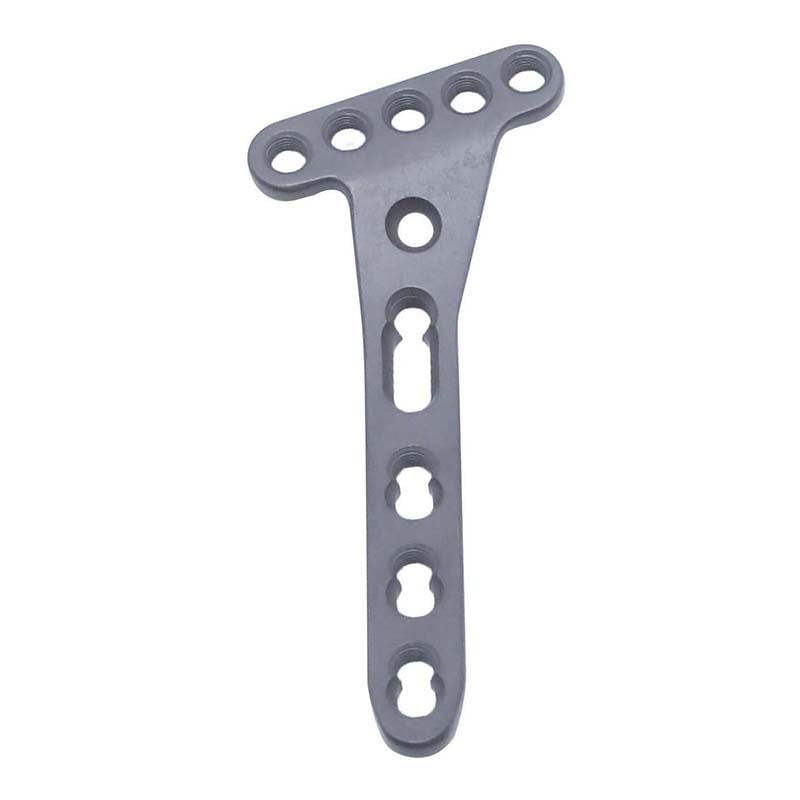
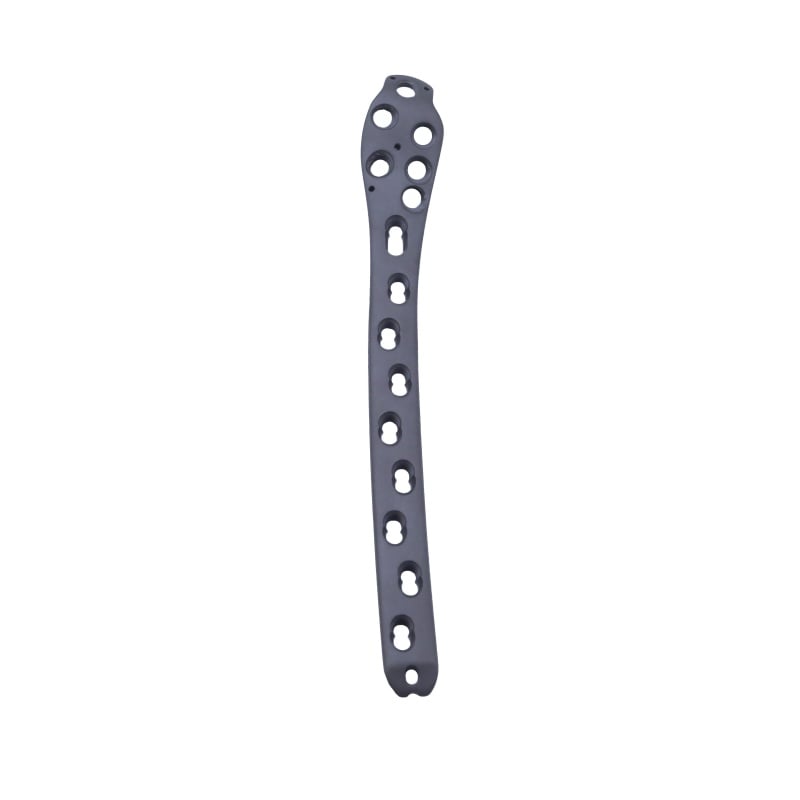
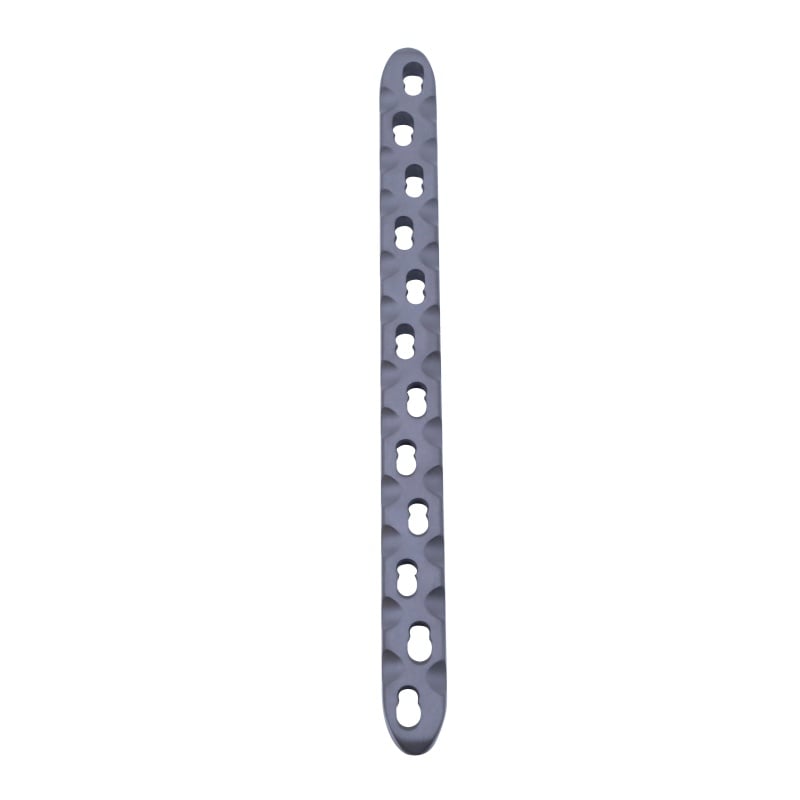
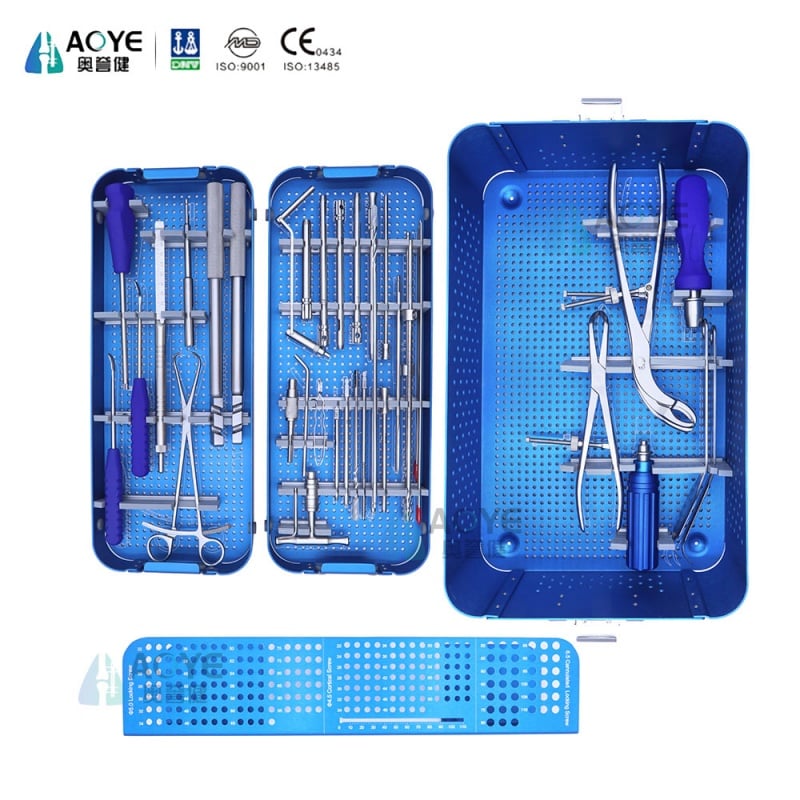
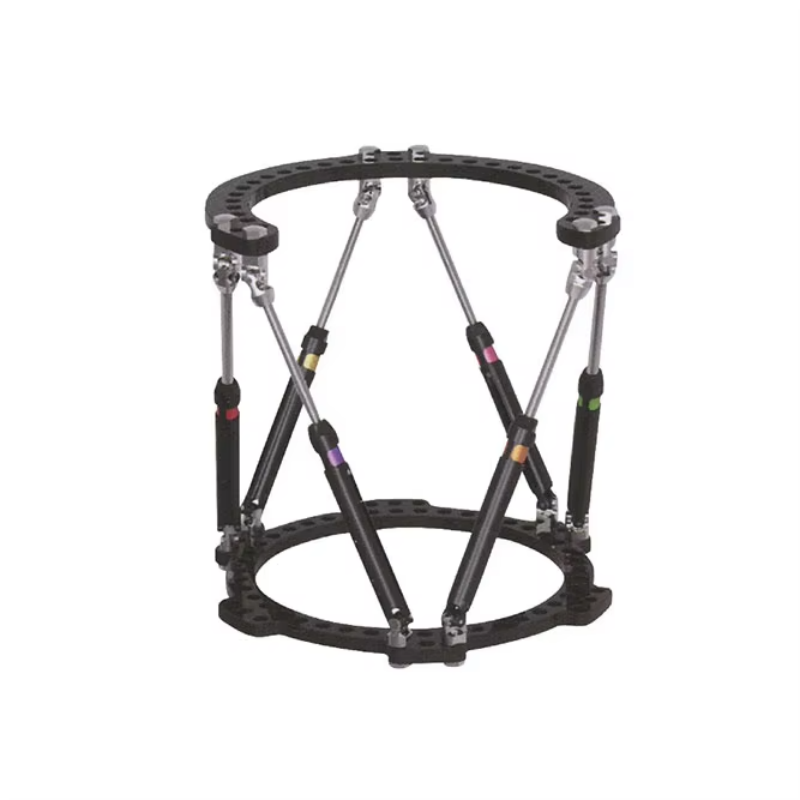
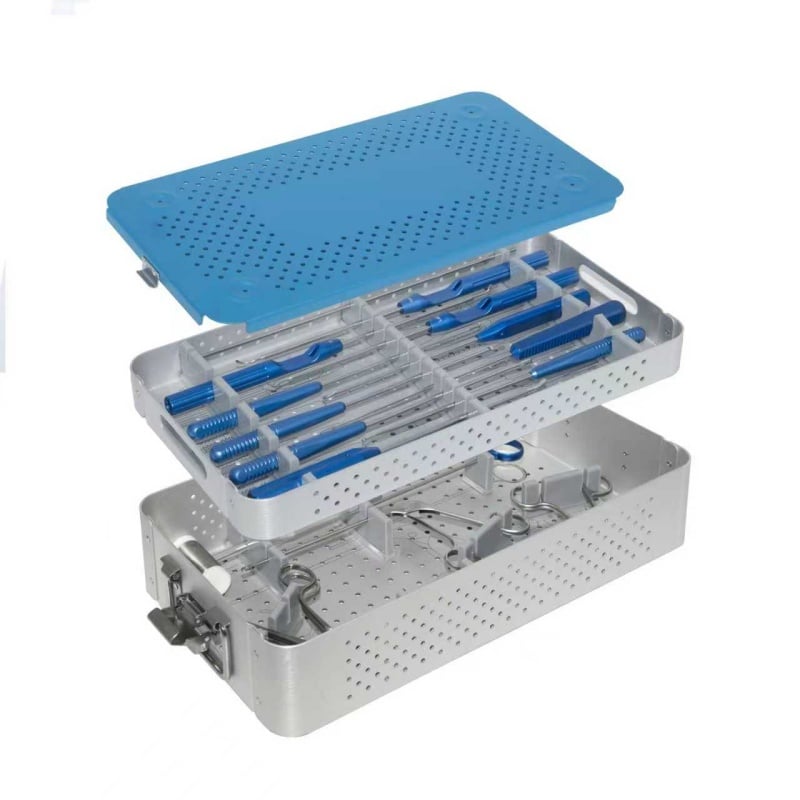
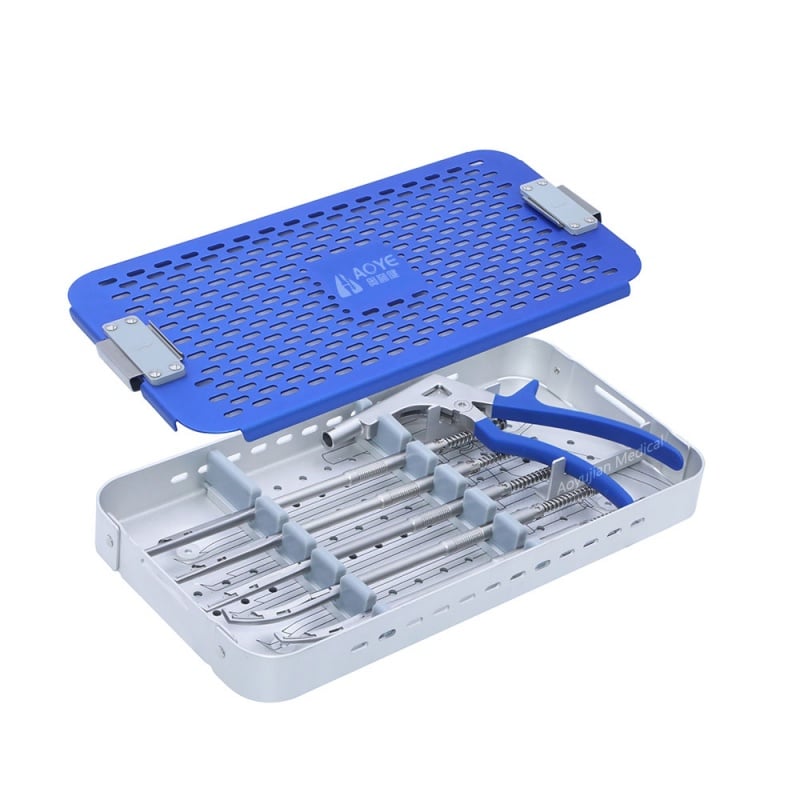
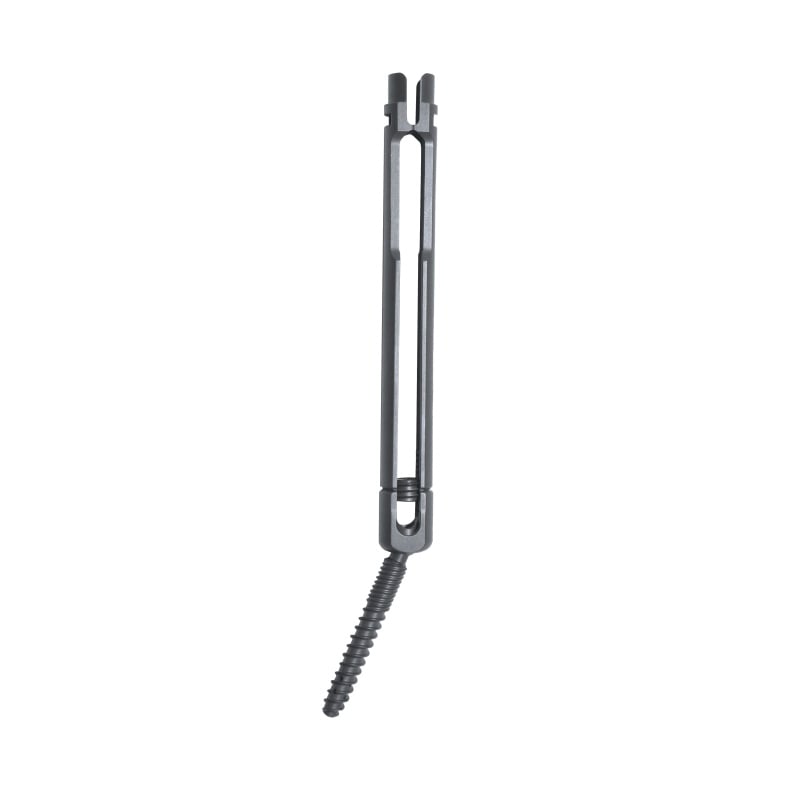
In the rapidly evolving field of medical devices, orthopedic implants play a crucial role in patient recovery and mobility. As a professional manufacturer specializing in orthopedic devices, Aoyujian Medical understands the complexities involved in the production, selection, and maintenance of these critical components. This article addresses key concerns for B2B buyers such as quality control, cost factors, and installation guidance, providing valuable insights that can aid purchasing managers, engineers, and other professionals in making informed decisions about medical orthopedic equipment.
Quality control is paramount in orthopedic device manufacturing, as it directly impacts patient safety and product efficacy. Buyers should consider several aspects when evaluating a manufacturer’s quality control processes.
First, look for certifications such as ISO 13485 and CE marking, which indicate adherence to international quality management standards. These certifications ensure that the manufacturer maintains a robust quality management system, which is essential for consistent product quality.
Next, inquire about the quality inspection protocols used throughout the production process. A reputable manufacturer will have rigorous testing procedures for raw materials, in-process components, and finished products. These may include mechanical testing, biocompatibility assessments, and dimensional inspections.
Lastly, consider the manufacturer’s track record in responding to quality issues. Understanding how they handle non-conformances and their approach to corrective actions can provide insight into their commitment to quality. A manufacturer like Aoyujian Medical, with experience serving partners in 45 countries, likely has established systems for quality assurance that can be trusted.
When comparing orthopedic implants for bulk orders, several critical factors should guide your evaluation.
Product Specifications: Ensure you have detailed specifications for each product, including materials used, dimensions, and load-bearing capacities. For example, titanium alloys are often preferred for their strength-to-weight ratio, but different applications may require specific material properties.
Customization Options: Many manufacturers offer customization capabilities that allow you to tailor implants to specific patient needs or surgical techniques. Assess whether the manufacturer can accommodate requests for different sizes, shapes, or surface treatments.
Pricing and MOQ: Understand the pricing structure and minimum order quantities (MOQ). Bulk orders can often lead to reduced costs per unit, but it’s essential to ensure that the savings do not compromise quality. Inquire about any volume discounts and shipping costs as well.
Supplier Reliability: Evaluate the manufacturer's reputation and reliability. Reviews from other partners, case studies, and testimonials can provide insight into the manufacturer’s ability to meet delivery timelines and maintain product quality.
By considering these factors, you can make a well-informed decision when selecting orthopedic implants for your bulk orders.
The cost of orthopedic medical equipment is influenced by various factors that buyers should understand before making a purchase.
Material Costs: The choice of materials significantly affects the overall cost. High-quality materials, such as medical-grade titanium or stainless steel, are typically more expensive but offer greater durability and biocompatibility.
Manufacturing Complexity: The complexity of the manufacturing process also plays a role in pricing. Advanced techniques like 3D printing may offer unique design possibilities but can increase production costs. On the other hand, traditional manufacturing methods may be more cost-effective for simpler designs.
Regulatory Compliance: Costs associated with achieving and maintaining compliance with regulatory standards can add to the overall price. Manufacturers must invest in quality assurance processes, testing, and documentation to meet these requirements.
Customization and Design: Custom solutions often come at a premium. If your project requires highly specialized implants or instruments, be prepared for higher costs due to the additional design and production efforts involved.
Understanding these cost factors will help you budget more effectively and evaluate supplier quotes more accurately.
Proper installation of orthopedic devices is crucial for ensuring their effectiveness and patient safety. Here are key considerations for installation guidance:
Training and Support: Ensure that the manufacturer provides adequate training for medical personnel on the correct installation procedures. This may include hands-on workshops, detailed manuals, and instructional videos.
Surgical Protocols: Familiarize yourself with the specific surgical protocols associated with the implants you are using. Each device may have unique requirements regarding placement, fixation, and post-operative care.
Compatibility Checks: Verify that the devices are compatible with existing surgical tools and equipment. This includes checking dimensions and interfaces to prevent issues during surgery.
Feedback Mechanisms: Encourage feedback from the surgical team regarding the installation process. This can help identify any challenges faced during procedures and inform future improvements in both product design and installation protocols.
By following these guidelines, healthcare providers can ensure that orthopedic implants instruments are installed correctly, facilitating better patient outcomes.
Orthopedic devices, while designed for efficiency and safety, can encounter common issues that require careful attention. Here are some typical problems and their solutions:
Implant Failure: This may occur due to material fatigue or improper placement. To mitigate this risk, ensure thorough pre-surgical planning and utilize high-quality materials. Regular follow-ups with patients can also help identify early signs of complications.
Infection Risks: Post-operative infections can be a concern with any surgical procedure. Implementing strict sterilization protocols and using antimicrobial coatings on devices can significantly reduce infection rates.
Sizing Issues: Devices that do not fit correctly can lead to complications. Prior to surgery, confirm sizing with the surgical team and consider patient-specific implants that can enhance fit and function.
Regulatory Compliance Challenges: Changes in regulations can affect the usability of devices. Staying updated on compliance requirements and working closely with manufacturers to ensure products meet current standards is vital.
By proactively addressing these common problems, healthcare providers can enhance the reliability and effectiveness of orthopedic devices, ultimately leading to better patient care.
In summary, understanding the intricacies of medical devices in orthopedics is essential for making well-informed purchasing decisions. Aoyujian Medical, with its commitment to quality and extensive experience in the field, stands ready to support partners in their endeavors in instruments used in orthopedic surgery procurement.
Aoyujian Medical Technology provides trusted orthopedic solutions, high-quality implants, OEM/ODM services, and global shipping for hospitals & distributors.
No. 2 Changting Road, Gehu Farm, Wujin Economic Development Zone, Changzhou, Jiangsu, China
Copyright © Aoyujian Medical Technology (Changzhou) Co., Ltd. All Rights Reserved - Privacy Policy - Blog
 EN