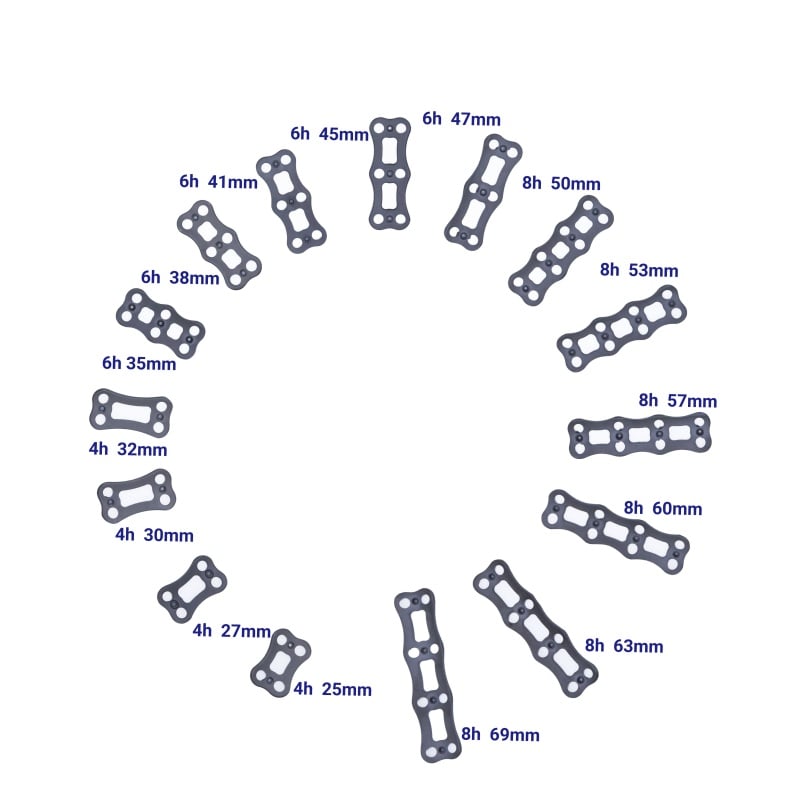
The titanium cage for cervical spine applications is a critical orthopedic implant designed to provide stability and support in spinal surgery. These implants are particularly favored for their strength, biocompatibility, and lightweight properties. B2B buyers, such as purchasing managers and medical distributors, often seek clarity on specifications, cost factors, and applications to make informed procurement decisions. This article aims to provide essential insights into titanium cage peek cervical spine products, addressing buyer concerns and guiding them through the purchasing process.
When evaluating titanium cage cervical spine implants, several key specifications should be considered to ensure optimal performance in surgical applications.
Material Composition: Most titanium cages are made from titanium alloy, which offers excellent strength-to-weight ratios and biocompatibility. The most common alloy used is Ti-6Al-4V, known for its corrosion resistance and mechanical properties. Buyers should verify that the material complies with international standards such as ASTM F136.
Dimensions and Design: The dimensions of the titanium cage, including height, width, and length, directly affect its fit and functionality. Common designs include interbody peek cage that may feature a porous structure for enhanced bone in-growth, which is critical for patient recovery. Buyers should confirm that the dimensions match the specific anatomical requirements of the intended surgical procedure.
Surface Treatment: Surface modifications, like roughening or coating, can significantly influence the implant's osseointegration and overall performance. A roughened surface may promote better bone attachment compared to a smooth finish. Ensure that the manufacturer provides detailed information on surface treatments used in their products.
Load-Bearing Capacity: It's crucial to assess the load-bearing capabilities of the titanium cages, particularly in relation to the patient's weight and activity level post-surgery. Manufacturers should provide data on the maximum load tolerances for their implants.
Regulatory Compliance: Confirm that the product is ISO13485 certified and CE marked, which indicates adherence to quality management systems and regulatory requirements in the medical device sector.
Understanding these specifications will help buyers select the most suitable titanium cage cervical spine implants for their needs.
When considering bulk orders of titanium cage cervical spine implants, several cost factors come into play that can significantly influence the overall expenditure.
Unit Price: The base cost per unit can vary depending on the complexity of the design, materials used, and manufacturing processes involved. Generally, intricate designs or additional features like porous structures may increase the unit price.
Minimum Order Quantity (MOQ): Many manufacturers set a MOQ, which can impact the total upfront cost. It’s essential to discuss this with suppliers to ensure that order quantities align with budgetary constraints.
Customization Costs: If specific modifications are needed, such as custom sizes or features, additional costs should be factored in. Buyers should clearly communicate their requirements to obtain accurate quotes.
Shipping and Handling: Consideration of shipping costs is vital, especially for international orders. Factors like shipping method, weight, and destination will affect the final cost.
Lead Time: Longer production times may lead to increased costs, especially if expedited shipping is necessary. Discussing timelines upfront can help manage expectations and budget accordingly.
Quality Assurance and Testing: Ensure that the quoted price includes comprehensive quality assurance processes, as these are critical for patient safety and product efficacy. Manufacturers may charge more for products that undergo rigorous testing and certification.
By evaluating these cost factors, buyers can make informed decisions that align with their budget and operational needs.
Titanium cage cervical spine devices are widely used in various surgical procedures across the spine, primarily to maintain proper alignment and support fusion between vertebrae. Their applications include:
Anterior Cervical Discectomy and Fusion (ACDF): In ACDF procedures, titanium cages are used to replace herniated or degenerated discs, facilitating the fusion of the adjacent vertebrae. The cages provide immediate stability, which is essential for healing.
Spinal Stenosis: For patients suffering from spinal stenosis, titanium cages can be employed to decompress the spinal canal while maintaining spinal stability, allowing for improved nerve function and pain relief.
Spondylolisthesis: In cases of spondylolisthesis, where one vertebra slips over another, titanium peek interbody cage are utilized to restore alignment and prevent further displacement, contributing to long-term spinal integrity.
Revision Surgeries: Titanium cages are often selected for revision surgeries due to their proven track record of performance and compatibility with existing spinal structures.
The versatility of titanium cages in these applications highlights their importance in modern spinal surgery, providing both stability and support during critical recovery periods.
Selecting the right manufacturer for titanium cage cervical spine implants is crucial for ensuring quality, consistency, and reliability. Here are key considerations:
Certifications and Compliance: Verify that the manufacturer holds relevant certifications like ISO13485 and CE marking. This ensures compliance with international standards and quality management systems.
Industry Experience: Assess the manufacturer’s experience in producing orthopedic implants. Companies with extensive experience are often better equipped to handle the complexities of manufacturing and quality assurance.
Customization Capabilities: Consider whether the manufacturer can accommodate specific customization requests. This includes variations in design, dimensions, and surface treatment, which may be necessary for unique surgical requirements.
Quality Control Processes: Inquire about the manufacturer's quality control measures throughout the production process. A robust quality management system significantly reduces the risk of defects and ensures consistent product reliability.
Reputation and References: Look for customer testimonials or case studies that demonstrate the manufacturer’s reliability and the effectiveness of their products. Engaging with other industry professionals can provide valuable insights.
After-Sales Support: Evaluate the level of post-purchase support offered by the manufacturer. This includes warranty terms, product training for medical staff, and responsiveness to inquiries.
By carefully evaluating these factors, buyers can establish partnerships that enhance their offerings and meet the demands of their healthcare clients.
Proper installation of titanium cage cervical spine devices is critical for ensuring their effectiveness and longevity. Here are essential guidelines to follow:
Pre-Operative Planning: Surgeons should conduct thorough pre-operative assessments, including imaging studies to determine the appropriate cage size and positioning. This ensures optimal fit and alignment within the spinal structure.
Sterilization: Ensure all surgical instruments and implants are properly sterilized before the procedure. This is vital to prevent post-operative infections and ensure patient safety.
Surgical Technique: Follow established surgical protocols for implant placement. Surgeons should ensure that the titanium cage is positioned accurately within the intervertebral space, allowing for proper contact with the adjacent vertebrae.
Verification of Fit: Once the cage is inserted, it’s crucial to verify that it fits securely and does not impinge on nearby structures. Surgeons should assess stability through intraoperative imaging if available.
Post-Operative Monitoring: After the procedure, continuous monitoring of the patient is essential to assess recovery and identify any potential complications. Regular follow-up appointments should be scheduled to evaluate the success of the fusion process.
By adhering to these installation guidelines, medical professionals can enhance the success rates of spinal surgeries and improve patient outcomes.
Aoyujian Medical Technology provides trusted orthopedic solutions, high-quality implants, OEM/ODM services, and global shipping for hospitals & distributors.
No. 2 Changting Road, Gehu Farm, Wujin Economic Development Zone, Changzhou, Jiangsu, China
Copyright © Aoyujian Medical Technology (Changzhou) Co., Ltd. All Rights Reserved - Privacy Policy - Blog
 EN