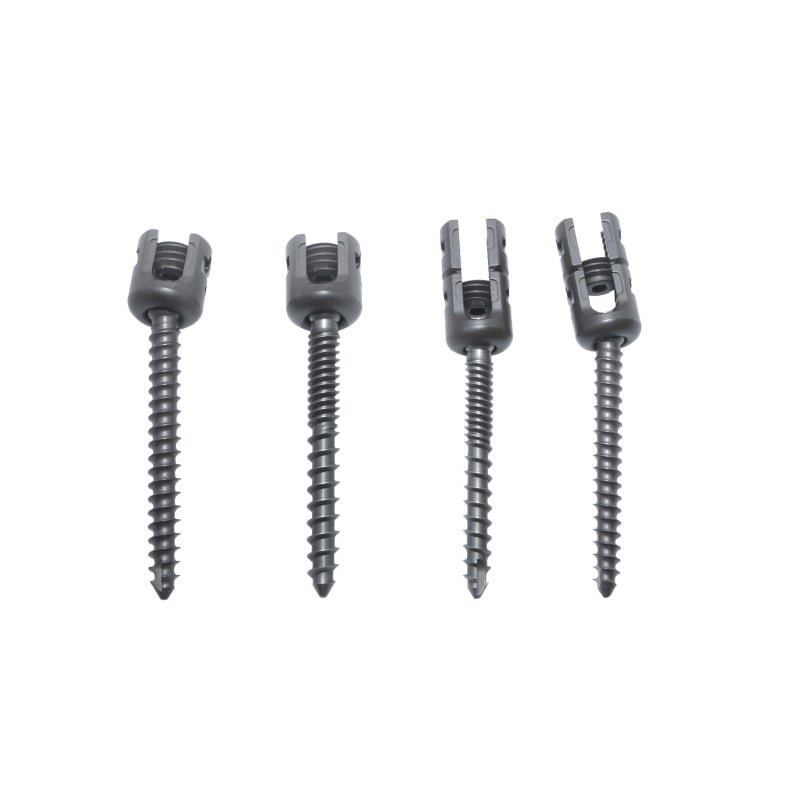
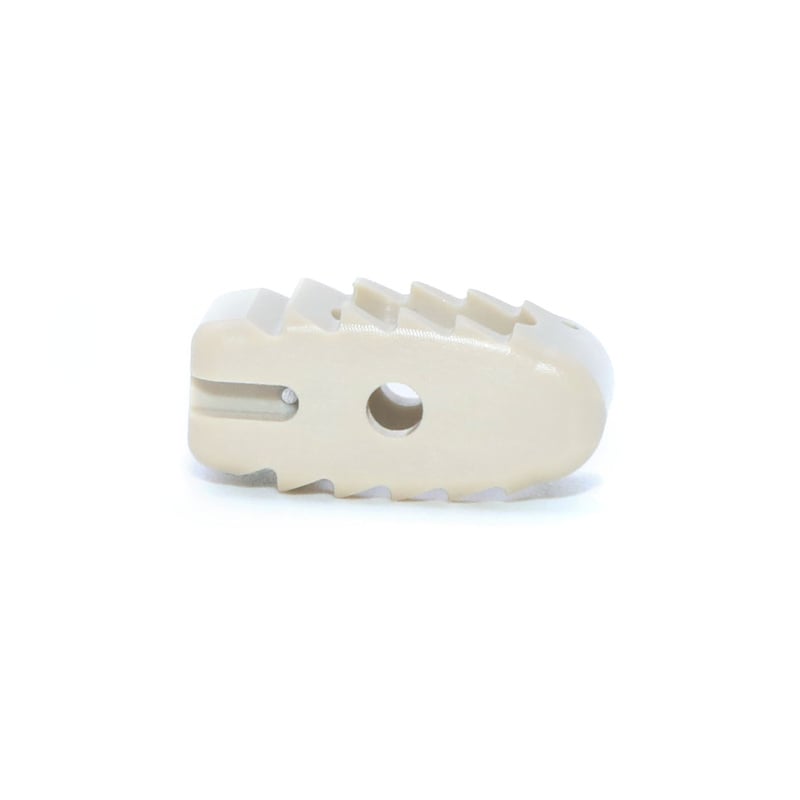
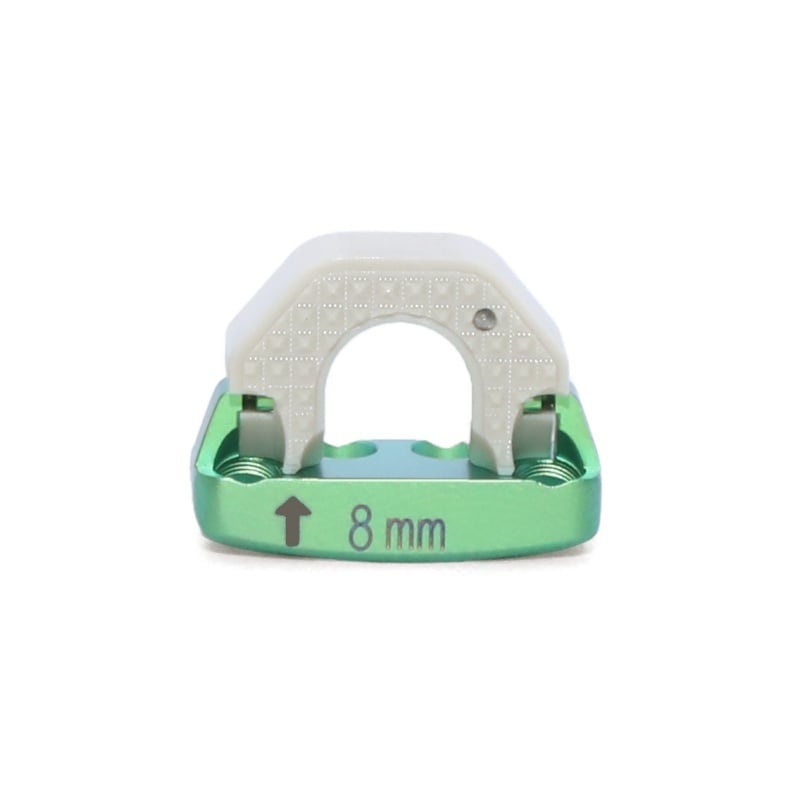
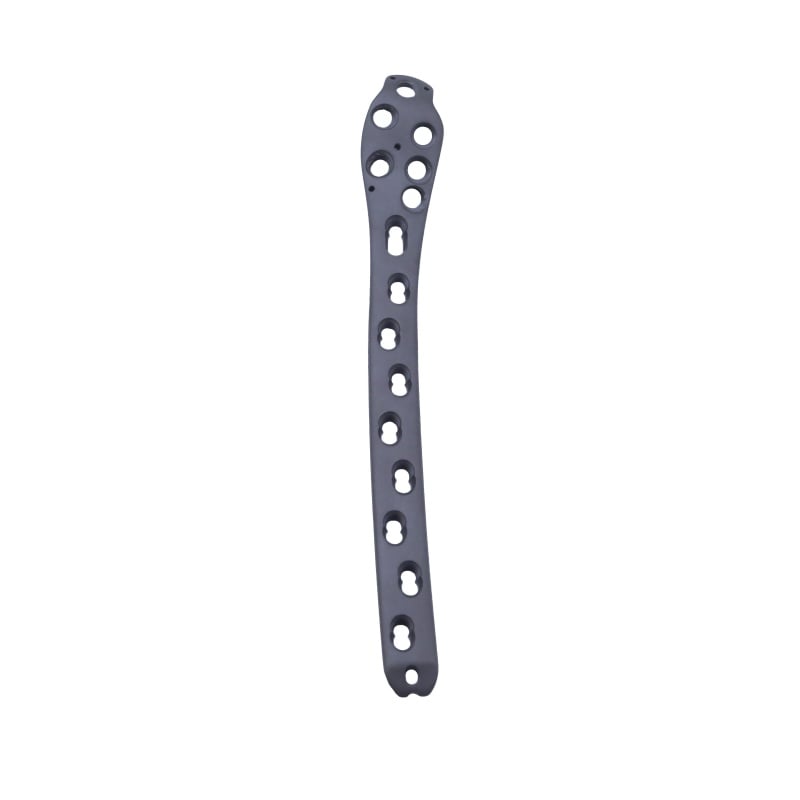
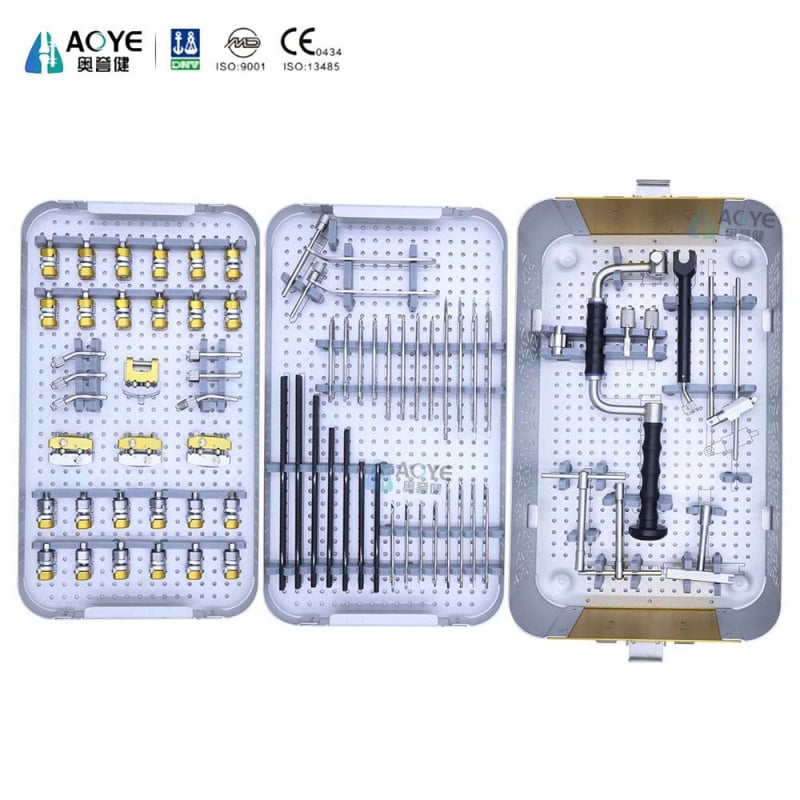
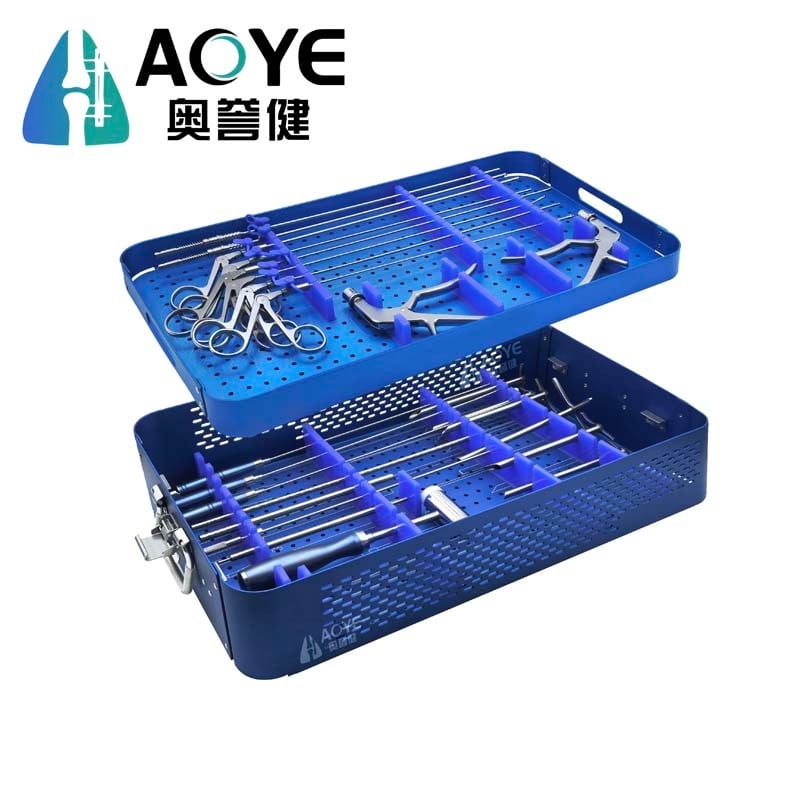
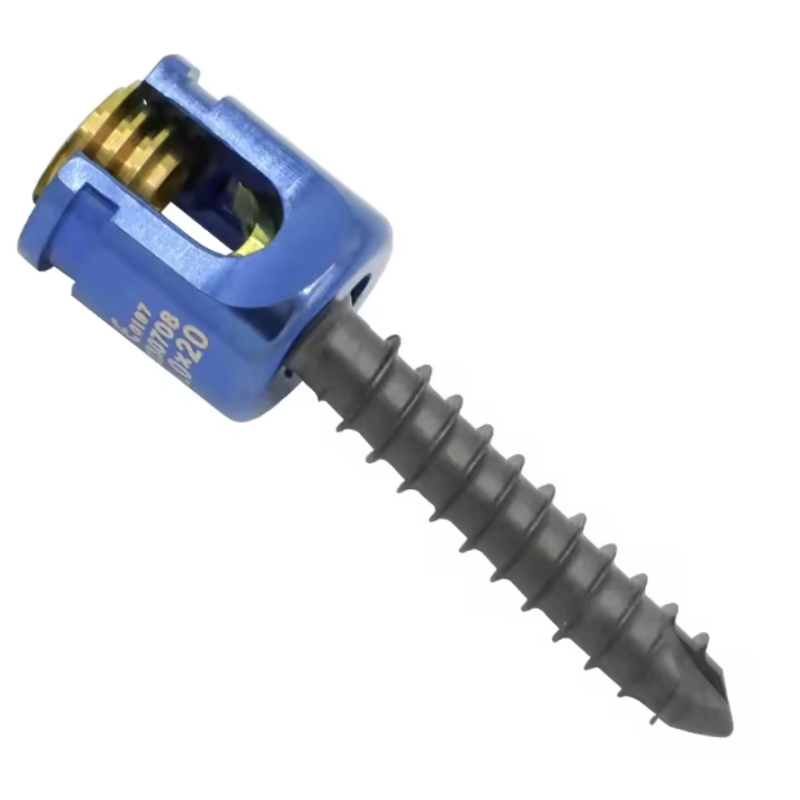
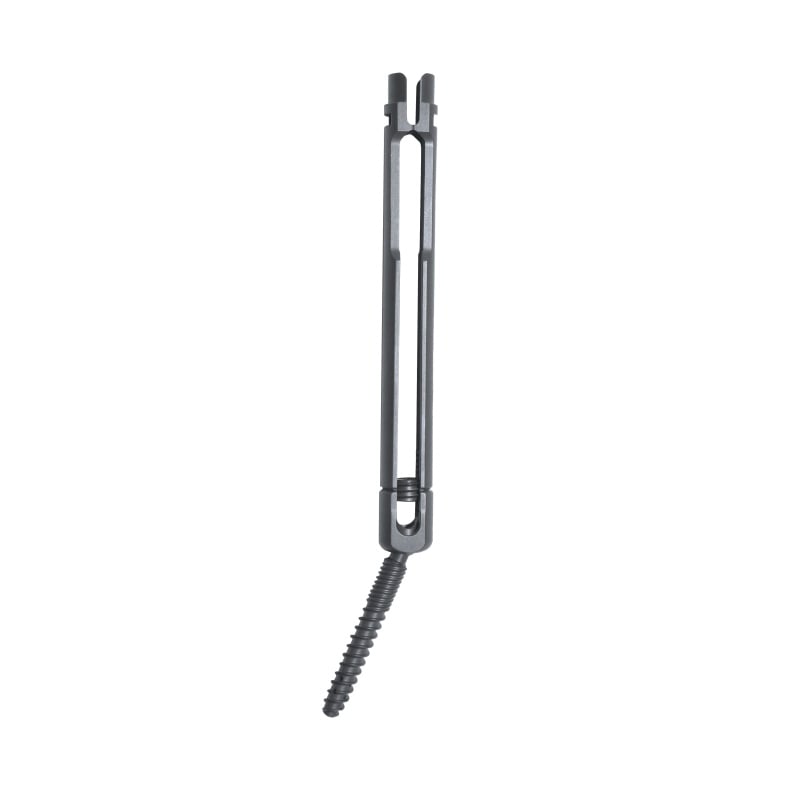
When selecting orthopedic surgical tools for your medical practice or facility, it is crucial to understand the specific needs and applications of these instruments. Orthopedic surgical tools encompass a range of instruments used in procedures related to trauma, spine, and sports medicine. B2B buyers, including purchasing managers and medical professionals, often face challenges when evaluating and selecting these tools, as quality and application suitability are paramount. This article will guide you through the selection process, comparing specifications, addressing common issues, evaluating costs, and understanding the applications of orthopedic surgical tools.
Selecting high-quality orthopedic surgical tools begins with understanding the specific requirements of the procedures they will be used for. Key considerations include the type of surgery, the materials used in the instruments, and the reliability of the manufacturer. For instance, stainless steel is commonly used for its strength and resistance to corrosion, while titanium may be preferred for lightweight applications.
When choosing surgical tool set buyers should assess the precision and ergonomic design of the instruments, as these factors directly impact the ease of use and safety during operations. Additionally, certifications such as ISO13485 and CE mark indicate compliance with international standards, which should be verified before making a purchase.
Understanding the manufacturer's reputation and experience is also vital. Aoyujian Medical, for instance, is a recognized manufacturer with a focus on orthopedic implants and instruments, serving partners in multiple countries. This experience can often translate into better product quality and support for users.
For wholesalers, comparing specifications is essential to ensure a competitive offering. Key specifications to evaluate include:
Material: The choice of material affects durability, weight, and corrosion resistance. Stainless steel and titanium are commonly used materials, each offering distinct advantages depending on the surgical application.
Dimensions: Tool dimensions must align with surgical requirements. For example, the surgical drill bits length and width of a scalpel or forceps should fit the intended procedure to ensure precision and control.
Sterilization Compatibility: Surgical instruments must withstand sterilization processes without degrading. Buyers should confirm that the tools are compatible with autoclaving or other sterilization methods.
Customization Options: Many manufacturers offer customization based on specific requirements, which can include branding, packaging, or unique tool configurations suited to particular surgical procedures.
Buyers should request detailed specifications from suppliers, including technical parameters and quality assurance processes, to make informed decisions.
Common issues with orthopedic surgical tools can arise from improper use or manufacturing defects. Some prevalent problems include:
Tool Failure: Instruments may fail during procedures due to substandard materials or design flaws. Buyers should verify the manufacturer's quality control processes, including testing for material strength and operational integrity.
Incompatibility: Tools may not fit properly with existing equipment or other tools. It's crucial to confirm compatibility with specific surgical setups and procedures.
Deterioration: Instruments may corrode or degrade if not maintained properly. Buyers should discuss maintenance and care requirements with suppliers to ensure longevity and reliability.
A proactive approach involves requesting samples or prototypes before placing large orders to assess quality and compatibility.
Cost is a significant factor in purchasing orthopedic surgical instruments, but it should not be the only consideration. Factors affecting pricing include:
Material Costs: The choice of materials significantly impacts the final price. High-quality, durable materials will typically result in higher costs but may offer better long-term value.
Production Volume: Larger orders often come with discounted pricing. Establishing a clear understanding of minimum order quantities (MOQ) with suppliers can help in negotiating better terms.
Customization: Customization can increase costs, so buyers should evaluate the necessity and benefits of tailored solutions against their budget constraints.
Shipping and Handling: Costs associated with shipping and handling can also affect the total expenditure. It's advisable to inquire about these factors upfront to avoid unexpected expenses.
Effective budgeting involves a comprehensive assessment of all these factors to ensure that the selected instruments meet both quality and financial criteria.
Orthopedic surgical tools play a crucial role in trauma and sports medicine, facilitating various procedures. Common applications include:
Trauma Surgery: Instruments are used to repair fractures, dislocations, and other injuries. Tools like bone saws, clamps, and fixation devices are essential for stabilizing broken bones.
Spine Surgery: Specialized tools are required for spinal fusion and decompression procedures. This often includes retractors, drills, and spinal instrumentation designed for precision and safety.
Sports Medicine: Procedures to address injuries related to athletics, such as ligament repairs or joint reconstruction, rely on high-quality surgical tools. Instruments designed for minimally invasive techniques are increasingly popular in this field.
Understanding the intended application of the tools ensures that buyers select the surgical bone drill most suitable instruments for their specific needs. Furthermore, working with a knowledgeable supplier, like Aoyujian Medical, can provide insights into the best tool choices for various orthopedic applications.
By considering these factors, B2B buyers can make informed decisions when purchasing orthopedic surgical tools, ensuring that they meet both their operational needs and quality standards.
Aoyujian Medical Technology provides trusted orthopedic solutions, high-quality implants, OEM/ODM services, and global shipping for hospitals & distributors.
No. 2 Changting Road, Gehu Farm, Wujin Economic Development Zone, Changzhou, Jiangsu, China
Copyright © Aoyujian Medical Technology (Changzhou) Co., Ltd. All Rights Reserved - Privacy Policy - Blog
 EN