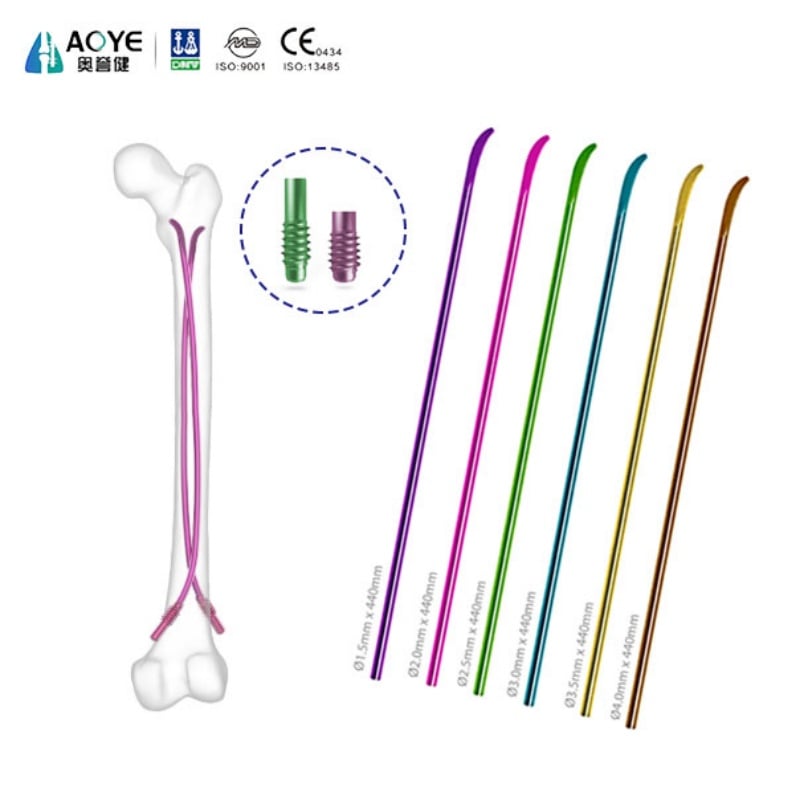
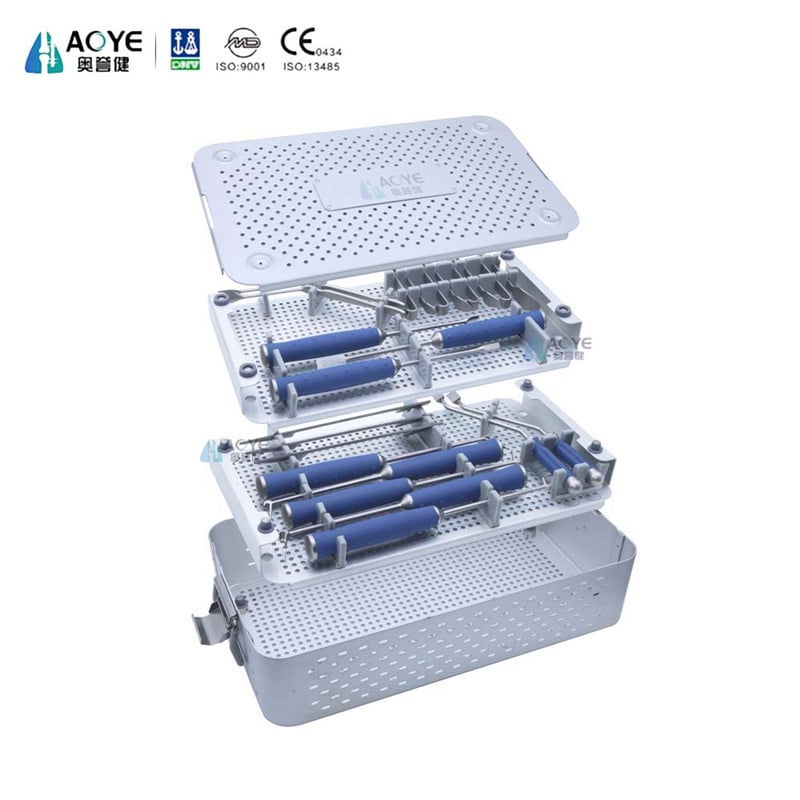
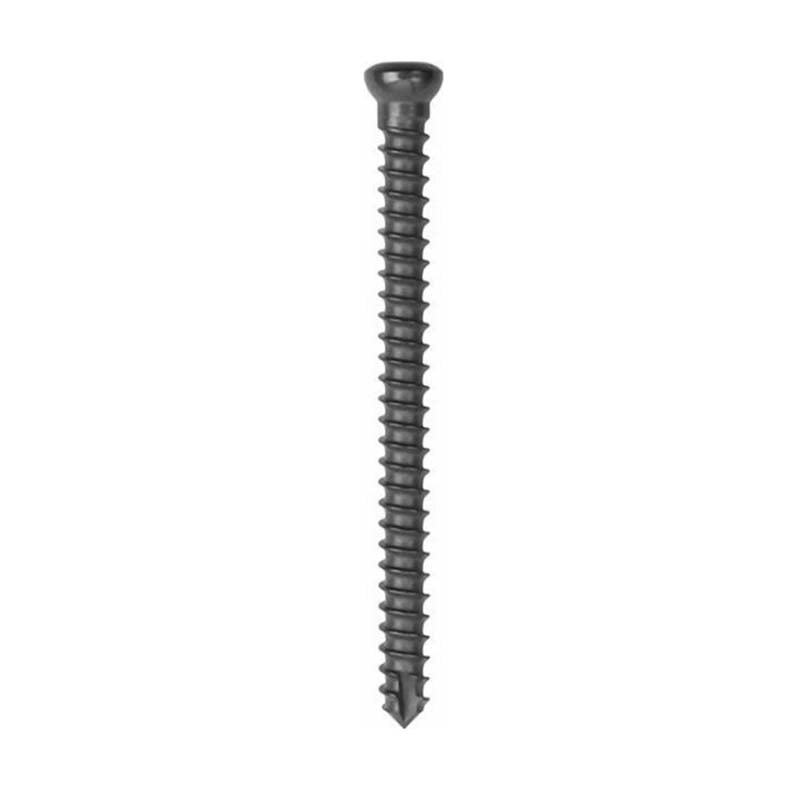
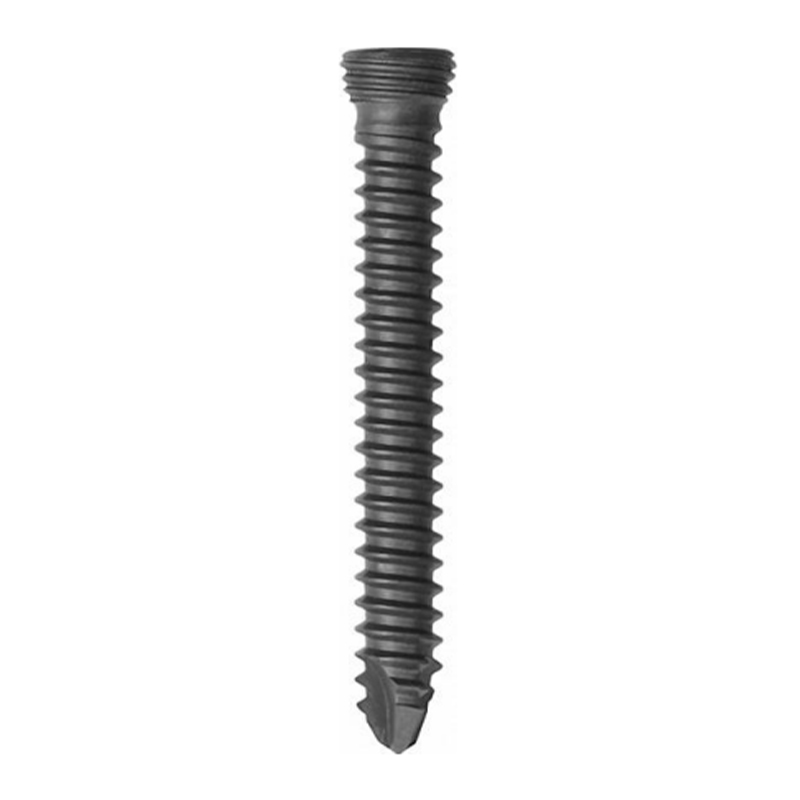
A retrograde tibial nail is a specialized orthopedic implant used for the fixation of fractures in the tibia, particularly in cases where conventional fixation methods may not be suitable. Designed to provide stability and support for healing, these retrograde femoral nailing is essential for orthopedic surgeons dealing with complex injuries. This article aims to address key concerns for purchasing managers and healthcare professionals, including product selection, installation guidelines, applications, and finding reliable suppliers. Understanding these aspects will help ensure that you make informed decisions when considering retrograde tibial nails for your projects.
Selecting the appropriate retrograde tibial nail involves several considerations, including the specific type of fracture, patient anatomy, and the desired outcomes of the surgical procedure. Key factors to consider include the nail length, diameter, and locking mechanisms.
Fracture Type and Location: Understanding the fracture's characteristics is crucial. For example, proximal tibial fractures may require a different nail design compared to distal fractures.
Material: Most retrograde tibial nails are made from titanium or stainless steel. Titanium offers excellent biocompatibility and lower risk of infection, while stainless steel is known for its strength and durability. Assessing the patient's health and potential allergies can guide the material choice.
Diameter and Length: Nails are available in various diameters (usually ranging from 9mm to 12mm) and lengths (from 200mm to 400mm). The size should correspond to the patient’s anatomy and the specific fixation needs.
Locking Mechanisms: Consider whether you need a static or dynamic locking system. Static locking provides more stability but may limit movement, while dynamic locking allows for some degree of movement, which can be beneficial in specific cases.
Customization Options: Some manufacturers offer customization in flexible intramedullary nail design, which can be particularly advantageous for unique patient anatomies or specific surgical requirements.
By considering these factors, healthcare professionals can select the most suitable retrograde tibial nail, ensuring optimal outcomes for their patients.
Finding a trustworthy supplier for retrograde tibial nails is essential for ensuring high-quality products and reliable service. Here are some tips for identifying reputable suppliers:
Certifications: Look for manufacturers that hold ISO13485 and CE certifications, indicating adherence to international quality management standards and compliance with European regulations.
Experience and Expertise: Suppliers with extensive experience in the orthopedic field are likely to offer products that meet industry standards. A manufacturer like Aoye, which has a proven track record in producing orthopedic implants for trauma and spine applications, can be a reliable choice.
Customer Reviews and References: Seek feedback from other healthcare professionals or institutions that have worked with potential suppliers. Positive testimonials can provide insight into product quality and customer service.
Product Range and Customization: A supplier that offers a wide range of products, including various sizes and types of retrograde tibial nails, is more likely to meet diverse clinical needs. Additionally, those that can customize products based on specific requirements may provide added value.
Support Services: Consider suppliers that offer comprehensive support, including training for surgical teams, technical assistance, and prompt customer service.
By carefully evaluating suppliers based on these criteria, purchasing managers can ensure they partner with manufacturers who meet their quality and service expectations.
The proper installation of Aoye retrograde tibial nails is critical for achieving successful clinical outcomes. Here are key installation guidelines that surgical teams should follow:
Preoperative Planning: Detailed preoperative imaging, such as X-rays or CT scans, should be reviewed to assess the fracture type and plan the surgical approach. This preparation helps in selecting the appropriate nail size and configuration.
Surgical Technique: The retrograde approach typically involves the following steps:
An incision is made at the knee joint to access the intramedullary canal.The nail is inserted retrogradely through the distal fragment, ensuring proper alignment with the proximal fragment.Locking screws are inserted to stabilize the nail and maintain fracture reduction.
Intraoperative Monitoring: Throughout the procedure, constant monitoring of alignment and stability is essential. Surgeons should confirm the nail is adequately seated and that the locking mechanisms function correctly.
Postoperative Care: After the procedure, appropriate postoperative imaging should be performed to verify the correct placement of the retrograde tibial nail. Follow-up assessments are crucial to monitor healing and detect any complications early on.
By adhering to these guidelines, surgical teams can enhance patient safety and improve the chances of successful recovery.
Retrograde tibial nails are primarily used in orthopedic procedures to treat various types of tibial fractures, including:
Complex Fractures: They are ideal for managing multifragmentary and revision cases where traditional methods may not suffice.
Distal Tibia Fractures: In cases involving distal fractures, retrograde nails provide excellent fixation, allowing for early weight-bearing and rehabilitation.
Non-union Cases: For patients with non-union fractures, retrograde tibial nails can be used in conjunction with bone grafting or other procedures to facilitate healing.
Post-Traumatic Reconstruction: In patients requiring reconstruction after trauma, elastic intramedullary nail can offer necessary stability during the healing process.
Understanding these applications allows orthopedic surgeons to effectively utilize retrograde tibial nails to address complex clinical scenarios and improve patient outcomes.
To source quality retrograde tibial nails, professionals should consider the following avenues:
Industry Trade Shows: Attending orthopedic trade shows and conferences can provide opportunities to meet manufacturers, view products firsthand, and discuss specific needs.
Online Marketplaces and Directories: Platforms like Alibaba or medical supply directories often list manufacturers specializing in orthopedic devices. Researching these platforms can yield potential suppliers.
Professional Networks: Engaging with professional networks and forums can facilitate recommendations from peers who have experience with specific manufacturers.
Direct Manufacturer Outreach: Contacting established companies directly, such as Aoye, known for their specialization in orthopedic implants, can ensure access to reliable products and support.
Regulatory Compliance Checks: Ensure that any manufacturer being considered complies with necessary regulatory standards. This verification can safeguard against subpar products.
By exploring these resources, purchasing managers and healthcare professionals can find trustworthy manufacturers of retrograde tibial nails, ensuring high-quality solutions for their orthopedic needs.
Aoyujian Medical Technology provides trusted orthopedic solutions, high-quality implants, OEM/ODM services, and global shipping for hospitals & distributors.
No. 2 Changting Road, Gehu Farm, Wujin Economic Development Zone, Changzhou, Jiangsu, China
Copyright © Aoyujian Medical Technology (Changzhou) Co., Ltd. All Rights Reserved - Privacy Policy - Blog
 EN