Selecting the right titanium plate for cervical fusion is crucial for ensuring the success of spinal procedures. These plates are designed to provide stability and support to the cervical spine after surgery. B2B buyers, such as purchasing managers and medical device distributors, often prioritize product quality, reliability, and supplier credibility when making procurement decisions. This article will help you navigate the key considerations in selecting titanium plates for cervical fusion, evaluate supplier reliability, and understand the cost factors associated with these medical implants.
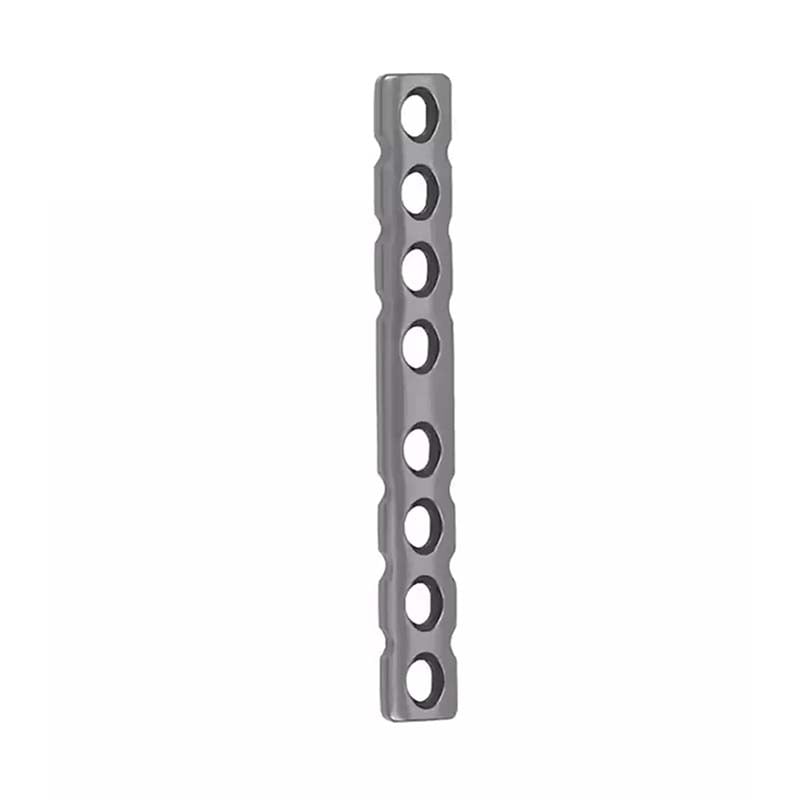
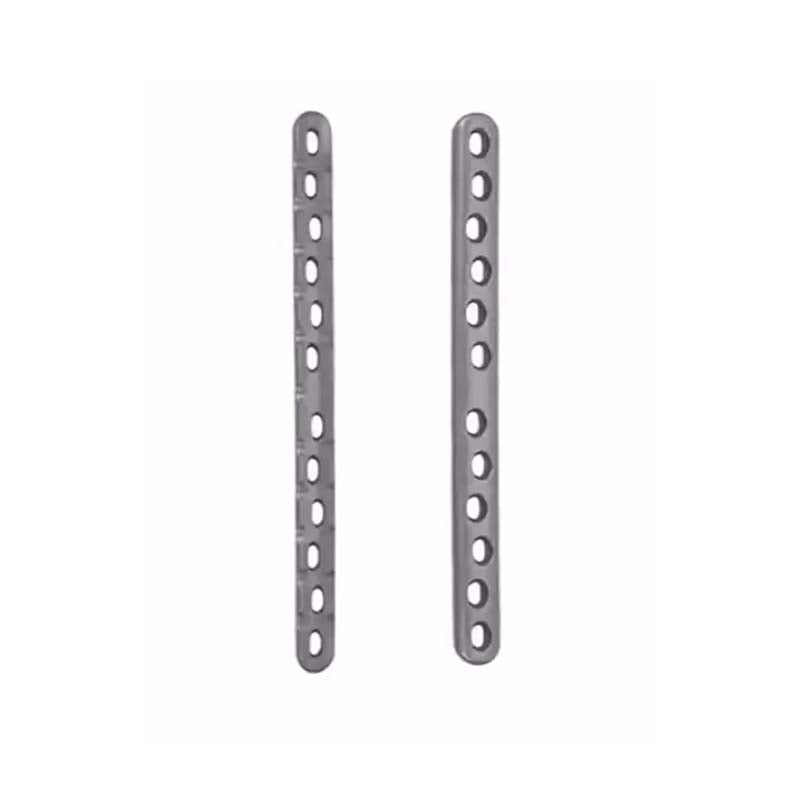
When selecting titanium plates for cervical fusion, it’s essential to consider several key factors that affect the performance and suitability of the implants. First, the material composition is critical. Titanium is favored for its strength, light weight, and biocompatibility, reducing the risk of rejection by the body. Buyers should confirm that the plates meet relevant standards for medical-grade titanium, typically ASTM F136 or ASTM F1472 specifications.
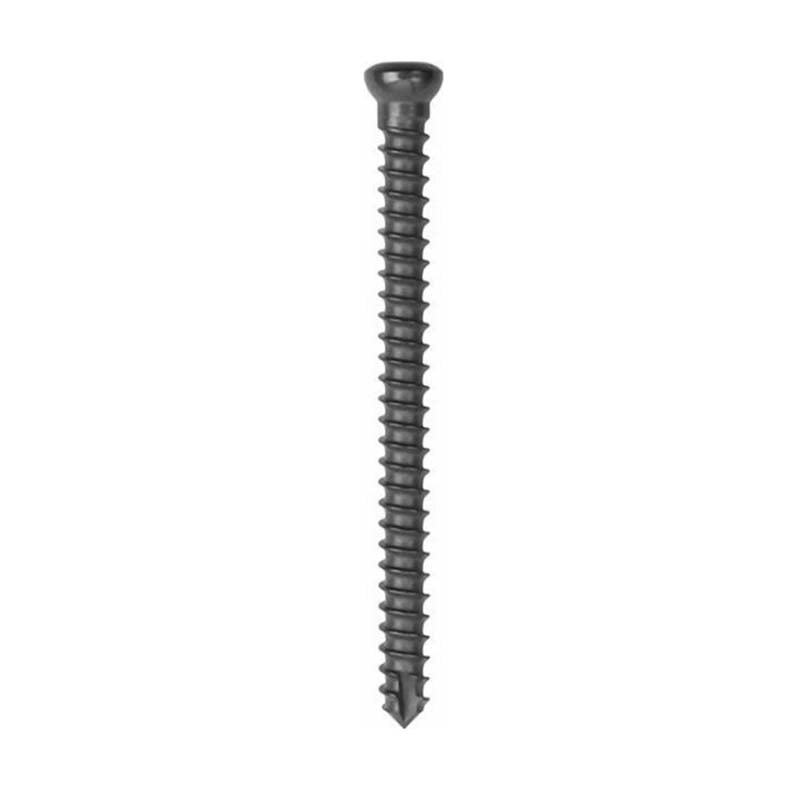
Dimensions and design are also vital. The cervical cage fusion plates must accommodate various anatomical configurations and surgical techniques. Buyers should ensure that the plates are available in multiple sizes and shapes to suit different patient needs. Additionally, the surface finish can significantly impact osseointegration, so consider options that promote bone growth, such as textured surfaces.
Lastly, understanding the load-bearing capacity of the plates is crucial. The selected titanium plate must withstand the physiological forces during and after the healing process. Buyers should consult with surgeons or engineers to confirm that the plate's specifications align with the intended surgical application.
Evaluating supplier reliability is a critical step in the purchasing process for titanium fusion plates. First, consider the supplier's certifications. Look for ISO13485 and CE certifications, which indicate that the manufacturer adheres to international standards for quality management systems in medical devices. This is a good starting point for assessing the supplier's commitment to quality.
Next, review the supplier's track record in the industry. Suppliers that have experience exporting to multiple countries, like Aoyujian Medical, often have a better understanding of international regulations and can provide valuable insights into product compliance. Check customer testimonials and case studies to gauge the supplier's reliability and service quality.
In addition, inquire about the supplier's quality control processes. Reliable suppliers should have robust systems in place for testing and inspecting products prior to shipment. Consider requesting sample products to evaluate the quality and performance firsthand. This can help identify any potential issues before committing to larger orders.
When purchasing titanium plates for cervical fusion in bulk, there are several practical tips to ensure a smooth procurement process. First, establish clear specifications that include the desired dimensions, material grade, and any specific design features required for your applications. Providing this information upfront will help suppliers give accurate quotes.
Next, be aware of minimum order quantities (MOQ). Different suppliers may have varying MOQs based on their production capabilities. Make sure to discuss this with potential suppliers early in the negotiation process to avoid unexpected costs or delays.
Another important consideration is the lead time for production and shipping. Understand the supplier's production capacity and typical turnaround times. If you have specific deadlines for product availability, communicate these clearly to ensure that the supplier can meet your timelines.
Finally, consider discussing pricing tiers based on order volume. Many suppliers offer discounts for larger orders, which can help reduce overall costs. Be sure to get a comprehensive quote that includes all potential fees, such as shipping and customs duties, to accurately assess the total cost.
The cost of titanium plates for cervical fusion can vary widely based on several factors. Material quality is one of the most significant determinants. Medical-grade titanium, which meets stringent standards for biocompatibility and mechanical properties, typically commands a higher price than non-medical grades.
Manufacturing processes also influence cost. Advanced techniques, such as 3D printing or precision machining, may lead to higher initial costs but can provide customized solutions that enhance the product's performance. Buyers should weigh these costs against the benefits of specialized designs that may improve surgical outcomes.
Additionally, packaging and logistics can impact the final price. Medical devices often require specific packaging to maintain sterility and prevent damage during transport. Ensure that the supplier’s packaging methods align with your distribution needs. Finally, consider the peek cage cervical fusion supplier’s location; shipping costs can add significantly to the overall price, especially if the supplier is overseas.
Sourcing high-quality titanium plates for medical applications requires diligent research and consideration of various factors. Start by identifying manufacturers with a proven track record in the orthopedic implant sector. Aoyujian Medical, for example, is a recognized player in this field, serving partners across 45 countries with ISO13485 and CE-certified anterior cervical fusion cage products.
Utilize industry trade shows and conferences to meet potential suppliers and view their products firsthand. This direct interaction allows you to ask questions about their manufacturing capabilities, quality control processes, and customization options.
Additionally, leverage online platforms and industry directories to find reputable suppliers. Look for reviews and feedback from other industry professionals to assess the reliability and quality of the products offered. Engaging with industry associations can also provide valuable referrals to trusted manufacturers.
selecting the right titanium plate for cervical fusion is a multifaceted process that involves careful consideration of material, supplier reliability, and cost factors. By understanding these aspects, B2B buyers can make informed decisions that support successful surgical outcomes and patient care.
Aoyujian Medical Technology provides trusted orthopedic solutions, high-quality implants, OEM/ODM services, and global shipping for hospitals & distributors.
No. 2 Changting Road, Gehu Farm, Wujin Economic Development Zone, Changzhou, Jiangsu, China
Copyright © Aoyujian Medical Technology (Changzhou) Co., Ltd. All Rights Reserved - Privacy Policy - Blog
 EN