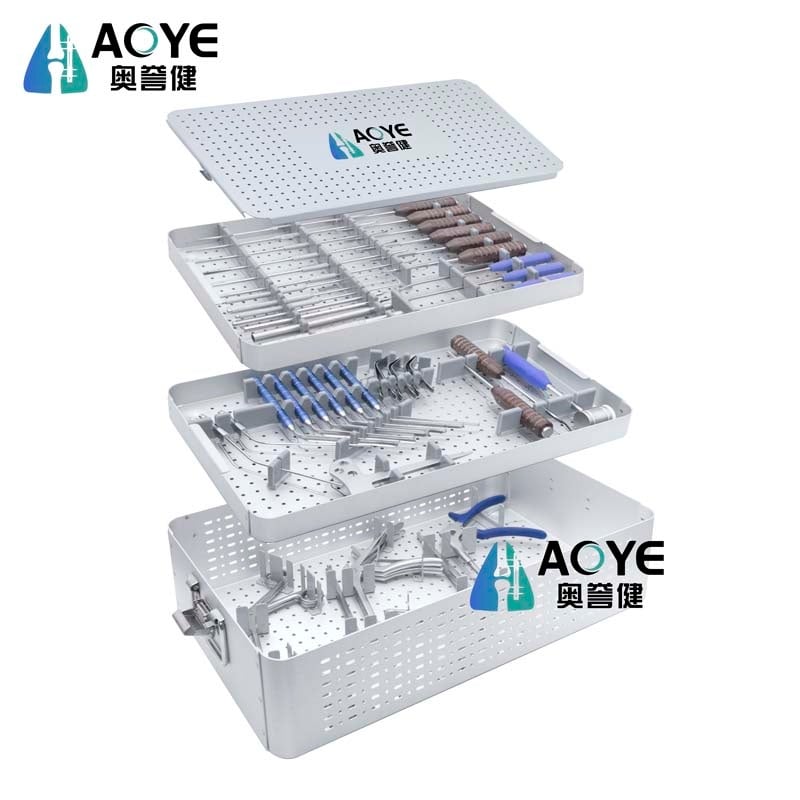
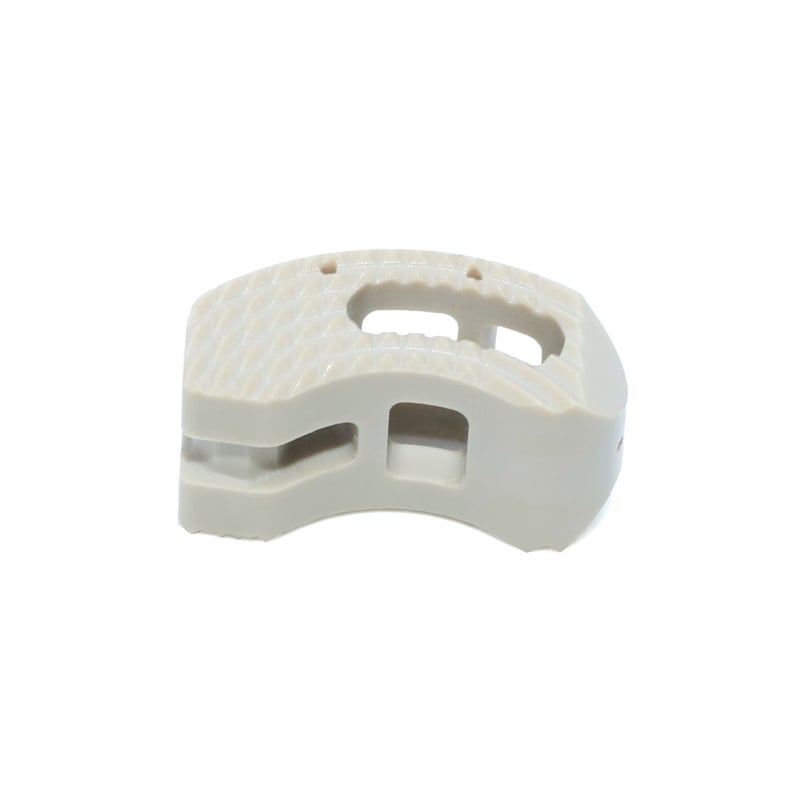
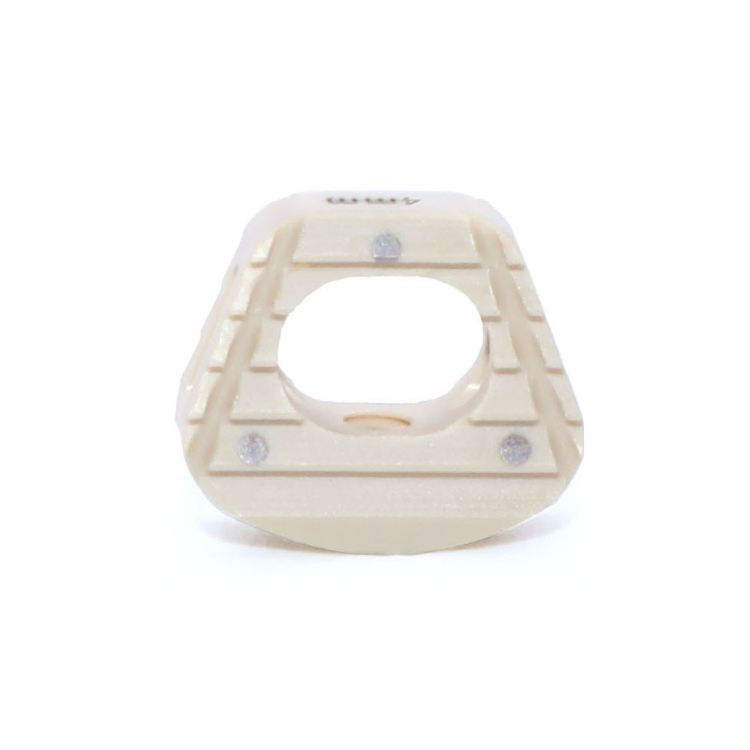
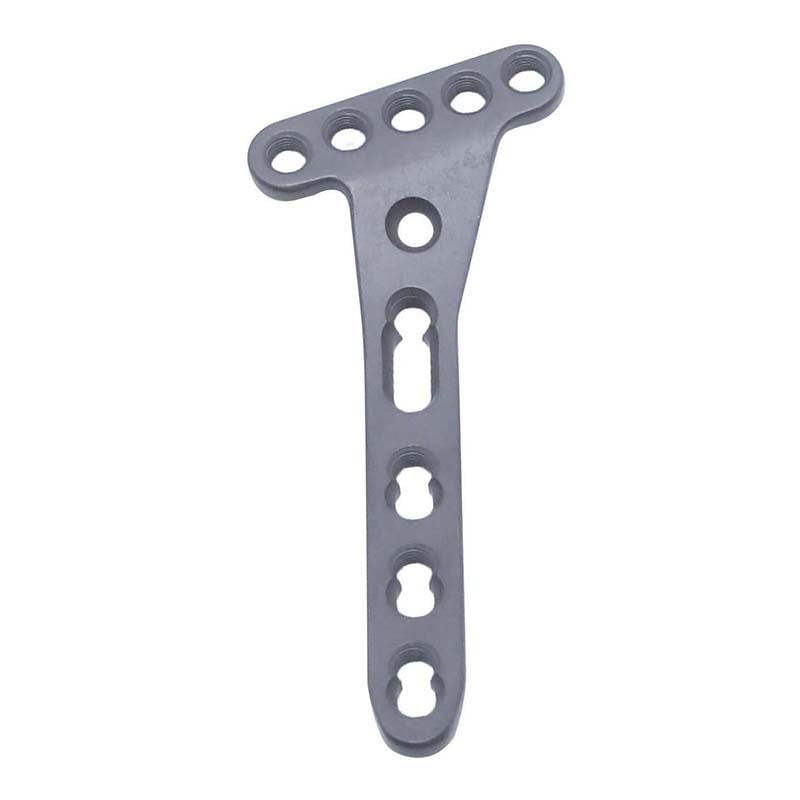
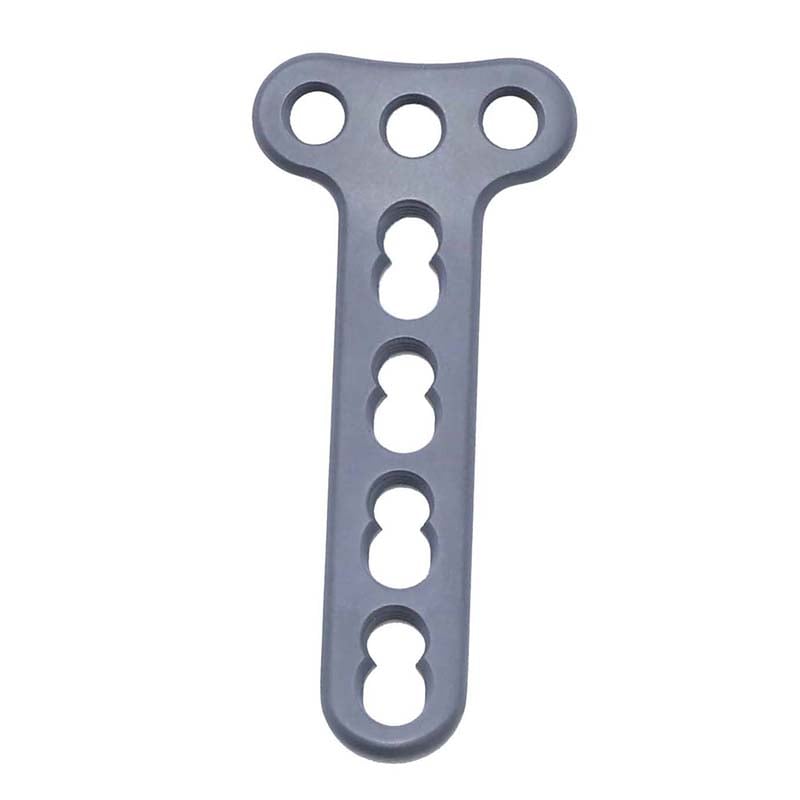
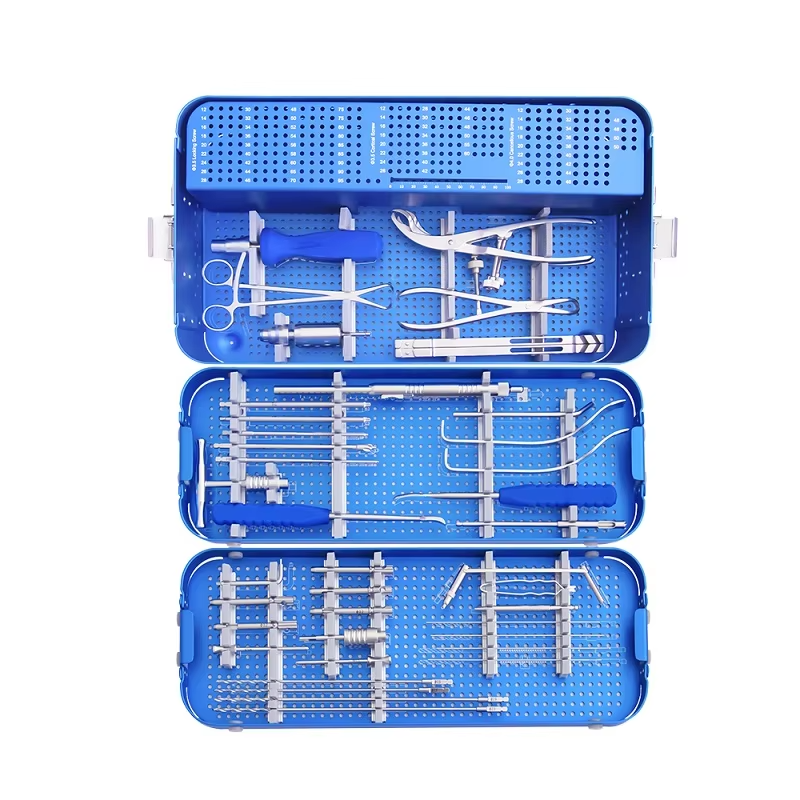
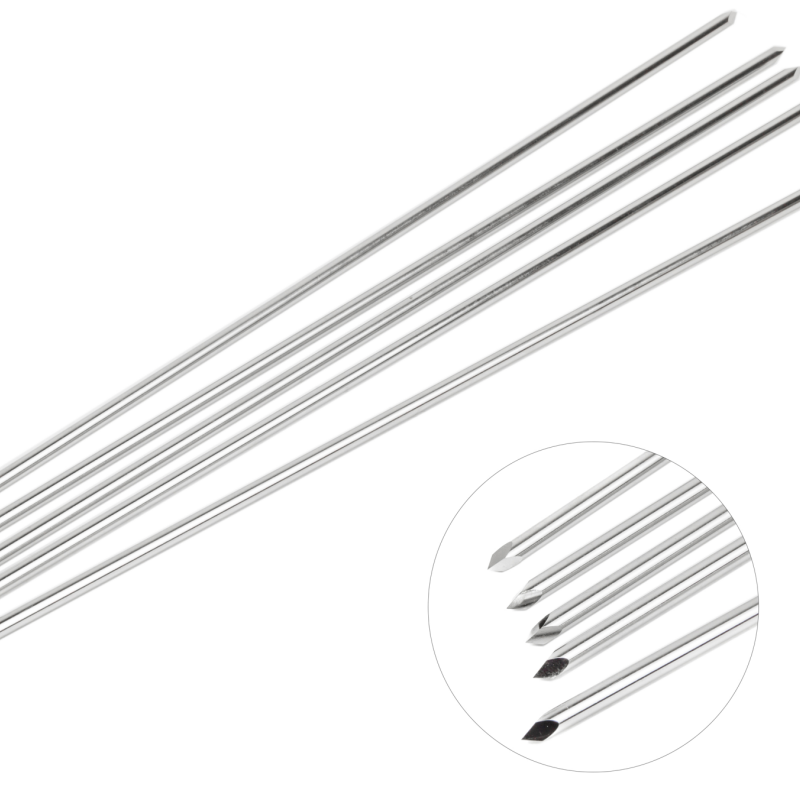
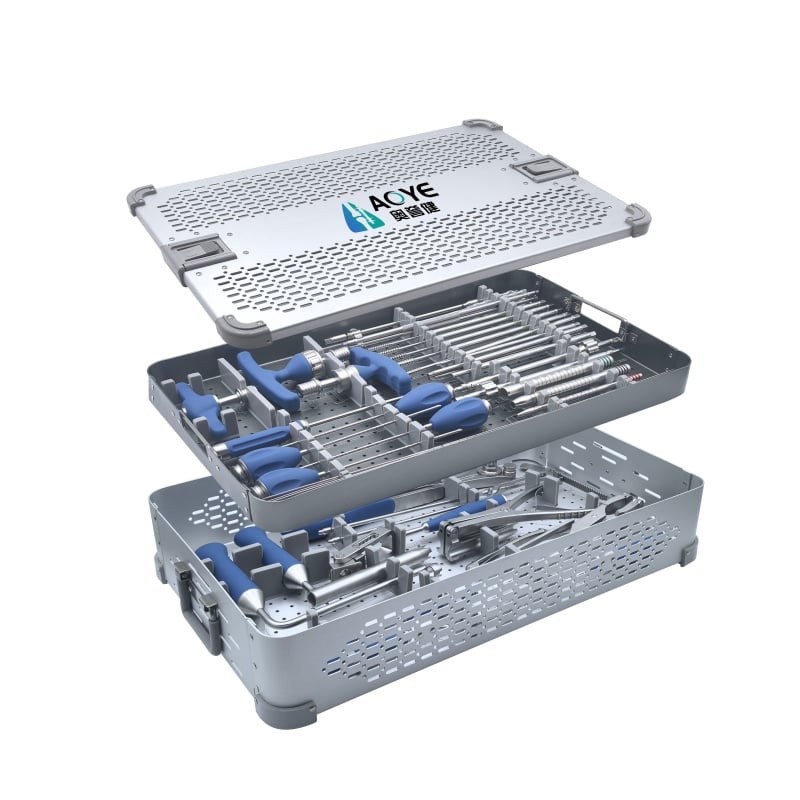
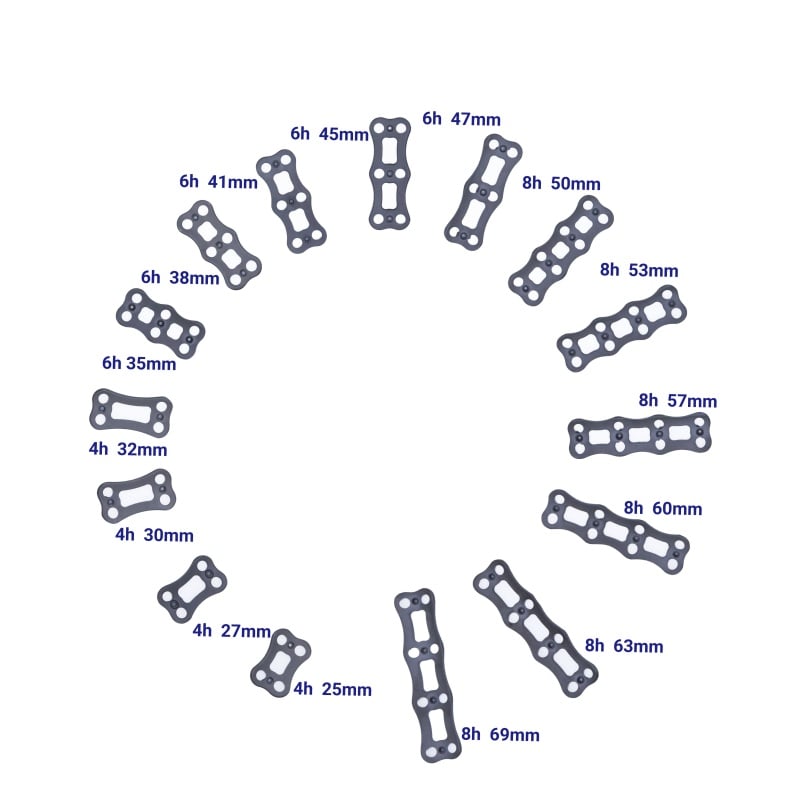
Understanding the nuances of sports medicine equipment is crucial for professionals in the healthcare and athletic industries. As a specialized segment of orthopedic products, sports medicine products equipment is designed to support, protect, and rehabilitate injuries sustained during athletic activities. Buyers, including purchasing managers and healthcare professionals, often face concerns regarding quality, functionality, and supplier reliability. This article aims to equip you with the essential knowledge needed to make informed decisions when sourcing sports medicine equipment from reputable manufacturers like Aoyujian Medical.
When selecting a supplier for sports medicine equipment, several factors should be prioritized. First, assess the supplier's certifications, such as ISO13485 and CE, which indicate adherence to international quality standards. This is crucial for ensuring that the products meet safety and efficacy requirements.
Next, consider the supplier's experience and expertise in manufacturing orthopedic implants and instruments specific to sports medicine. A manufacturer with a proven track record in this niche will likely have a better understanding of the specific needs and challenges faced by healthcare providers and athletes.
Additionally, inquire about the supplier's customization capabilities. Many buyers require tailored solutions to meet specific clinical needs, so a supplier's ability to accommodate unique specifications can set them apart. Lastly, evaluate the sports medical kit supplier's export experience and market reach. A partner with a robust distribution network across various countries can ensure timely delivery and support.
To optimize the procurement process for sports medicine equipment, adhere to the following best practices:
Conduct Thorough Research: Investigate potential suppliers, focusing on their product range, technical specifications, and client testimonials. This will provide a clearer picture of their capabilities.
Request Samples: Before making a bulk order, request samples of the equipment. This allows you to evaluate quality, performance, and suitability for your specific applications.
Establish Clear Communication: Engage in open discussions with potential suppliers to clarify your requirements, timelines, and pricing. This will help in building a strong working relationship.
Prioritize Quality Control: Ensure that the supplier has rigorous quality control processes in place. Ask about their inspection methods and the frequency of testing to maintain product integrity.
Review After-Sales Support: Consider the level of support the supplier offers post-purchase, including warranty terms, return policies, and customer service responsiveness.
Cost is a significant factor in purchasing sports medicine equipment, but it should not be the only determinant. Here are key cost factors to consider:
Material and Manufacturing Process: The choice of materials—such as titanium for implants or high-strength polymers for braces—will impact the price. Understanding the manufacturing process can also reveal cost-saving opportunities without compromising quality.
Customization Requirements: Custom-made equipment often incurs higher costs due to the additional design and production work involved. It's essential to weigh the benefits of customization against the increased expense.
Minimum Order Quantities (MOQs): Suppliers may set MOQs that affect your upfront investment. Clarifying these terms can help you manage budget constraints effectively.
Shipping and Handling Fees: Depending on the supplier's location and your facility's needs, shipping costs can vary significantly. It's wise to factor these into your overall budget.
Long-Term Value: Consider the long-term value versus the initial purchase price. Investing in high-quality equipment may reduce maintenance costs and improve patient outcomes, ultimately leading to cost savings.
Understanding common issues with sports medicine equipment can help buyers avoid pitfalls:
Incompatibility with Existing Systems: Equipment that does not fit with current clinical practices or existing tools can hinder performance. To mitigate this, confirm compatibility specifications with the supplier.
Quality Variability: Inconsistent quality can arise from subpar manufacturing processes. Ensure that suppliers have stringent quality control measures to minimize defects.
Equipment Failure: Regular maintenance schedules and adherence to usage guidelines can help prevent equipment failure. Suppliers should provide clear instructions and support for proper equipment handling.
Limited Customization Options: If a supplier cannot meet specific needs, it may lead to dissatisfaction. It’s beneficial to work with manufacturers that offer flexible customization options.
Regulatory Compliance Issues: Equipment not adhering to regulatory standards can lead to legal challenges. Buyers should always confirm that the supplier's products comply with relevant guidelines for their market.
When evaluating sports medicine equipment, consider the following features and their associated benefits:
Durability: High-quality materials and robust manufacturing processes enhance the durability of equipment, ensuring longevity even under rigorous use. This is crucial for equipment like braces or supports that experience significant wear.
Ergonomic Design: Equipment designed with ergonomics in mind can improve comfort for both patients and practitioners. Features like adjustable straps and breathable materials contribute to better user experience and compliance with treatment protocols.
Ease of Use: Equipment that is intuitive and easy to use can facilitate quicker recovery times. Look for products that minimize the learning curve for both patients and healthcare providers.
Versatility: Equipment that serves multiple functions or can be adjusted for various applications may provide better value. For instance, a brace that can be modified for different activities can reduce the need for multiple purchases.
User Feedback: Always pay attention to user feedback and clinical outcomes associated with specific products. This practical insight can guide your purchasing decision, ensuring that you select equipment that effectively meets patient needs.
By considering these aspects when sourcing sports medicine products equipment, you can ensure a more informed and beneficial purchasing decision, ultimately enhancing patient care and operational efficiency.
Aoyujian Medical Technology provides trusted orthopedic solutions, high-quality implants, OEM/ODM services, and global shipping for hospitals & distributors.
No. 2 Changting Road, Gehu Farm, Wujin Economic Development Zone, Changzhou, Jiangsu, China
Copyright © Aoyujian Medical Technology (Changzhou) Co., Ltd. All Rights Reserved - Privacy Policy - Blog
 EN